Joanne B. Freeman – författare
Visar alla böcker från författaren Joanne B. Freeman. Handla med fri frakt och snabb leverans.
8 produkter
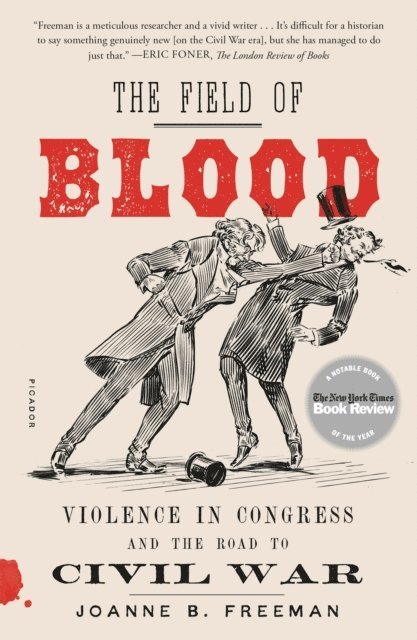
Field of Blood
Violence in Congress and the Road to Civil War
Häftad, 2019
179 kr
Lägg i varukorg
In The Field of Blood, Joanne B. Freeman recovers the long-lost story of physical violence on the floor of the U.S. Congress in the decades before the Civil War. Legislative sessions were often punctuated by mortal threats, canings, flipped desks, and all-out slugfests. When debate broke down, …
Field of Blood
Violence in Congress and the Road to Civil War
E-bok, 2018
197 kr
Lägg i varukorg
"One of the best history books I''ve read in the last few years." —Chris Hayes The Field of Blood recounts the previously untold story of the violence in Congress that helped spark the Civil War. A NEW YORK TIMES NOTABLE BOOK OF THE YEAR AN NPR BEST BOOK OF THE YEAR ONE OF SMITHSONIAN''S BEST …
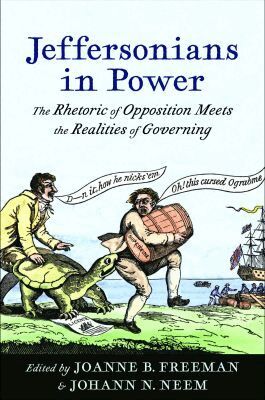
Jeffersonians in Power
The Rhetoric of Opposition Meets the Realities of Governing
Av Joanne B. Freeman, Johann N. Neem
Inbunden, 2019
539 kr
Lägg i varukorg
In the 1790s, the Jeffersonian Republicans were the party of "no." They opposed attempts to expand the government’s role in society, criticized the Washington administration’s national bank, railed against a standing army, and bemoaned the spirit of the Federalist regime, which, they claimed, …
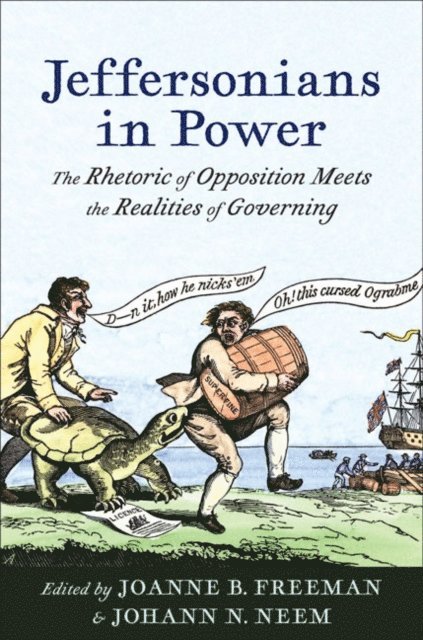
Jeffersonians in Power
The Rhetoric of Opposition Meets the Realities of Governing
Av Johann N. Neem, Joanne B. Freeman
E-bok, 2019
669 kr
Lägg i varukorg
In the 1790s, the Jeffersonian Republicans were the party of "no." They opposed attempts to expand the government’s role in society, criticized the Washington administration’s national bank, railed against a standing army, and bemoaned the spirit of the Federalist regime, which, they claimed, …
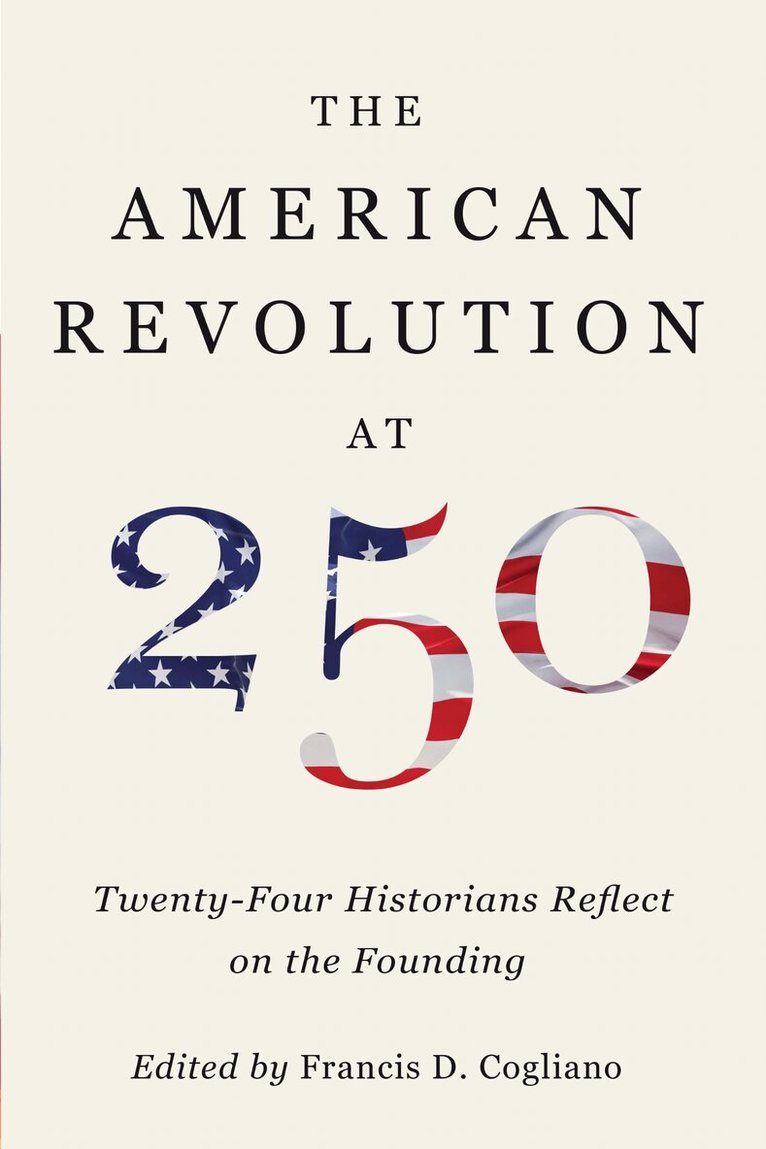
American Revolution at 250
Twenty-Four Historians Reflect on the Founding
Av Francis D Cogliano, Teresa Pollack m. fl.
Inbunden, 2026
384 kr
Lägg i varukorg
The preeminent historians of the founding era speak their mind on the anniversary of the United States' birthIn these powerful and personal essays, some of the most celebrated historians of the American Revolutionary era reflect on the meaning of 1776 to the nation in 2026, offering fresh insights …
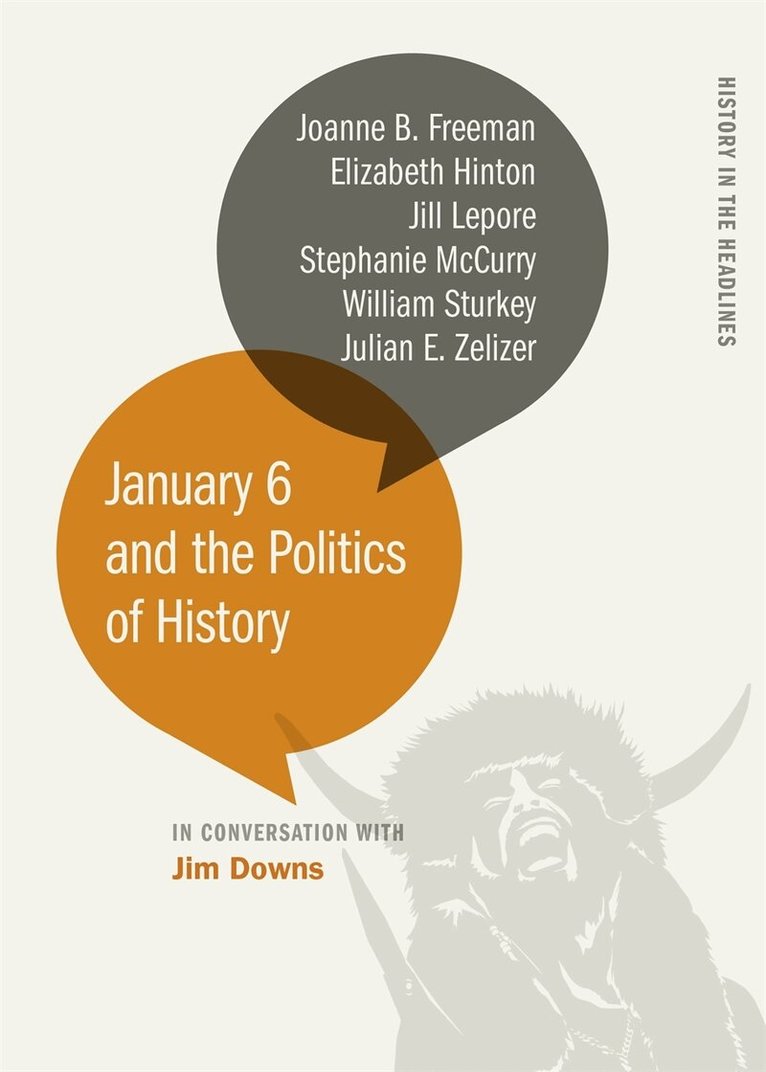
January 6 and the Politics of History
Av Stephanie McCurry, Joanne B. Freeman m. fl.
Häftad, 2024
302 kr
Lägg i varukorg
On January 6, 2021, more than two thousand rioters stormed the doors of the U.S. Capitol building in Washington, D.C., hoping to interrupt the peaceful transfer of power from former president Donald Trump to his successor, Joseph Biden. The deaths, property damage, and vicious rampage that ensued …
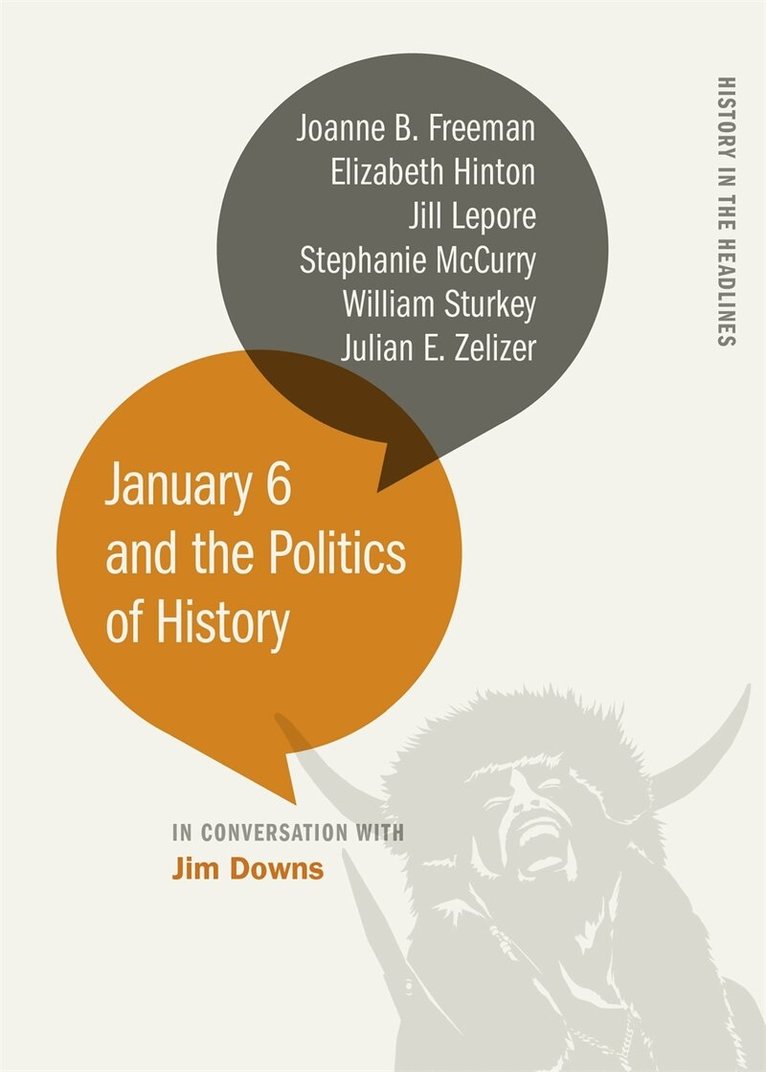
January 6 and the Politics of History
Av Stephanie McCurry, Joanne B. Freeman m. fl.
Inbunden, 2024
2134 kr
Lägg i varukorg
On January 6, 2021, more than two thousand rioters stormed the doors of the U.S. Capitol building in Washington, D.C., hoping to interrupt the peaceful transfer of power from former president Donald Trump to his successor, Joseph Biden. The deaths, property damage, and vicious rampage that ensued …
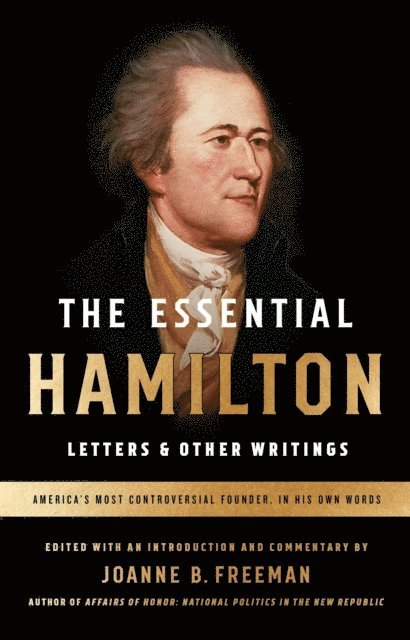
Essential Hamilton: Letters & Other Writings
Av Alexander Hamilton, Joanne B. Freeman
E-bok, 2017
171 kr
Lägg i varukorg