Jim Downs – författare
Visar alla böcker från författaren Jim Downs. Handla med fri frakt och snabb leverans.
36 produkter
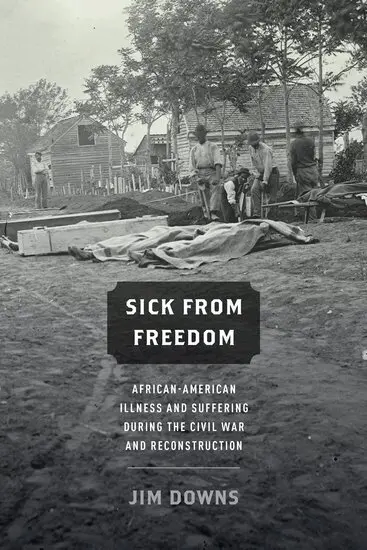
Sick from Freedom
African-American Illness and Suffering during the Civil War and Reconstruction
Av Jim Downs
Häftad, 2015
563 kr
Lägg i varukorg
Bondspeople who fled from slavery during and after the Civil War did not expect that their flight toward freedom would lead to sickness, disease, suffering, and death. But the war produced the largest biological crisis of the nineteenth century, and as historian Jim Downs reveals in this …
Sick from Freedom
African-American Illness and Suffering during the Civil War and Reconstruction
Av Jim Downs
Inbunden, 2012
921 kr
Lägg i varukorg
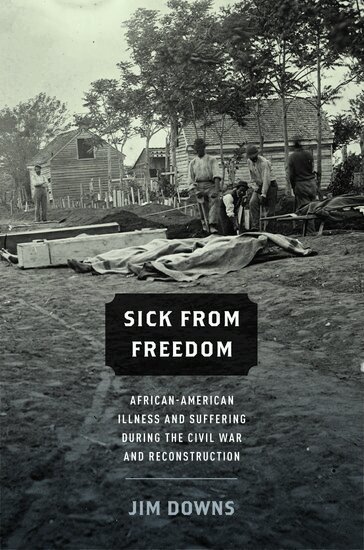
Bondspeople who fled from slavery during and after the Civil War did not expect that their flight toward freedom would lead to sickness, disease, suffering, and death. But the war produced the largest biological crisis of the nineteenth century, and as historian Jim Downs reveals in this …
Sick from Freedom
African-American Illness and Suffering during the Civil War and Reconstruction
Av Jim Downs
E-bok, 2012
378 kr
Lägg i varukorg
Bondspeople who fled from slavery during and after the Civil War did not expect that their flight toward freedom would lead to sickness, disease, suffering, and death. But the war produced the largest biological crisis of the nineteenth century, and as historian Jim Downs reveals in this …
Sick from Freedom
African-American Illness and Suffering during the Civil War and Reconstruction
Av Jim Downs
E-bok, 2012
378 kr
Lägg i varukorg
Bondspeople who fled from slavery during and after the Civil War did not expect that their flight toward freedom would lead to sickness, disease, suffering, and death. But the war produced the largest biological crisis of the nineteenth century, and as historian Jim Downs reveals in this …
Reckoning with History
Unfinished Stories of American Freedom
Av Jim Downs, Erica Armstrong Dunbar m. fl.
Inbunden, 2021
1055 kr
Lägg i varukorg
Reckoning with History brings together original essays from a diverse group of historians who consider how writing about the past can engage with the urgent issues of the present. The contributors—all former students of the distinguished Columbia University historian Eric Foner—explore the uses and …
Reckoning with History
Unfinished Stories of American Freedom
Av Jim Downs, Erica Armstrong Dunbar m. fl.
Häftad, 2021
269 kr
Lägg i varukorg
Reckoning with History brings together original essays from a diverse group of historians who consider how writing about the past can engage with the urgent issues of the present. The contributors—all former students of the distinguished Columbia University historian Eric Foner—explore the uses and …
Connexions
Histories of Race and Sex in North America
Av Jennifer Brier, Jim Downs m. fl.
Inbunden, 2016
1412 kr
Lägg i varukorg
Connexions investigates the ways in which race and sex intersect, overlap, and inform each other in United States history. An expert team of editors curates thought-provoking articles that explore how to view the American past through the lens of race and sexuality studies. Chapters range from the …
Connexions
Histories of Race and Sex in North America
Av Jennifer Brier, Jim Downs m. fl.
Häftad, 2016
386 kr
Lägg i varukorg
Connexions investigates the ways in which race and sex intersect, overlap, and inform each other in United States history. An expert team of editors curates thought-provoking articles that explore how to view the American past through the lens of race and sexuality studies. Chapters range from the …
Connexions
Histories of Race and Sex in North America
Av Jennifer Brier, Jim Downs m. fl.
E-bok, 2016
585 kr
Lägg i varukorg
Connexions investigates the ways in which race and sex intersect, overlap, and inform each other in United States history. An expert team of editors curates thought-provoking articles that explore how to view the American past through the lens of race and sexuality studies. Chapters range from the …
Transparency, Public Relations and the Mass Media
Combating the Hidden Influences in News Coverage Worldwide
Av Katerina Tsetsura, Dean Kruckeberg m. fl.
Häftad, 2020
370 kr
Lägg i varukorg
This book is about media transparency and good-faith attempts of honesty by both the sources and the gate-keepers of news and other information that the mass media present as being unbiased. Specifically, this book provides a theoretical framework for understanding media transparency and its …
Transparency, Public Relations and the Mass Media
Combating the Hidden Influences in News Coverage Worldwide
Av Katerina Tsetsura, Dean Kruckeberg m. fl.
Inbunden, 2016
1232 kr
Lägg i varukorg
This book is about media transparency and good-faith attempts of honesty by both the sources and the gate-keepers of news and other information that the mass media present as being unbiased. Specifically, this book provides a theoretical framework for understanding media transparency and its …
Taking Back the Academy!
History of Activism, History as Activism
Häftad, 2004
630 kr
Lägg i varukorg
Taking Back the Academy! is not only an historical look at activism on campus since the 1960s, but also an exploration of the ways in which the historian's craft leads to social change. Written against the current political wave that views liberal academics as treasonous and unpatriotic, these …
Why We Write
The Politics and Practice of Writing for Social Change
Av Jim Downs
Inbunden, 2005
2893 kr
Lägg i varukorg
Why We Write provides a forum for scholars, activists, and novelists to reflect on the ways in which they use their writing and academic work to create social change. This volume uncovers the political agendas, social missions, and personal and professional experiences that compel writers to bring …
Why We Write
The Politics and Practice of Writing for Social Change
Av Jim Downs
Häftad, 2005
746 kr
Lägg i varukorg
Why We Write provides a forum for scholars, activists, and novelists to reflect on the ways in which they use their writing and academic work to create social change. This volume uncovers the political agendas, social missions, and personal and professional experiences that compel writers to bring …
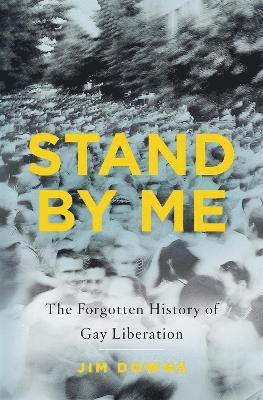
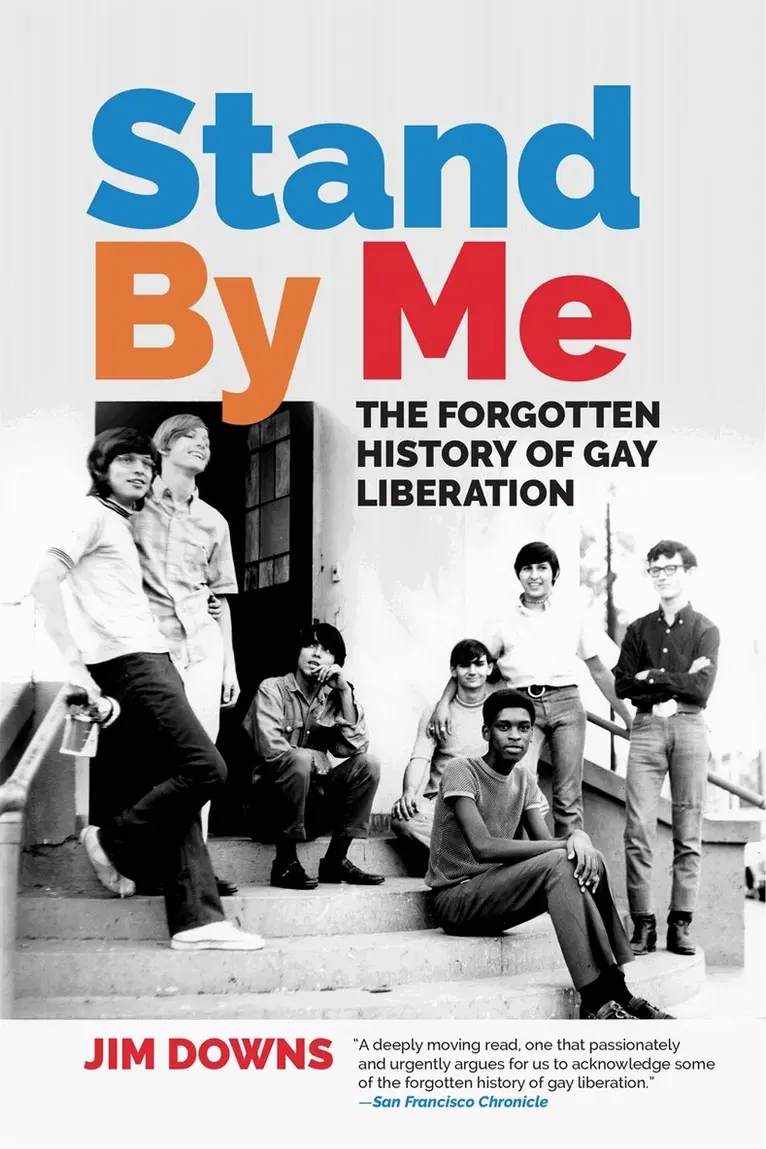
Stand by Me
The Forgotten History of Gay Liberation
Av Jim Downs
Inbunden, 2016
285 kr
Lägg i varukorg
Despite the tremendous gains of the LGBT movement in recent years, the history of gay life in this country remains poorly understood. According to conventional wisdom, gay liberation started with the Stonewall Riots in Greenwich Village in 1969. The 1970s represented a moment of triumph- both …
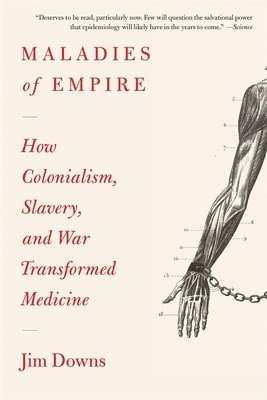
Maladies of Empire
How Colonialism, Slavery, and War Transformed Medicine
Av Jim Downs
Häftad, 2023
182 kr
Lägg i varukorg
“An eye-popping study of the history of infectious diseases, how they spread, and especially how they have been thwarted by experimentation on the bodies of soldiers, slaves, and colonial subjects…A timely, brilliant book about some of the brutal ironies in the story of medical progress.” —David W. …
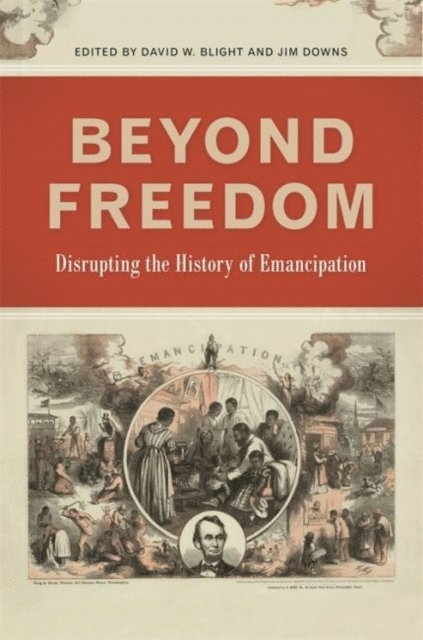
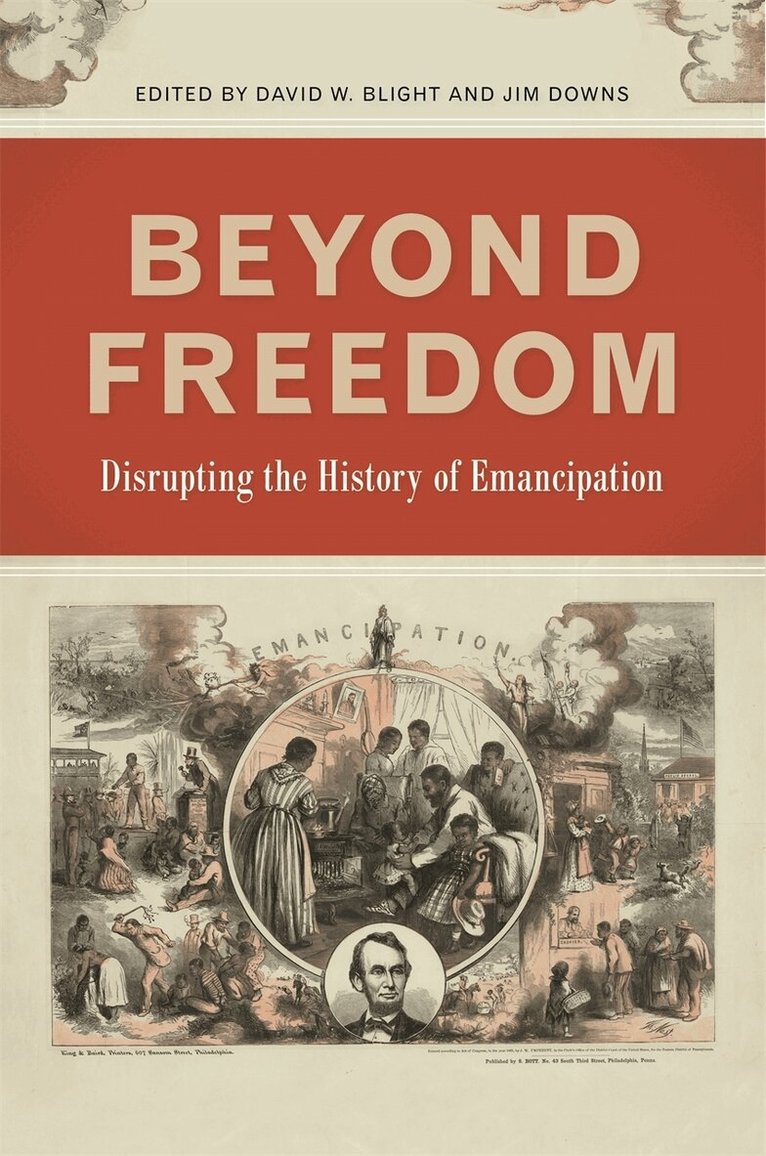
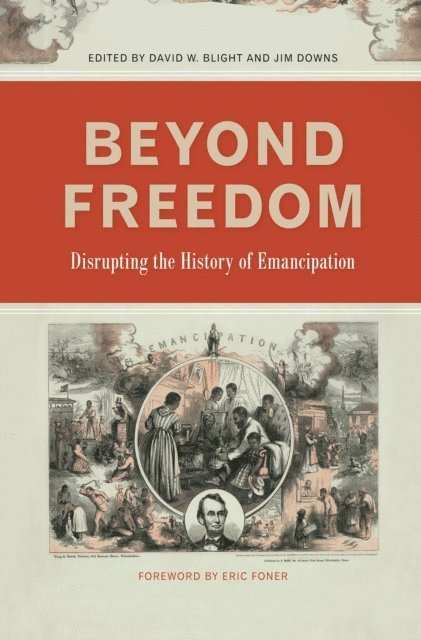
Beyond Freedom
Disrupting the History of Emancipation
E-bok, 2017
1384 kr
Lägg i varukorg
This collection of eleven original essays interrogates the concept of freedom and recenters our understanding of the process of emancipation. Who defined freedom, and what did freedom mean to nineteenth-century African Americans, both during and after slavery? Did freedom just mean the absence of …
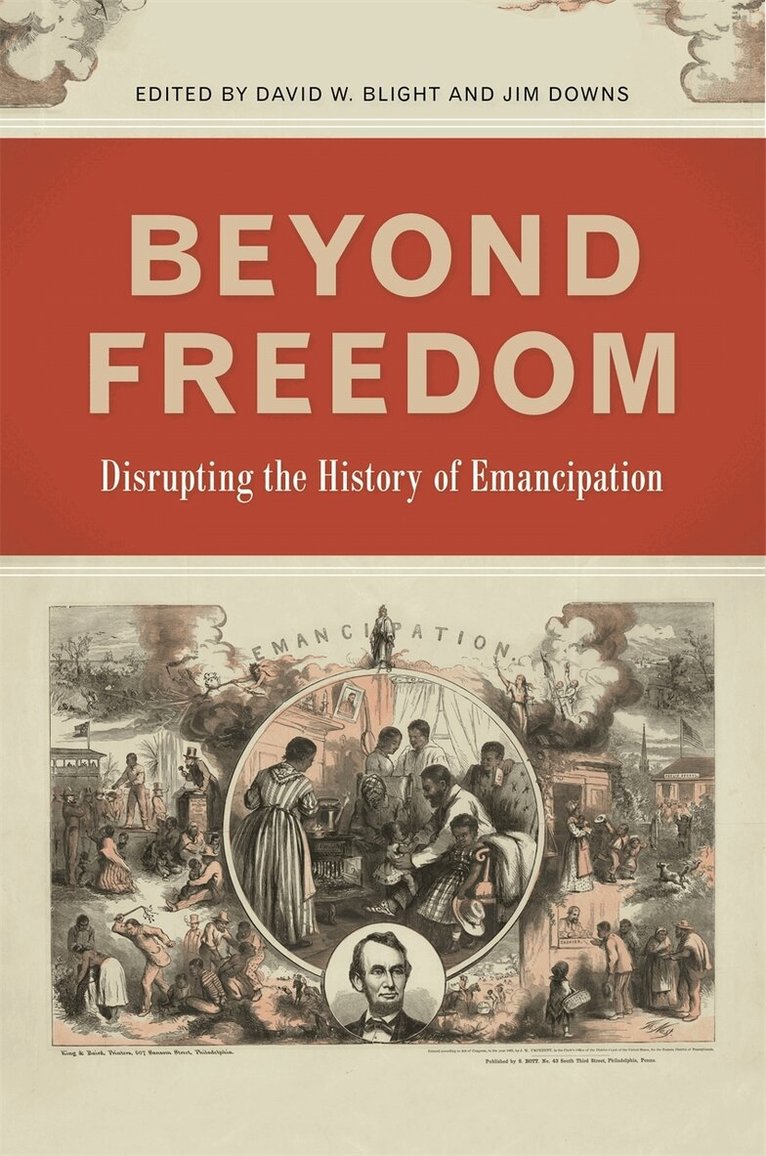
Beyond Freedom
Disrupting the History of Emancipation
Inbunden, 2017
1383 kr
Lägg i varukorg
This collection of eleven original essays interrogates the concept of freedom and recenters our understanding of the process of emancipation. Who defined freedom, and what did freedom mean to nineteenth-century African Americans, both during and after slavery? Did freedom just mean the absence of …
Beyond Freedom
Disrupting the History of Emancipation
Häftad, 2017
443 kr
Lägg i varukorg
This collection of eleven original essays interrogates the concept of freedom and recenters our understanding of the process of emancipation. Who defined freedom, and what did freedom mean to nineteenth-century African Americans, both during and after slavery? Did freedom just mean the absence of …
Stand By Me
The Forgotten History of Gay Liberation
Av Jim Downs
Häftad, 2020
330 kr
Lägg i varukorg
With Stand by Me, Jim Downs rewrites the history of gay life in the 1970s, arguing that the decade was about much more than sex and marching in the streets. Drawing on a vast trove of untapped records at LGBT community centers in Los Angeles, New York, and Philadelphia, Downs tells moving, …
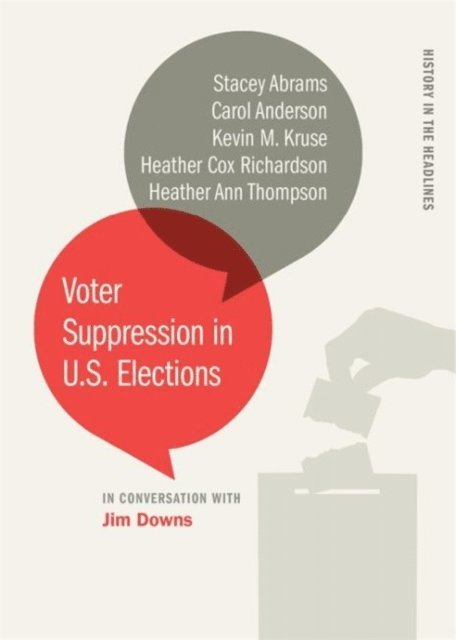
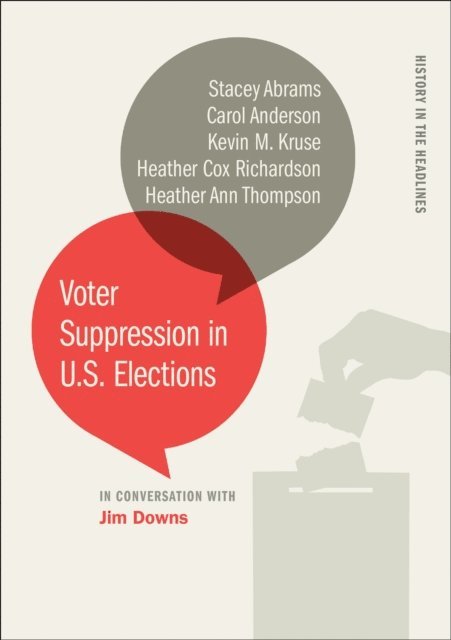
Voter Suppression in U.S. Elections
Av Stacey Abrams, Carol Anderson m. fl.
Inbunden, 2020
2423 kr
Lägg i varukorg
Historians have long been engaged in telling the story of the struggle for the vote. In the wake of recent contested elections, the suppression of the vote has returned to the headlines, as awareness of the deep structural barriers to the ballot, particularly for poor, black, and Latino voters, has …
Voter Suppression in U.S. Elections
Av Stacey Abrams, Carol Anderson m. fl.
Häftad, 2020
284 kr
Lägg i varukorg
Historians have long been engaged in telling the story of the struggle for the vote. In the wake of recent contested elections, the suppression of the vote has returned to the headlines, as awareness of the deep structural barriers to the ballot, particularly for poor, black, and Latino voters, has …
Voter Suppression in U.S. Elections
Av Stacey Abrams, Carol Anderson m. fl.
E-bok, 2020
1998 kr
Lägg i varukorg
Historians have long been engaged in telling the story of the struggle for the vote. In the wake of recent contested elections, the suppression of the vote has returned to the headlines, as awareness of the deep structural barriers to the ballot, particularly for poor, black, and Latino voters, has …
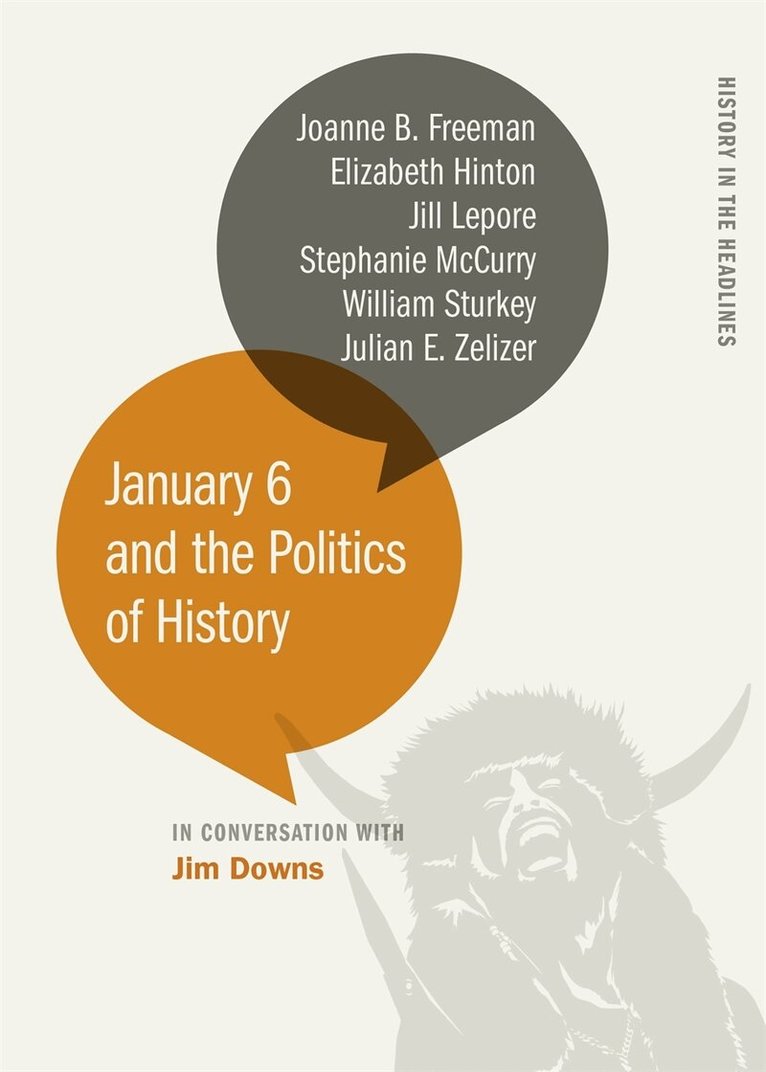
January 6 and the Politics of History
Av Stephanie McCurry, Joanne B. Freeman m. fl.
Häftad, 2024
302 kr
Lägg i varukorg
On January 6, 2021, more than two thousand rioters stormed the doors of the U.S. Capitol building in Washington, D.C., hoping to interrupt the peaceful transfer of power from former president Donald Trump to his successor, Joseph Biden. The deaths, property damage, and vicious rampage that ensued …
January 6 and the Politics of History
Av Stephanie McCurry, Joanne B. Freeman m. fl.
Inbunden, 2024
2134 kr
Lägg i varukorg
On January 6, 2021, more than two thousand rioters stormed the doors of the U.S. Capitol building in Washington, D.C., hoping to interrupt the peaceful transfer of power from former president Donald Trump to his successor, Joseph Biden. The deaths, property damage, and vicious rampage that ensued …
Beyond Freedom
Disrupting the History of Emancipation
E-bok, 2017
1312 kr
Lägg i varukorg
This collection of eleven original essays interrogates the concept of freedom and recenters our understanding of the process of emancipation. Who defined freedom, and what did freedom mean to nineteenth-century African Americans, both during and after slavery? Did freedom just mean the absence of …
Voter Suppression in U.S. Elections
Av Heather Ann Thompson, Heather Cox Richardson m. fl.
E-bok, 2020
1848 kr
Lägg i varukorg
Historians have long been engaged in telling the story of the struggle for the vote. In the wake of recent contested elections, the suppression of the vote has returned to the headlines, as awareness of the deep structural barriers to the ballot, particularly for poor, black, and Latino voters, has …
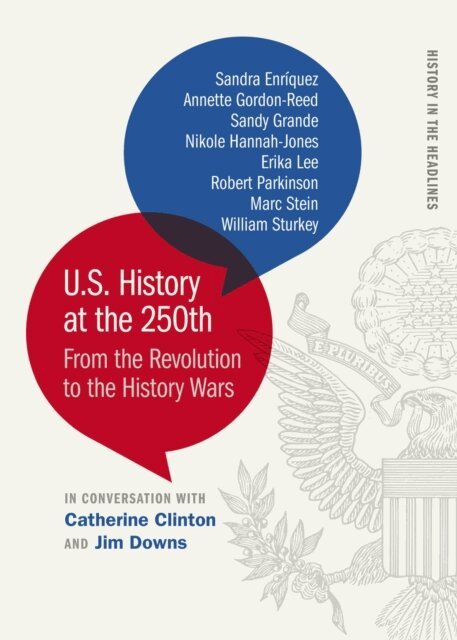
U.S. History at the 250th
From the Revolution to the History Wars
Av Sandra Enríquez, Annette Gordon-Reed m. fl.
Inbunden, 2026
1733 kr
Lägg i varukorg
The year 2026 marks the 250th anniversary of the Declaration of Independence. But does the nation begin in 1776, or do we trace its origins to some point earlier—for example, the arrival of the first enslaved people in 1619 or the initial settlement of Indigenous people? What’s at stake with …
U.S. History at the 250th
From the Revolution to the History Wars
Av Sandra Enríquez, Annette Gordon-Reed m. fl.
Häftad, 2026
311 kr
Lägg i varukorg
The year 2026 marks the 250th anniversary of the Declaration of Independence. But does the nation begin in 1776, or do we trace its origins to some point earlier—for example, the arrival of the first enslaved people in 1619 or the initial settlement of Indigenous people? What’s at stake with …
U.S. History at the 250th
From the Revolution to the History Wars
Av William Sturkey, Marc Stein m. fl.
E-bok, 2026
393 kr
Lägg i varukorg
The year 2026 marks the 250th anniversary of the Declaration of Independence. But does the nation begin in 1776, or do we trace its origins to some point earlier-for example, the arrival of the first enslaved people in 1619 or the initial settlement of Indigenous people? What's at stake with …