Joel Hecker - Böcker
Visar alla böcker från författaren Joel Hecker. Handla med fri frakt och snabb leverans.
3 produkter
3 produkter
1 026 kr
Skickas inom 10-15 vardagar
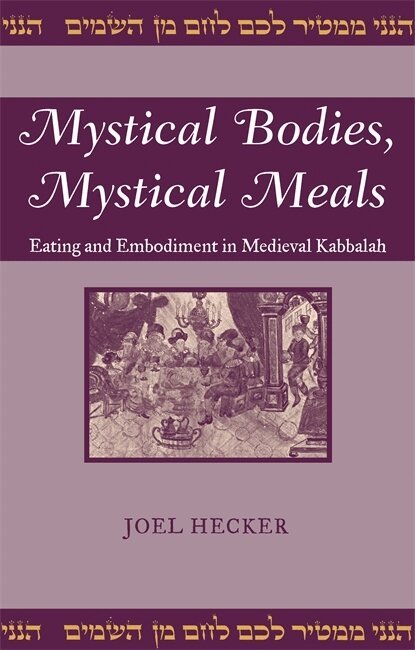
Mystical Bodies, Mystical Meals is the first book-length study of mystical eating practices and experiences in the kabbalah. Focusing on the Jewish mystical literature of late-thirteenth-century Spain, author Joel Hecker analyzes the ways in which the Zohar and other contemporaneous literature represent mystical attainment in their homilies about eating. What emerges is not only consideration of eating practices but, more broadly, the effects such practices and experiences have on the bodies of practitioners. Using anthropology, sociology, ritual studies, and gender theory, Hecker accounts for the internal topography of the body as imaginatively conceived by kabbalists. For these mystics, the physical body interacts with the material world to effect transformations within themselves and within the Divinity. The kabbalists experience the ideal body as one of fullness, one whose boundaries allow for the intake of divine light and power and for the outward overflow of fruitfulness and generosity; at the same time, the body retains sufficient integrity to confer a sense of completeness, as the perfect symbol for the Divinity itself. Nourishment imagery is used throughout the kabbalah as a metaphor signifying the flow of divine blessing from the upper worlds to the lower, from masculine to feminine, and from Israel to the Godhead. The body's spiritual continuity allows for union between the kabbalistic devotee and his food, table, chair, and wine and is exemplified in the practices and experiences surrounding the consumption of food; this continuity is also applicable to other aspects of embodiment, such as the kabbalist's union with his fellow man. Mystical Bodies, Mystical Meals underscores the homosocial quality of the kabbalistic fraternity, in which gendered hierarchies of master and disciple are linked to the imagery and dynamics of nourishment and sexuality. Bringing this entire spectrum into focus, Hecker ultimately considers how the oral cavity and stomach, even the emotions associated with festive meals, are mobilized to produce the soul of the mystical saint in medieval kabbalah.
315 kr
Skickas inom 10-15 vardagar
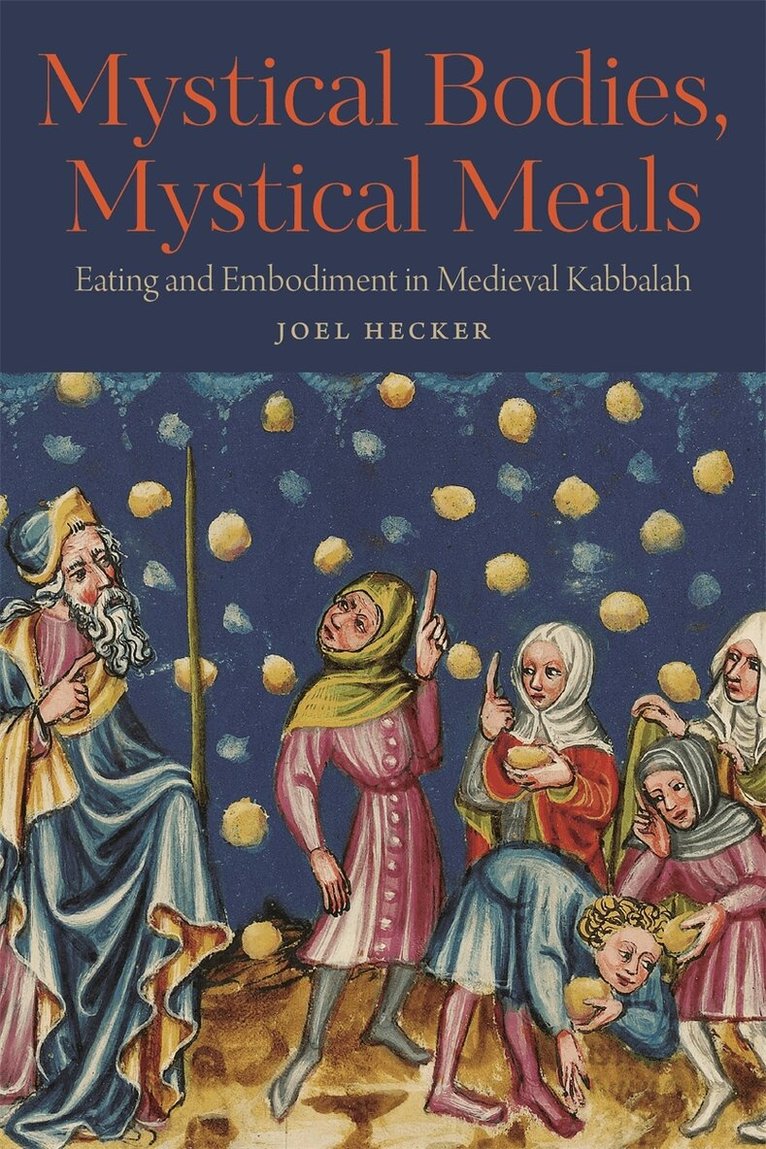
Focusing on the Jewish mystical literature of late thirteenth-century Spain, author Joel Hecker analyzes how the Zohar and other esoteric literature represent mystical attainment in their homilies about food. What emerges is not only consideration of eating practices but, more broadly, the effects such practices and experiences have on the bodies of practitioners.Drawing on anthropology, sociology, ritual studies, and gender theory, Hecker shows that Kabbalists conceived the internal topography of the body as itself mystical. Nourishment imagery is used throughout Kabbalistic texts as a metaphor signifying the flow of divine blessing from the upper worlds to the lower, from masculine to feminine, and from Israel to the Godhead. The body's spiritual continuity allows for unions between mystics and their food, table, chair, and wine and is exemplified in the practices and experiences surrounding the consumption of food. This continuity is also applicable to other aspects of embodiment, such as union with other people. Bringing this entire spectrum into focus, Hecker ultimately considers how Kabbalists use the oral cavity and stomach, and even the emotions associated with festive meals, to produce the soul of the mystical saint.
1 111 kr
Kommande
Emotions and emotional life have come to assume an important place in the study of religion and the humanities, but little attention has yet been given to considering the kabbalistic and hasidic traditions. This volume aims to fill that gap. Ranging historically from the thirteenth century to contemporary times, it touches on a broad selection of Jewish mystical movements. The theoretical and methodological approaches adopted are similarly diverse, drawn from fields including history, psychology and psychoanalysis, literary and cultural studies, and the history of religion. The range of emotions covered includes shame, guilt, sadness, anger, awe and fear, joy, compassion, and love. How have different teachers and communities conceived of and articulated emotional life? To what extent do emotions play a role in attaining spiritual and moral perfection, and what practices have been encouraged in the pursuit of these ideals? What is the relationship between notions of ethics, interpersonal relations, and emotions? When we speak of ‘emotional life’ we think not only of ideas about emotions, but also the complex, dynamic role that emotional experience plays in the actual lives of individuals and communities. A substantial introduction to the volume addresses these broad questions in the context of religious literature and culture.