Joel Tarr – författare
Visar alla böcker från författaren Joel Tarr. Handla med fri frakt och snabb leverans.
6 produkter
Renewal, Regression, and Revival
Currents of Change in the Pittsburgh Environment
Av Joel Tarr
Inbunden, 2027
1722 kr
Kommande
Sitting at the confluence of the Monongahela and Allegheny Rivers where they join to flow into the Ohio, the city of Pittsburgh has been shaped by its material environment—the rocky, grimy, watery base on which it stands. It has also been shaped by industrial activity, as the city has cycled …
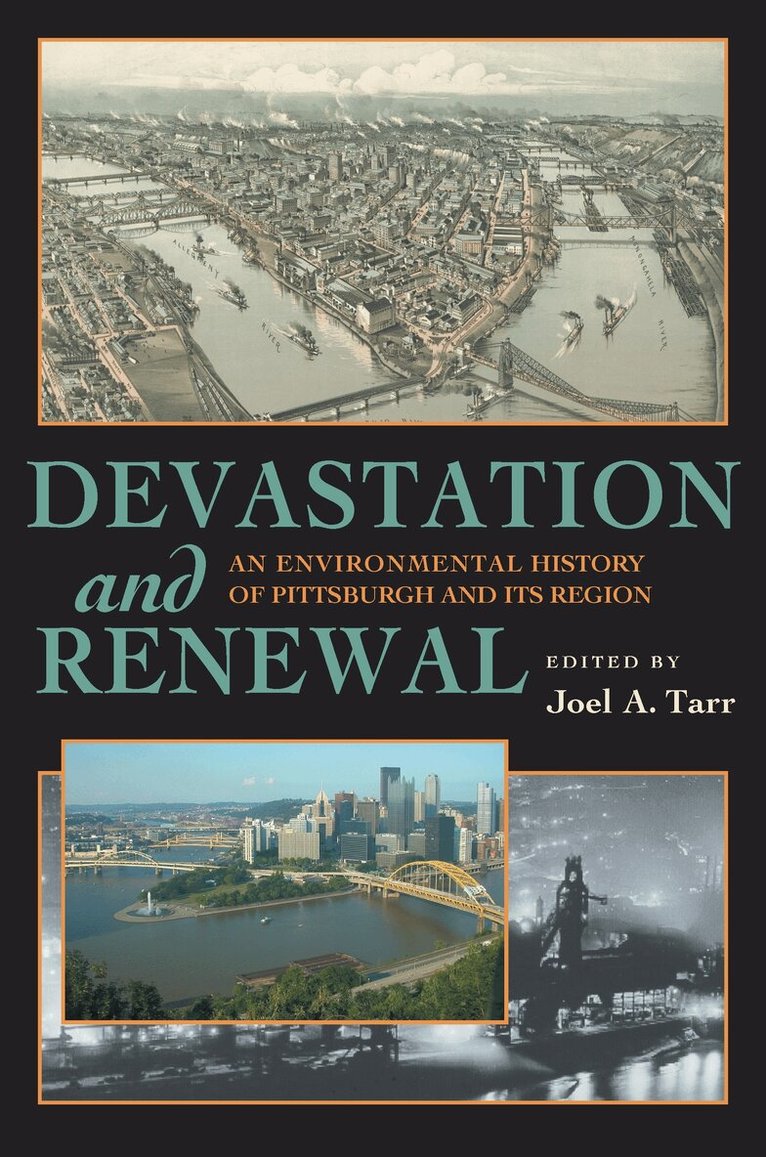
Devastation and Renewal
An Environmental History of Pittsburgh and Its Region
Av Joel Tarr
Häftad, 2005
765 kr
Lägg i varukorg
Every city has an environmental story, perhaps none so dramatic as Pittsburgh's. Founded in a river valley blessed with enormous resources-three strong waterways, abundant forests, rich seams of coal-the city experienced a century of exploitation and industrialization that degraded and obscured the …
Renewal, Regression, and Revival
Currents of Change in the Pittsburgh Environment
Av Joel Tarr
Häftad, 2027
455 kr
Kommande
Sitting at the confluence of the Monongahela and Allegheny Rivers where they join to flow into the Ohio, the city of Pittsburgh has been shaped by its material environment—the rocky, grimy, watery base on which it stands. It has also been shaped by industrial activity, as the city has cycled …
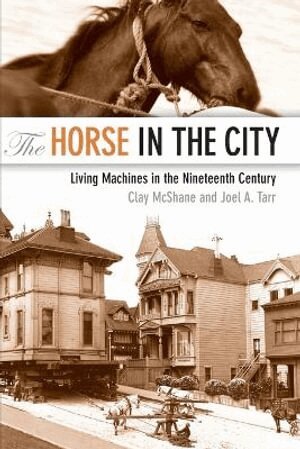
Horse in the City
Living Machines in the Nineteenth Century
Häftad, 2011
477 kr
Lägg i varukorg
The nineteenth century was the golden age of the horse. In urban America, the indispensable horse provided the power for not only vehicles that moved freight, transported passengers, and fought fires but also equipment in breweries, mills, foundries, and machine shops. Clay McShane and Joel A. …
Horse in the City
Living Machines in the Nineteenth Century
Inbunden, 2007
564 kr
Tillfälligt slut
The nineteenth century was the golden age of the horse. In urban America, the indispensable horse provided the power for not only vehicles that moved freight, transported passengers, and fought fires but also equipment in breweries, mills, foundries, and machine shops. Clay McShane and Joel A. …
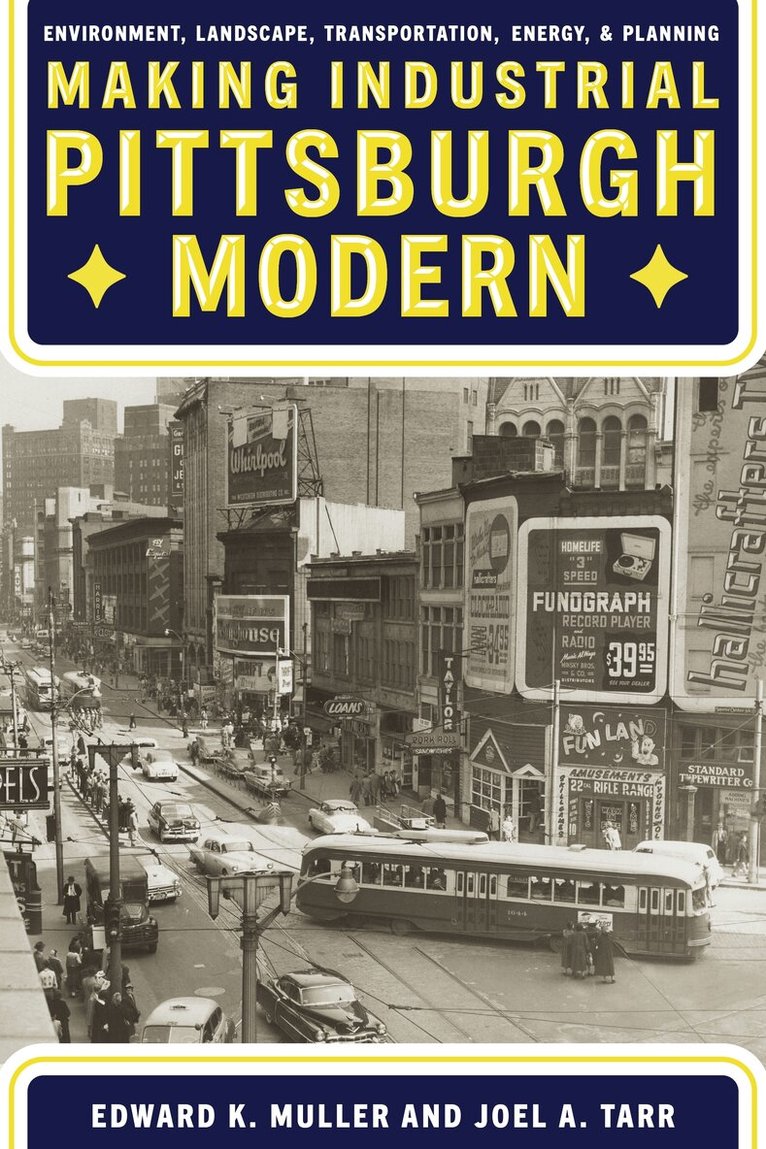
Making Industrial Pittsburgh Modern
Environment, Landscape, Transportation, Energy, and Planning
Inbunden, 2019
590 kr
Tillfälligt slut
Pittsburgh’s explosive industrial and population growth between the mid-nineteenth century and the Great Depression required constant attention to city-building. Private, profit-oriented firms, often with government involvement, provided necessary transportation, energy resources, and suitable …