Clay McShane – författare
Visar alla böcker från författaren Clay McShane. Handla med fri frakt och snabb leverans.
7 produkter
7 produkter
594 kr
Skickas inom 3-6 vardagar
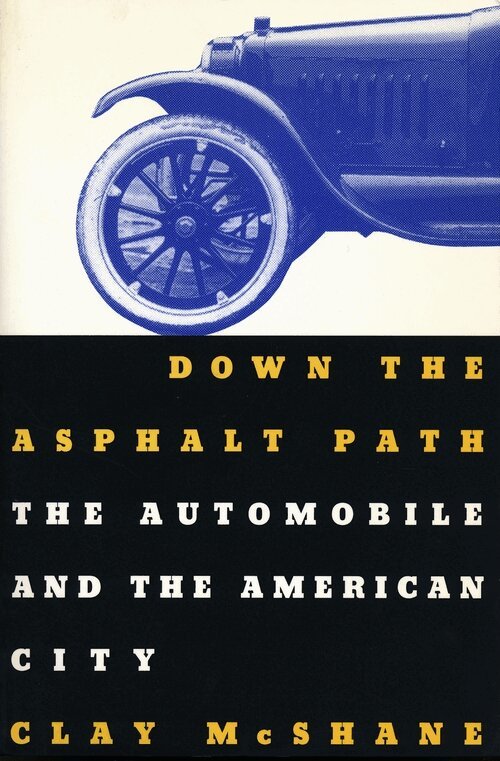
Imagine a world without automobiles, traffic lights, and interstate highways. Or the words commuter and parking. For a nation that prides itself on the freedom of movement and the long weekend, this seems nearly impossible. In Down the Asphalt Path, Clay McShane examines the uniquely American relation between automobility and urbanization. Writing at the cutting edge of urban and technological history, McShane focuses on how new transportation systems-most important, the private automobile-and new concepts of the city redefined each other in modern America. We swiftly motor across the country from Boston to New York to Milwaukee to Los Angeles and the suburbs in between as McShane chronicles the urban embrace of the automobile. McShane begins with mid-nineteenth century municipal bans on horseless carriages, a response to public fears of accidents and pollution. After cities redesigned roads to encourage new forms of trasnport, especially trolley cars, light carriages, and bicycles, the bans disappeared in the 1890s. With the advent of the automobile, metropolitan elites quickly and permanently established cars as status symbols.Down the Asphalt Path also explains the escapist appeal of the motor car to many Americans constrained by traditional social values. This book includes more than thirty photographs detailing the transformation of urban transportation. They bring to life chapters on modes of travel before the trolley; the push for parks, parkways, and suburbanization; the car in popular culture; and the battle for traffic safety and regulation. McShane's analysis of gender relations in the rise of automobility-in particular, definitions of gender in terms of mechanical skill and of driving as male power-is both timely and innovative. Wonderfully readable, this book will be a treasure for readers of urban history, popular culture, and technology-as well as car buffs.
750 kr
Skickas inom 10-15 vardagar
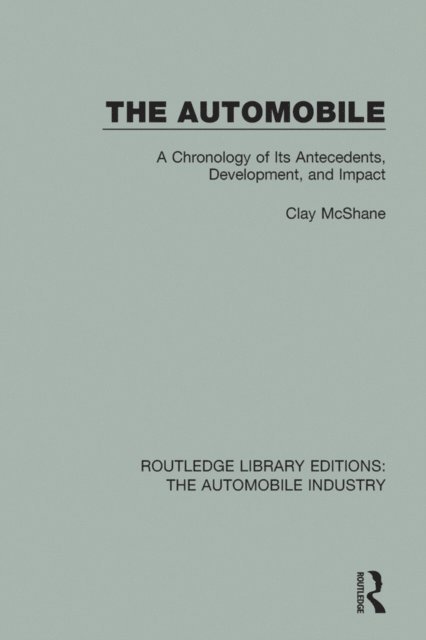
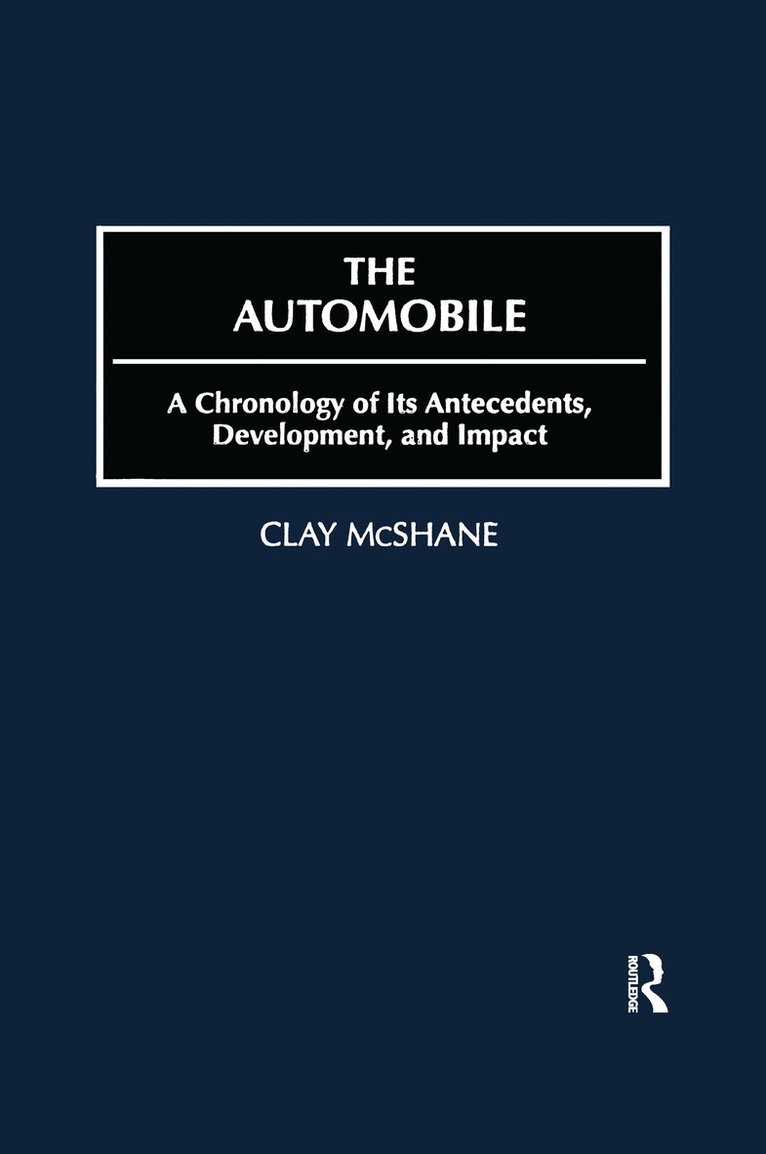
This comprehensive chronology of the automobile covers its engineering as well as the social, cultural, and political impact of the car from the invention of the wheel to the O.J. Simpson car chase. It examines the auto industry, the road and roadside, the car in popular culture, gasoline/fuel history, the spatial transformation of cities, air pollution, critics of car culture, traffic accidents, the globalization of car culture, and much more. This is a reference guide for students and scholars of transportation history as well as anyone who has ever asked When did Japan export the first car to the U.S.? or When and how was smog discovered? or What make of car did Chuck Berry drive?
564 kr
Tillfälligt slut
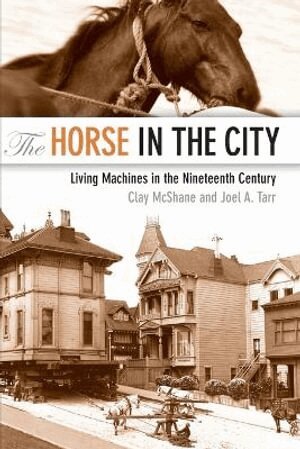
The nineteenth century was the golden age of the horse. In urban America, the indispensable horse provided the power for not only vehicles that moved freight, transported passengers, and fought fires but also equipment in breweries, mills, foundries, and machine shops. Clay McShane and Joel A. Tarr, prominent scholars of American urban life, here explore the critical role that the horse played in the growing nineteenth-century metropolis. Using such diverse sources as veterinary manuals, stable periodicals, teamster magazines, city newspapers, and agricultural yearbooks, they examine how the horses were housed and fed and how workers bred, trained, marketed, and employed their four-legged assets. Not omitting the problems of waste removal and corpse disposal, they touch on the municipal challenges of maintaining a safe and productive living environment for both horses and people and the rise of organizations like the American Society for the Prevention of Cruelty to Animals.In addition to providing an insightful account of life and work in nineteenth-century urban America, The Horse in the City brings us to a richer understanding of how the animal fared in this unnatural and presumably uncomfortable setting.
1 986 kr
Skickas inom 10-15 vardagar
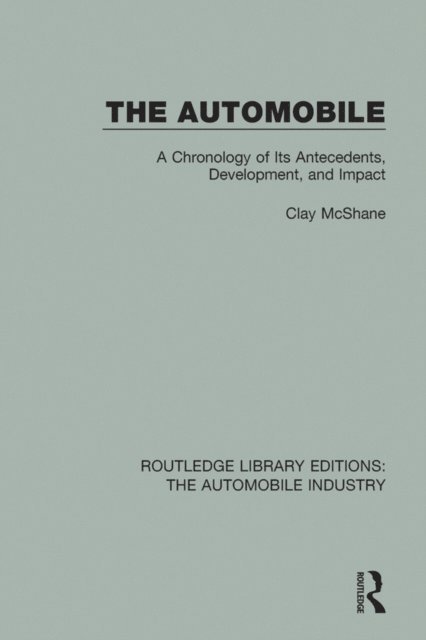
Originally published in 1997 and now re-issued with some updated material, this chronology lists the major events in the history of the automobile. The automobile cannot be understood without knowing about its pre-history, including technologies such as railroads, carriages and trolley cars. Material on these is included to the extent that they represented preludes to the modern car culture. The volume also includes material about the technology, design and production of cars and their manufacturers. The ancillary fields of oil production and refining and road building are also covered. Focussed mainly, but not exclusively on the USA this chronology discusses the car and its role in social, geographical and political change.
501 kr
Skickas inom 10-15 vardagar
Originally published in 1997 and now re-issued with some updated material, this chronology lists the major events in the history of the automobile. The automobile cannot be understood without knowing about its pre-history, including technologies such as railroads, carriages and trolley cars. Material on these is included to the extent that they represented preludes to the modern car culture. The volume also includes material about the technology, design and production of cars and their manufacturers. The ancillary fields of oil production and refining and road building are also covered. Focussed mainly, but not exclusively on the USA this chronology discusses the car and its role in social, geographical and political change.
452 kr
Skickas inom 5-8 vardagar
The nineteenth century was the golden age of the horse. In urban America, the indispensable horse provided the power for not only vehicles that moved freight, transported passengers, and fought fires but also equipment in breweries, mills, foundries, and machine shops. Clay McShane and Joel A. Tarr, prominent scholars of American urban life, here explore the critical role that the horse played in the growing nineteenth-century metropolis. Using such diverse sources as veterinary manuals, stable periodicals, teamster magazines, city newspapers, and agricultural yearbooks, they examine how the horses were housed and fed and how workers bred, trained, marketed, and employed their four-legged assets. Not omitting the problems of waste removal and corpse disposal, they touch on the municipal challenges of maintaining a safe and productive living environment for both horses and people and the rise of organizations like the American Society for the Prevention of Cruelty to Animals.In addition to providing an insightful account of life and work in nineteenth-century urban America, The Horse in the City brings us to a richer understanding of how the animal fared in this unnatural and presumably uncomfortable setting.
1 284 kr
Tillfälligt slut
This comprehensive chronology of the automobile covers its engineering as well as the social, cultural and political impact of the car from the invention of the wheel to the O.J. Simpson car chase. It examines the auto industry, the road and roadside, the car in popular culture, fuel history, the spatial transformation of cities, air pollution, critics of car culture, traffic accidents, the globalization of car culture, and much more. This is a reference guide for students and scholars of transportation history and for anyone with an interest in the development of automobiles. Clay McShane is Professor of History at Northeastern University and a noted authority on transportation history. Among his earlier publications is Down the Asphalt Path: American Cities and the Automobile.