Johan Berglund – författare
Visar alla böcker från författaren Johan Berglund. Handla med fri frakt och snabb leverans.
10 produkter
BE102 Management: Leadership
Av Stefan Einarsson, Johan Berglund m. fl.
Häftad, 2024
581 kr
Lägg i varukorg
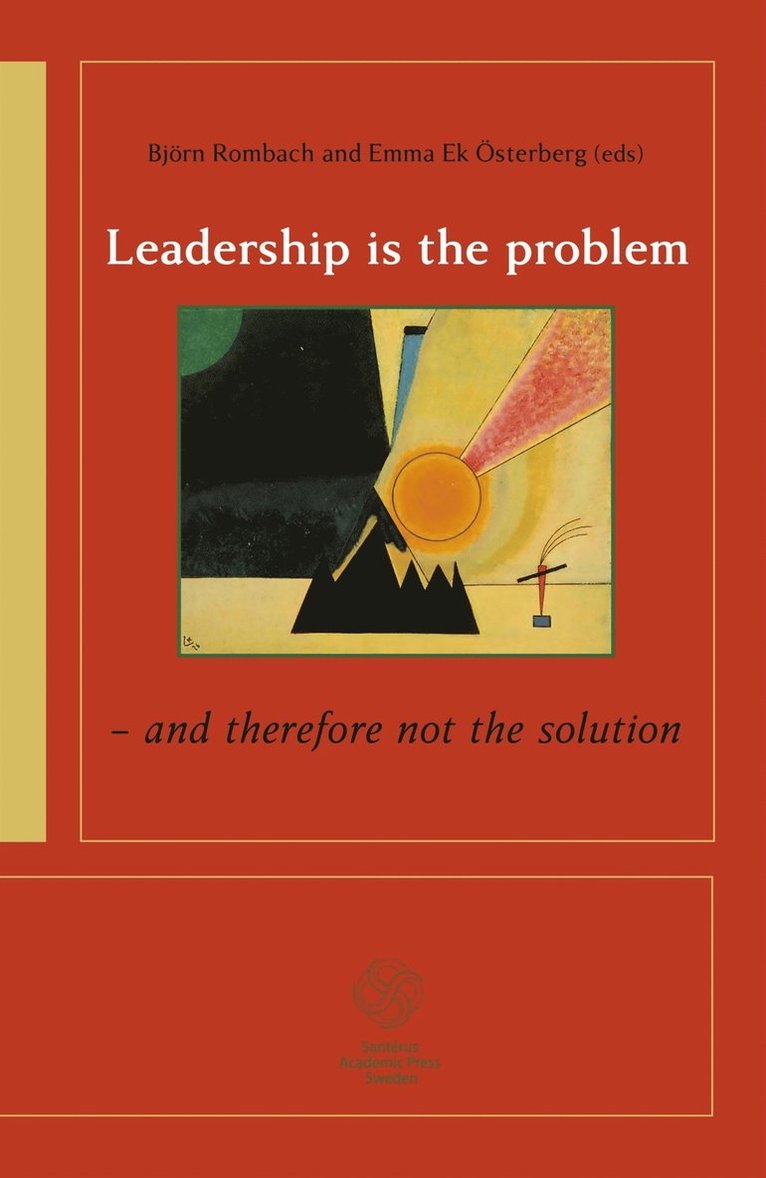
Leadership is the problem - and therefore not the solution
Av Rebecka Arman, Johan Berglund m. fl.
Häftad, 2019
276 kr
Lägg i varukorg
This book about leadership targets all those seeking a better understanding of the mysterious phenomenon called leadership. The expected readers includes scholars exploring leadership, leaders and those who want to become leaders, as well as all those who are led or would like to be led. In the …
Why Safety Cultures Degenerate
And How To Revive Them
Häftad, 2020
514 kr
Lägg i varukorg
From Chernobyl to Fukushima, have we come full circle, where formalisation has replaced ambiguity and a decadent style of management, to the point where it is becoming counter-productive? Safety culture is a contested concept and a complex phenomenon, which has been much debated in recent years. In …
Why Safety Cultures Degenerate
And How To Revive Them
E-bok, 2016
553 kr
Lägg i varukorg
From Chernobyl to Fukushima, have we come full circle, where formalisation has replaced ambiguity and a decadent style of management, to the point where it is becoming counter-productive? Safety culture is a contested concept and a complex phenomenon, which has been much debated in recent years. In …
Why Safety Cultures Degenerate
And How To Revive Them
E-bok, 2016
553 kr
Lägg i varukorg
From Chernobyl to Fukushima, have we come full circle, where formalisation has replaced ambiguity and a decadent style of management, to the point where it is becoming counter-productive? Safety culture is a contested concept and a complex phenomenon, which has been much debated in recent years. In …
Why Safety Cultures Degenerate
And How To Revive Them
Inbunden, 2016
2314 kr
Lägg i varukorg
From Chernobyl to Fukushima, have we come full circle, where formalisation has replaced ambiguity and a decadent style of management, to the point where it is becoming counter-productive? Safety culture is a contested concept and a complex phenomenon, which has been much debated in recent years. In …
Leadership is the problem - and therefore not the solution
Av Rolf Solli, Björn Rombach m. fl.
E-bok, 2021
169 kr
Lägg i varukorg
This book about leadership targets all those seeking a better understanding of the mysterious phenomenon called leadership. The expected readers includes scholars exploring leadership, leaders and those who want to become leaders, as well as all those who are led or would like to be led. In the …
Den nya taylorismen: Om säkerhetskulturen inom kärnkraftsindustrin
Häftad, 2013
5,0 utav 5 stjärnor. Totalt antal röster: (1)
369 kr
Lägg i varukorg
Uttrycket "den mänskliga faktorn" har en negativ klang i vårt moderna samhälle. Uttrycket antyder att människan och mänskliga handlingar är nyckfulla och till och med olycksbådande. Därför har det inom många verksamheter smugit sig in ett slags osynlig taylorism, effektiviseringar som detaljstyr …
8H / Eight hours
Inbunden, 2005
359 kr
Lägg i varukorg
Konflikter är sällan mycket långt borta, ofta inte mer än en dags flygresa. 8H Eight hours är ett kritiskt inlägg i debatten om hur nyhetsmedierna använder fotografi. Så här skriver bokens upphovsman, fotografen Johan Berglund: "Chockvärdet går före att försöka skapa identifikation. De flesta …
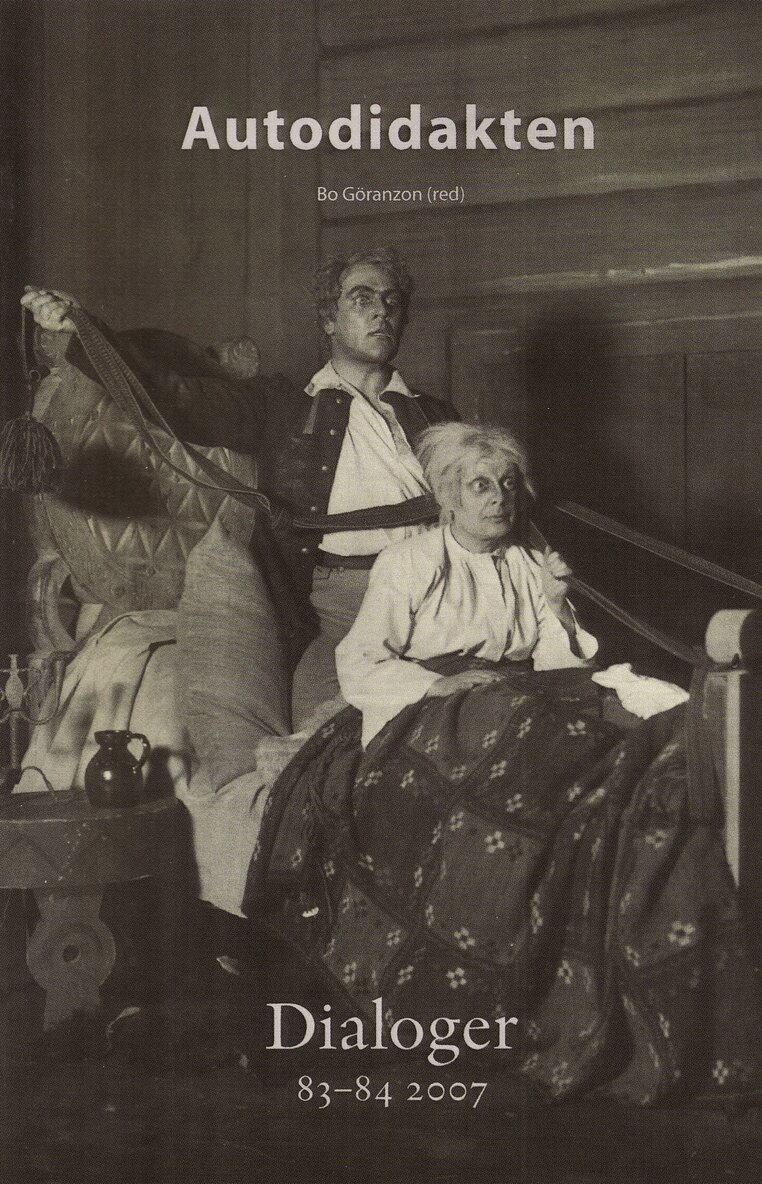
Autodidakten. Dialoger 83-84(2007)
Av Bo Göranzon, Siri Meyer m. fl.
2007
3,0 utav 5 stjärnor. Totalt antal röster: (1)
187 kr
Lägg i varukorg
Innehåll Bo Göranzon "Redaktionell kommentar" Siri Meyer "Innovatörerna kommer" Johan Svahn "Skapandeprocesser - systemutveckling och litterära analogier" Agneta Pleijel "Om det ungefärliga i ingenjörsarbete Opposition vid Göran Backlunds doktorsavhandling" Gunnar Bergendal "Självlärd" Nils Friberg …