Johann Chapoutot – författare
Visar alla böcker från författaren Johann Chapoutot. Handla med fri frakt och snabb leverans.
15 produkter
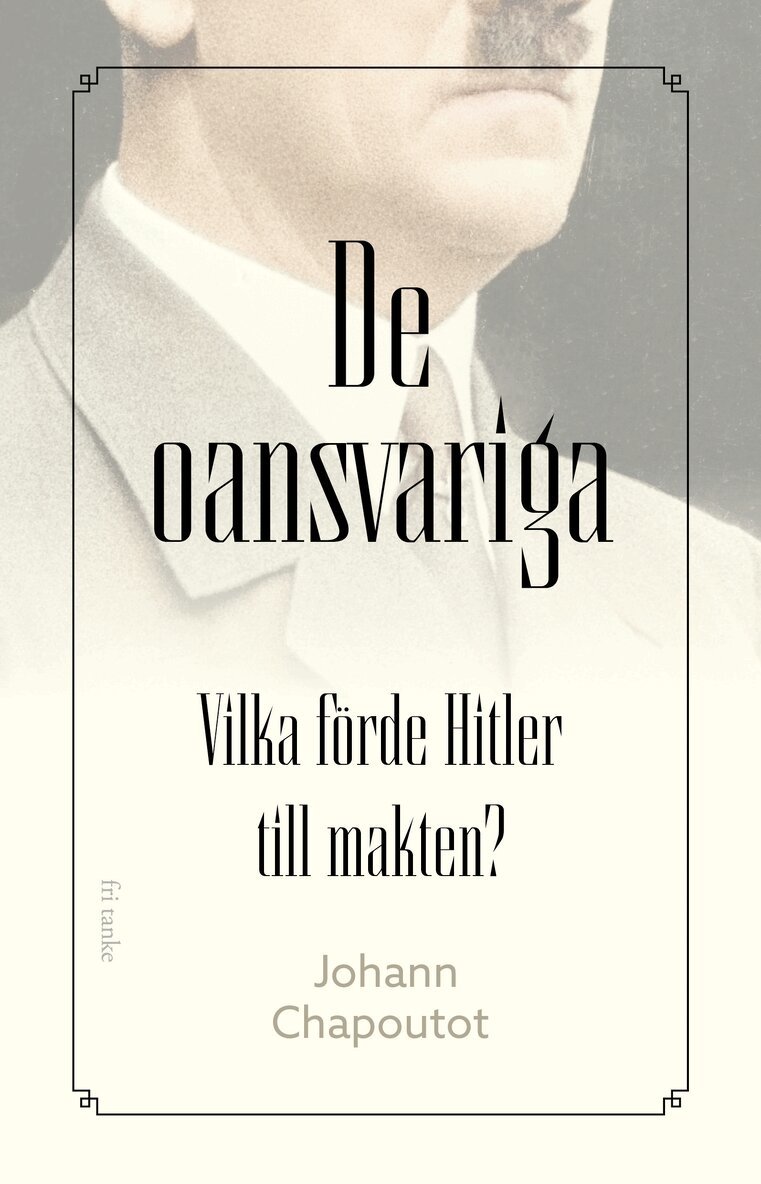
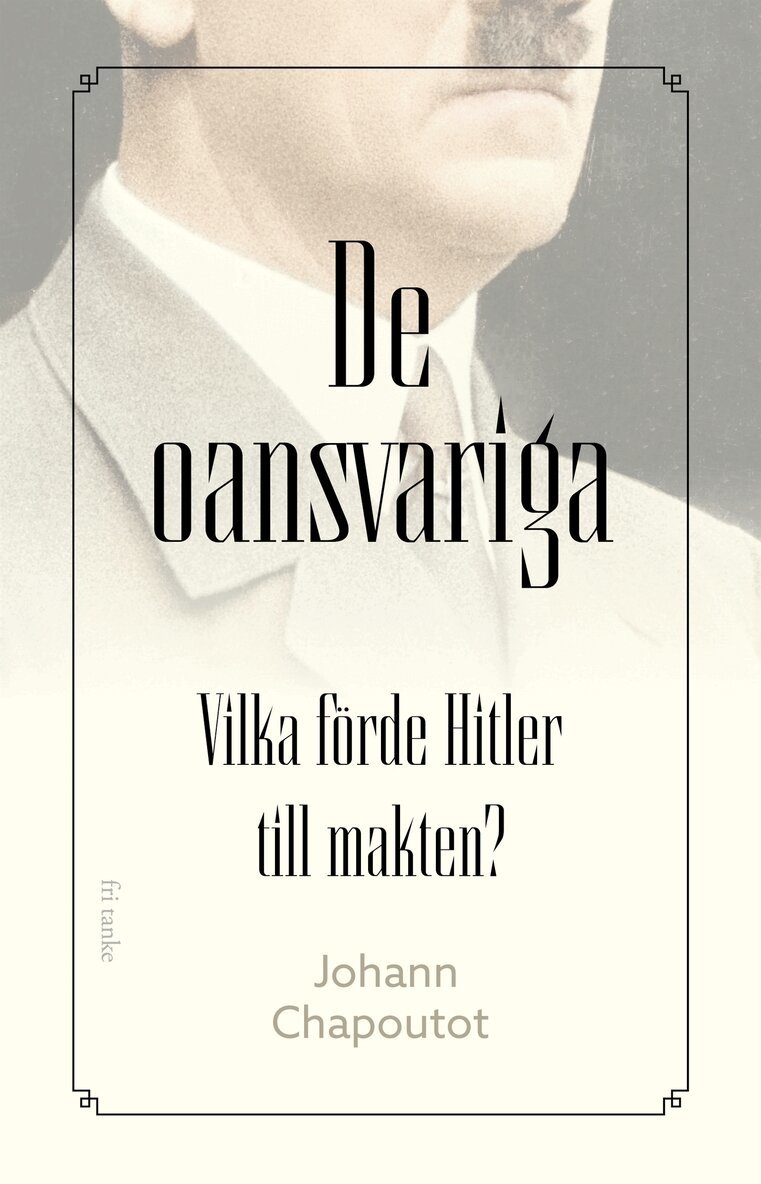
De oansvariga : vilka förde Hitler till makten?
Inbunden, 2026
3,7 utav 5 stjärnor. Totalt antal röster: (3)
302 kr
Lägg i varukorg
Ett politiskt etablissemang av liberalkonservativa partier förlorar gradvis väljarnas förtroende. Val efter val krymper deras stöd, men deras företrädare fortsätter att betrakta sig som de enda ansvarstagande krafterna i politiken. De är övertygade om att deras reformpolitik är nödvändig, att …
Irresponsables
¿Quién llevó a Hitler al poder?
E-bok, 2026
171 kr
Lägg i varukorg
Ellos no sabían lo que podía suceder.Nosotros sí.Una advertencia urgente sobre los peligros que acechan a nuestras democracias.Lejos de ser un desenlace inevitable, el ascenso de Hitler al poder fue el resultado de las acciones conscientes de unas élites políticas, económicas y militares que, …
Law of Blood
Thinking and Acting as a Nazi
Inbunden, 2018
315 kr
Lägg i varukorg
Winner of the Yad Vashem International Book Prize for Holocaust ResearchThe scale and the depth of Nazi brutality seem to defy understanding. What could drive people to fight, kill, and destroy with such ruthless ambition? Observers and historians have offered countless explanations since the …
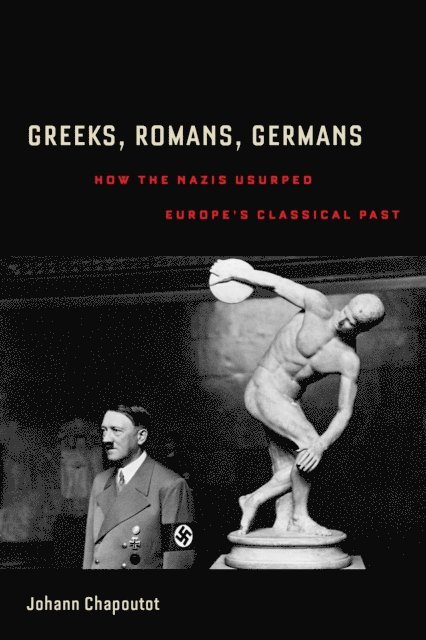
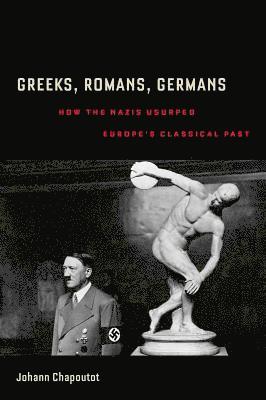
Greeks, Romans, Germans
How the Nazis Usurped Europe''s Classical Past
E-bok, 2016
437 kr
Lägg i varukorg
Much has been written about the conditions that made possible Hitler's rise and the Nazi takeover of Germany, but when we tell the story of the National Socialist Party, should we not also speak of Julius Caesar and Pericles? Greeks, Romans, Germans argues that to fully understand the racist, …
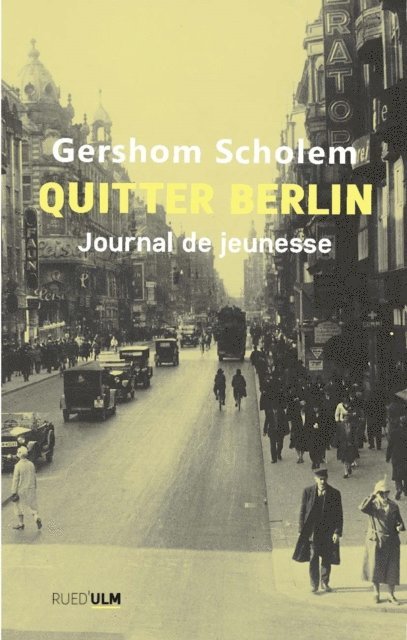
Quitter Berlin
Journal de jeunesse
Av Giulio Busi, Sonia Goldblum m. fl.
E-bok, 2025
396 kr
Lägg i varukorg
Adolescent, Scholem redécouvre ses racines, apprend la langue hébraïque, étudie le Talmud, les mathématiques et la philosophie, fréquente Martin Buber et les milieux Ostjuden, fait la rencontre déterminante de Walter Benjamin et réfléchit sur le sionisme. Écrit dans une langue fiévreuse, …
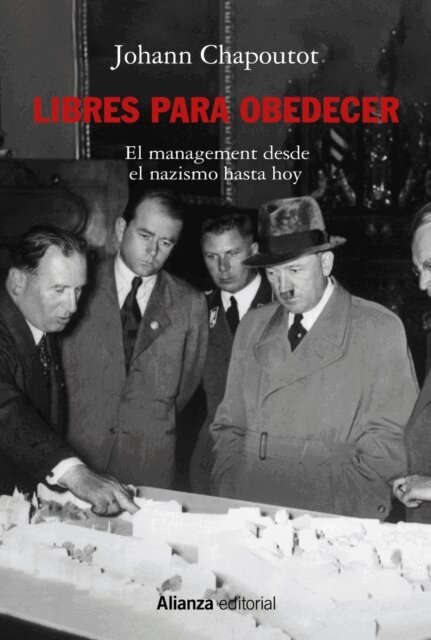
Libres para obedecer
El management. Desde el nazismo hasta hoy
E-bok, 2022
140 kr
Lägg i varukorg
¿Existe alguna relación entre la gestión de una empresa actual y la organización del trabajo en la Alemania nazi?Reinhard Höhn es el arquetipo del tecnócrata al servicio del Tercer Reich. Como jurista, apasionado de la historia militar, se distinguió por sus reflexiones sobre las relaciones entre …
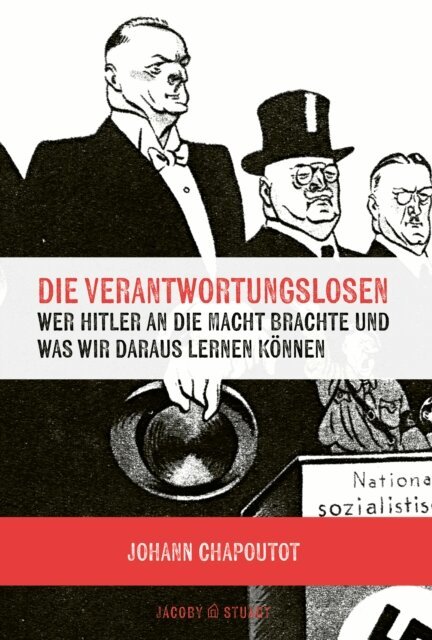
Die Verantwortungslosen
Wer Hitler an die Macht brachte und was wir daraus lernen können
E-bok, 2026
230 kr
Lägg i varukorg
Der renommierte Historiker und Sorbonne-Professor Johann Chapoutot seziert in diesem eindrucksvollen Werk die letzten Jahre der Weimarer Republik: Wie eine konservative Elite, getragen von Wirtschaftsinteressen, Medienmacht und antidemokratischer Haltung, den Nationalsozialisten den Weg bereitete – …
Greeks, Romans, Germans
How the Nazis Usurped Europe’s Classical Past
Inbunden, 2016
844 kr
Lägg i varukorg
Much has been written about the conditions that made possible Hitler's rise and the Nazi takeover of Germany, but when we tell the story of the National Socialist Party, should we not also speak of Julius Caesar and Pericles? Greeks, Romans, Germans argues that to fully understand the racist, …
Greeks, Romans, Germans
How the Nazis Usurped Europe's Classical Past
Häftad, 2016
271 kr
Lägg i varukorg
Much has been written about the conditions that made possible Hitler's rise and the Nazi takeover of Germany, but when we tell the story of the National Socialist Party, should we not also speak of Julius Caesar and Pericles? Greeks, Romans, Germans argues that to fully understand the racist, …
Gehorsam macht frei
Eine kurze Geschichte des Managements – von Hitler bis heute
E-bok, 2021
215 kr
Lägg i varukorg
Über 600 000 Führungskader – von BMW über Aldi bis Thyssen-Krupp – durchliefen die Akademie für Führungskräfte, die der fanatische NS-Jurist Reinhard Höhn 1956 in Bad Harzburg begründete und über Jahrzehnte hinweg leitete. Höhns beispielhafter Aufstieg zum Marketing-Guru wirft die beunruhigende …
La ley de la sangre
Pensar y actuar como un nazi
E-bok, 2021
105 kr
Lägg i varukorg
Nunca se había visto en la Historia un tipo de violencia como la desencadenada por los nazis, tanto en Alemania como fuera de su país, tras su llegada al poder en 1933: ¿Cómo una sociedad, culta, patria de filósofos, músicos, premios Nobel..., se vio atraída y secundó tal régimen del horror? Hay …
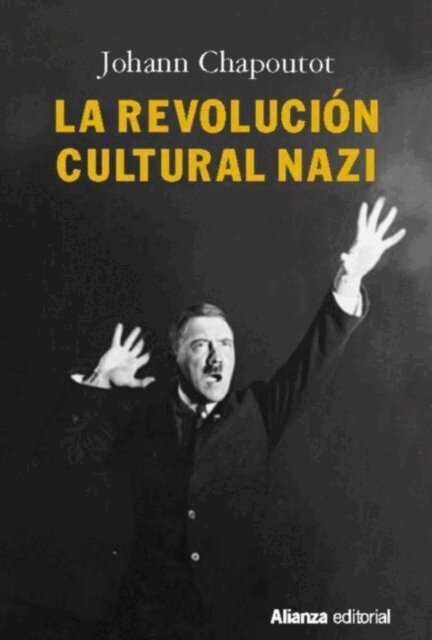
La revolución cultural nazi
E-bok, 2018
145 kr
Lägg i varukorg
La «cultura» era en un principio para el nacional socialismo la simple transcripción de la naturaleza: reverenciar a los árboles y a los ríos, reproducirse, alimentarse, pelear como los demás animales, defender únicamente la propia horda... La desnaturalización se produjo cuando los semitas se …
De oansvariga: Vilka förde Hitler till makten?
E-bok, 2026
169 kr
Lägg i varukorg
Ett politiskt etablissemang av liberalkonservativa partier förlorar gradvis väljarnas förtroende. Val efter val krymper deras stöd, men deras företrädare fortsätter att betrakta sig som de enda ansvarstagande krafterna i politiken. De är övertygade om att deras reformpolitik är nödvändig, att …
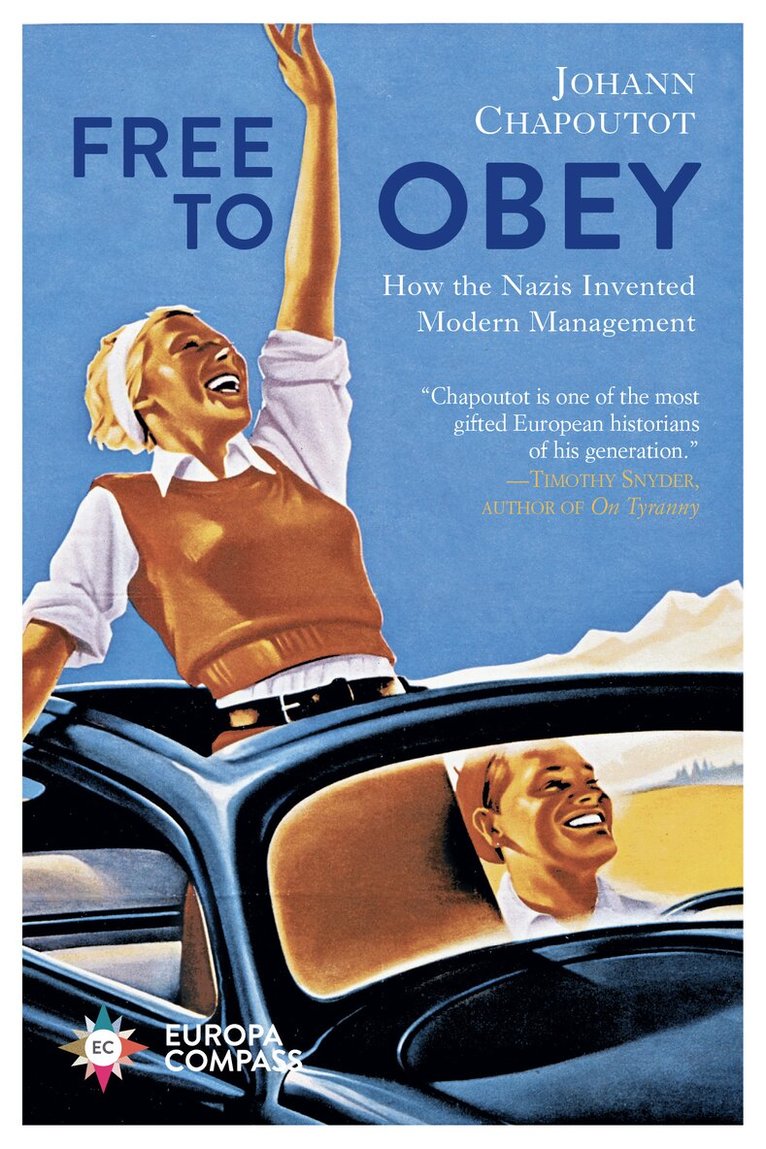
Free to Obey
How the Nazis Invented Modern Management
Häftad, 2023
163 kr
Tillfälligt slut
What if the rules of modern management were written during the Third Reich?SS Commander Reinhard Höhn was one of Nazi Germany’s most brilliant legal minds, an archetype of the fervid technocrats that built the Third Reich. Gone into hiding after 1945, he survived unscathed and re-emerged in the …