Johanna Fernández - Böcker
Visar alla böcker från författaren Johanna Fernández. Handla med fri frakt och snabb leverans.
4 produkter
4 produkter
462 kr
Skickas inom 3-6 vardagar
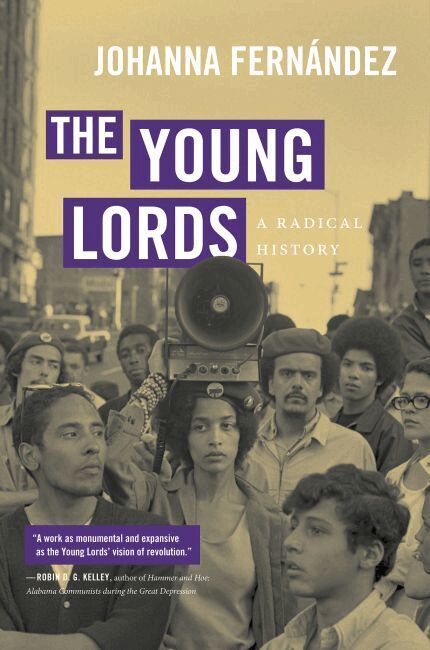
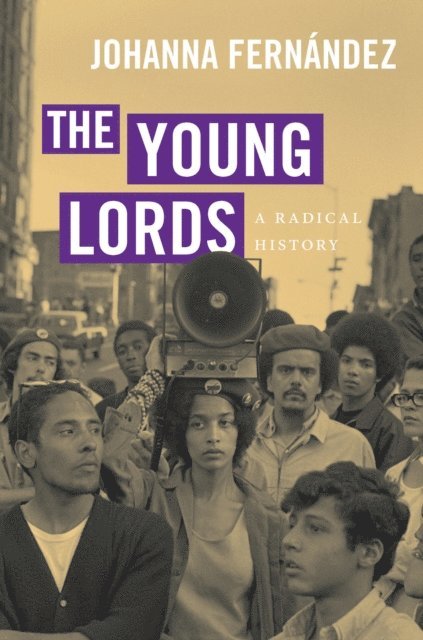
Against the backdrop of America's escalating urban rebellions in the 1960s, an unexpected cohort of New York radicals unleashed a series of urban guerrilla actions against the city's racist policies and contempt for the poor. Their dramatic flair, uncompromising vision, and skillful ability to link local problems to international crises riveted the media, alarmed New York's political class, and challenged nationwide perceptions of civil rights and black power protest. The group called itself the Young Lords.Utilizing oral histories, archival records, and an enormous cache of police records released only after a decade-long Freedom of Information Law request and subsequent court battle, Johanna Fernandez has written the definitive account of the Young Lords, from their roots as a street gang to their rise and fall as a political organization. Led predominantly by poor and working-class Puerto Rican youth, and consciously fashioned after the Black Panther Party, the Young Lords confronted race and class inequality and questioned American foreign policy. Their imaginative, irreverent protests and media conscious tactics won significant reforms and exposed U.S. mainland audiences to the country's quiet imperial project in Puerto Rico. In riveting style, Fernandez demonstrates how the Young Lords redefined the character of protest, the color of politics, and the cadence of popular urban culture in the age of great dreams.
224 kr
Skickas inom 5-8 vardagar
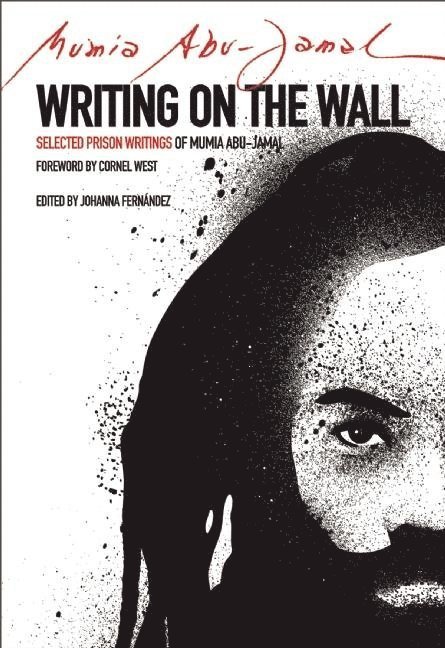
"Revolutionary love, revolutionary memory and revolutionary analysis are at work in every page written by Mumia Abu-Jamal ...His writings are a wake-up call. He is a voice from our prophetic tradition, speaking to us here, now, lovingly, urgently. Black man, old-school jazz man, freedom fighter, revolutionary--his presence, his voice, his words are the writing on the wall."--Cornel West, from the foreword From the first slave writings to contemporary hip hop, the canon of African American literature offers a powerful counter-narrative to dominant notions of American culture, history and politics. Resonant with voices of prophecy and resistance, the African American literary tradition runs deep with emancipatory currents that have had an indelible impact on the United States and the world. Mumia Abu-Jamal has been one of our most important contributors to this canon for decades, writing from the confines of the U.S. prison system to give voice to those most silenced by chronic racism, impoverishment and injustice.Writing on the Wall is a selection of more than 100 previously unpublished essays that deliver Mumia Abu-Jamal's essential perspectives on community, politics, power, and the possibilities of social change in the United States. From Rosa Parks to Edward Snowden, from the Trail of Tears to Ferguson, Missouri, Abu-Jamal addresses a sweeping range of contemporary and historical issues. Written mostly during his years of solitary confinement on Death Row, these essays are a testament to Abu-Jamal's often prescient insight, and his revolutionary perspective brims with hope, encouragement and profound faith in the possibility of redemption. "Greatness meets us in this book, and not just in Mumia's personal courage and character. It's in the writing. This is art with political power, challenging institutional injustice in the U.S. while catalyzing our understanding, memory and solidarities for liberation and love. Writing on the Wall can set the nation aflame--yes, for creating new possible worlds."--Mark Lewis Taylor, Professor of Theology and Culture, Princeton Theological Seminary Mumia Abu-Jamal is an award-winning journalist and author of two best-selling books, Live From Death Row and Death Blossoms. Johanna Fernandez is a Fulbright Scholar and Professor of History at Baruch College in New York City. Cornel West is a scholar, philosopher, activist and author of over a dozen books including his bestseller, Race Matters. He appears frequently in the media, and has appeared on Real Time with Bill Maher, The Colbert Report, CNN and C-Span as well as Tavis Smiley.
1 574 kr
Kommande
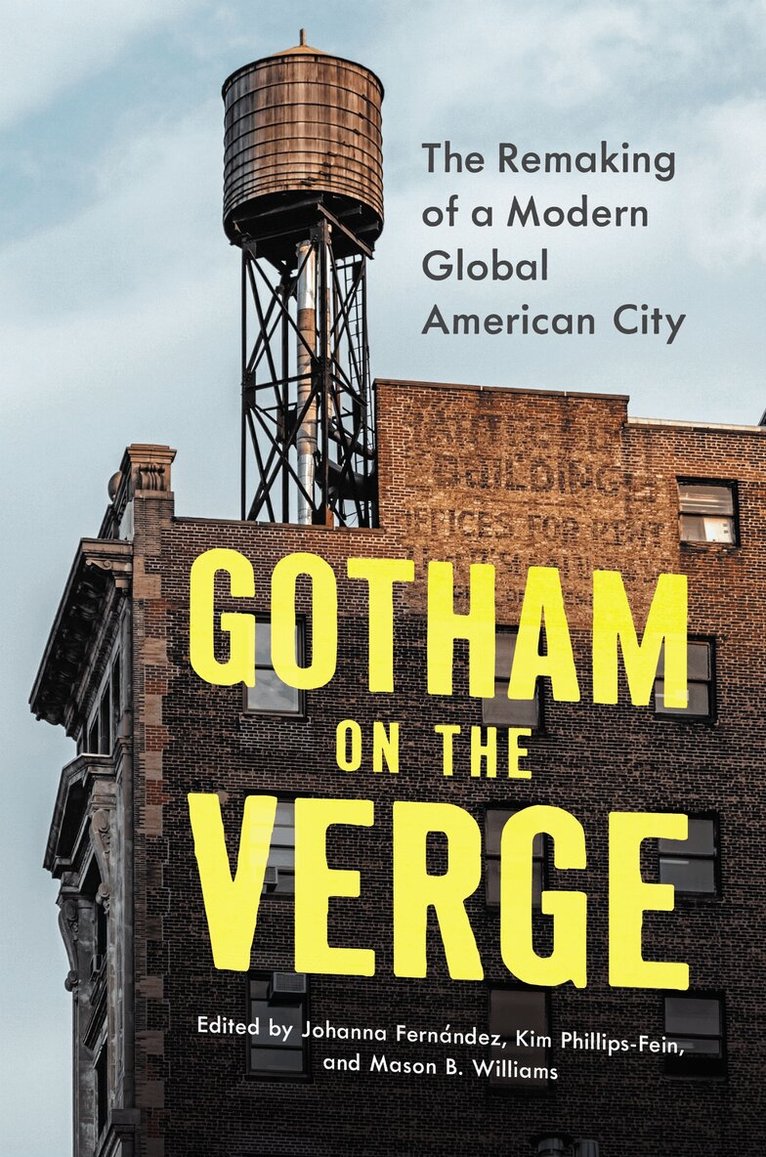
Post-1960s New York City is often imagined as exceptional—too big, too singular, too creative to fit prevailing trajectories of American history. Gotham on the Verge challenges that mythology. In seventeen essays, leading and emerging historians show late-twentieth-century New York not as an outlier but as a crucible for the forces that reshaped the nation. Covering the 1970s through the early 2000s, this volume examines the rise and consequences of post-industrialization, neoliberalism, and financialization during a transformative era in the city’s history. The essays explore deindustrialization, the rise of finance and real estate, the city’s response to the AIDS epidemic, police violence, labor organizing among new immigrants, and the birth of hip hop and experimental art. Writing from the street level up, the contributors center ordinary New Yorkers: residents who challenged stigmatizing media portrayals, Black women who organized against police brutality, and immigrant workers who built coalitions for fair wages. Neither a story of collapse nor comeback, this book traces a city on the verge—revealing how crisis, growth, diversity, and inequality converged to forge modern New York and America. Contributors are Bench Ansfield, Minju Bae, Andy Battle, Salonee Bhaman, Amanda T. Boston, Jim Downs, Ansley T. Erickson, Michael Glass, Dylan Gottlieb, LaShawn Harris, Benjamin Holtzman, Nick Juravich, Lauren Lefty, Sarah Miller, Brian Purnell, Pedro A. Regalado, and Alex S. Vitale.
597 kr
Kommande
Post-1960s New York City is often imagined as exceptional—too big, too singular, too creative to fit prevailing trajectories of American history. Gotham on the Verge challenges that mythology. In seventeen essays, leading and emerging historians show late-twentieth-century New York not as an outlier but as a crucible for the forces that reshaped the nation. Covering the 1970s through the early 2000s, this volume examines the rise and consequences of post-industrialization, neoliberalism, and financialization during a transformative era in the city’s history. The essays explore deindustrialization, the rise of finance and real estate, the city’s response to the AIDS epidemic, police violence, labor organizing among new immigrants, and the birth of hip hop and experimental art. Writing from the street level up, the contributors center ordinary New Yorkers: residents who challenged stigmatizing media portrayals, Black women who organized against police brutality, and immigrant workers who built coalitions for fair wages. Neither a story of collapse nor comeback, this book traces a city on the verge—revealing how crisis, growth, diversity, and inequality converged to forge modern New York and America. Contributors are Bench Ansfield, Minju Bae, Andy Battle, Salonee Bhaman, Amanda T. Boston, Jim Downs, Ansley T. Erickson, Michael Glass, Dylan Gottlieb, LaShawn Harris, Benjamin Holtzman, Nick Juravich, Lauren Lefty, Sarah Miller, Brian Purnell, Pedro A. Regalado, and Alex S. Vitale.