John C. Poirier – författare
Visar alla böcker från författaren John C. Poirier. Handla med fri frakt och snabb leverans.
8 produkter
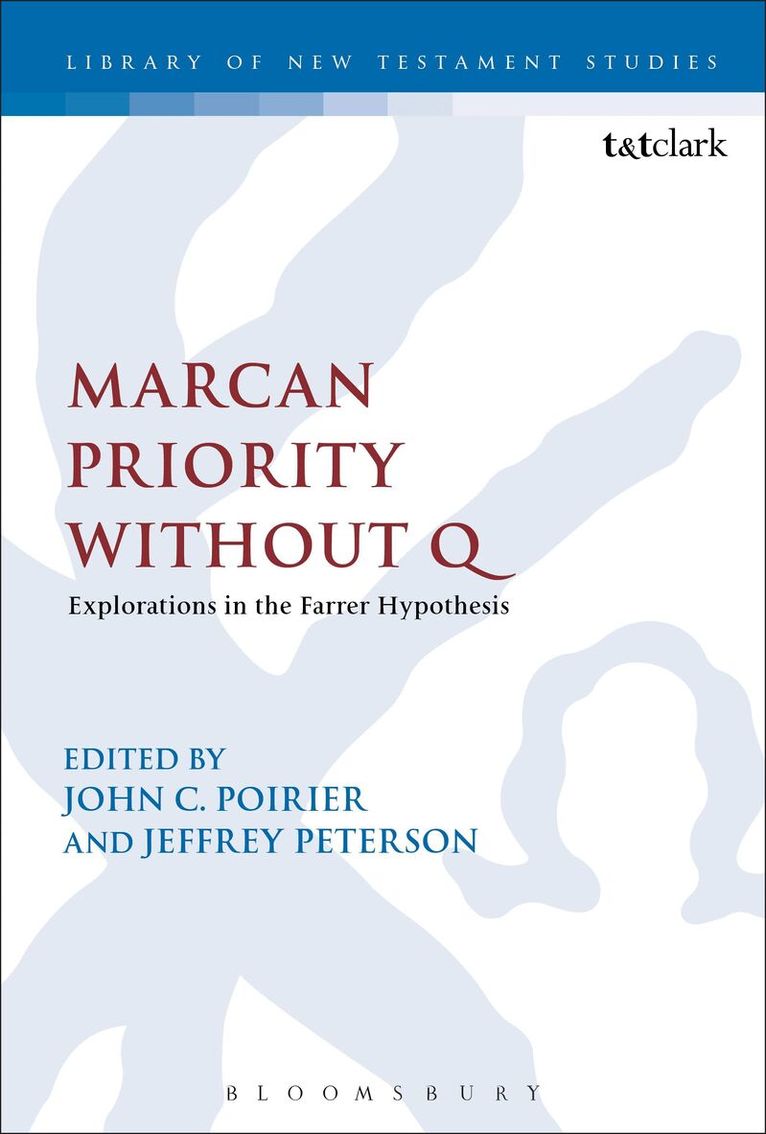
Marcan Priority Without Q
Explorations in the Farrer Hypothesis
Av John C. Poirier, Jeffrey Peterson
Inbunden, 2015
1979 kr
Lägg i varukorg
This book discusses the composition of the synoptic gospels from the perspective of the Farrer hypothesis, a view that posits that Mark was written first, that Matthew used Mark as a source, and that Luke used both Mark and Matthew. All of the articles in the volume are written in support of the …
Marcan Priority Without Q
Explorations in the Farrer Hypothesis
Av John C. Poirier, Jeffrey Peterson
E-bok, 2015
608 kr
Lägg i varukorg
This book discusses the composition of the synoptic gospels from the perspective of the Farrer hypothesis, a view that posits that Mark was written first, that Matthew used Mark as a source, and that Luke used both Mark and Matthew. All of the articles in the volume are written in support of the …
Marcan Priority Without Q
Explorations in the Farrer Hypothesis
Av John C. Poirier, Jeffrey Peterson
Häftad, 2016
556 kr
Lägg i varukorg
This book discusses the composition of the synoptic gospels from the perspective of the Farrer hypothesis, a view that posits that Mark was written first, that Matthew used Mark as a source, and that Luke used both Mark and Matthew. All of the articles in the volume are written in support of the …
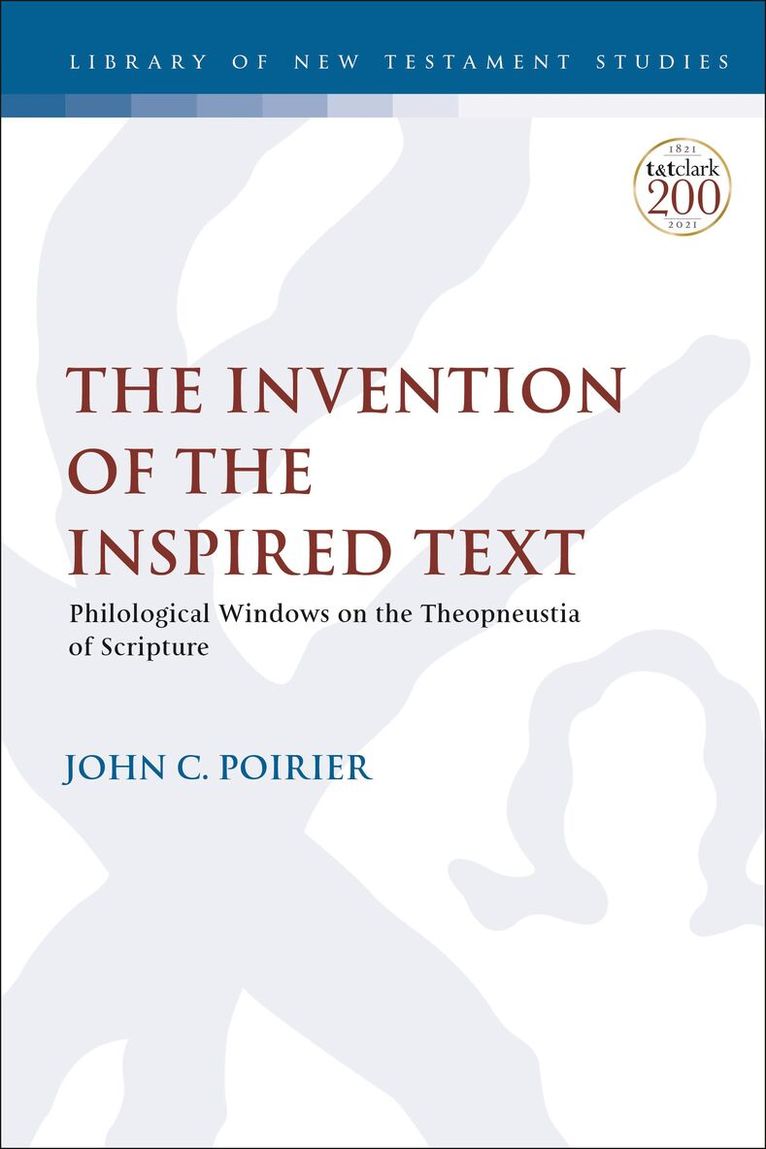
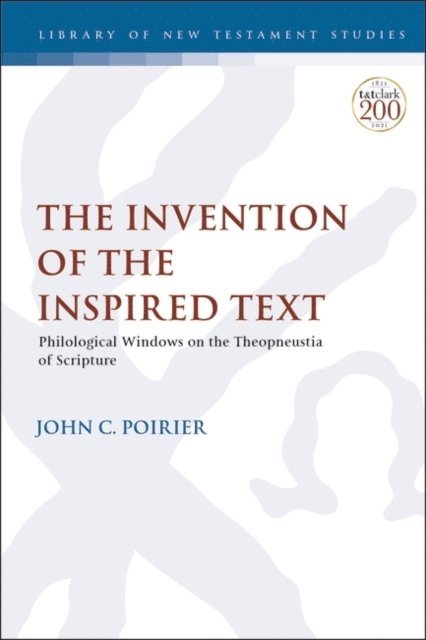
Invention of the Inspired Text
Philological Windows on the Theopneustia of Scripture
Av John C. Poirier, Chris Keith
Inbunden, 2021
1415 kr
Lägg i varukorg
John C. Poirier examines the “theopneustic” nature of the Scripture, as a response to the view that “inspiration” lies at the heart of most contemporary Christian theology. In contrast to the traditional rendering of the Greek word theopneustos as “God-inspired” in 2 Tim 3:16, Poirier argues that a …
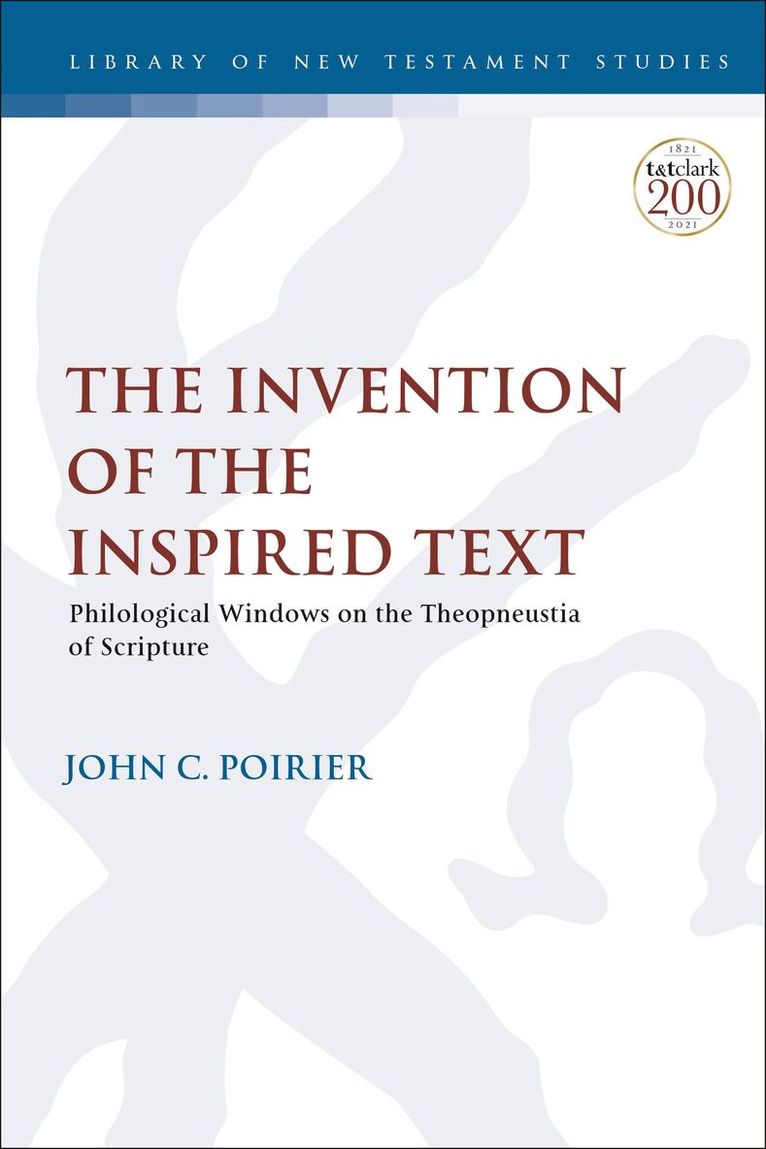
Invention of the Inspired Text
Philological Windows on the Theopneustia of Scripture
E-bok, 2021
499 kr
Lägg i varukorg
John C. Poirier examines the “theopneustic” nature of the Scripture, as a response to the view that “inspiration” lies at the heart of most contemporary Christian theology. In contrast to the traditional rendering of the Greek word theopneustos as “God-inspired” in 2 Tim 3:16, Poirier argues that a …
Invention of the Inspired Text
Philological Windows on the Theopneustia of Scripture
E-bok, 2021
499 kr
Lägg i varukorg
John C. Poirier examines the “theopneustic” nature of the Scripture, as a response to the view that “inspiration” lies at the heart of most contemporary Christian theology. In contrast to the traditional rendering of the Greek word theopneustos as “God-inspired” in 2 Tim 3:16, Poirier argues that a …
Invention of the Inspired Text
Philological Windows on the Theopneustia of Scripture
Av John C. Poirier, Chris Keith
Häftad, 2022
458 kr
Lägg i varukorg
John C. Poirier examines the “theopneustic” nature of the Scripture, as a response to the view that “inspiration” lies at the heart of most contemporary Christian theology. In contrast to the traditional rendering of the Greek word theopneustos as “God-inspired” in 2 Tim 3:16, Poirier argues that a …
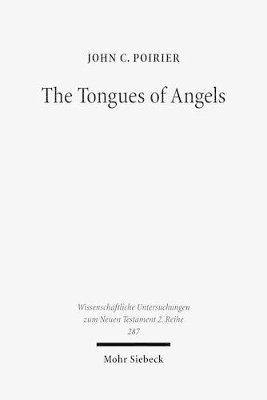
The Tongues of Angels
The Concept of Angelic Languages in Classical Jewish and Christian Texts
Häftad, 2010
1186 kr
Tillfälligt slut
Der Bezug des Apostels Paulus auf die "Engelszungen" (1. Kor. 13,1) hat schon immer eine gewisse Neugier geweckt, selten war er jedoch Gegenstand einer traditionsgeschichtlichen Untersuchung. Wenige Leser von Paulus' Texten sind sich der vielfältigen Bezugnahmen und Anspielungen zu Engelssprachen …