John C. Rodrigue - Böcker
Visar alla böcker från författaren John C. Rodrigue. Handla med fri frakt och snabb leverans.
6 produkter
6 produkter
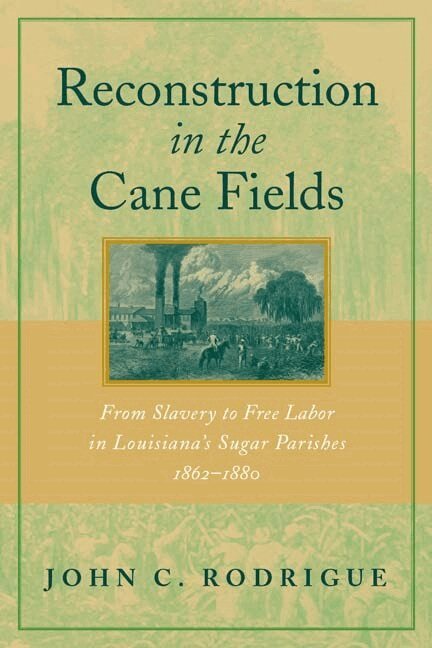
Reconstruction in the Cane Fields
From Slavery to Free Labor in Louisiana's Sugar Parishes, 1862-1880
Häftad, Engelska, 2001
295 kr
Skickas inom 10-15 vardagar
In Reconstruction in the Cane Fields, John C. Rodrigue examines emancipation and the difficult transition from slavery to free labor in one enclave of the South -- the cane sugar region of southern Louisiana. In contrast to the various forms of sharecropping and tenancy that replaced slavery in the cotton South, wage labor dominated the sugar industry. Rodrigue demonstrates that the special geographical and environmental requirements of sugar production in Louisiana shaped the new labor arrangements. Ultimately, he argues, the particular demands of Louisiana sugar production accorded freedmen formidable bargaining power in the contest with planters over free labor.Rodrigue addresses many issues pivotal to all post-emancipation societies: How would labor be reorganized following slavery's demise? Who would wield decision-making power on the plantation? How were former slaves to secure the fruits of their own labor? He finds that while freedmen's working and living conditions in the postbellum sugar industry resembled the prewar status quo, they did not reflect a continuation of the powerlessness of slavery. Instead, freedmen converted their skills and knowledge of sugar production, their awareness of how easily they could disrupt the sugar plantation routine, and their political empowerment during Radical Reconstruction into leverage that they used in disputes with planters over wages, hours, and labor conditions. Thus, sugar planters, far from being omnipotent overlords who dictated terms to workers, were forced to adjust to an emerging labor market as well as to black political power.The labor arrangements particular to postbellum sugar plantations not only propelled the freedmen's political mobilization during Radical Reconstruction, Rodrigue shows, but also helped to sustain black political power -- at least for a few years -- beyond Reconstruction's demise in 1877.By showing that freedmen, under the proper circumstances, were willing to consent to wage labor and to work routines that strongly resembled those of slavery, Reconstruction in the Cane Fields offers a profound interpretation of how former slaves defined freedom in slavery's immediate aftermath. It will prove essential reading for all students of southern, African American, agricultural, and labor history.
210 kr
Skickas inom 7-10 vardagar
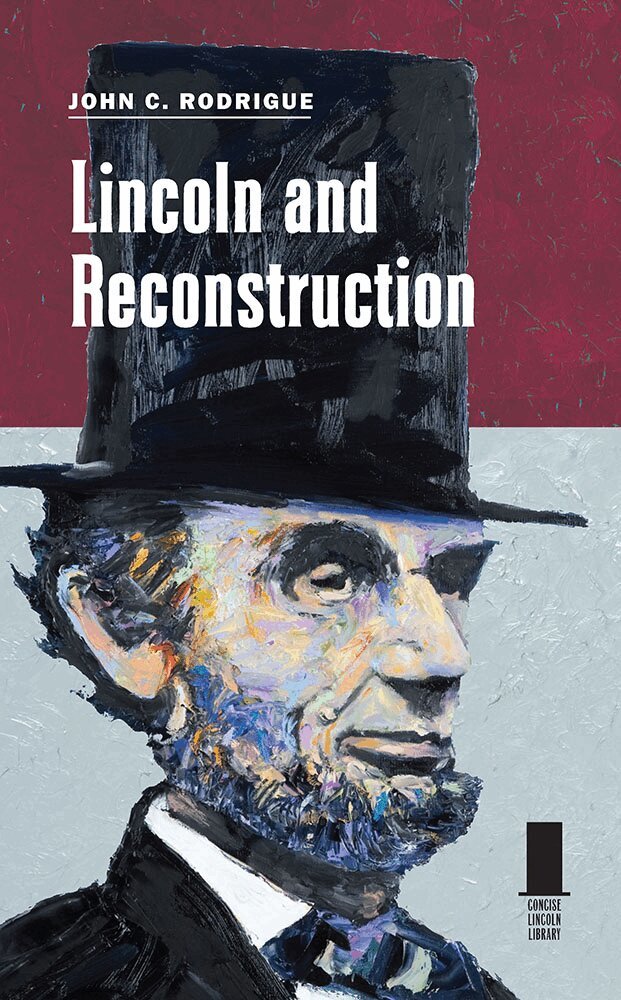
Although Abraham Lincoln dominates the literature on the American Civil War, he remains less commonly associated with reconstruction. Previous scholarly works touch on Lincoln and reconstruction, but they tend either to speculate on what Lincoln might have done after the war had he not been assassinated or to approach his reconstruction plans merely as a means of winning the war. In this thought-provoking study, John C. Rodrigue offers a succinct but significant survey of Lincoln’s wartime reconstruction initiatives while providing a fresh interpretation of the president’s plans for postwar America.Revealing that Lincoln concerned himself with reconstruction from the earliest days of his presidency, Rodrigue details how Lincoln’s initiatives unfolded, especially in the southern states where they were attempted. He explores Lincoln’s approach to various issues relevant to reconstruction, including slavery, race, citizenship, and democracy; his dealings with Congressional Republicans, especially the Radicals; his support for and eventual abandonment of colonization; his dealings with the border states; his handling of the calls for negotiations with the Confederacy as a way of reconstructing the Union; and his move toward emancipation and its implications for his approach to reconstruction. As the Civil War progressed, Rodrigue shows, Lincoln’s definition of reconstruction transformed from the mere restoration of the seceded states to a more fundamental social, economic, and political reordering of southern society and of the Union itself. Based on Lincoln’s own words and writings as well as an extensive array of secondary literature, Rodrigue traces the evolution of Lincoln’s thinking on reconstruction, providing new insight into a downplayed aspect of his presidency.
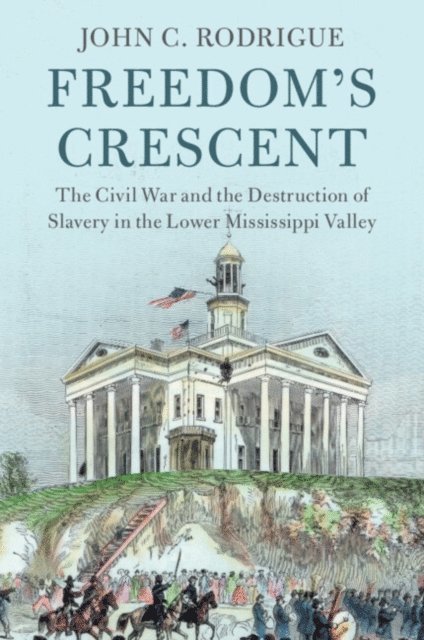
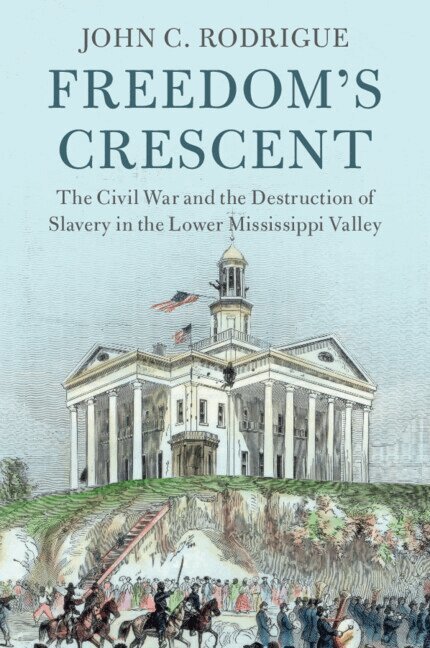
Freedom's Crescent
The Civil War and the Destruction of Slavery in the Lower Mississippi Valley
Inbunden, Engelska, 2023
1 282 kr
Skickas inom 7-10 vardagar
The Lower Mississippi Valley is more than just a distinct geographical region of the United States; it was central to the outcome of the Civil War and the destruction of slavery in the American South. Beginning with Lincoln's 1860 presidential election and concluding with the final ratification of the Thirteenth Amendment in 1865, Freedom's Crescent explores the four states of this region that seceded and joined the Confederacy: Tennessee, Mississippi, Arkansas, and Louisiana. By weaving into a coherent narrative the major military campaigns that enveloped the region, the daily disintegration of slavery in the countryside, and political developments across the four states and in Washington DC, John C. Rodrigue identifies the Lower Mississippi Valley as the epicenter of emancipation in the South. A sweeping examination of one of the war's most important theaters, this book highlights the integral role this region played in transforming United States history.
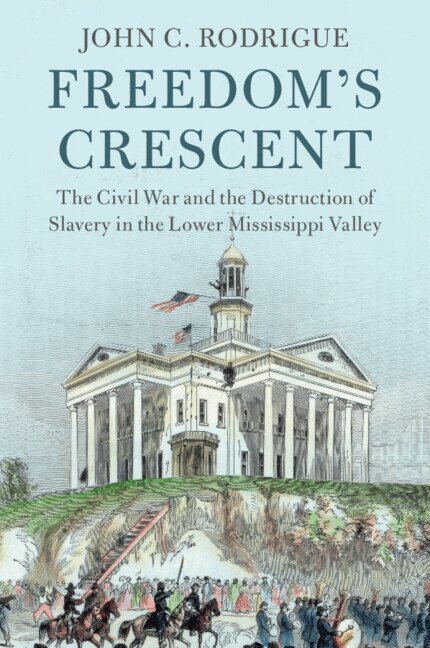
Freedom's Crescent
The Civil War and the Destruction of Slavery in the Lower Mississippi Valley
Häftad, Engelska, 2023
370 kr
Skickas inom 7-10 vardagar
The Lower Mississippi Valley is more than just a distinct geographical region of the United States; it was central to the outcome of the Civil War and the destruction of slavery in the American South. Beginning with Lincoln's 1860 presidential election and concluding with the final ratification of the Thirteenth Amendment in 1865, Freedom's Crescent explores the four states of this region that seceded and joined the Confederacy: Tennessee, Mississippi, Arkansas, and Louisiana. By weaving into a coherent narrative the major military campaigns that enveloped the region, the daily disintegration of slavery in the countryside, and political developments across the four states and in Washington DC, John C. Rodrigue identifies the Lower Mississippi Valley as the epicenter of emancipation in the South. A sweeping examination of one of the war's most important theaters, this book highlights the integral role this region played in transforming United States history.
468 kr
Skickas inom 7-10 vardagar
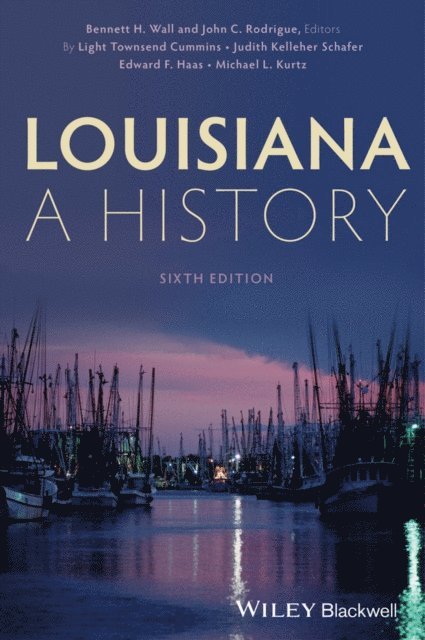
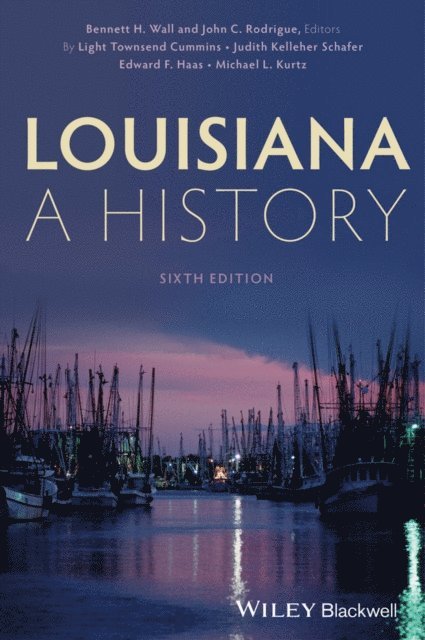
Covering the lively, even raucous, history of Louisiana from before First Contact through the Elections of 2012, this sixth edition of the classic Louisiana history survey provides an engaging and comprehensive narrative of what is arguably America’s most colorful state. Since the appearance of the first edition of this classic text in 1984, Louisiana: A History has remained the best-loved and most highly regarded college-level survey of Louisiana on the marketCompiled by some of the foremost experts in the field of Louisiana history who combine their own research with recent historical discoveriesIncludes complete coverage of the most recent events in political and environmental history, including the continued aftermath of Katrina and the 2010 BP oil spillConsiders the interrelationship between Louisiana history and that of the American South and the nation as a wholeWritten in an engaging and accessible style complemented by more than a hundred photographs and maps
Freedom: a Documentary History of Emancipation, 1861-1867
Series 3, Volume 1: Land and Labor, 1865
Häftad, Engelska, 2017
843 kr
Skickas inom 10-15 vardagar
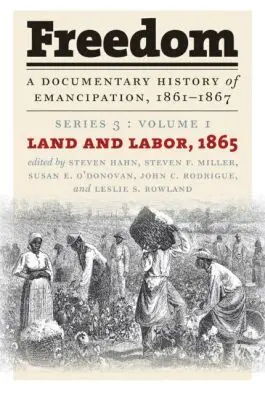
Land and Labor, 1865 examines the transition from slavery to free labor during the tumultuous first months after the Civil War. Letters and testimony by the participants-former slaves, former slaveholders, Freedmen's Bureau agents, and others-reveal the connection between developments in workplaces across the South and an intensifying political contest over the meaning of freedom and the terms of national reunification. Essays by the editors place the documents in interpretive context and illuminate the major themes. In the tense and often violent aftermath of emancipation, former slaves seeking to ground their liberty in economic independence came into conflict with former owners determined to keep them dependent and subordinate. Overseeing that conflict were northern officials with their own notions of freedom, labor, and social order. This volume of Freedom depicts the dramatic events that ensued-the eradication of bondage and the contest over restoring land to ex-Confederates; the introduction of labor contracts and the day-to-day struggles that engulfed the region's plantations, farms, and other workplaces; the achievements of those freedpeople who attained a measure of independence; and rumors of a year-end insurrection in which ex-slaves would seize the land they had been denied and exact revenge for past oppression.