John E. Ross – författare
Visar alla böcker från författaren John E. Ross. Handla med fri frakt och snabb leverans.
6 produkter
6 produkter
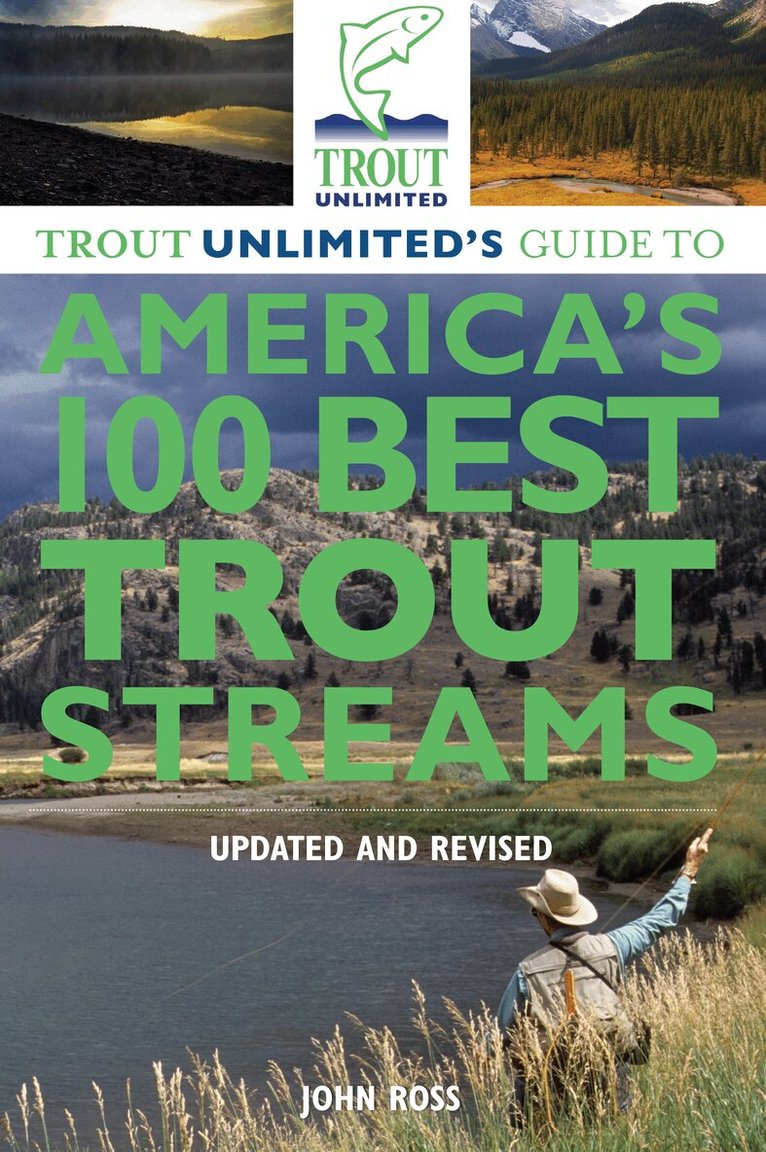
Trout Unlimited's Guide to America's 100 Best Trout Streams, Updated and Revised
Häftad, Engelska, 2013
433 kr
Skickas inom 3-6 vardagar
A survey of the best trout-fishing rivers and streams in the country as chosen by members of Trout Unlimited, with listings for species, hatches, flies and lures, and when to fish. Each profile contains information and maps that boost angler success. Profiles present, as well, the environmental challenges facing each stream and the role that TU and others play in protecting the fishery. Extensive interviews with anglers for whom each stream is "home water," add depth to personal observations formed when award-winning writer and angler, John Ross, fished many of these streams himself.
318 kr
Skickas inom 5-8 vardagar
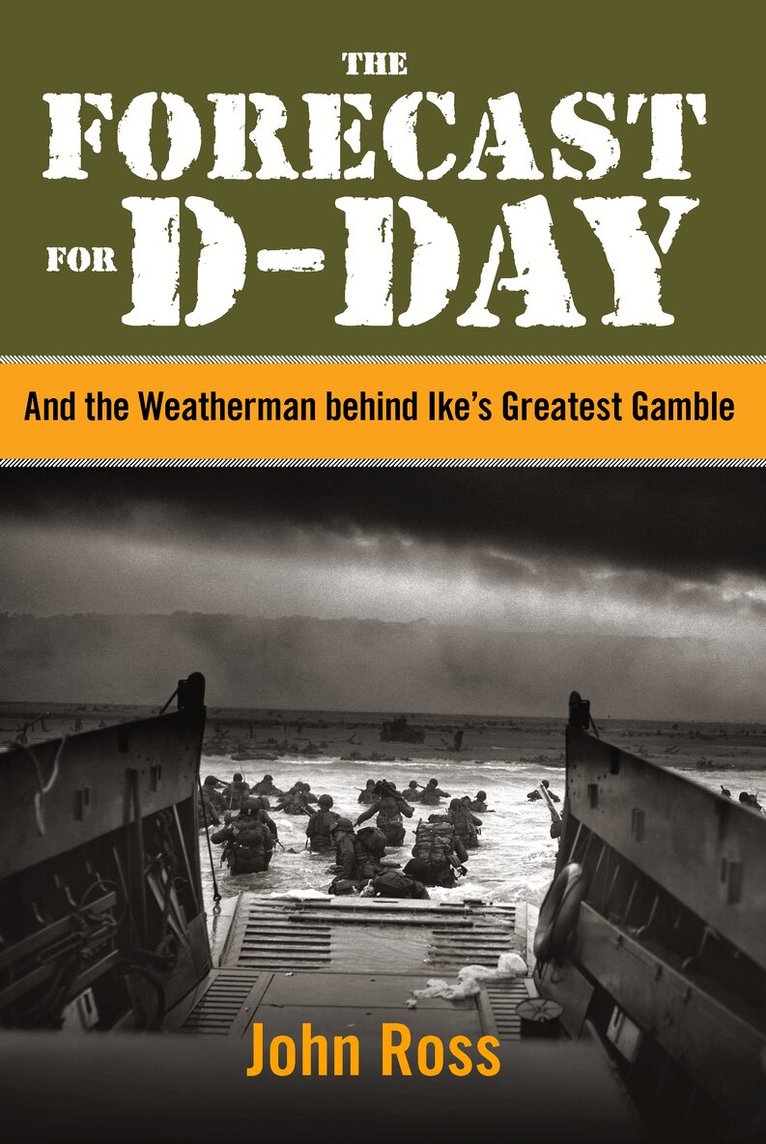
The weather story of D-Day in which the invasion's success hinged on the correct gauge of the weather for the crossing of the British Channel; the story of the man Eisenhower trusted with choosing the best day to invade, despite contrary opionions from more senior weather experts.
302 kr
Skickas inom 5-8 vardagar
Monday, June 5, had long been planned for launching D-day, the start of the campaign to liberate Nazi-held Western Europe. Yet the fine weather leading up to the greatest invasion the world would ever see was deteriorating rapidly. Would it hold long enough for the bombers, the massed armada, and the soldiers to secure beachheads in Normandy? That was the question, and it was up to Ike’s chief meteorologist, James Martin Stagg, to give him the answer. On the night of June 4, the weather hung on a knife’s edge. The three weather bureaus advising Stagg—the US Army Air Force, the Royal Navy, and the British Met Office—each provided differing forecasts. Worse, leading meteorologists in the USAAF and Met Office argued stormily. Stagg had only one chance to get it right. Were he wrong, thousands of men would perish, secrecy about when and where the Allies would land would be lost, victory in Europe would be delayed for a year, and the Communists might well take control of the continent.
269 kr
Skickas inom 10-15 vardagar
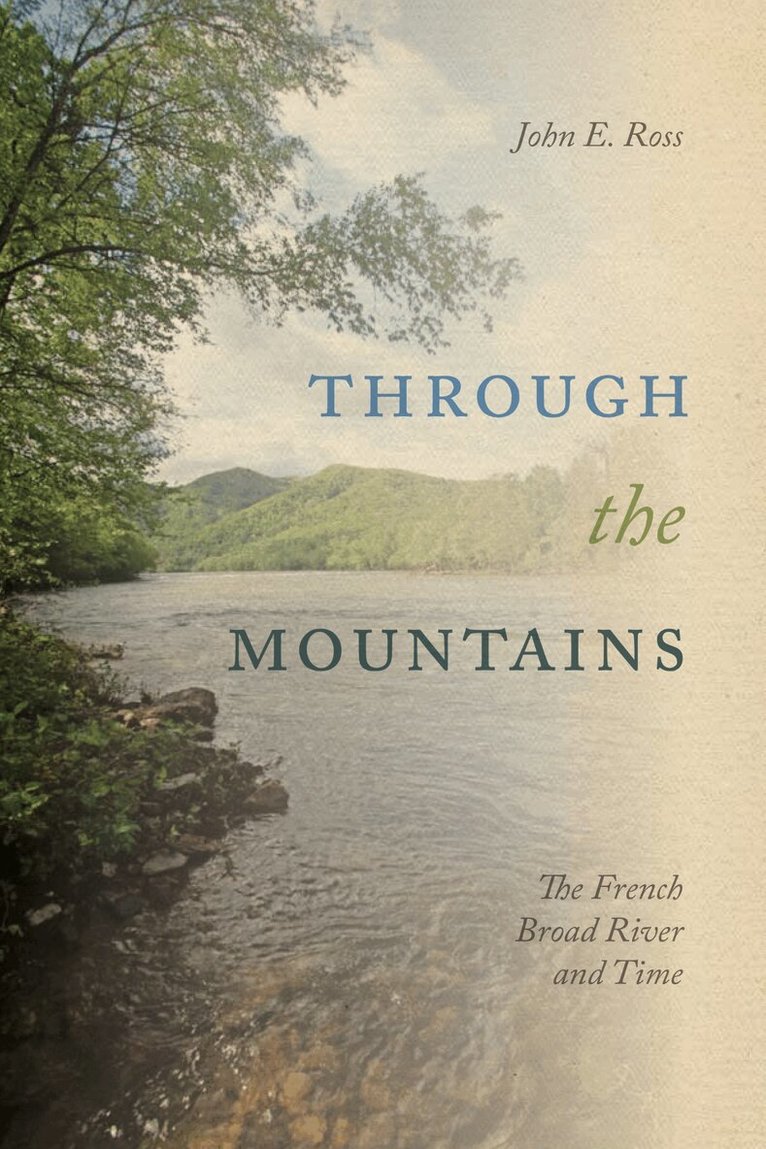
Two generations have passed since the publication of Wilma Dykeman’s landmark environmental history, The French Broad. In Through the Mountains: The French Broad River and Time, John Ross updates that seminal book with groundbreaking new research. More than the story of a single river, Through the Mountains covers the entire watershed from its headwaters in North Carolina’s Blue Ridge and the Great Smoky Mountains to its mouth in Knoxville, Tennessee.The French Broad watershed has faced new perils and seen new discoveries since 1955, when The French Broad was published. Geologists have learned that the Great Smoky Mountains are not among the world’s oldest as previously thought; climatologists and archaeologists have traced the dramatic effects of global warming and cooling on the flora, fauna, and human habitation in the watershed; and historians have deepened our understanding of enslaved peoples once thought not to be a part of the watershed’s history. Even further, this book documents how the French Broad and its tributaries were abused by industrialists, and how citizens fought to mitigate the pollution.Through the Mountains also takes readers to notable historic places: the hidden mound just inside the gate of Biltmore where Native Americans celebrated the solstices; the once-secret radio telescope site above Rosman where NASA eavesdropped on Russian satellites; and the tiny hamlet of Gatlinburg where Phi Beta Phi opened its school for mountain women in 1912.Wilma Dykeman once asked what the river had meant to the people who lived along it. In the close of Through the Mountains, Ross reframes that question: For 14,000 years the French Broad and its tributaries have nurtured human habitation. What must we start doing now to ensure it will continue to nourish future generations? Answering this question requires a knowledge of the French Broad’s history, an understanding of its contemporary importance, and a concern for the watershed’s sustainable future. Through the Mountains fulfills these three criteria, and, in many ways, presents the larger story of America’s freshwater habitats through the incredible history of the French Broad.
237 kr
Skickas inom 5-8 vardagar
301 kr
Kommande
Winner, North Carolina Society of Historians Award of Excellence Two generations have passed since the publication of Wilma Dykeman’s landmark environmental history, The French Broad. In Through the Mountains: The French Broad River and Time, John Ross updates that seminal book with groundbreaking new research. More than the story of a single river, Through the Mountains covers the entire watershed from its headwaters in North Carolina’s Blue Ridge and the Great Smoky Mountains to its mouth in Knoxville, Tennessee.The French Broad watershed has faced new perils and seen new discoveries since 1955, when The French Broad was published. Geologists have learned that the Great Smoky Mountains are not among the world’s oldest as previously thought; climatologists and archaeologists have traced the dramatic effects of global warming and cooling on the flora, fauna, and human habitation in the watershed; and historians have deepened our understanding of enslaved peoples once thought not to be a part of the watershed’s history. Even further, this book documents how the French Broad and its tributaries were abused by industrialists, and how citizens fought to mitigate the pollution.Through the Mountains also takes readers to notable historic places: the hidden mound just inside the gate of Biltmore where Native Americans celebrated the solstices; the once-secret radio telescope site above Rosman where NASA eavesdropped on Russian satellites; and the tiny hamlet of Gatlinburg where Phi Beta Phi opened its school for mountain women in 1912.Wilma Dykeman once asked what the river had meant to the people who lived along it. In the close of Through the Mountains, Ross reframes that question: For 14,000 years the French Broad and its tributaries have nurtured human habitation. What must we start doing now to ensure it will continue to nourish future generations? Answering this question requires a knowledge of the French Broad’s history, an understanding of its contemporary importance, and a concern for the watershed’s sustainable future. Through the Mountains fulfills these three criteria, and, in many ways, presents the larger story of America’s freshwater habitats through the incredible history of the French Broad.