John Earl - Böcker
Visar alla böcker från författaren John Earl. Handla med fri frakt och snabb leverans.
3 produkter
3 produkter
462 kr
Skickas inom 5-8 vardagar
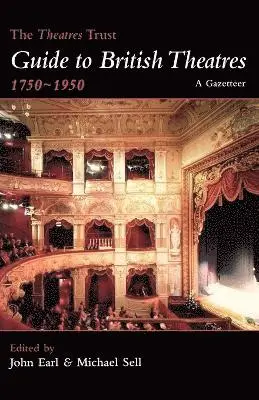
This descriptive gazetter looks, town by town, at all surviving theatres built between 1750 and 1950. It makes assesments of their quality, architecturally and theatrically and also assesses the potential of reopening some disused theatres. In addition to its critical assessment of more than 650 theatres, the guide contains details of hundreds of lost theatres and biographical notes on the principal theatre architects."
108 kr
Skickas inom 10-15 vardagar
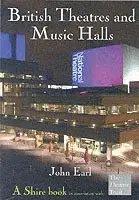
This book was commissioned by The Theatres Trust, the body charged by Acts of Parliament with 'the better protection of theatres'. After decades of destruction, theatres are now recognised as significant records of the societies that produced them and valuable cultural resources for the prsent day. This book outlines the history of theatres and music halls from the late sixteenth century to the present time, noting changing fashions in entertainment and evolving official attitudes to safety that have, at various times, influenced the architectural character of the buildings. Particular attention is given to the thirty-five years before the First World War, when music hall and variety entertainment developed rapidly, accompanied by a masive surge in theatre building. The account is enlivened with illustrations of theatres, their architects and their audiences.
2 150 kr
Skickas inom 10-15 vardagar
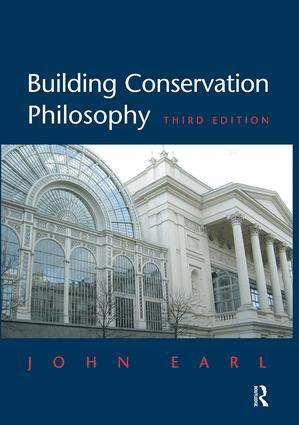
This is a book about ideas rather than techniques. Public thirst for visible evidence of the past is not, as it is often represented, a recent phenomenon. It was already well developed when an overseer of ancient monuments was appointed in sixth-century Rome. But if the desire to preserve aspects of the past is to do more than respond to popular whims and fashions or represent the personal views of ivory-towered scholars and specialists, it needs to have some kind of solid logical basis. Philosophical questions are raised at every turn. On what basis can buildings be singled out as "historic buildings", demanding special protection? On what authority can we justify interfering with private property rights in pursuing such protective processes? And how should we judge what is acceptable and unacceptable in the treatment of the buildings we value? In this third, substantially revised edition, the author examines the nature of monuments and the varied motives for preserving them. He traces the history of movements to preserve old buildings and the furious conflicts that have frequently surrounded restoration campaigns. Philosophical problems arising in modern conservation practice, including such controversial issues as "skin-deep preservation" and the use of substitute materials, are considered in detail. More space is devoted in this edition to contextual issues. New sections deal with issues of sustainability and the relationship of buildings to the townscape and landscape. The number of illustrations has also been greatly increased. The book is designed especially for students approaching the subject for the first time but may well be found stimulating by practitioners. No easy formulae are offered. What conservators, have to nurture, the author insists, is an inquiring and self-critical frame of mind enabling them to proceed from comprehensive knowledge of the buildings for the time being in their care, via logical argument, to defensible, if not inevitable, solutions.