John Frederick Martin – författare
Visar alla böcker från författaren John Frederick Martin. Handla med fri frakt och snabb leverans.
8 produkter
Civil Rights And The Crisis Of Liberalism
The Democratic Party 1945-1976
Inbunden, 2019
2504 kr
Lägg i varukorg
This book is an interpretation of our recent political past. It offers an explanation of the rise and decline of postwar liberalism, a creed that was vitally concerned with civil rights. Partly because of such special concern, liberalism inspired in many a daring vision of social justice and, by …
Civil Rights And The Crisis Of Liberalism
The Democratic Party 1945-1976
Häftad, 2020
689 kr
Lägg i varukorg
Civil Rights and the Crisis of Liberalism: The Democratic Party, 1945-1976 is about ideology and politics. It focuses on the civil rights issue in Democratic party politics from 1945 to 1976 but glances at a longer history to describe American liberalism.
Civil Rights And The Crisis Of Liberalism
The Democratic Party 1945-1976
E-bok, 2019
814 kr
Lägg i varukorg
Civil Rights and the Crisis of Liberalism: The Democratic Party, 1945-1976 is about ideology and politics. It focuses on the civil rights issue in Democratic party politics from 1945 to 1976 but glances at a longer history to describe American liberalism.
Civil Rights And The Crisis Of Liberalism
The Democratic Party 1945-1976
E-bok, 2019
814 kr
Lägg i varukorg
Civil Rights and the Crisis of Liberalism: The Democratic Party, 1945-1976 is about ideology and politics. It focuses on the civil rights issue in Democratic party politics from 1945 to 1976 but glances at a longer history to describe American liberalism.
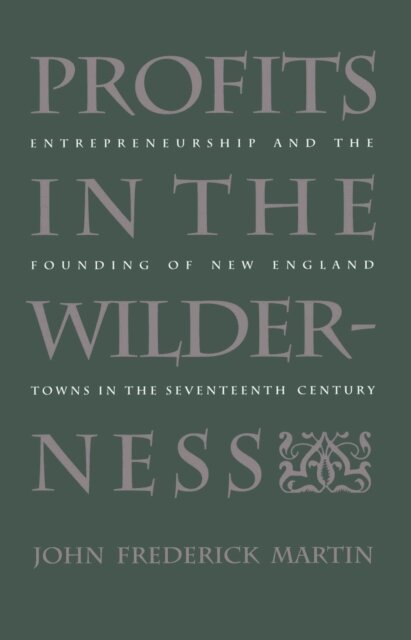
Profits in the Wilderness
Entrepreneurship and the Founding of New England Towns in the Seventeenth Century
Häftad, 1991
587 kr
Lägg i varukorg
In examining the founding of New England towns during the seventeenth century, John Frederick Martin investigates an old subject with fresh insight. Whereas most historians emphasize communalism and absence of commerce in the seventeenth century, Martin demonstrates that colonists sought profits in …
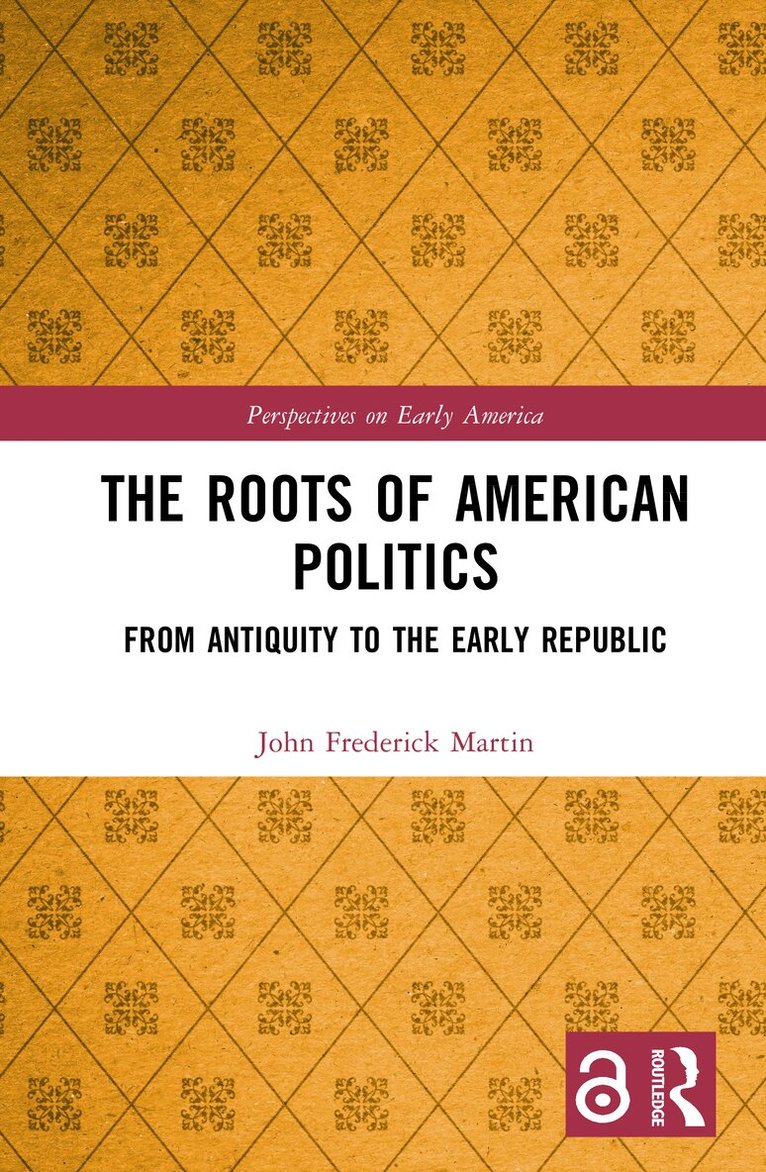
Roots of American Politics
From Antiquity to the Early Republic
Inbunden, 2025
2578 kr
Lägg i varukorg
This book examines the ways in which American habits and politics replaced the traditional European republican canon.Before the modern era, European republics relied on procedural complexity in office-filling to arrive at neutral government. They did so with such technical consistency over a long …
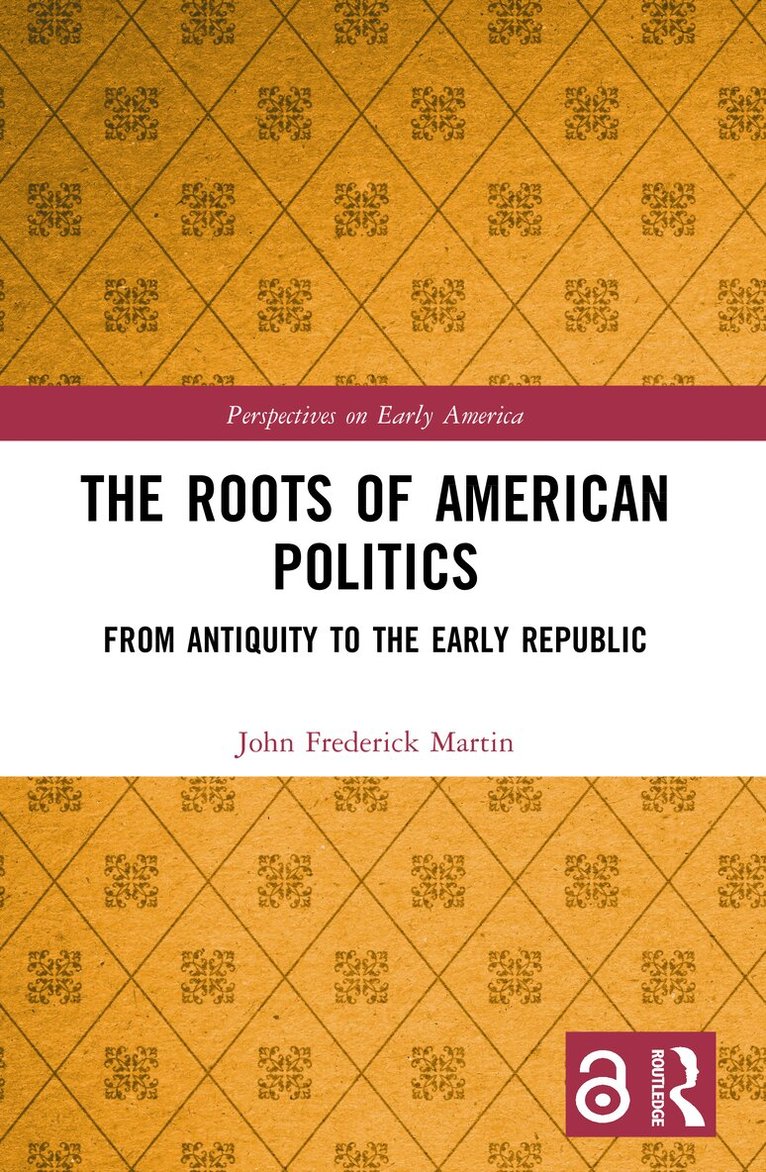
Roots of American Politics
From Antiquity to the Early Republic
Häftad, 2026
725 kr
Lägg i varukorg
This book examines the ways in which American habits and politics replaced the traditional European republican canon.Before the modern era, European republics relied on procedural complexity in office-filling to arrive at neutral government. They did so with such technical consistency over a long …
Profits in the Wilderness
Entrepreneurship and the Founding of New England Towns in the Seventeenth Century
E-bok, 2014
410 kr
Lägg i varukorg
In examining the founding of New England towns during the seventeenth century, John Frederick Martin investigates an old subject with fresh insight. Whereas most historians emphasize communalism and absence of commerce in the seventeenth century, Martin demonstrates that colonists sought profits in …