John House - Böcker
Visar alla böcker från författaren John House. Handla med fri frakt och snabb leverans.
6 produkter
6 produkter
349 kr
Tillfälligt slut
329 kr
Tillfälligt slut
186 kr
Skickas
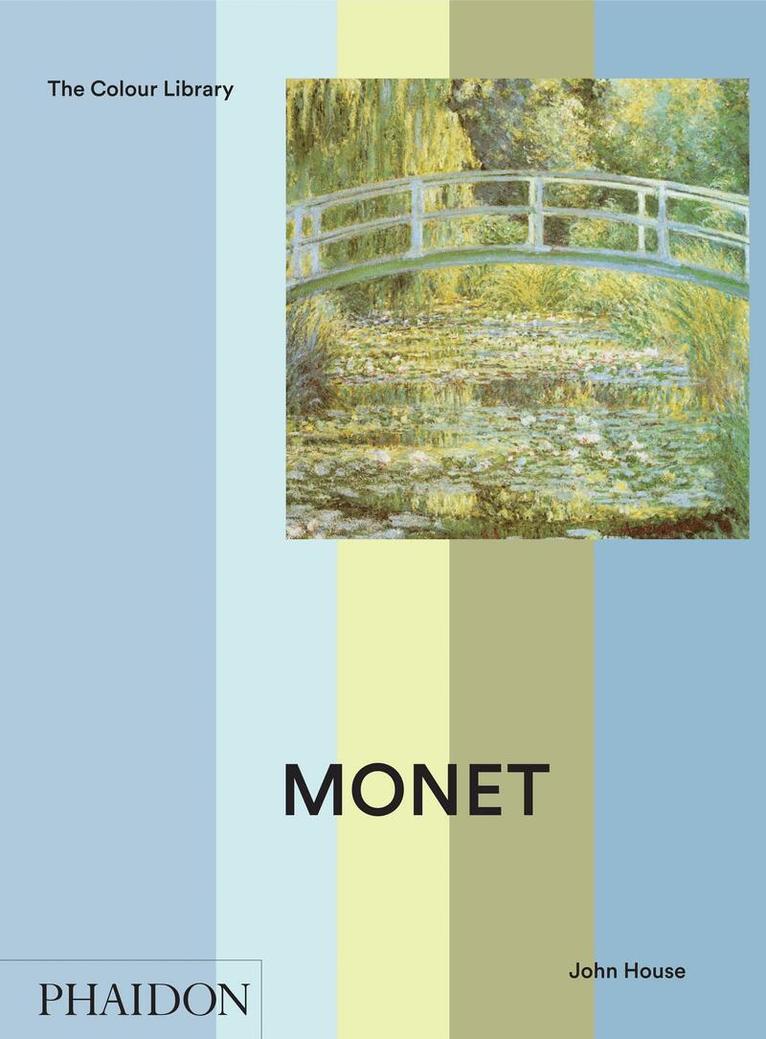
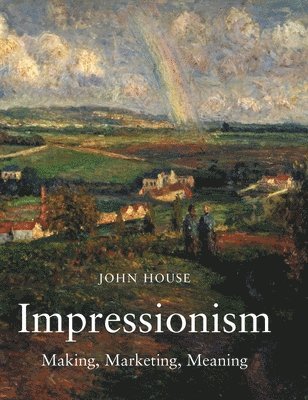
Impressionism took its name from the title of a painting that Claude Monet (1840-1926) exhibited in 1874. More than any other artist, Monet was the creator of the Impressionist vision, which has so forcefully shaped the way in which he habitually see nature today. For sixty years he continuously explored ways of translating his experiences into paint, in pictures that take us from the bustling life of Paris in the 1860s to the seclusion of his own water-garden, which he painted in his last years.John House’s introduction to Monet’s life and work presents a sequence of dazzling illustrations that chart the artist’s progress as he became increasingly preoccupied with colour and atmospheric effect, and the direct studies of nature gave way to paintings of greater richness and harmony, in which the play of varied colours replaced the conventional drawing and modelling of forms.
243 kr
Skickas inom 3-6 vardagar
281 kr
Skickas inom 3-6 vardagar
294 kr
Skickas inom 7-10 vardagar
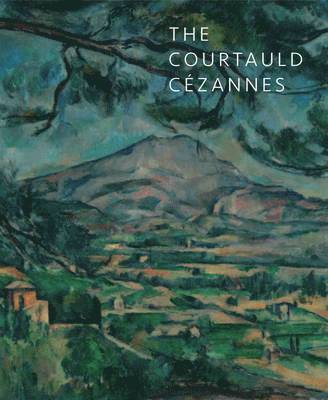
The Courtauld Gallery holds the finest group of works by Paul Cézanne (1839–1906) in Britain. This is the catalogue to an exhibition showing the entire collection together for the first time, marking the culmination of The Courtauld Institute of Art’s 75th anniversary. The importance of the collection lies not only in its exceptionally high quality but also in its wide range, with seminal paintings and rarely seen drawings and watercolors from the major periods of the artist’s long career. The collection includes such masterpieces as the iconic Montagne Sainte-Victoire, c. 1887 – one of the finest examples of Cézanne’s treatment of this subject – and Card Players, c. 1892–95, which show Cézanne working at the height of his powers. Through examination of such works, this book will chart the development of the artist’s revolutionary approach that would later see him acclaimed as the father of modern art. Extensive new research by the Courtauld’s Department of Conservation and Technology will add fresh insights into the artist’s working methods and techniques. Also under scrutiny are an important group of nine handwritten letters, held by the Courtauld, in which Cézanne reflects upon the fundamental principles of his artistic practice. In a letter to Emile Bernard Cézanne famously advised his protégé to “treat nature in terms of the cylinder, the sphere and the cone”. This celebrated statement would become a theoretical underpinning for the move towards abstraction in the twentieth century.