John James Quinn – författare
Visar alla böcker från författaren John James Quinn. Handla med fri frakt och snabb leverans.
3 produkter
3 produkter
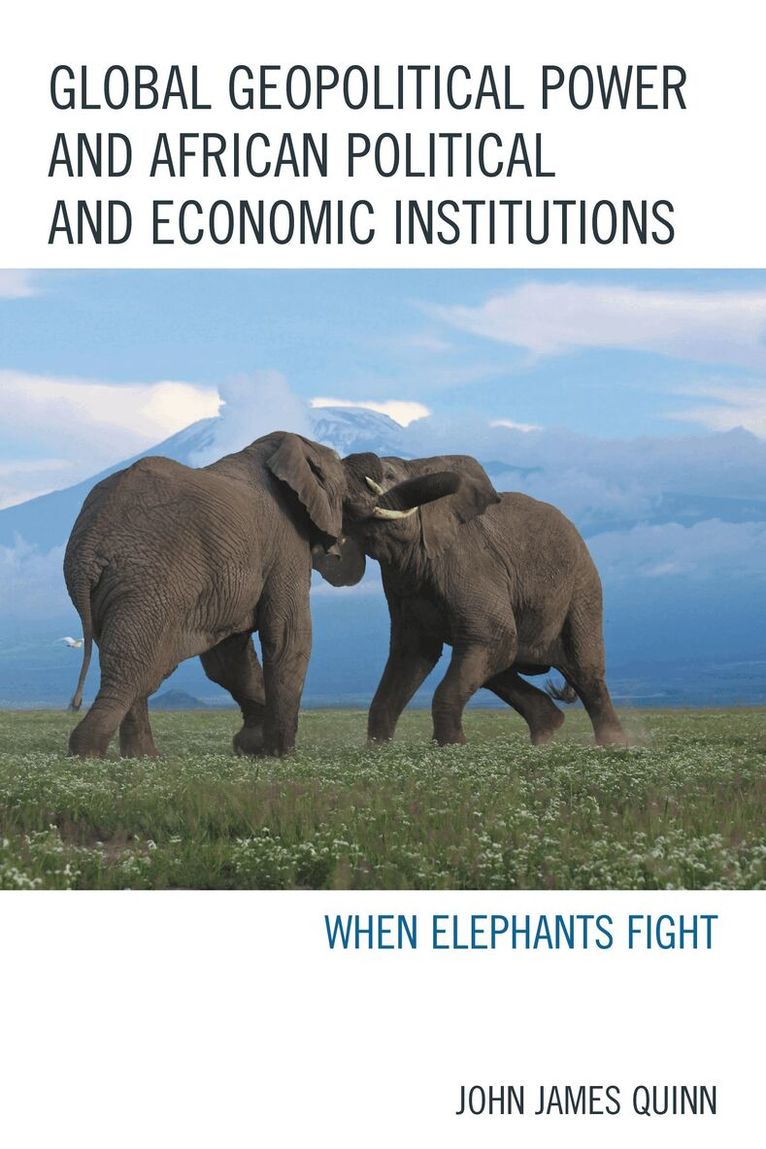
Global Geopolitical Power and African Political and Economic Institutions
When Elephants Fight
Inbunden, Engelska, 2015
1 703 kr
Skickas inom 10-15 vardagar
Global Geopolitical Power and African Political and Economic Institutions: When Elephants Fight describes the emergence and nature of the prevailing African political and economic institutions in two periods. In the first, most countries adopted political and economic institutions that funneled significant levels of political and economic power to the political elites, usually through one- or no-party (military) political systems, inward-oriented development policies, and/ or state-led—and often state-owned—industrialization. In the second period, most countries adopted institutions that diluted the overarching political and economic power of ruling elites through the adoption of de jure multiparty electoral systems, more outward-oriented trade policies, and the privatization of many state owned or controlled sectors, though significant political and economic power remains in their hands. The choices made in each period were consistent with prevailing ideas on governance and development, the self-interests of political elites, and the perceived availability of support or autonomy vis-à-vis domestic, regional, and international sources of power at the time. This book illustrates how these two region-wide shifts in prevailing political and economic institutions and practices of Africa can be linked to two prior global geopolitical realignments: the end of WWII with the ensuing American and Soviet led bipolar system, and the end of the Cold War with American primacy. Each period featured changed or newly empowered international and regional leaders with competing national priorities within new intellectual and geopolitical climates, altering the opportunities and constraints for African leaders in instituting or maintaining particular political and economic institutions or practices. The economic and political institutions of Africa that emerged did so as a result of a complex mix of contending domestic, regional, and international forces (material and intellectual)—all which were themselves greatly transformed in the wake of these two global geopolitical realignments.
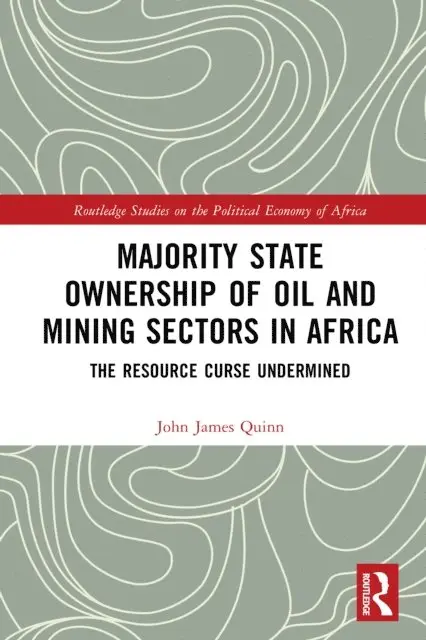
Majority State Ownership of Oil and Mining Sectors in Africa
The Resource Curse Undermined
Häftad, Engelska, 2026
591 kr
Skickas inom 10-15 vardagar
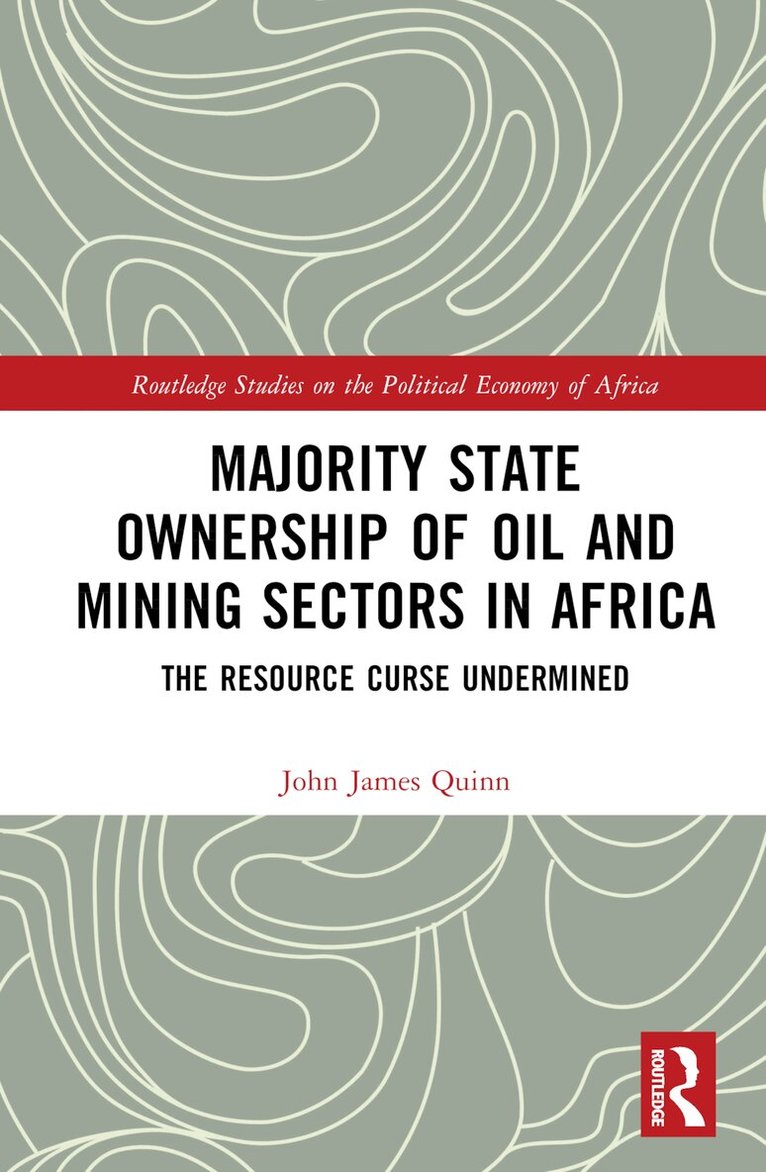
Majority State Ownership of Oil and Mining Sectors in Africa: The Resource Curse Undermined shows that countries in sub-Saharan Africa with majority state ownership of their major oil or mineral export sectors suffered from more severe versions of the natural resource curse than other similar countries. Examining natural resource exporting nations in sub-Saharan Africa between 1966 to 2000, Quinn shows that on average, states with majority state ownership of these sectors featured lower growth, lower incomes, declining alternative export sectors, more debt, lower levels of investment, lower levels of political and civil rights, and more domestic conflict than other similar countries. These results remained fairly consistent across both cross-country data, as well as in paired case studies. One surprise finding is that these countries either had depreciating currencies, or did not feature high levels of currency appreciation, on average, which is inconsistent with resource curse literature predictions. Rather, most countries with majority state ownership had high levels of currency overvaluation – which operated in a similar manner as currency appreciation. This work should appeal to students and faculty interested in the political economy of development, the natural resource curse, and African development, as well as politicians, policy makers, and NGO workers working in these areas. The strong recommendation of the book is that governments should control 50% or less of these sectors.
Majority State Ownership of Oil and Mining Sectors in Africa
The Resource Curse Undermined
Inbunden, Engelska, 2024
2 181 kr
Skickas inom 10-15 vardagar
Majority State Ownership of Oil and Mining Sectors in Africa: The Resource Curse Undermined shows that countries in sub-Saharan Africa with majority state ownership of their major oil or mineral export sectors suffered from more severe versions of the natural resource curse than other similar countries. Examining natural resource exporting nations in sub-Saharan Africa between 1966 to 2000, Quinn shows that on average, states with majority state ownership of these sectors featured lower growth, lower incomes, declining alternative export sectors, more debt, lower levels of investment, lower levels of political and civil rights, and more domestic conflict than other similar countries. These results remained fairly consistent across both cross-country data, as well as in paired case studies. One surprise finding is that these countries either had depreciating currencies, or did not feature high levels of currency appreciation, on average, which is inconsistent with resource curse literature predictions. Rather, most countries with majority state ownership had high levels of currency overvaluation – which operated in a similar manner as currency appreciation. This work should appeal to students and faculty interested in the political economy of development, the natural resource curse, and African development, as well as politicians, policy makers, and NGO workers working in these areas. The strong recommendation of the book is that governments should control 50% or less of these sectors.