John Onians – författare
Visar alla böcker från författaren John Onians. Handla med fri frakt och snabb leverans.
6 produkter
6 produkter
242 kr
Tillfälligt slut
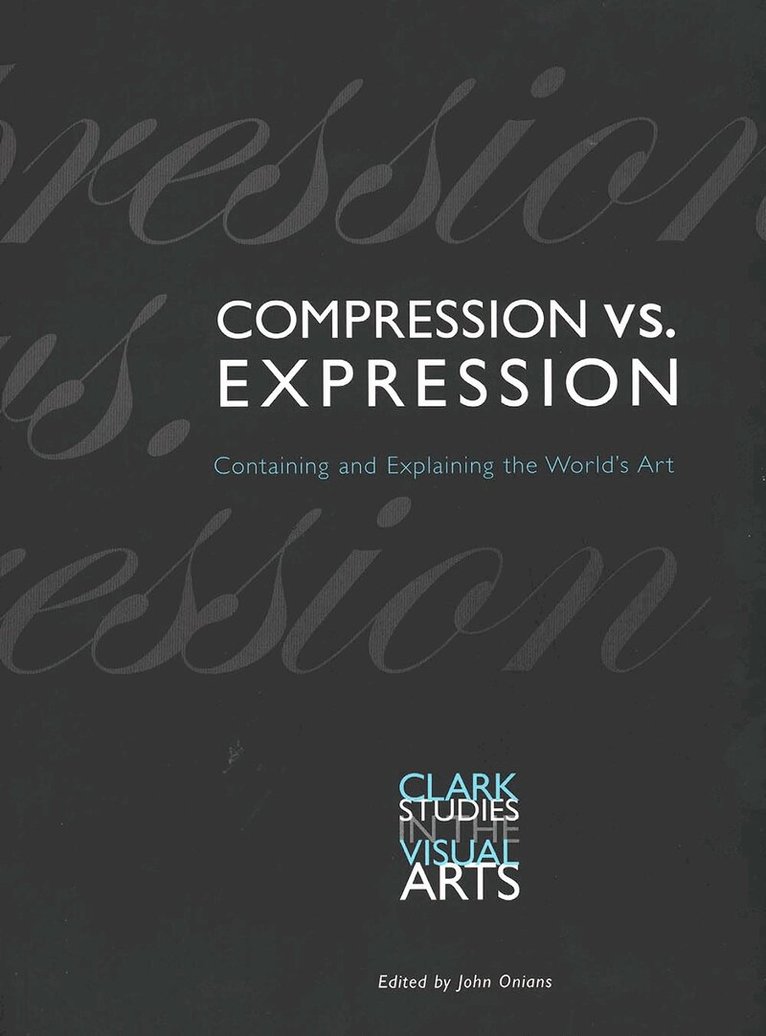
With essays by Cao Yiqiang, Rita Eder, James Elkins, Arlene K. Fleming, Derek Gillman, Jyotindra Jain, Cecelia F. Klein, Yves Le Fur, Dominic Marner, Anitra Nettleton, John Onians, Edmund P. Pillsbury, Michael Rinehart, David Summers, Wilfried van Damme, and Georges S. Zouain_____________________________________________How do we do justice to art when we treat it not as a discrete European or other regional tradition, but as a worldwide phenomenon with a long history? In this groundbreaking book, leading academics, curators, bibliographers, and representatives of international organizations from every continent explain the ways they deal with the conflict between the need to compress and the desire to express. Anyone who faces this challenge, whether in developing a course at university or school, writing a textbook, installing a museum collection, mounting an exhibition, or otherwise presenting the world’s cultural heritage will want to read it.Distributed for the Sterling and Francine Clark Art Institute
534 kr
Skickas inom 7-10 vardagar
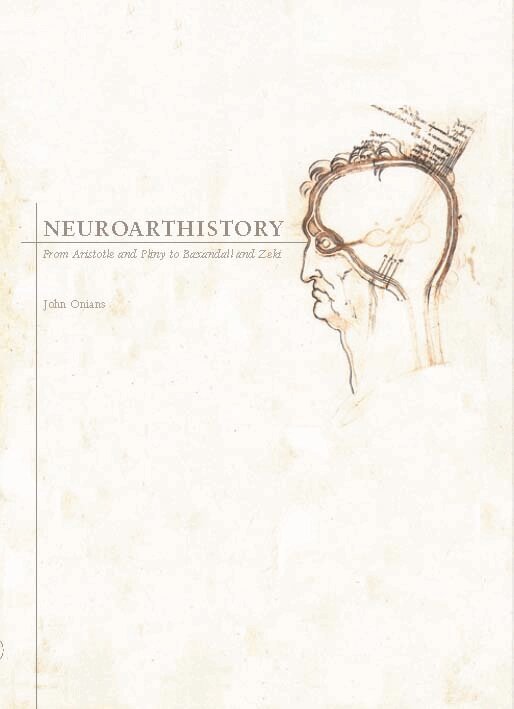
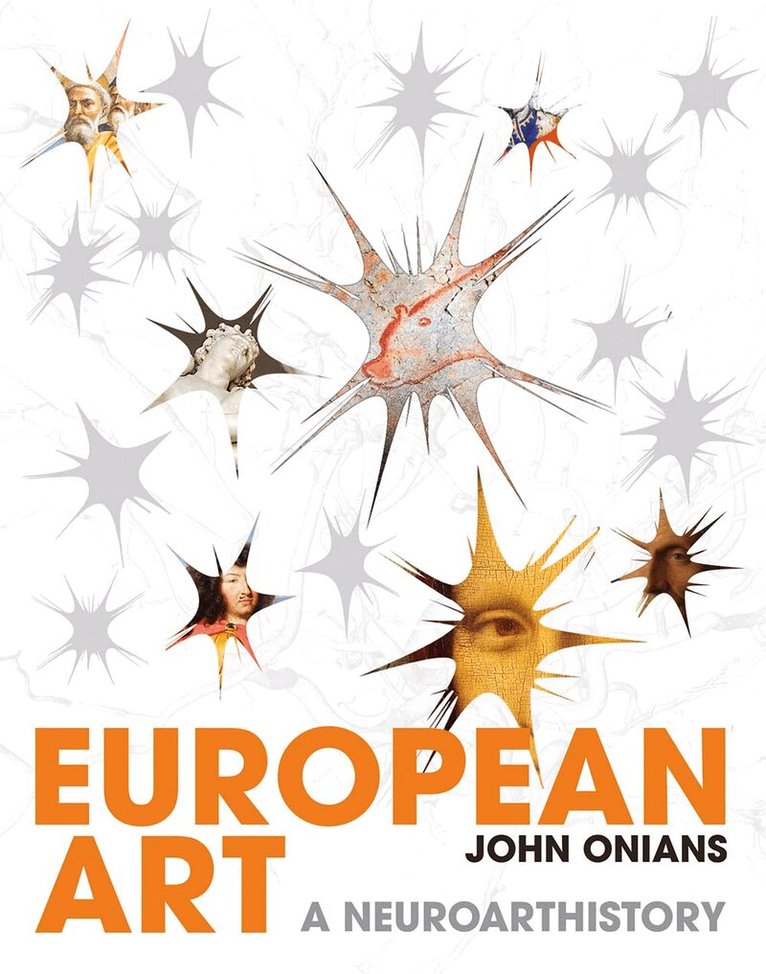
A bold revision of the history of European art, told through the lens of neuroscienceAmbitious and much anticipated, this book celebrates the value of recent neuroscientific discoveries as tools for art-historical analysis. Case studies ranging across the whole history of European art demonstrate the relationships between forms of visual expression and the objects of visual attention, emotional connection, and intellectual interest in daily life, thus illuminating the previously hidden meanings of many artistic styles and conventions. Art historians have until now concentrated on the conscious intentions of artists and patrons, but neuroscience provides insights into the role of non-conscious mental processes in the production and consumption of works of art. As John Onians powerfully argues, these insights have the potential to revolutionize cultural history. For the first time, an authority renowned for a more traditional approach has applied new neuroscientific knowledge to a wide range of art-historical problems, both familiar and fresh. The result is a provocative, original, and persuasive case for neuroscience as an aid to research in the humanities.
220 kr
Skickas inom 7-10 vardagar
Exploring the writings of major thinkers (among them Montesquieu, Burke, Kant, Marx, and Freud), and leading art historians (including Pliny, Winckelmann, Ruskin, Pater, Gombrich, and Baxandall), as well as artists such as Alberti and Leonardo and scientists from Aristotle to Zeki, John Onians shows how an understanding of the neural basis of the mind contributes to an understanding of all human behaviors—including art.
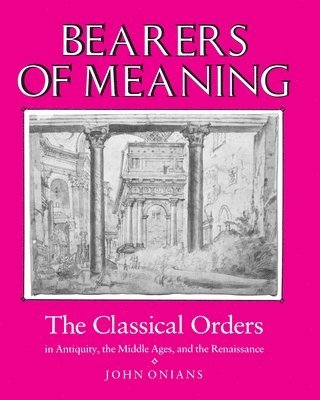
Bearers of Meaning: The Classical Orders in Antiquity, the Middle Ages, and the Renaissance
Häftad, Engelska, 1990
1 242 kr
Skickas inom 3-6 vardagar
1 399 kr
Skickas inom 5-8 vardagar
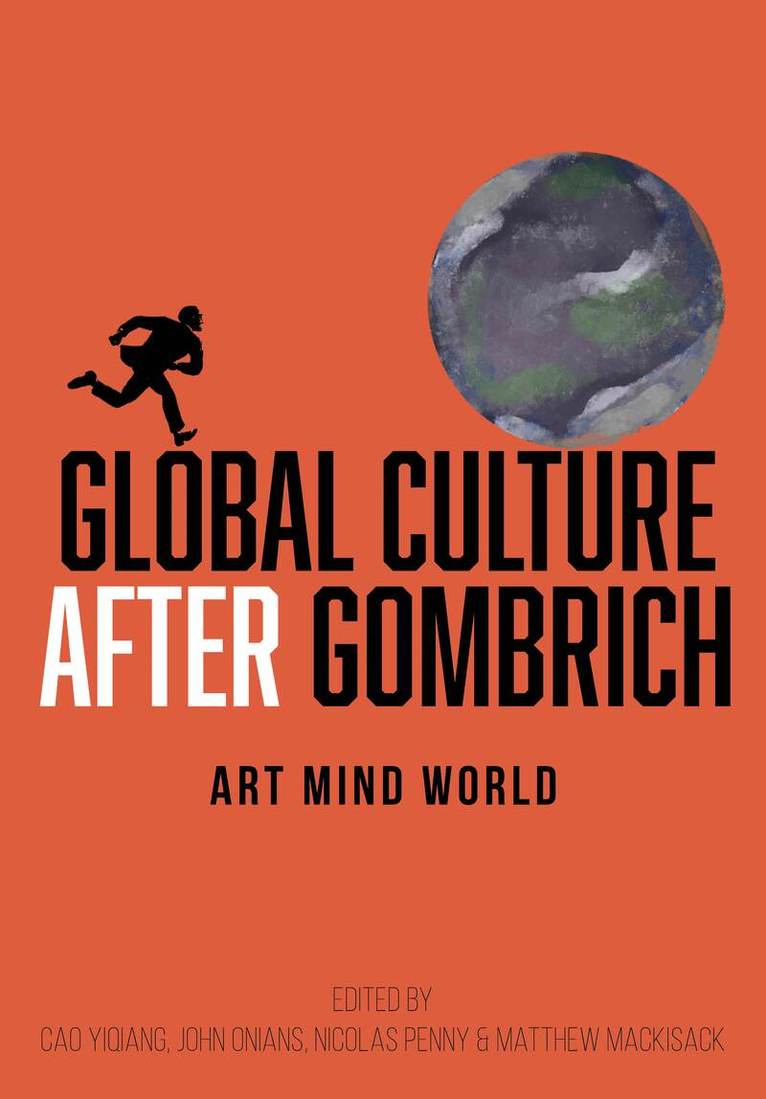
Ernst Gombrich can be considered the most influential art historian of the 20th-century. Until now, however, the global impact of his work has been under-appreciated. Global Culture after Gombrich: Art, Mind, World presents essays by historians of art and culture - themselves students of Gombrich or associated with his scholarly home, the Warburg Institute - from Asia, the USA, and Europe.Subjects range from picture-making’s place in human evolution to the visual marginalia of the Renaissance, and from nineteenth-century modernism to the implications of the latest neuroscience for cultural history. Other chapters treat fundamental issues, such as the notion of connoisseurship, the fate of the idea of ‘culture’, or the cultural specificity of modernism. They range from theoretical broadsides – notably, a defence of the ‘intelligence’ of art - to intricate reflections – for example on caricature as a style.In showing how Gombrich initiated enquiries that have spread in numerous – and global – directions, Global Culture after Gombrich: Art, Mind, World makes a vital contribution to contemporary debates around the languages of art history and showcases the range of approaches and methods by which art history is, and has yet to be, written.
397 kr
Skickas
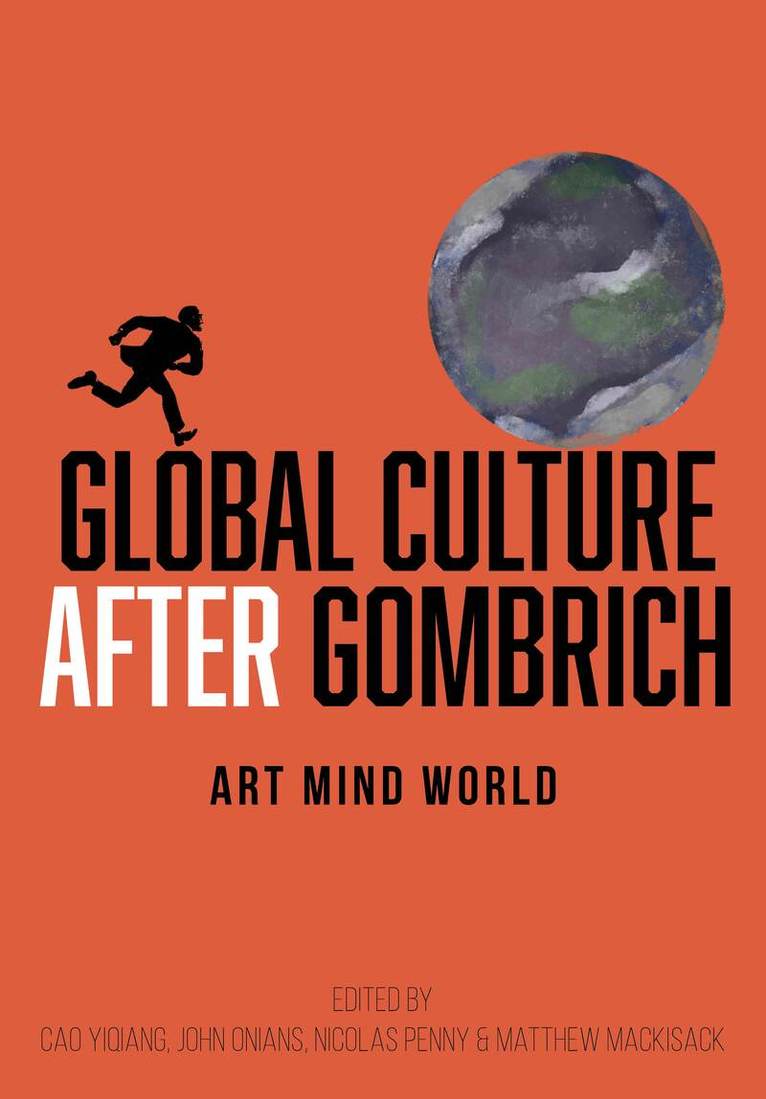
Ernst Gombrich can be considered the most influential art historian of the 20th-century. Until now, however, the global impact of his work has been under-appreciated. Global Culture after Gombrich: Art, Mind, World presents essays by historians of art and culture - themselves students of Gombrich or associated with his scholarly home, the Warburg Institute - from Asia, the USA, and Europe.Subjects range from picture-making’s place in human evolution to the visual marginalia of the Renaissance, and from nineteenth-century modernism to the implications of the latest neuroscience for cultural history. Other chapters treat fundamental issues, such as the notion of connoisseurship, the fate of the idea of ‘culture’, or the cultural specificity of modernism. They range from theoretical broadsides – notably, a defence of the ‘intelligence’ of art - to intricate reflections – for example on caricature as a style.In showing how Gombrich initiated enquiries that have spread in numerous – and global – directions, Global Culture after Gombrich: Art, Mind, World makes a vital contribution to contemporary debates around the languages of art history and showcases the range of approaches and methods by which art history is, and has yet to be, written.