John P. Rumrich - Böcker
Visar alla böcker från författaren John P. Rumrich. Handla med fri frakt och snabb leverans.
5 produkter
5 produkter
296 kr
Skickas inom 7-10 vardagar
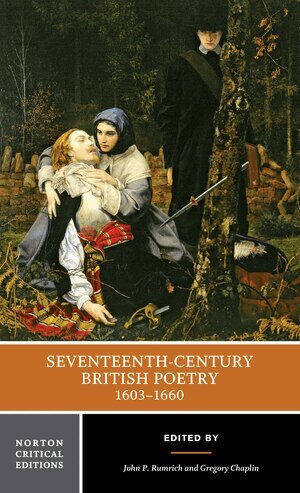
A time of political and social unrest in England, this period produced some of the greatest poetry in English. This volume includes the major poets—John Donne, Ben Jonson, George Herbert, John Milton, and Andrew Marvell—the major women writers of the era—Aemilia Lanyer, Mary Wroth, Anne Bradstreet, Margaret Cavendish, and Katherine Philips—and nineteen other poets essential to an understanding of English literature in the seventeenth century. The poems are accompanied by headnotes and explanatory annotations. "Criticism" is divided into two sections. The first, "Seventeenth- and Eighteenth-Century Criticism," includes commentary by contemporary poets and biographers, among them Ben Jonson, John Dryden, and Samuel Johnson. The second, "Recent Criticism," brings together twenty critical examinations of the period and its poets, including essays by T. S. Eliot, Janel Mueller, Aldous Huxley, W. H. Auden, Joseph Summers, Laurence Babb, Gerald Hammond, Eavan Boland, Leah Marcus, and William Kerrigan. A Selected Biography is also included.
493 kr
Skickas inom 7-10 vardagar
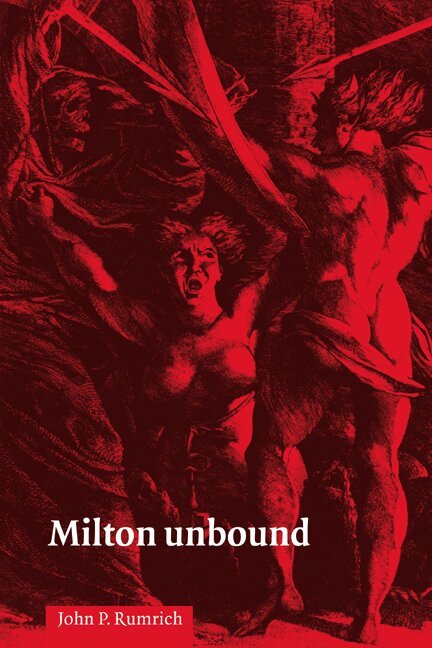
John Milton - heretic, defender of the Cromwellian regicides, epic poet - holds a crucial strategic position on the intellectual and ideological map of literary studies. In this provocative and liberating study, John P. Rumrich contends that contemporary critics, despite differences in methodology, have contributed to the invention of a monolithic or institutional Milton, as censorious preacher, aggressive misogynist, and champion of the emerging bourgeoisie. Rumrich reveals the pressures that have shaped this current critical orthodoxy, and exposes the historical inaccuracies and logical inconsistencies that sustain it. Through analysis of Milton's poetry and prose, and consideration of the historical forces that informed Milton's writing, Rumrich argues instead for a more complex Milton who was able to accommodate uncertainty and doubt.
644 kr
Skickas inom 7-10 vardagar
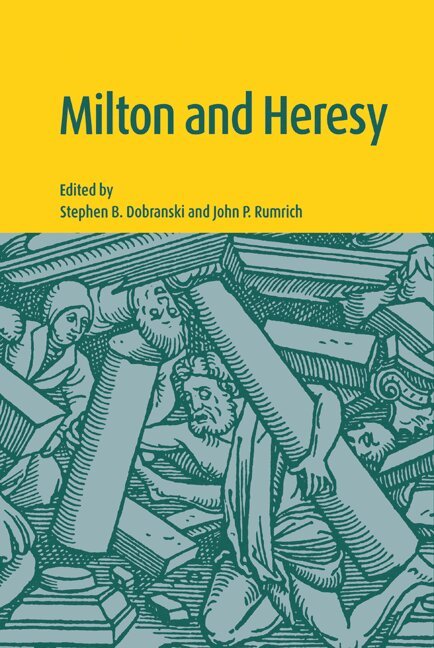
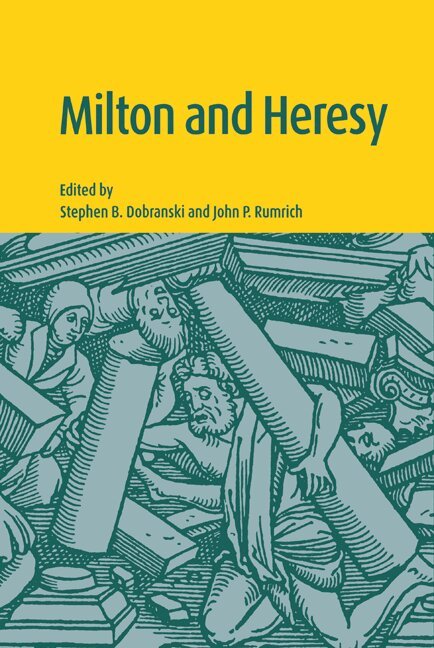
It is distinctly paradoxical that John Milton - who opposed infant baptism, supported regicide, defended divorce and approved of polygamy - should be heard as a voice of orthodoxy. Yet modern scholarship has often understated or explained away his heretical opinions. This volume investigates aspects of Milton's works inconsistent with conventional beliefs, whether in terms of seventeenth-century theology or the common assumptions of Milton scholars. Contributors situate Milton and his writings within his specific historical circumstances, paying special attention to Milton's pragmatic position within seventeenth-century religious controversy. The volume's four sections deal with heretical theology, heresy's consequences, heresy and community, and readers of heresy; their common premise is that Milton, as poet, thinker and public servant, eschewed set beliefs and regarded indeterminacy and uncertainty as fundamental to human existence.
1 371 kr
Skickas inom 7-10 vardagar
John Milton - heretic, defender of the Cromwellian regicides, epic poet - holds a crucial strategic position on the intellectual and ideological map of literary studies. In this provocative and liberating study, John P. Rumrich contends that contemporary critics, despite differences in methodology, have contributed to the invention of a monolithic or institutional Milton, as censorious preacher, aggressive misogynist, and champion of the emerging bourgeoisie. Rumrich reveals the pressures that have shaped this current critical orthodoxy, and exposes the historical inaccuracies and logical inconsistencies that sustain it. Through analysis of Milton's poetry and prose, and consideration of the historical forces that informed Milton's writing, Rumrich argues instead for a more complex Milton who was able to accommodate uncertainty and doubt.
1 371 kr
Skickas inom 7-10 vardagar
It is distinctly paradoxical that John Milton - who opposed infant baptism, supported regicide, defended divorce and approved of polygamy - should be heard as a voice of orthodoxy. Yet modern scholarship has often understated or explained away his heretical opinions. This volume investigates aspects of Milton's works inconsistent with conventional beliefs, whether in terms of seventeenth-century theology or the common assumptions of Milton scholars. Contributors situate Milton and his writings within his specific historical circumstances, paying special attention to Milton's pragmatic position within seventeenth-century religious controversy. The volume's four sections deal with heretical theology, heresy's consequences, heresy and community, and readers of heresy; their common premise is that Milton, as poet, thinker and public servant, eschewed set beliefs and regarded indeterminacy and uncertainty as fundamental to human existence.