John R. McNeill - Böcker
Visar alla böcker från författaren John R. McNeill. Handla med fri frakt och snabb leverans.
11 produkter
11 produkter
1 375 kr
Skickas inom 7-10 vardagar
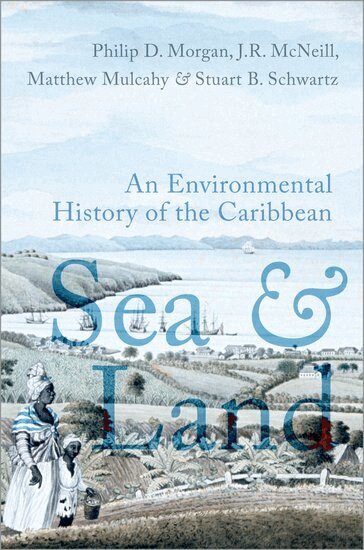
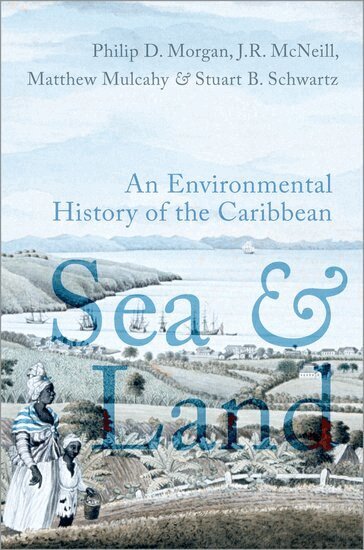
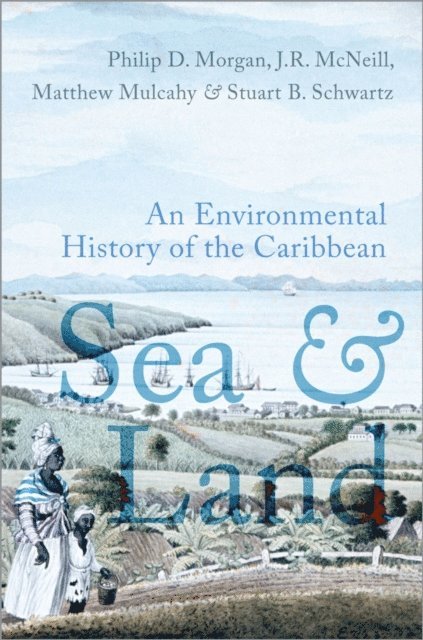
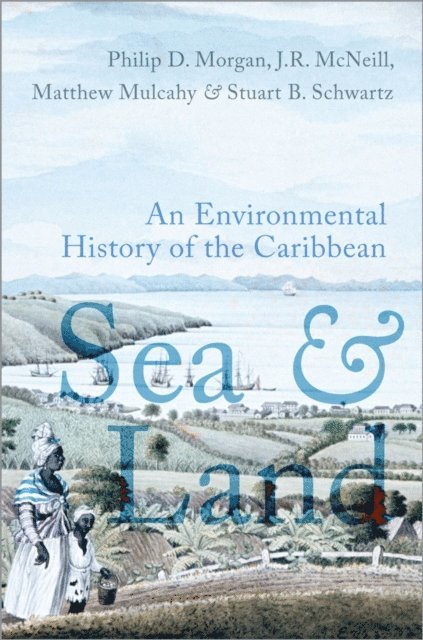
Sea and Land provides an in-depth environmental history of the Caribbean to ca 1850, with a coda that takes the story into the modern era. It explores the mixing, movement, and displacement of peoples and the parallel ecological mixing of animals, plants, microbes from Africa, Europe, elsewhere in the Americas, and as far away as Asia. It examines first the arrival of Native American to the region and the environmental transformations that followed. It then turns to the even more dramatic changes that accompanied the arrival of Europeans and Africans in the fifteenth century. Throughout it argues that the constant arrival, dispersal, and mingling of new plants and animals gave rise to a creole ecology. Particular attention is given to the emergence of Black slavery, sugarcane, and the plantation system, an unholy trinity that thoroughly transformed the region's demographic and physical landscapes and made the Caribbean a vital site in the creation of the modern western world. Increased attention to issues concerning natural resources, conservation, epidemiology, and climate have now made the environment and ecology of the Caribbean a central historical concern. Sea and Land is an effort to integrate that research in a new general environmental history of the region. Intended for scholars and students alike, it aims to foster both a fuller appreciation of the extent to which environmental factors shaped historical developments in the Caribbean, and the extent to which human actions have transformed the biophysical environment of the region over time.The combined work of eminent authors of environment and Latin American and Caribbean history, Sea and Land offers a unique approach to a region characterized by Edenic nature and paradisiacal qualities, as well as dangers, diseases, and disasters.
426 kr
Skickas
Sea and Land provides an in-depth environmental history of the Caribbean to ca 1850, with a coda that takes the story into the modern era. It explores the mixing, movement, and displacement of peoples and the parallel ecological mixing of animals, plants, microbes from Africa, Europe, elsewhere in the Americas, and as far away as Asia. It examines first the arrival of Native American to the region and the environmental transformations that followed. It then turns to the even more dramatic changes that accompanied the arrival of Europeans and Africans in the fifteenth century. Throughout it argues that the constant arrival, dispersal, and mingling of new plants and animals gave rise to a creole ecology. Particular attention is given to the emergence of Black slavery, sugarcane, and the plantation system, an unholy trinity that thoroughly transformed the region's demographic and physical landscapes and made the Caribbean a vital site in the creation of the modern western world. Increased attention to issues concerning natural resources, conservation, epidemiology, and climate have now made the environment and ecology of the Caribbean a central historical concern. Sea and Land is an effort to integrate that research in a new general environmental history of the region. Intended for scholars and students alike, it aims to foster both a fuller appreciation of the extent to which environmental factors shaped historical developments in the Caribbean, and the extent to which human actions have transformed the biophysical environment of the region over time.The combined work of eminent authors of environment and Latin American and Caribbean history, Sea and Land offers a unique approach to a region characterized by Edenic nature and paradisiacal qualities, as well as dangers, diseases, and disasters.
2 151 kr
Skickas inom 10-15 vardagar
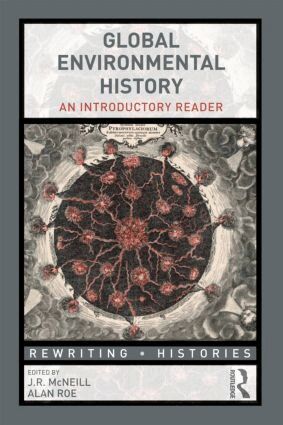
Global Environmental History introduces this rapidly developing field through a broad and thought-provoking range of expert contributions. Environmental history is a subject especially suited to global and transnational approaches and, over the course of the present generation, an increasing number of scholars have taken up the challenge that it presents. The collection begins with a series of chapters offering truly global visions; they range from reflections on the role of animals in environmental history to an overview of environmental change over the past ten millennia. Part Two switches to a sharper focus, featuring essays that characterize the distinctiveness of certain key regions such as China, Russia, West Africa, South Asia, Europe, and Latin America. The final part of the book examines different forms of modern environmentalism, ranging from the U.S. and its fascination with wilderness, to Japanese concern with human health, and on to Peru and India, where the environmental debate centres on access to resources. Global Environmental History will be an essential resource for students of Environmental History and Global History.
829 kr
Skickas inom 10-15 vardagar
Global Environmental History introduces this rapidly developing field through a broad and thought-provoking range of expert contributions. Environmental history is a subject especially suited to global and transnational approaches and, over the course of the present generation, an increasing number of scholars have taken up the challenge that it presents. The collection begins with a series of chapters offering truly global visions; they range from reflections on the role of animals in environmental history to an overview of environmental change over the past ten millennia. Part Two switches to a sharper focus, featuring essays that characterize the distinctiveness of certain key regions such as China, Russia, West Africa, South Asia, Europe, and Latin America. The final part of the book examines different forms of modern environmentalism, ranging from the U.S. and its fascination with wilderness, to Japanese concern with human health, and on to Peru and India, where the environmental debate centres on access to resources. Global Environmental History will be an essential resource for students of Environmental History and Global History.
1 513 kr
Skickas inom 3-6 vardagar
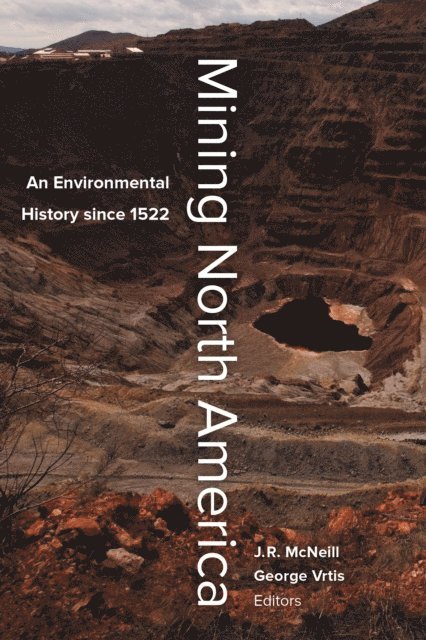
Over the past five hundred years, North Americans have increasingly relied on mining to produce much of their material and cultural life. From cell phones and computers to cars, roads, pipes, pans, and even wall tile, mineral-intensive products have become central to North American societies. As this process has unfolded, mining has also indelibly shaped the natural world and the human societies within it. Mountains have been honeycombed, rivers poisoned, forests leveled, and the consequences of these environmental transformations have fallen unevenly across North America. Drawing on the work of scholars from Mexico, the United States, and Canada, Mining North America examines these developments. It covers an array of minerals and geographies while bringing mining into the core debates that animate North American environmental history. Taken all together, the essays in this book make a powerful case for the centrality of mining in forging North American environments and societies.
609 kr
Skickas inom 3-6 vardagar
Over the past five hundred years, North Americans have increasingly relied on mining to produce much of their material and cultural life. From cell phones and computers to cars, roads, pipes, pans, and even wall tile, mineral-intensive products have become central to North American societies. As this process has unfolded, mining has also indelibly shaped the natural world and the human societies within it. Mountains have been honeycombed, rivers poisoned, forests leveled, and the consequences of these environmental transformations have fallen unevenly across North America. Drawing on the work of scholars from Mexico, the United States, and Canada, Mining North America examines these developments. It covers an array of minerals and geographies while bringing mining into the core debates that animate North American environmental history. Taken all together, the essays in this book make a powerful case for the centrality of mining in forging North American environments and societies.
752 kr
Skickas inom 7-10 vardagar
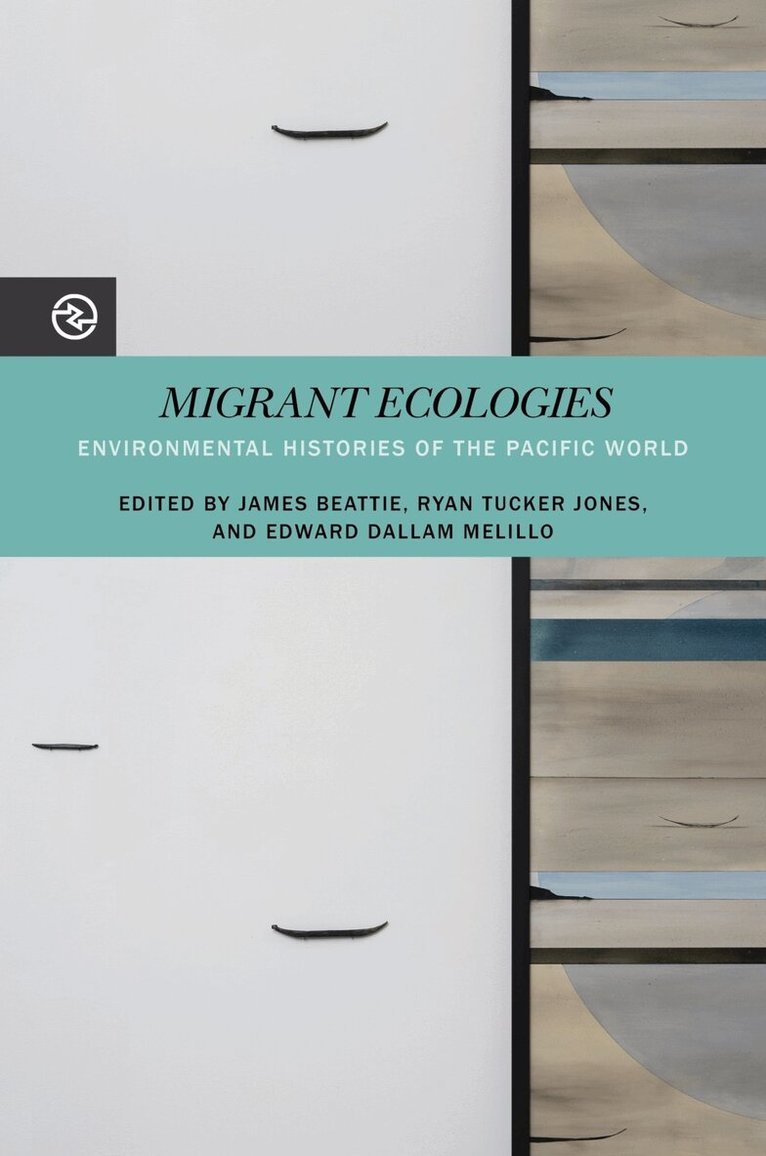
Migrant Ecologies: Environmental Histories of the Pacific World is the first volume explicitly dedicated to the environmental history of Earth’s largest ocean. Covering nearly one-third of the planet, the Pacific Ocean is remarkable for its diverse human and non-human inhabitants, their astounding long-distance migrations over time, and their profound influences on other parts of the world. This book creates an understanding of the past, present, and futures of the lands, seas, peoples, practices, microbes, animals, plants, and other natural forces that shape the Pacific. It effectively argues for the existence of an interconnected Pacific World environmental history, as well as for the Pacific Ocean as a necessary framework for understanding that history.The fifteen chapters in this comprehensive collection, written by leading experts from across the globe, span a vast array of topics, from disease ecology and coffee cultivation to nuclear testing and whaling practices. They explore regions stretching from the Tuamotu Archipelago in the south Pacific to the Kamchatka Peninsula in the far north, resisting the depiction of the Pacific as isolated and uninhabited. What unites these diverse contributions is a concern for how the people, places, and non-human beings of the Pacific World have been shaped by, and have in turn modified, their oceanic realm. Building on a recent renaissance in Pacific history, these chapters make a powerful argument for the importance of the Pacific World as a coherent unit of analysis and a valuable lens through which to examine past, ongoing, and emerging environmental issues. By showcasing surprising and innovative perspectives on the environmental histories of the peoples and ecosystems in and around the Pacific Ocean, this work adds to current conversations and debates about the Pacific World and offers myriad opportunities for further discussions, both inside and outside of the classroom.
292 kr
Skickas inom 7-10 vardagar
Migrant Ecologies: Environmental Histories of the Pacific World is the first volume explicitly dedicated to the environmental history of Earth’s largest ocean. Covering nearly one-third of the planet, the Pacific Ocean is remarkable for its diverse human and non-human inhabitants, their astounding long-distance migrations over time, and their profound influences on other parts of the world. This book creates an understanding of the past, present, and futures of the lands, seas, peoples, practices, microbes, animals, plants, and other natural forces that shape the Pacific. It effectively argues for the existence of an interconnected Pacific World environmental history, as well as for the Pacific Ocean as a necessary framework for understanding that history.The fifteen chapters in this comprehensive collection, written by leading experts from across the globe, span a vast array of topics, from disease ecology and coffee cultivation to nuclear testing and whaling practices. They explore regions stretching from the Tuamotu Archipelago in the south Pacific to the Kamchatka Peninsula in the far north, resisting the depiction of the Pacific as isolated and uninhabited. What unites these diverse contributions is a concern for how the people, places, and non-human beings of the Pacific World have been shaped by, and have in turn modified, their oceanic realm. Building on a recent renaissance in Pacific history, these chapters make a powerful argument for the importance of the Pacific World as a coherent unit of analysis and a valuable lens through which to examine past, ongoing, and emerging environmental issues. By showcasing surprising and innovative perspectives on the environmental histories of the peoples and ecosystems in and around the Pacific Ocean, this work adds to current conversations and debates about the Pacific World and offers myriad opportunities for further discussions, both inside and outside of the classroom.
449 kr
Skickas inom 5-8 vardagar
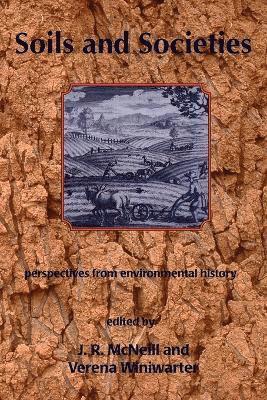
Described in "Nature" as 'a delight for the soil aficionado', this multi-authored collection examines the complex interrelations between societies in different parts of the world and the soils they relied on from the perspectives of geomorphology, archaeology, pedology and history. The geographical spread includes Mesoamerica, Africa, Europe, Australia, India and Easter Island. Few things are more important to human survival than the fertility of the soils from which so much of our food comes. Yet few aspects of the relationship between human society and the environment get so little attention. This book explores some of the enormous variety in the ways that people have worked with, thought about, damaged and restored soils. It also shows some of the ways in which soils, their properties and their histories have influenced human affairs. Soils are the substrate of all human society: from the palaeolithic to the present, their history is our history.
732 kr
Skickas inom 5-8 vardagar
494 kr
Skickas inom 5-8 vardagar