John T Koch - Böcker
Visar alla böcker från författaren John T Koch. Handla med fri frakt och snabb leverans.
5 produkter
5 produkter
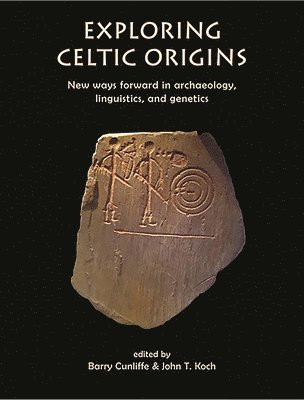
Exploring Celtic Origins
New Ways Forward in Archaeology, Linguistics, and Genetics
Häftad, Engelska, 2020
441 kr
Skickas
Exploring Celtic Origins is the fruit of collaborative work by researchers in archaeology, historical linguistics, and archaeogenetics over the past ten years. This team works towards the goal of a better understanding of the background in the Bronze Age and Beaker Period of the people who emerge as Celts and speakers of Celtic languages documented in the Iron Age and later times. Led by Sir Barry Cunliffe and John Koch, the contributors present multidisciplinary chapters in a lively user-friendly style, aimed at accessibility for workers in the other fields, as well as general readers. The collection stands as a pause to reflect on ways forward at the moment of intellectual history when the genome-wide sequencing of ancient DNA (a.k.a. ‘the archaeogenetic revolution’) has suddenly changed everything in the study of later European prehistory. How do we deal with what appears to be an irreversible breach in the barrier between science and the humanities? Exploring Celtic Origins includes colour maps and illustrations and annotated Further Reading for all chapters.
5 711 kr
Skickas inom 7-10 vardagar
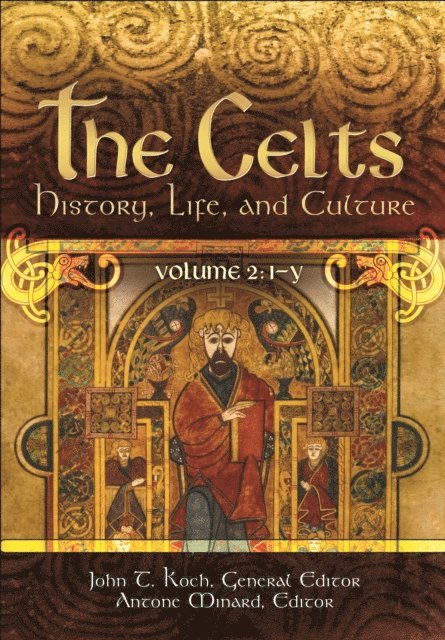
The most comprehensive reference resource on Celtic culture; an encyclopedia written by and for scholars, yet accessible to all.This encyclopedia covers the entirety of the Celtic world, both through time and across geography. Although emphasizing the areas where Celtic languages and traditions survive into the present, the work does not slight the reaches of the Celtic empire, which was the largest language and cultural group on earth prior to the rise of Rome. In some 1,500 articles, many representing original research by the finest Celtic scholars, the work covers the Celts from prehistory to the present, giving comprehensive treatment to all topics from myth to music, religion to rulers, literature to language, government to games, and all topics in between.Entry into the rich world of Celtic scholarship has been difficult: The available information must be teased out of dense scholarly tomes or lightweight books emphasizing such popular elements of Celtic tradition as wee people, Druids, and blue-painted pagans. While this work treats those topics within its broad scope, the information is presented as scholarship, without the pop patina.
534 kr
Tillfälligt slut
A new fourth edition of an invaluable collection of literary sources, all in translation, for Celtic Europe and early Ireland and Wales. The selections are divided into three sections: the first is classical authors on the ancient celts - a huge selection including both the well known Herodotos, Plato, Aristotle, Livy, Diogenes Laertius, and Cicero - and the obscure-Pseudo-Scymnus, Lampridius, Vopsicus, Clement of Alexandria and Ptolemy I. The second is early Irish and Hiberno-Latin sources including early Irish dynastic poetry and numerous tales from the Ulster cycle and the third consists of Brittonic sources, mostly Welsh. This edition includes three new early Irish tales, translated by Máirín Ní Dhonnchadha: The Birth of Aed Sláine; Fingal Rónáin, and the Story of Mis and Dubh Rois.
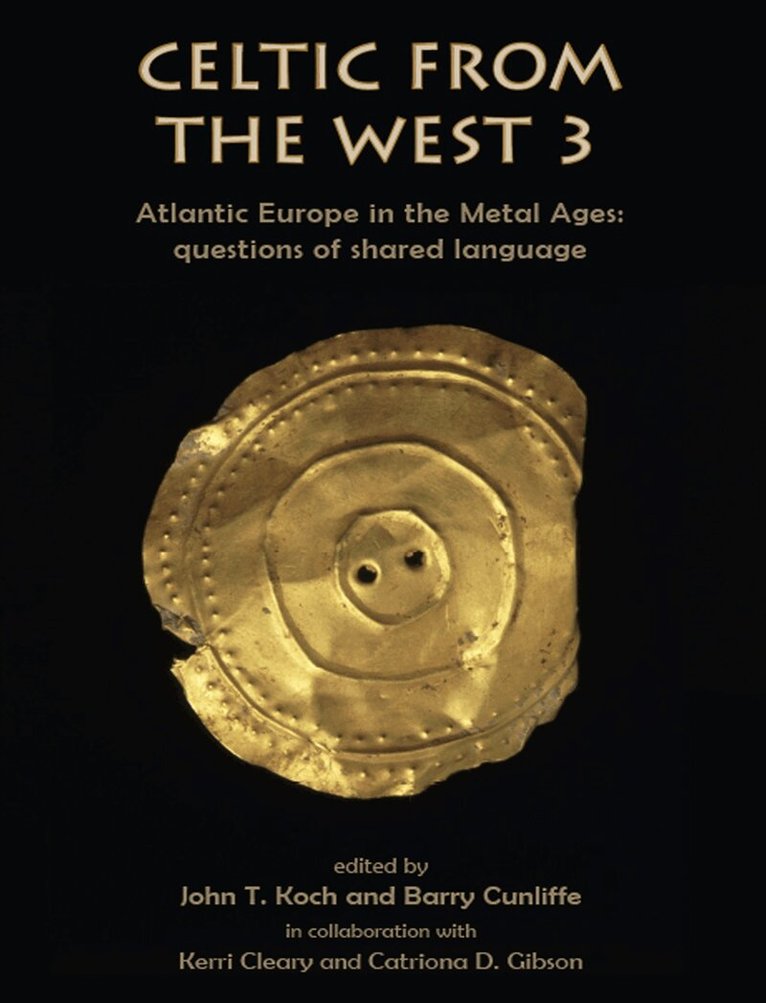
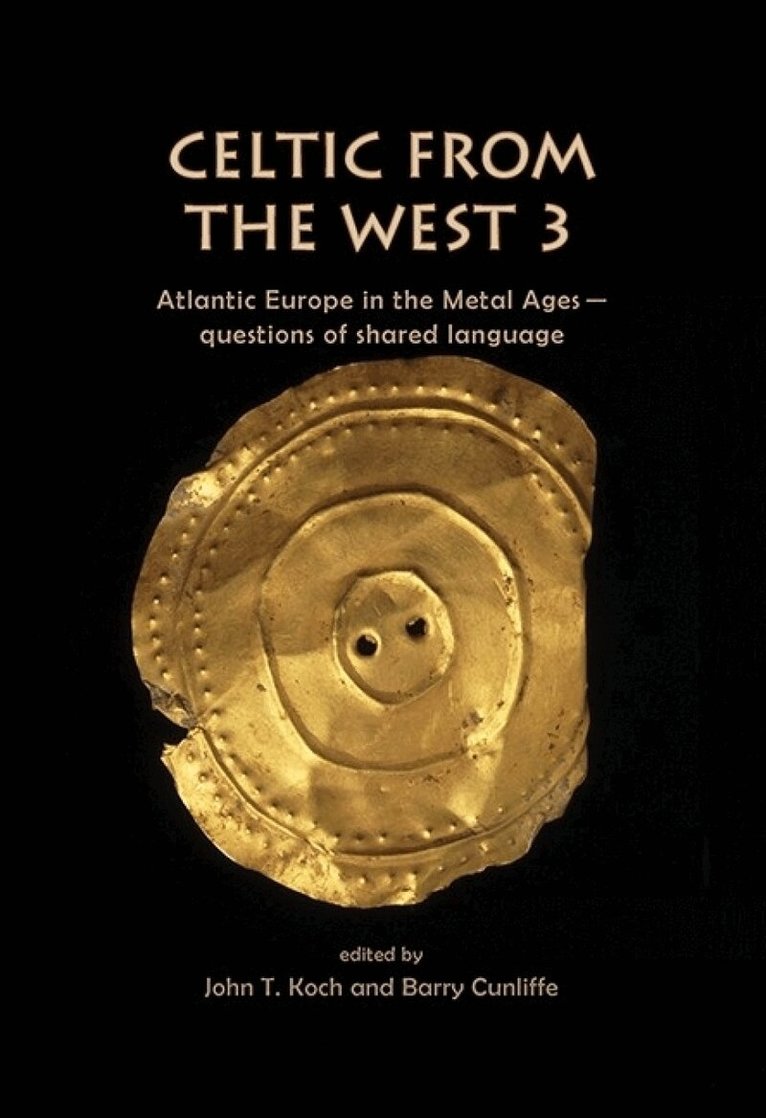
Celtic from the West 3
Atlantic Europe in the Metal Ages — questions of shared language
Häftad, Engelska, 2024
658 kr
Skickas
The Celtic languages and groups called Keltoi (i.e. ‘Celts’) emerge into our written records at the pre-Roman Iron Age. The impetus for this book is to explore from the perspectives of three disciplines—archaeology, genetics, and linguistics—the background in later European prehistory to these developments. There is a traditional scenario, according to which, Celtic speech and the associated group identity came in to being during the Early Iron Age in the north Alpine zone and then rapidly spread across central and western Europe. This idea of ‘Celtogenesis’ remains deeply entrenched in scholarly and popular thought. But it has become increasingly difficult to reconcile with recent discoveries pointing towards origins in the deeper past. It should no longer be taken for granted that Atlantic Europe during the 2nd and 3rd millennia BC were pre-Celtic or even pre-Indo-European. The explorations in Celtic from the West 3 are drawn together in this spirit, continuing two earlier volumes in the influential series.
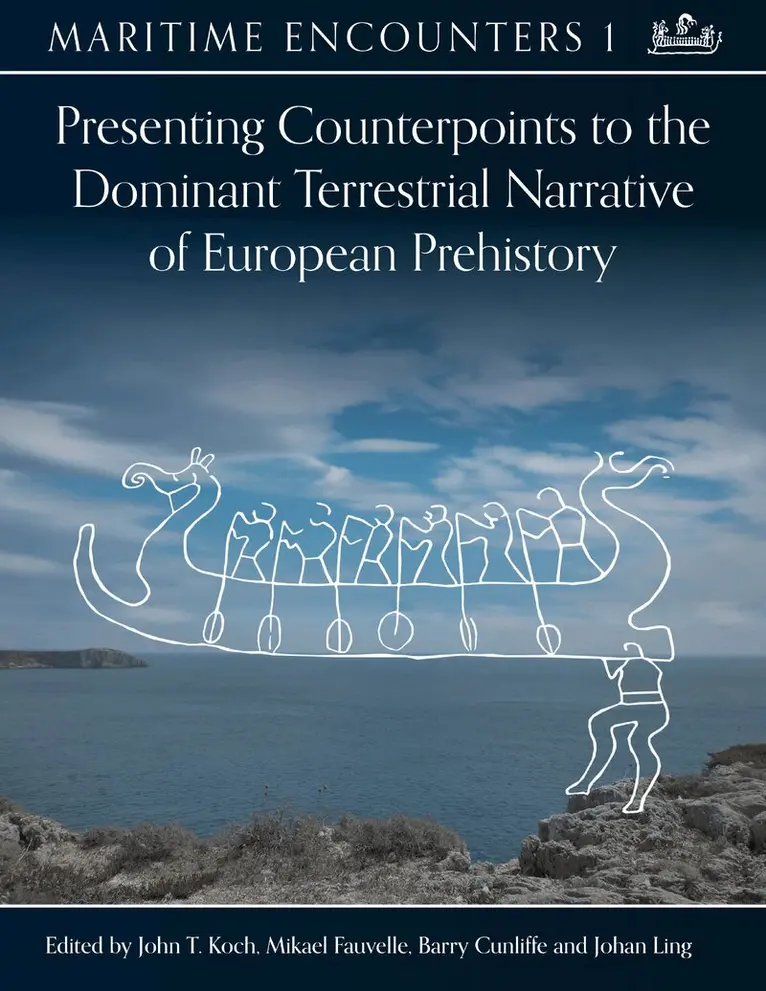
Presenting Counterpoints to the Dominant Terrestrial Narrative of European Prehistory
Inbunden, Engelska, 2025
753 kr
Skickas
This book is the first in the multi-author series Maritime Encounters, outputs of the major six-year (2022–2028) international research initiative, funded by Sweden’s central bank. Our programme is based on a maritime perspective, a counterpoint to prevailing land-based vantages on Europe’s prehistory. In the Maritime Encounters project a highly international cross-disciplinary team has embarked on a diverse range of research goals to provide a more detailed and nuanced story of how prehistoric societies realised major and minor sea crossings, organised long-distance exchange, and adapted to ways of life by the sea in prehistory.Recent advances with ancient DNA have brought migration back into archaeological explanation, but little attention has been paid to maritime aspects of these movements or the maritime legacies inherited from indigenous cultures. The formation of the populations, cultures, and languages of Europe are now seen largely as consequences of three great prehistoric migrations: hunter-gatherers repopulating the post-glacial landscape, followed by farmers spreading from Anatolia, and then Indo-European-speaking pastoralists from the steppe.There is a significant gap in this current model that we sense most acutely in Scandinavia and the British Isles. Unanswered questions include: How these groups reached the islands and peninsulas of Atlantic Europe? What types of boats were used? How many people and animals could they carry? To what extent did indigenous coastal peoples contribute traditions and knowledge of boats, boat building, seaways, navigation, and subsistence in coastal environments? How was the long-distance trade in metals organised during the European Bronze Age? And what was the impact of this seacrossing network on the cultures, languages, and populations of the producers and consumers of bronze?