John V.C. Nye - Böcker
Visar alla böcker från författaren John V.C. Nye. Handla med fri frakt och snabb leverans.
4 produkter
4 produkter
496 kr
Skickas inom 7-10 vardagar
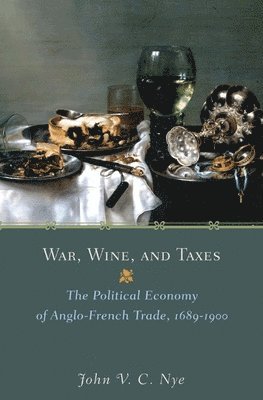
In War, Wine, and Taxes, John Nye debunks the myth that Britain was a free-trade nation during and after the industrial revolution, by revealing how the British used tariffs--notably on French wine--as a mercantilist tool to politically weaken France and to respond to pressure from local brewers and others. The book reveals that Britain did not transform smoothly from a mercantilist state in the eighteenth century to a bastion of free trade in the late nineteenth. This boldly revisionist account gives the first satisfactory explanation of Britain's transformation from a minor power to the dominant nation in Europe. It also shows how Britain and France negotiated the critical trade treaty of 1860 that opened wide the European markets in the decades before World War I. Going back to the seventeenth century and examining the peculiar history of Anglo-French military and commercial rivalry, Nye helps us understand why the British drink beer not wine, why the Portuguese sold liquor almost exclusively to Britain, and how liberal, eighteenth-century Britain managed to raise taxes at an unprecedented rate--with government revenues growing five times faster than the gross national product.War, Wine, and Taxes stands in stark contrast to standard interpretations of the role tariffs played in the economic development of Britain and France, and sheds valuable new light on the joint role of commercial and fiscal policy in the rise of the modern state.
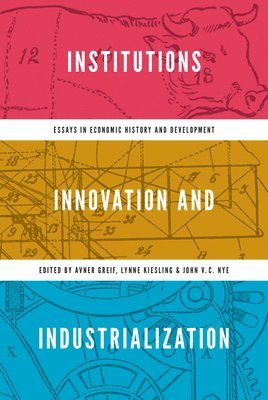
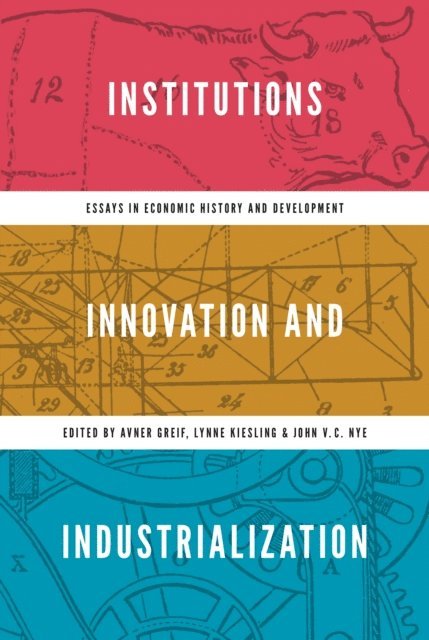
Institutions, Innovation, and Industrialization
Essays in Economic History and Development
Inbunden, Engelska, 2015
520 kr
Skickas inom 7-10 vardagar
This book brings together a group of leading economic historians to examine how institutions, innovation, and industrialization have determined the development of nations. Presented in honor of Joel Mokyr--arguably the preeminent economic historian of his generation--these wide-ranging essays address a host of core economic questions. What are the origins of markets? How do governments shape our economic fortunes? What role has entrepreneurship played in the rise and success of capitalism? Tackling these and other issues, the book looks at coercion and exchange in the markets of twelfth-century China, sovereign debt in the age of Philip II of Spain, the regulation of child labor in nineteenth-century Europe, meat provisioning in pre-Civil War New York, aircraft manufacturing before World War I, and more. The book also features an essay that surveys Mokyr's important contributions to the field of economic history, and an essay by Mokyr himself on the origins of the Industrial Revolution.In addition to the editors, the contributors are Gergely Baics, Hoyt Bleakley, Fabio Braggion, Joyce Burnette, Louis Cain, Mauricio Drelichman, Narly Dwarkasing, Joseph Ferrie, Noel Johnson, Eric Jones, Mark Koyama, Ralf Meisenzahl, Peter Meyer, Joel Mokyr, Lyndon Moore, Cormac O Grada, Rick Szostak, Carolyn Tuttle, Karine van der Beek, Hans-Joachim Voth, and Simone Wegge.
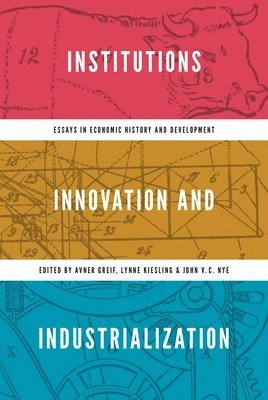
Institutions, Innovation, and Industrialization
Essays in Economic History and Development
Häftad, Engelska, 2020
414 kr
Skickas inom 7-10 vardagar
This book brings together a group of leading economic historians to examine how institutions, innovation, and industrialization have determined the development of nations. Presented in honor of Joel Mokyr—arguably the preeminent economic historian of his generation—these wide-ranging essays address a host of core economic questions. What are the origins of markets? How do governments shape our economic fortunes? What role has entrepreneurship played in the rise and success of capitalism? Tackling these and other issues, the book looks at coercion and exchange in the markets of twelfth-century China, sovereign debt in the age of Philip II of Spain, the regulation of child labor in nineteenth-century Europe, meat provisioning in pre–Civil War New York, aircraft manufacturing before World War I, and more. The book also features an essay that surveys Mokyr's important contributions to the field of economic history, and an essay by Mokyr himself on the origins of the Industrial Revolution.In addition to the editors, the contributors are Gergely Baics, Hoyt Bleakley, Fabio Braggion, Joyce Burnette, Louis Cain, Mauricio Drelichman, Narly Dwarkasing, Joseph Ferrie, Noel Johnson, Eric Jones, Mark Koyama, Ralf Meisenzahl, Peter Meyer, Joel Mokyr, Lyndon Moore, Cormac Ó Gráda, Rick Szostak, Carolyn Tuttle, Karine van der Beek, Hans-Joachim Voth, and Simone Wegge.
292 kr
Skickas inom 7-10 vardagar
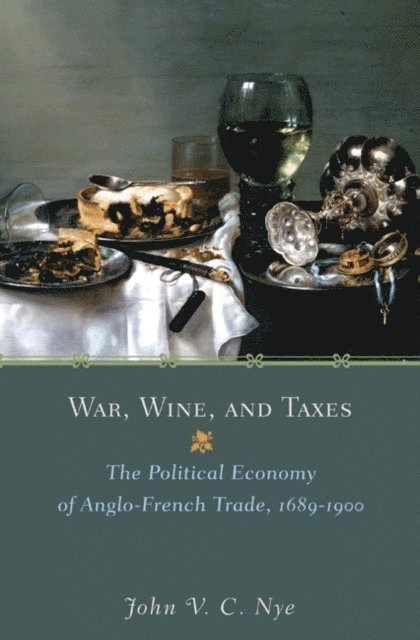
In War, Wine, and Taxes, John Nye debunks the myth that Britain was a free-trade nation during and after the industrial revolution, by revealing how the British used tariffs—notably on French wine—as a mercantilist tool to politically weaken France and to respond to pressure from local brewers and others. The book reveals that Britain did not transform smoothly from a mercantilist state in the eighteenth century to a bastion of free trade in the late nineteenth.This boldly revisionist account gives the first satisfactory explanation of Britain's transformation from a minor power to the dominant nation in Europe. It also shows how Britain and France negotiated the critical trade treaty of 1860 that opened wide the European markets in the decades before World War I. Going back to the seventeenth century and examining the peculiar history of Anglo-French military and commercial rivalry, Nye helps us understand why the British drink beer not wine, why the Portuguese sold liquor almost exclusively to Britain, and how liberal, eighteenth-century Britain managed to raise taxes at an unprecedented rate—with government revenues growing five times faster than the gross national product.War, Wine, and Taxes stands in stark contrast to standard interpretations of the role tariffs played in the economic development of Britain and France, and sheds valuable new light on the joint role of commercial and fiscal policy in the rise of the modern state.