John W. Heaton – författare
Visar alla böcker från författaren John W. Heaton. Handla med fri frakt och snabb leverans.
4 produkter
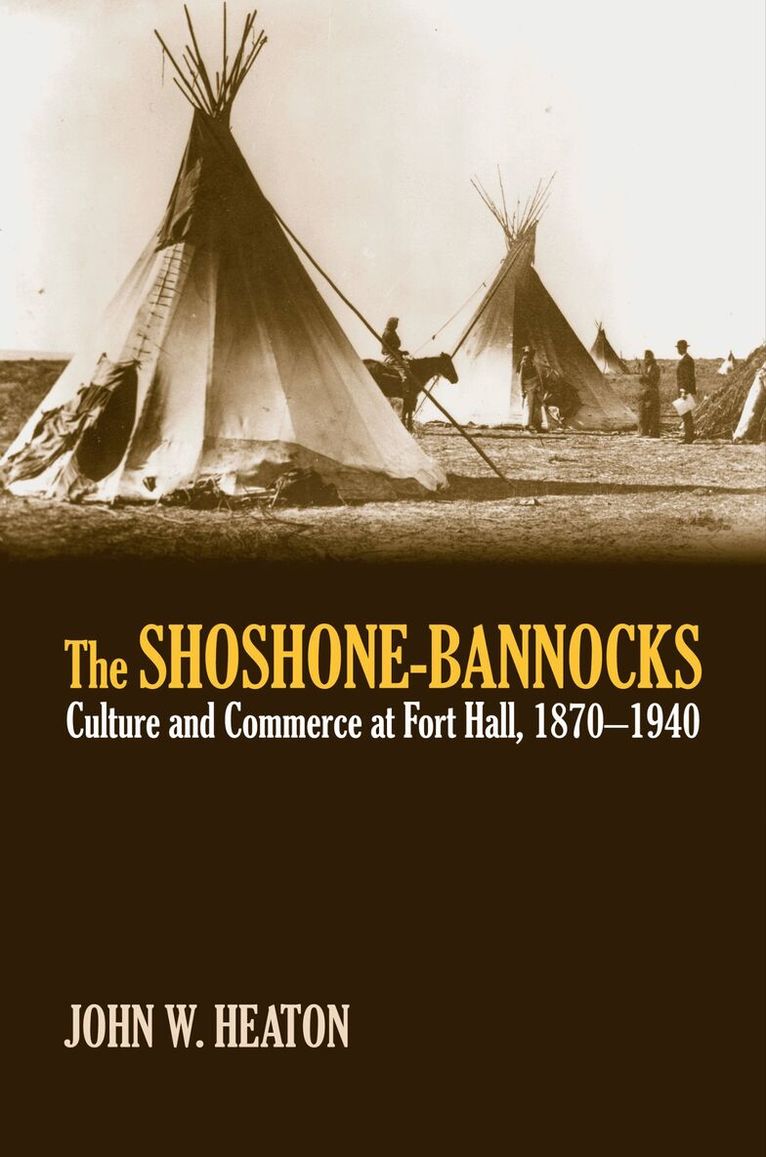
Shoshone-Bannocks
Culture and Commerce at Fort Hall, 1870-1940
Inbunden, 2005
699 kr
Lägg i varukorg
Like many Native Americans consigned to reservations, the Shoshones and Bannocks of Idaho and Utah initially resisted the forces of incorporation; unlike many, they rose to the challenges they faced. Shoshone-Bannock cattlemen at Fort Hall, Idaho, survived drought, overgrazing, declining markets, …
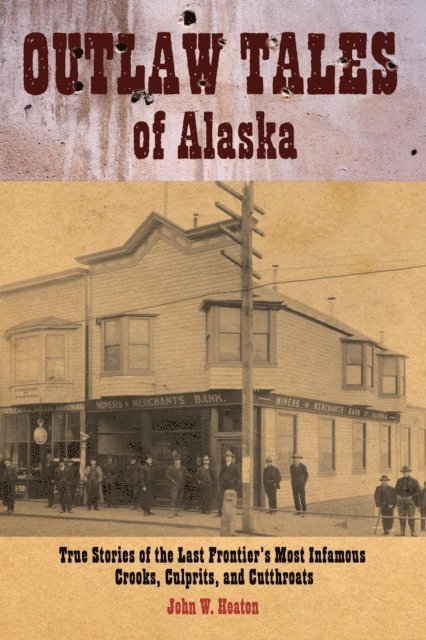
Outlaw Tales of Alaska
True Stories Of The Last Frontier's Most Infamous Crooks, Culprits, And Cutthroats
E-bok, 2010
148 kr
Lägg i varukorg
Fans of shoot-’em-up books and movie Westerns, as well as history buffs, will enjoy these short biographies about the baddest of the bad villains and desperadoes on the Alaskan frontier. Massacres, mayhem, and mischief fill the pages of Outlaw Tales of Alaska . Readers will find themselves panning …
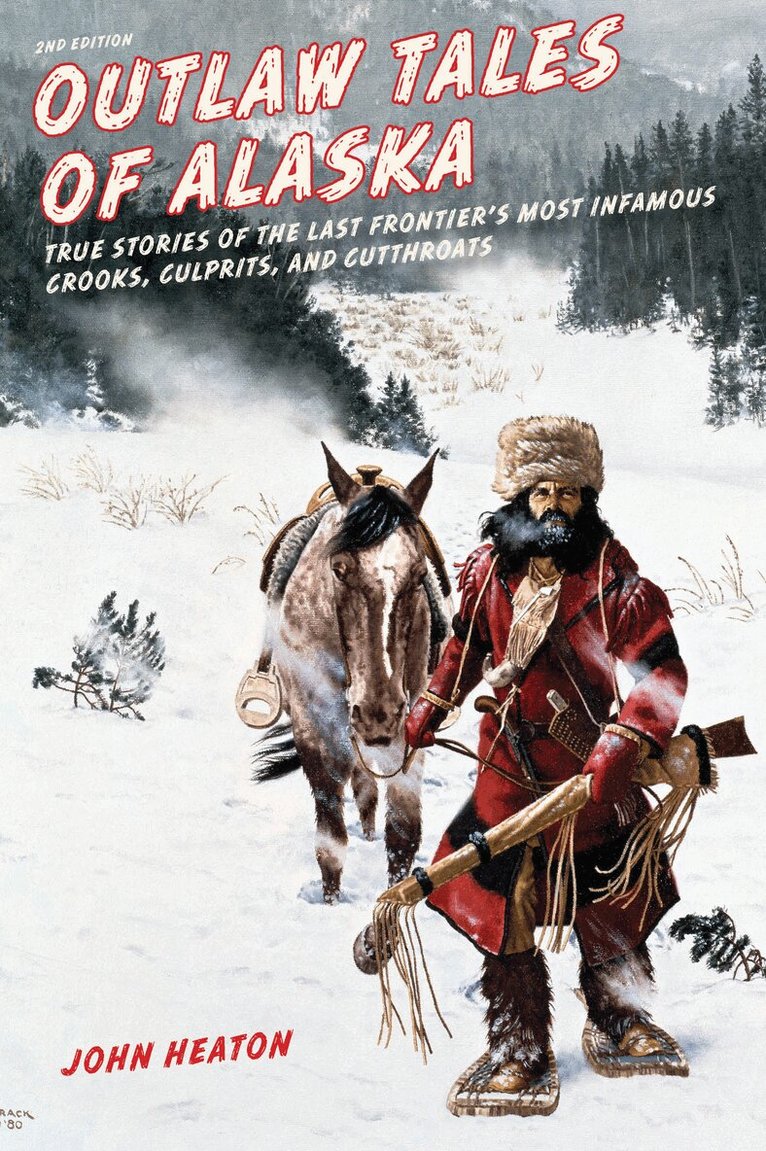
Outlaw Tales of Alaska
True Stories of the Last Frontier's Most Infamous Crooks, Culprits, and Cutthroats
Häftad, 2015
240 kr
Lägg i varukorg
Massacres, mayhem, and mischief fill the pages of Outlaw Tales of Alaska. Pan for gold with dry gulchers and claim jumpers. Duck the bullets of murderers, plot strategies with con artists, hiss at lawmen turned outlaws. A refreshing new perspective on some of the most infamous reprobates of the …
Outlaw Tales of Alaska
True Stories of the Last Frontier's Most Infamous Crooks, Culprits, and Cutthroats
E-bok, 2015
260 kr
Lägg i varukorg
Massacres, mayhem, and mischief fill the pages of Outlaw Tales of Alaska. Pan for gold with dry gulchers and claim jumpers. Duck the bullets of murderers, plot strategies with con artists, hiss at lawmen turned outlaws. A refreshing new perspective on some of the most infamous reprobates of the …