John W. Meyer – författare
Visar alla böcker från författaren John W. Meyer. Handla med fri frakt och snabb leverans.
16 produkter
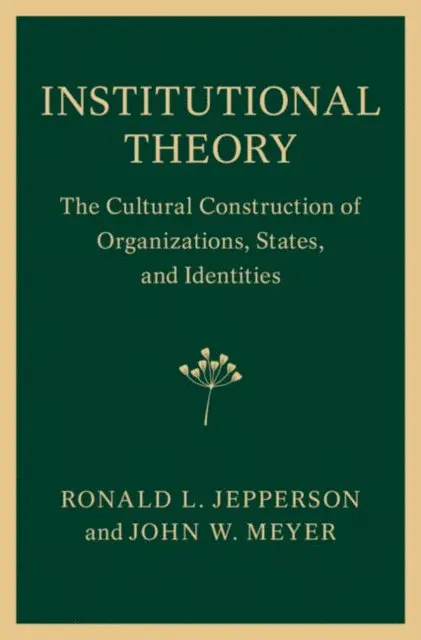
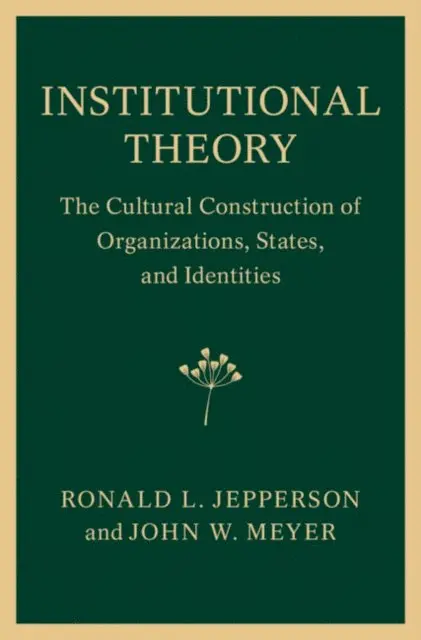
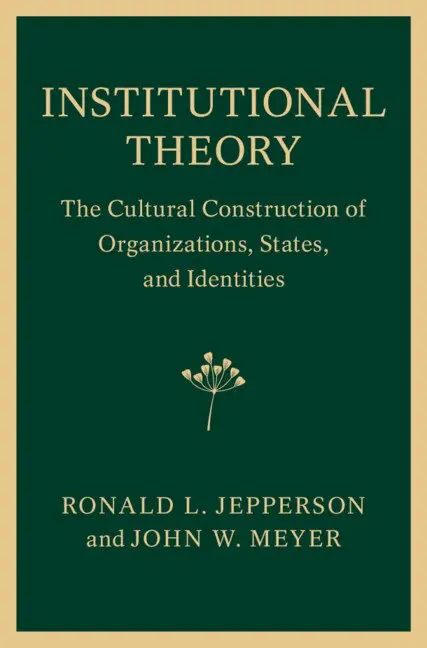
Institutional Theory
The Cultural Construction of Organizations, States, and Identities
Av John W. Meyer, Ronald L. Jepperson
E-bok, 2021
555 kr
Lägg i varukorg
Over the past three decades, Meyer, Jepperson, and colleagues have contributed to the development of one of the leading approaches in social theory, by analyzing the cultural frameworks that have shaped modern organizations, states, and identities. Bringing together key articles and new …
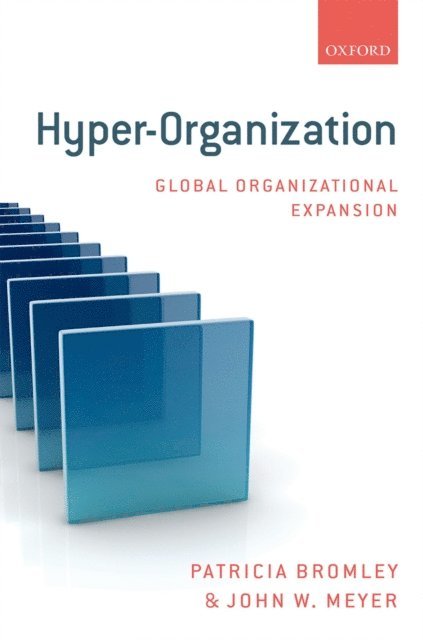
Hyper-Organization
Global Organizational Expansion
Av John W. Meyer, Patricia Bromley
E-bok, 2015
538 kr
Lägg i varukorg
Hyper-Organization offers an institutional explanation for the expansion of formal organization in the contemporary era-in numbers, internal complexity, social domains, and national contexts. Much expansion is hard to justify in terms of technical production or political power, it lies in areas …
Globalization and Organization
World Society and Organizational Change
Av Hokyu Hwang, John W. Meyer m. fl.
E-bok, 2006
652 kr
Lägg i varukorg
All around the world, societies are experiencing an explosion of organizations and organizing: community clubs, religious groups, social movements, as well as schools, hospitals, businesses and government agencies, increasingly take the form of complex and formal organization. Why? Why is global …
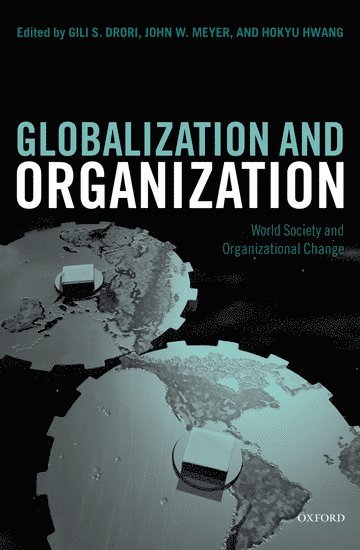
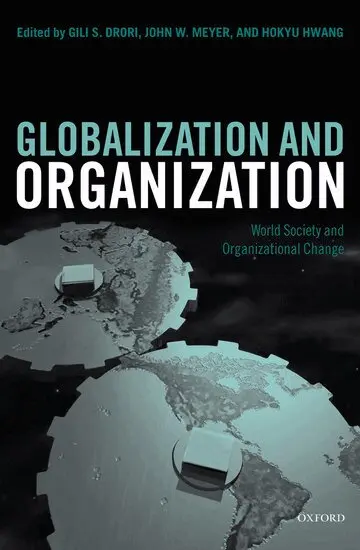
Globalization and Organization
World Society and Organizational Change
Av Gili S. Drori, John W. Meyer m. fl.
Inbunden, 2006
1316 kr
Lägg i varukorg
The process of globalization has meant the intensification of global interdependencies and the consolidation of the global as a social horizon, and this has provided fertile breeding grounds for new organizations and the elaboration of extinct ones, This book describes and analyzes these …
Globalization and Organization
World Society and Organizational Change
Av Gili S. Drori, John W. Meyer m. fl.
Häftad, 2006
1060 kr
Lägg i varukorg
All around the world, societies are experiencing an explosion of organizations and organizing: community clubs, religious groups, social movements, as well as schools, hospitals, businesses and government agencies, increasingly take the form of complex and formal organization. Why? Why is global …
Hyper-Organization
Global Organizational Expansion
Av Patricia Bromley, John W. Meyer
Inbunden, 2015
1382 kr
Lägg i varukorg
Hyper-Organization offers an institutional explanation for the expansion of formal organization in the contemporary era-in numbers, internal complexity, social domains, and national contexts. Much expansion is hard to justify in terms of technical production or political power, it lies in areas …
Hyper-Organization
Global Organizational Expansion
Av Patricia Bromley, John W. Meyer
Häftad, 2015
653 kr
Lägg i varukorg
Hyper-Organization offers an institutional explanation for the expansion of formal organization in the contemporary era-in numbers, internal complexity, social domains, and national contexts. Much expansion is hard to justify in terms of technical production or political power, it lies in areas …
University and the Global Knowledge Society
Av David John Frank, John W. Meyer
Häftad, 2020
567 kr
Lägg i varukorg
How the university went global and became the heart of the information ageThe university is experiencing an unprecedented level of success today, as more universities in more countries educate more students in more fields. At the same time, the university has become central to a knowledge society …
University and the Global Knowledge Society
Av David John Frank, John W. Meyer
Inbunden, 2020
1181 kr
Lägg i varukorg
How the university went global and became the heart of the information ageThe university is experiencing an unprecedented level of success today, as more universities in more countries educate more students in more fields. At the same time, the university has become central to a knowledge society …
University and the Global Knowledge Society
Av John W. Meyer, David John Frank
E-bok, 2020
485 kr
Lägg i varukorg
How the university went global and became the heart of the information age The university is experiencing an unprecedented level of success today, as more universities in more countries educate more students in more fields. At the same time, the university has become central to a knowledge society …
Institutional Environments and Organizations
Structural Complexity and Individualism
Av W. Richard Scott, John W. Meyer
Häftad, 1994
2101 kr
Lägg i varukorg
The institutional theory of organizations developed by Scott, Meyer and their colleagues over the past two decades has had an enormous impact on organizational theory and research. In this book, the editors review the major theoretical advances of the past decade and the empirical testing they have …
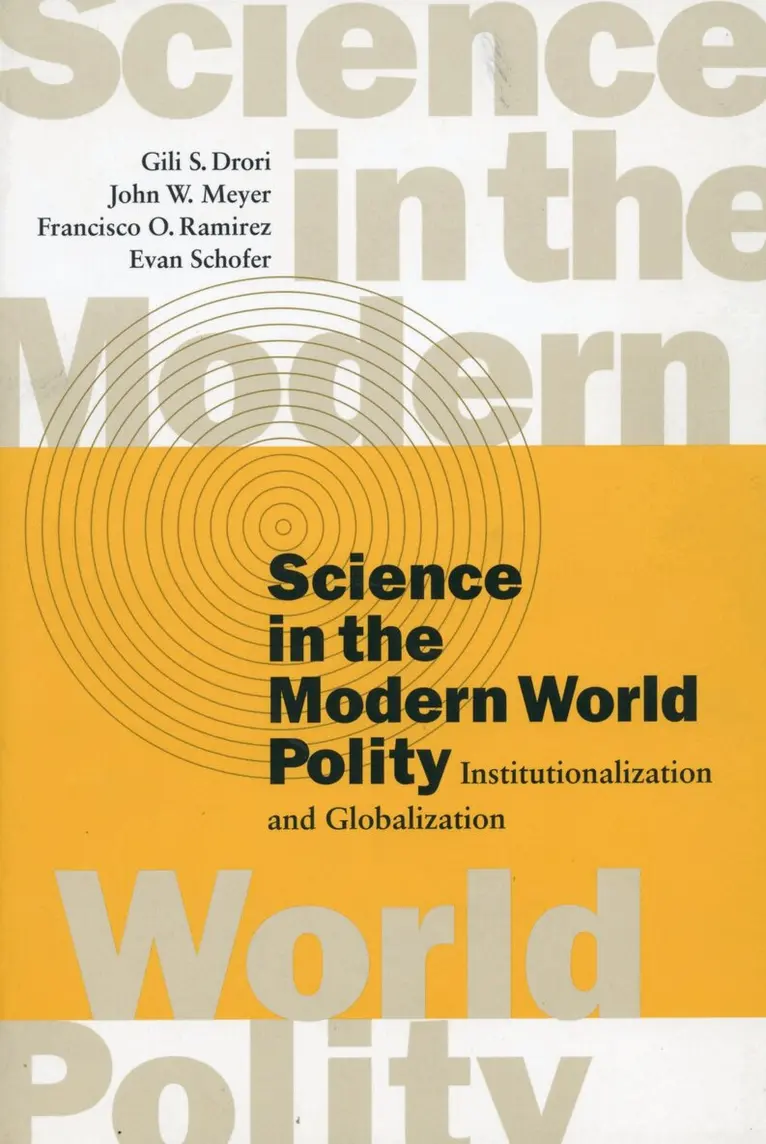
Science in the Modern World Polity
Institutionalization and Globalization
Av Gili S. Drori, John W. Meyer m. fl.
Inbunden, 2002
1705 kr
Lägg i varukorg
This book presents empirical studies of the rise, expansion, and influence of scientific discourse and organization throughout the world, over the past century. Using quantitative cross-national data, it shows the impact of this scientized world polity on national societies. It examines how this …
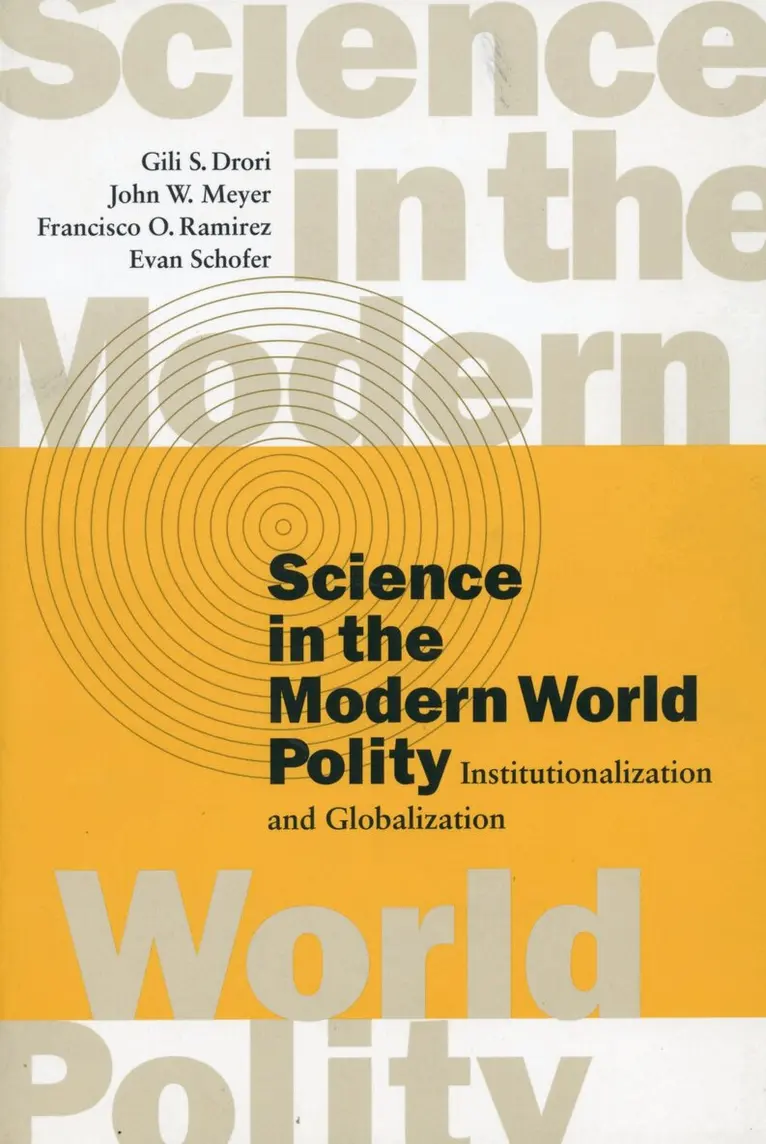
Science in the Modern World Polity
Institutionalization and Globalization
Av Gili S. Drori, John W. Meyer m. fl.
Häftad, 2002
413 kr
Lägg i varukorg
This book presents empirical studies of the rise, expansion, and influence of scientific discourse and organization throughout the world, over the past century. Using quantitative cross-national data, it shows the impact of this scientized world polity on national societies. It examines how this …
Institutional Theory
The Cultural Construction of Organizations, States, and Identities
Av John W. Meyer, Ronald L. Jepperson
E-bok, 2021
555 kr
Lägg i varukorg
Over the past three decades, Meyer, Jepperson, and colleagues have contributed to the development of one of the leading approaches in social theory, by analyzing the cultural frameworks that have shaped modern organizations, states, and identities. Bringing together key articles and new …
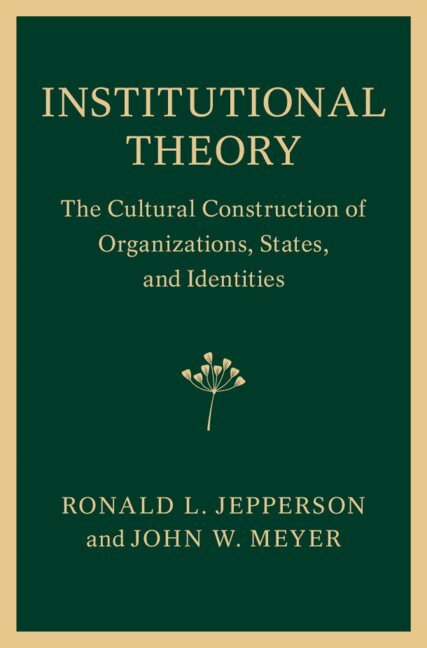
Institutional Theory
The Cultural Construction of Organizations, States, and Identities
Av Ronald L. Jepperson, John W. Meyer
Inbunden, 2021
1710 kr
Lägg i varukorg
Over the past three decades, Meyer, Jepperson, and colleagues have contributed to the development of one of the leading approaches in social theory, by analyzing the cultural frameworks that have shaped modern organizations, states, and identities. Bringing together key articles and new …
Institutional Theory
The Cultural Construction of Organizations, States, and Identities
Av Ronald L. Jepperson, John W. Meyer
Häftad, 2021
569 kr
Lägg i varukorg
Over the past three decades, Meyer, Jepperson, and colleagues have contributed to the development of one of the leading approaches in social theory, by analyzing the cultural frameworks that have shaped modern organizations, states, and identities. Bringing together key articles and new …