John Western - Böcker
Visar alla böcker från författaren John Western. Handla med fri frakt och snabb leverans.
7 produkter
7 produkter
639 kr
Skickas inom 3-6 vardagar
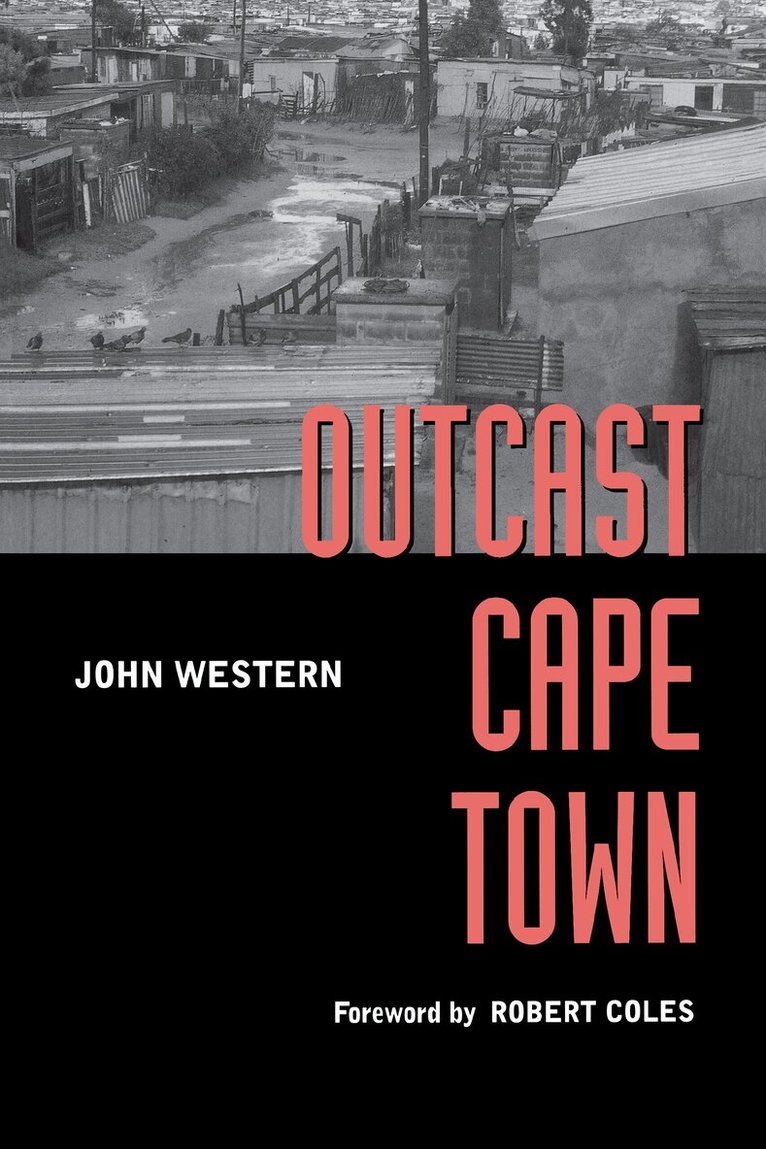
Social geographer John Western analyzes the urban spatial planning of the 1950 Group Areas Act that achieved, in the built environment of Cape Town, the racial separatism of apartheid. His new prologue for the paperback edition assesses the changes to be expected from the new government and the obstacles to significant change.
269 kr
Skickas inom 7-10 vardagar
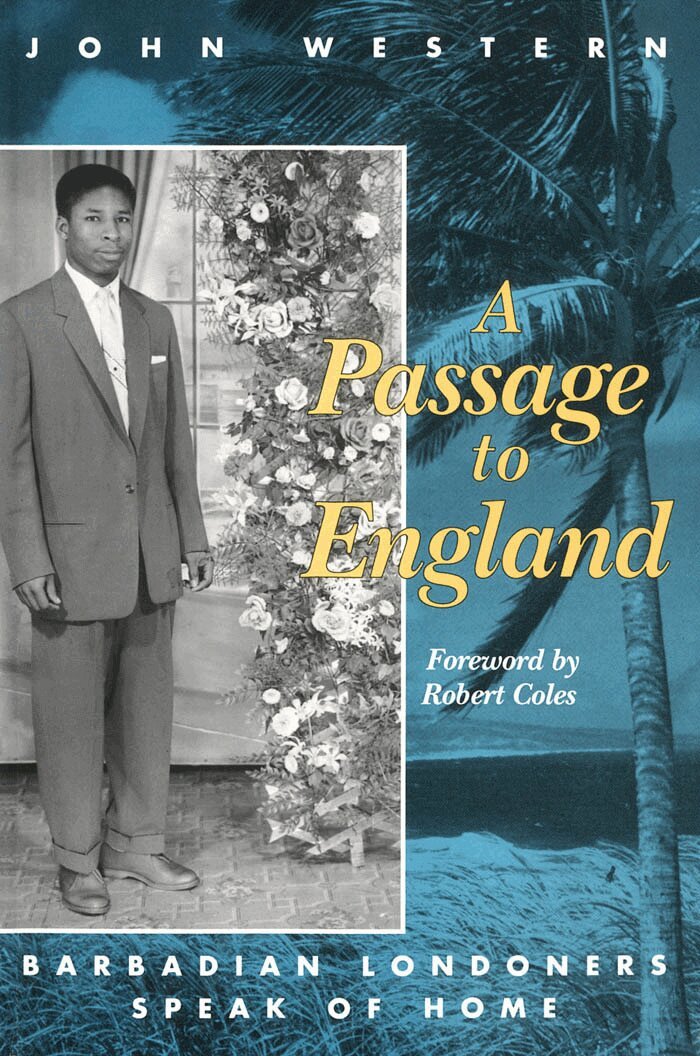
Since World War II London has become a significantly multiracial city. Some of the earliest agents of its transformation were young men and women recruited in the late 1950s from Barbados, then a British colony, to work in the metropolis’s nationalized public transportation system and in its hospitals. These Barbadians met, married, settled in London, and raised Londoner children. In 1987-88 John Western conducted a series of interviews with twelve such families--both parents and children. Their vivid words fill A Passage to England with insight, human, and, often, poignancy. Here is a rich perspective on thirty years or more of London social history.Western structured the interviews to allow the Barbadians a lot of freedom to discuss whatever came to mind concerning either their own life histories and achievements, or wider themes of culture, politics, and society. Topics covered range from matters of “race” to Margaret Thatcher and the change her decade in power has wrought in Britain. One development, for example, is the strikingly entrepreneurial spirit now embraced by some of the young British blacks, veritably “Mrs. Thatcher’s Children.” Ultimately, many of the interviewees focused on the changes they see in their ancestral island in the Caribbean, to which all of them have returned for visits. For this migrant generation especially, as the prospect of retirement begins to grow increasingly important, inevitable questions regard the definitions of “home” and “belonging” must be confronted: Does one stay in London--with one’s children and grandchildren--or does one return to Barbados, which for many seems no longer the same island as the one they left a working lifetime ago? Within the context of an ever-increasing complement of geographically mobile people worldwide, Western’s study provides unique insights into the particular ambiguities a particular set of person have wrestled with at a particular moment in history...but the import of the Barbadian Londoners’ story is universal.
827 kr
Skickas inom 10-15 vardagar
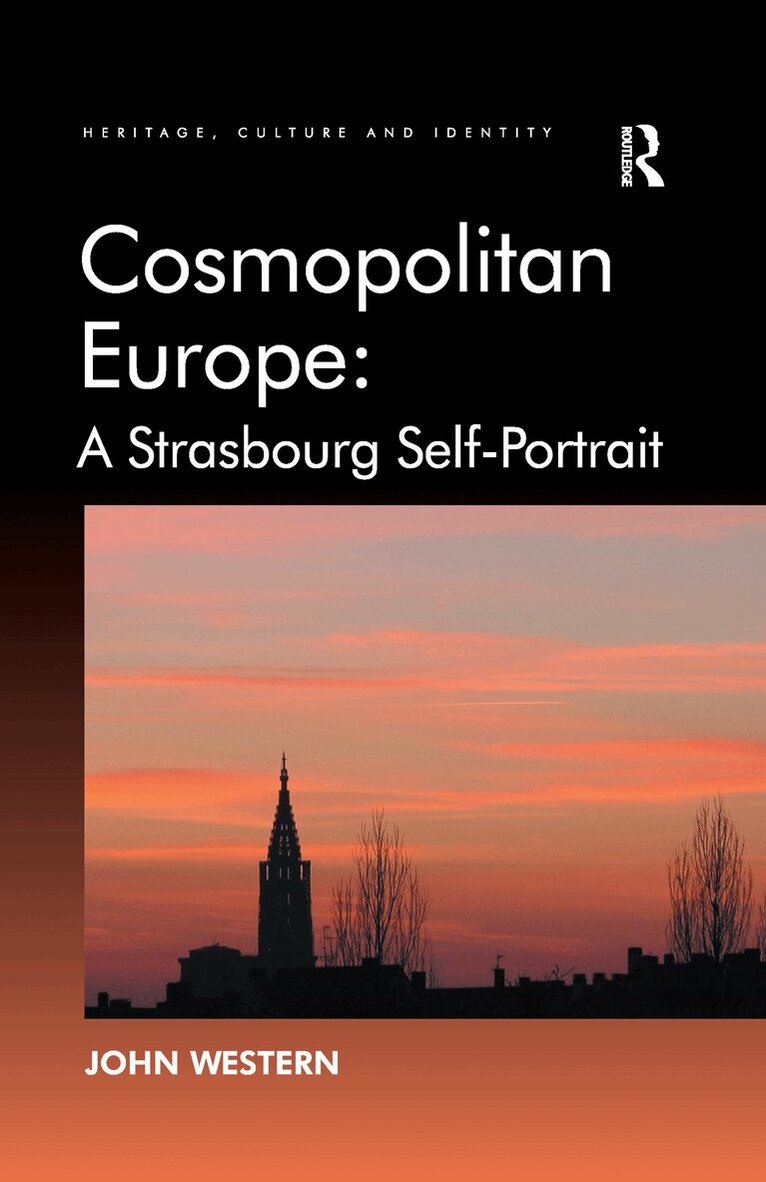
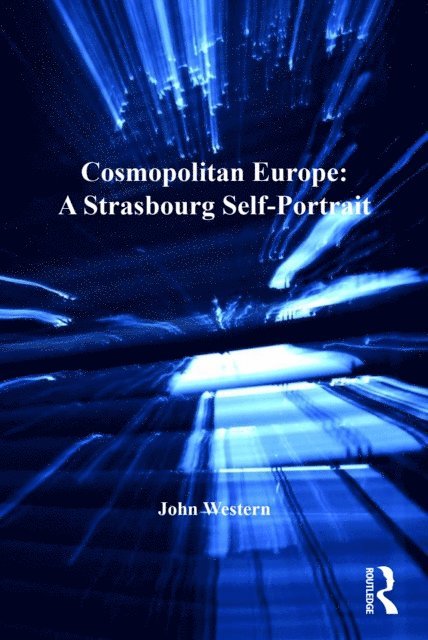
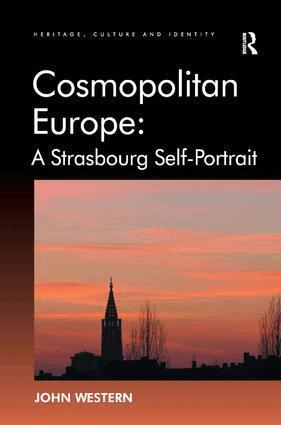
The past hundred years of Europe are distilled in the experiences of the citizens of Strasbourg. From the turn of the twentieth century until 1945, Europe's ruling idea of nationalism rendered Strasbourg/Straßburg the prize in a tug-of-war between the two greatest continental powers, France and Germany. Then, in the immediate post-war period, ideals for European unity set up various European institutions, some headquartered in Strasbourg, which have gradually created a partially supranational Europe. At the end of the 1950s, a third theme arises: the large-scale settling in Strasbourg and other such richer, western European cities of persons from poorer lands, frequently ex-colonial territories, whose appearance and cultural practices render them essentially "different" to local eyes: expressions of racism thereby jostle with professions of multiculturalism. Now in the globalisation era, the issue of "immigration" has broadened yet further into transnationalism: the experience of persons who are embedded in varying manner in both Strasbourg and in their land of origin. Based on in-depth, lively interviews with 80 men and 80 women ranging from 101 to 20 years, and from all over the world (France, Germany, Alsace-Lorraine, Portugal, Italy, ex-Yugoslavia, Albania, Algeria, Morocco, Turkey, Cameroon, and Afghanistan amongst other countries), the author draws out of these compelling testimonies all sorts of compelling insights into issues of identity, race, nationality, culture, politics, heritage and representation, giving a unique and valuable view of what it means (and has meant over the past century) to be a European.
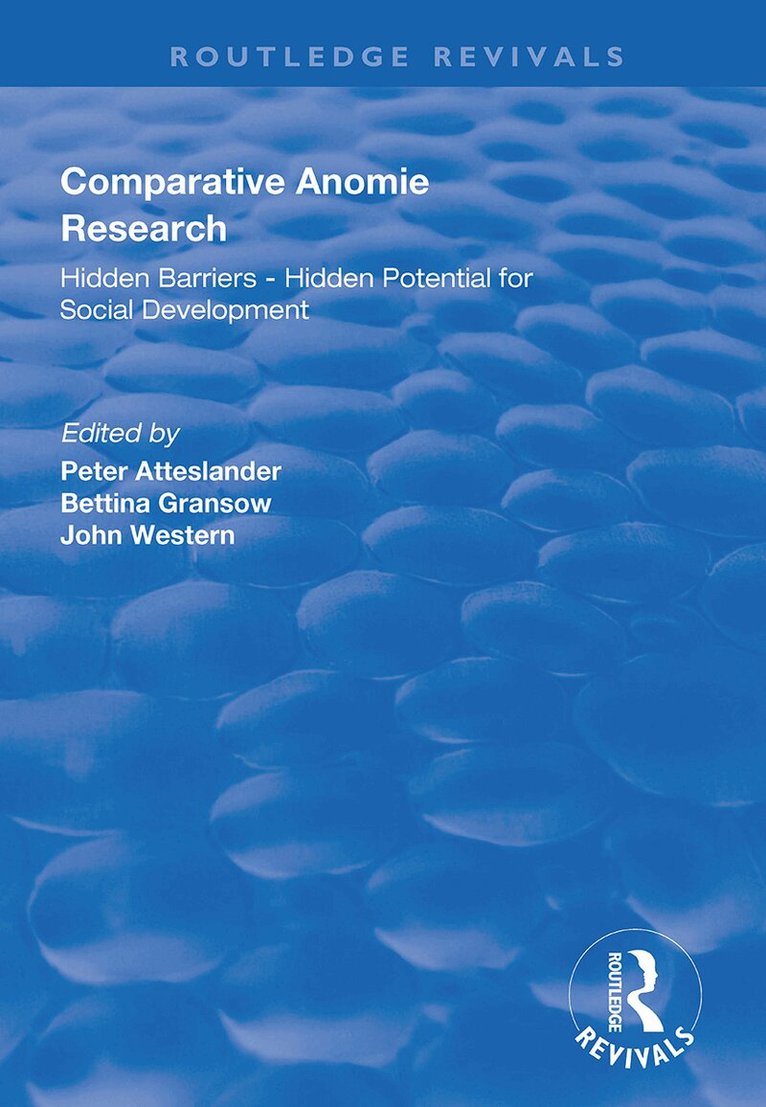
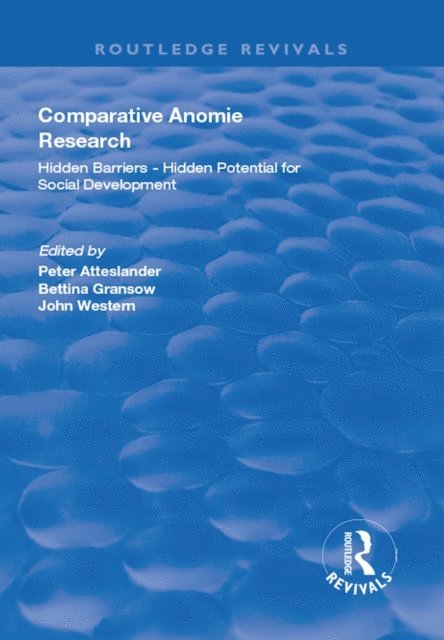
Comparative Anomie Research
Hidden Barriers - Hidden Potential for Social Development
Häftad, Engelska, 2020
371 kr
Skickas inom 10-15 vardagar
This title was first published in 2000: This text presents the results of a three-year study in social research, which aimed to measure and explain anomie in different parts of the world with different cultures and different socio-political and economic conditions. Both quantitative and qualitative methods were applied, and the book not only represents the projects in juxtaposition, but also attempts to show how they relate to each other. The project elaborated instruments for practical use of both public and private agents in development co-operation in order to assess the stability or instability of a given society and to orient development policies accordingly. The book aims to provide the basis for an early detection system for anomie. The main interest is intercultural setting, the detection of hidden anomic potential and the close linkages between scientific research and its applicability for development policy and practice in applied anomie research.
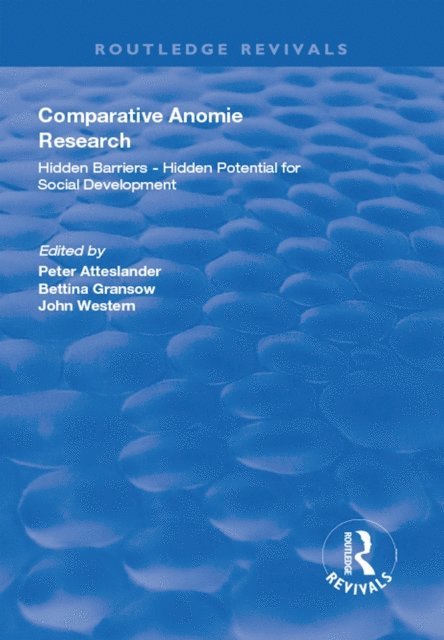
Comparative Anomie Research
Hidden Barriers - Hidden Potential for Social Development
Inbunden, Engelska, 2019
1 033 kr
Skickas inom 10-15 vardagar
This title was first published in 2000: This text presents the results of a three-year study in social research, which aimed to measure and explain anomie in different parts of the world with different cultures and different socio-political and economic conditions. Both quantitative and qualitative methods were applied, and the book not only represents the projects in juxtaposition, but also attempts to show how they relate to each other. The project elaborated instruments for practical use of both public and private agents in development co-operation in order to assess the stability or instability of a given society and to orient development policies accordingly. The book aims to provide the basis for an early detection system for anomie. The main interest is intercultural setting, the detection of hidden anomic potential and the close linkages between scientific research and its applicability for development policy and practice in applied anomie research.
2 167 kr
Skickas inom 10-15 vardagar
The past hundred years of Europe are distilled in the experiences of the citizens of Strasbourg. From the turn of the twentieth century until 1945, Europe's ruling idea of nationalism rendered Strasbourg/Straßburg the prize in a tug-of-war between the two greatest continental powers, France and Germany. Then, in the immediate post-war period, ideals for European unity set up various European institutions, some headquartered in Strasbourg, which have gradually created a partially supranational Europe. At the end of the 1950s, a third theme arises: the large-scale settling in Strasbourg and other such richer, western European cities of persons from poorer lands, frequently ex-colonial territories, whose appearance and cultural practices render them essentially "different" to local eyes: expressions of racism thereby jostle with professions of multiculturalism. Now in the globalisation era, the issue of "immigration" has broadened yet further into transnationalism: the experience of persons who are embedded in varying manner in both Strasbourg and in their land of origin. Based on in-depth, lively interviews with 80 men and 80 women ranging from 101 to 20 years, and from all over the world (France, Germany, Alsace-Lorraine, Portugal, Italy, ex-Yugoslavia, Albania, Algeria, Morocco, Turkey, Cameroon, and Afghanistan amongst other countries), the author draws out of these compelling testimonies all sorts of compelling insights into issues of identity, race, nationality, culture, politics, heritage and representation, giving a unique and valuable view of what it means (and has meant over the past century) to be a European.
125 kr
Kommande
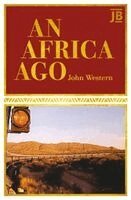
In 1968, aged 21, John Western left England, not realising that he might never bother to return. The boy who had always loved maps, trains and travel to new places was posted by Voluntary Service Overseas to a missionary school in rural Burundi, Central Africa. From the world's longest-industrialised country, he pitches into what was probably then its least industrialised nation. For two years, Western experiences life in an 'overwhelmingly illiterate subsistence economy of material poverty' - realities that provide the foundation for his fourth book, An Africa Ago. Two years after he leaves to study in the United States, Burundi's Tutsi ruling minority massacres 100,000 Hutus after an attempted coup against the military dictatorship. In 1975, Western - by this time, living in South Africa to research a doctoral thesis about apartheid in Cape Town - revisits Burundi to assess the aftermath. What he encounters will haunt him for ever. Of the schoolboys he taught, many have vanished into mass graves - carted off in lorries, still alive, then layered face down under rocks. 'The little mission hill,' he finds, 'is now a place of desolation, of widows and orphans and injustice'. Meanwhile, at the southern tip of this complex continent, Western's inside stories of the lives of Cape Town's 'Coloured' (mixed-race) residents, under the heel of 1970s apartheid, reveal an attempt to dominate, oppress and humiliate - not merely to racially segregate. But Western's memoir is not all darkness. There is adventure too - tales of overlanding 7,500 miles in barely two months, most by hitchhiking, Western's route taking in Botswana, Rhodesia (now Zimbabwe), Zambia, Tanzania, and Zaire (now the Democratic Republic of Congo). And there are accounts of strong bonds forged with working-class Afrikaners utterly removed from any political or racial disputes, the unexpected point of connection being a shared love of locomotives as the era of the steam engine was drawing to its close. And it is trains with which An Africa Ago closes - a luxurious journey on a Namibian 'sealed hotel-on-wheels' from which the author offers us a self-conscious, 21st-century return to the era of white settler colonialism in southern Africa.