Jon Hovi – författare
Visar alla böcker från författaren Jon Hovi. Handla med fri frakt och snabb leverans.
8 produkter
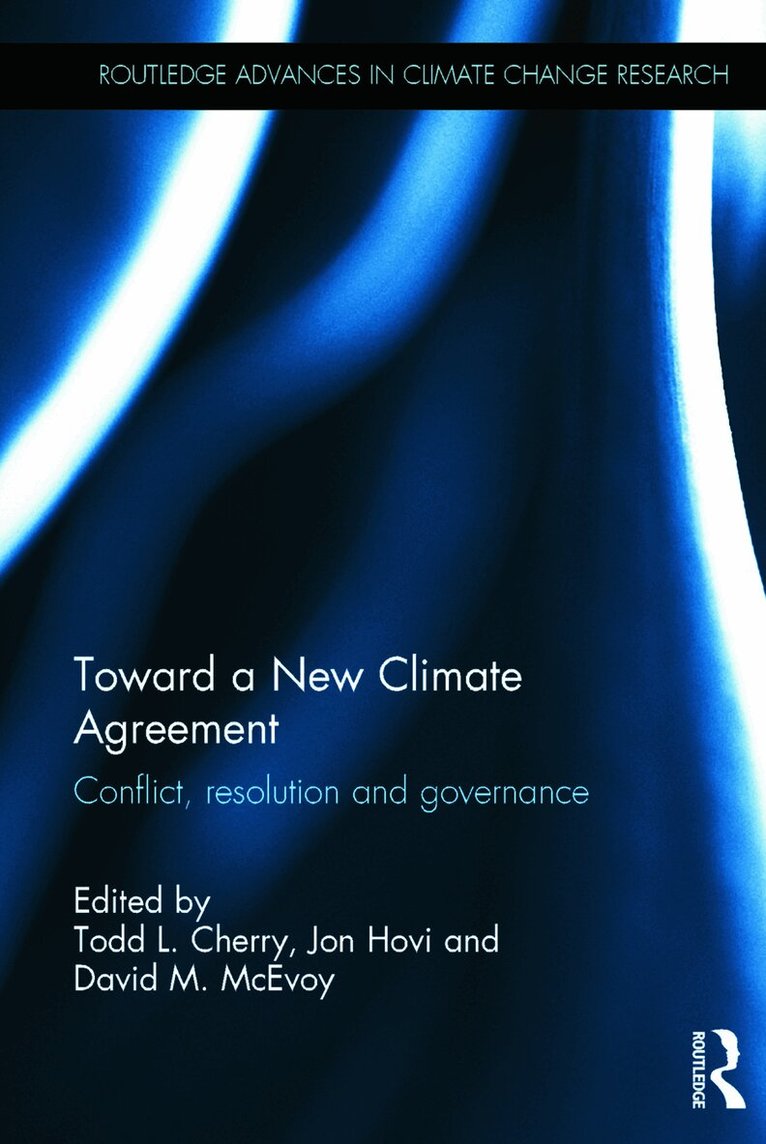
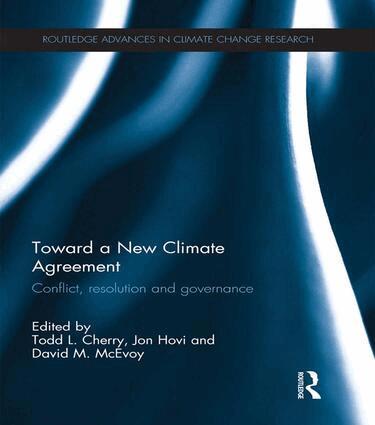
Toward a New Climate Agreement
Conflict, Resolution and Governance
Av Todd Cherry, Jon Hovi m. fl.
Inbunden, 2014
2315 kr
Lägg i varukorg
Climate change is one of the most pressing problems facing the global community. Although most states agree that climate change is occurring and is at least partly the result of humans’ reliance on fossil fuels, managing a changing global climate is a formidable challenge. Underlying this challenge …
Toward a New Climate Agreement
Conflict, Resolution and Governance
Av David M. McEvoy, Jon Hovi m. fl.
E-bok, 2014
988 kr
Lägg i varukorg
Climate change is one of the most pressing problems facing the global community. Although most states agree that climate change is occurring and is at least partly the result of humans’ reliance on fossil fuels, managing a changing global climate is a formidable challenge. Underlying this …
Toward a New Climate Agreement
Conflict, Resolution and Governance
Av David M. McEvoy, Jon Hovi m. fl.
E-bok, 2014
988 kr
Lägg i varukorg
Climate change is one of the most pressing problems facing the global community. Although most states agree that climate change is occurring and is at least partly the result of humans’ reliance on fossil fuels, managing a changing global climate is a formidable challenge. Underlying this …
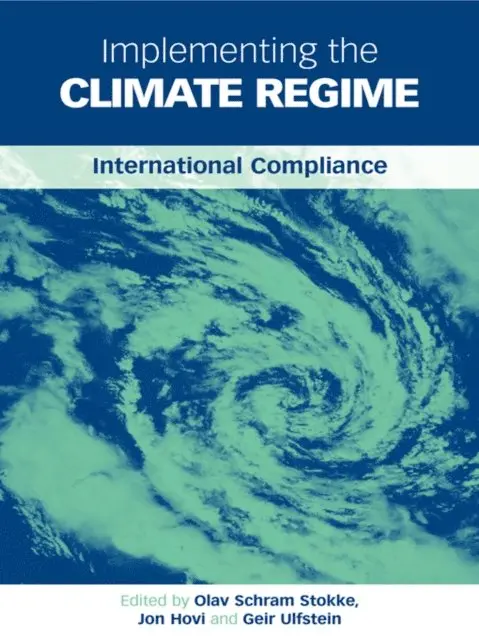
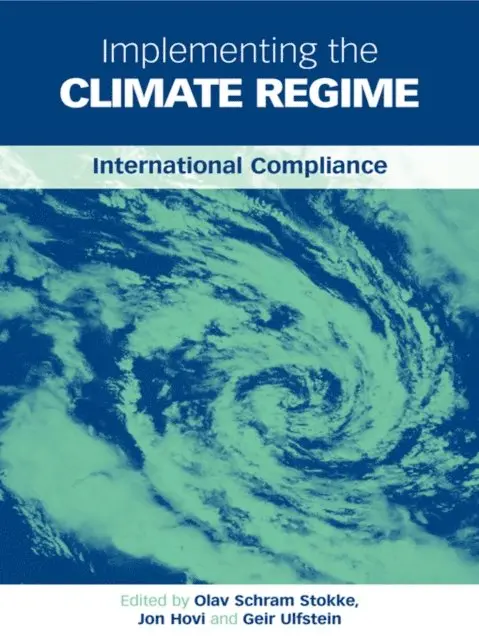
Implementing the Climate Regime
International Compliance
Av Olav Schram Stokke, Geir Ulfstein m. fl.
E-bok, 2013
795 kr
Lägg i varukorg
Global warming is the most severe environmental challenge faced by humanity today and the costs of responding effectively will be high. While Russia''s ratification of the Kyoto Protocol ensures the treaty''s entry into force, lack of capacity, or incentives to renege on their commitments, will …
Implementing the Climate Regime
International Compliance
Av Olav Schram Stokke, Geir Ulfstein m. fl.
E-bok, 2013
813 kr
Lägg i varukorg
Global warming is the most severe environmental challenge faced by humanity today and the costs of responding effectively will be high. While Russia''s ratification of the Kyoto Protocol ensures the treaty''s entry into force, lack of capacity, or incentives to renege on their commitments, will …
Toward a New Climate Agreement
Conflict, Resolution and Governance
Av Todd Cherry, Jon Hovi m. fl.
Häftad, 2016
838 kr
Lägg i varukorg
Climate change is one of the most pressing problems facing the global community. Although most states agree that climate change is occurring and is at least partly the result of humans’ reliance on fossil fuels, managing a changing global climate is a formidable challenge. Underlying this challenge …
Implementing the Climate Regime
International Compliance
Av Olav Schram Stokke, Jon Hovi m. fl.
Häftad, 2016
692 kr
Lägg i varukorg
Global warming is the most severe environmental challenge faced by humanity today and the costs of responding effectively will be high. While Russia's ratification of the Kyoto Protocol ensures the treaty's entry into force, lack of capacity, or incentives to renege on their commitments, will …
Implementing the Climate Regime
International Compliance
Av Olav Schram Stokke, Jon Hovi m. fl.
Inbunden, 2005
2319 kr
Lägg i varukorg
Global warming is the most severe environmental challenge faced by humanity today and the costs of responding effectively will be high. While Russia's ratification of the Kyoto Protocol ensures the treaty's entry into force, lack of capacity, or incentives to renege on their commitments, will …