Jon M. Erlandson – författare
Visar alla böcker från författaren Jon M. Erlandson. Handla med fri frakt och snabb leverans.
12 produkter
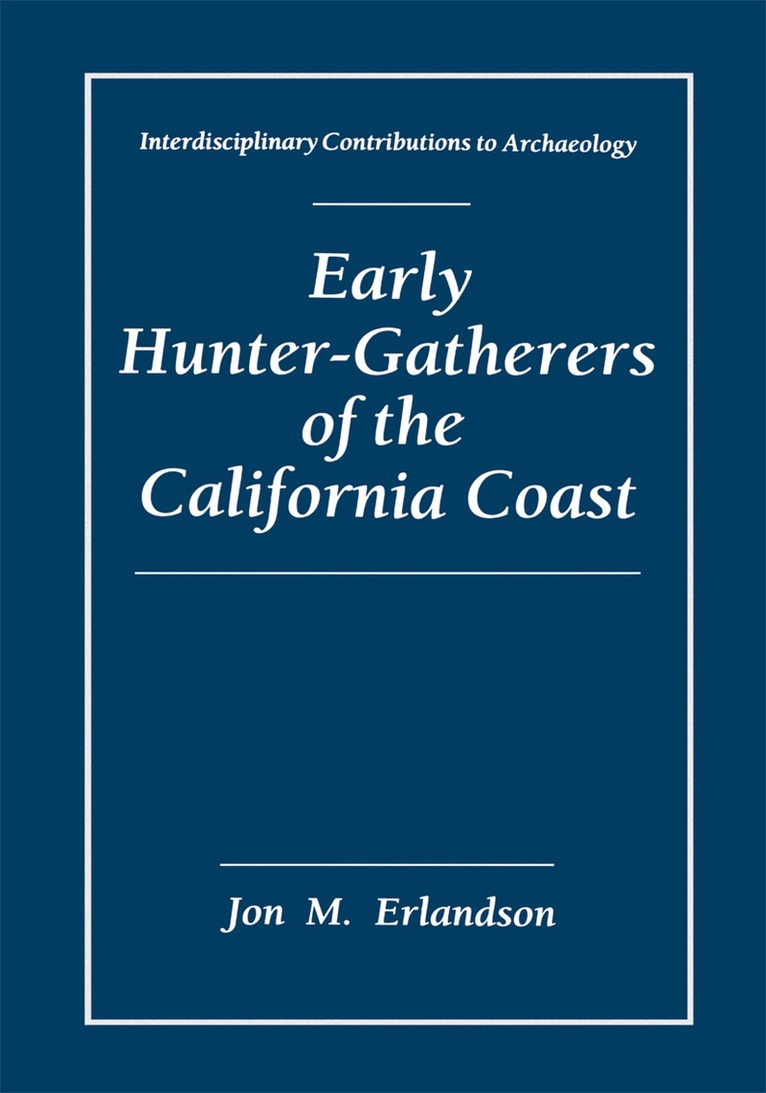
Early Hunter-Gatherers of the California Coast
Inbunden, 1994
2029 kr
Lägg i varukorg
Based on detailed excavation data, the author reconstructs the paleography of the Santa Barbara coast ca. 8500 years ago, makes comparisons to other early California sites, and applies his findings to current theories of hunter-gatherers and coastal environments. With an emphasis on paleographic …
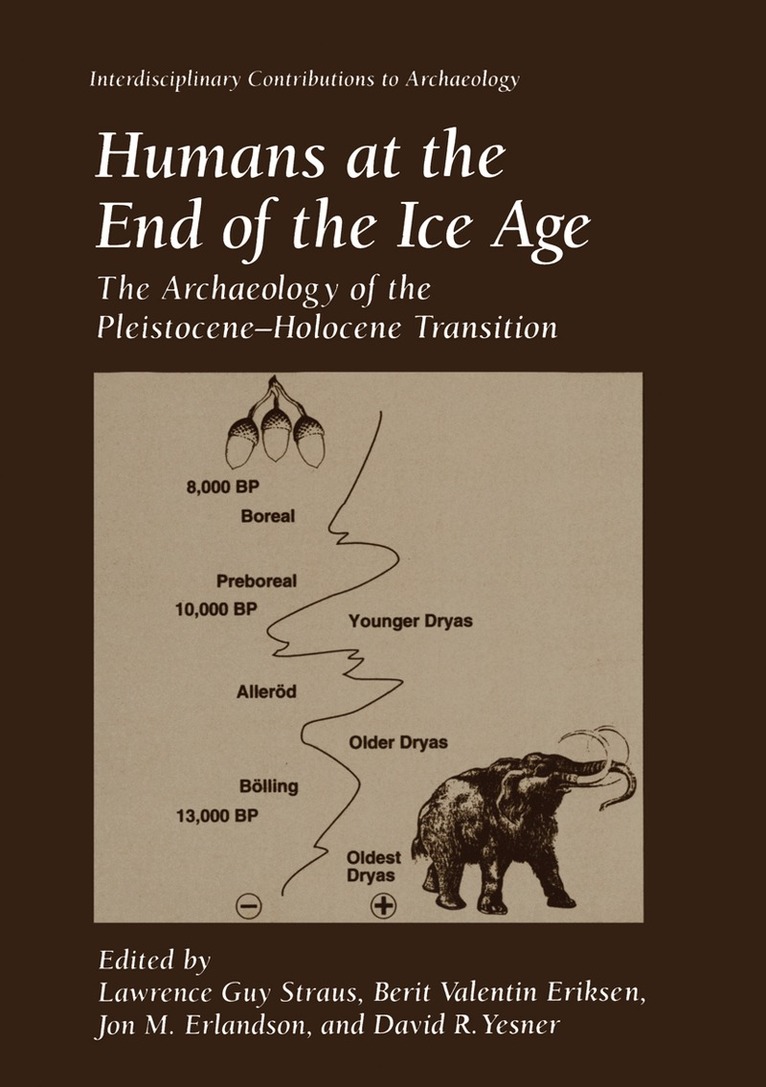
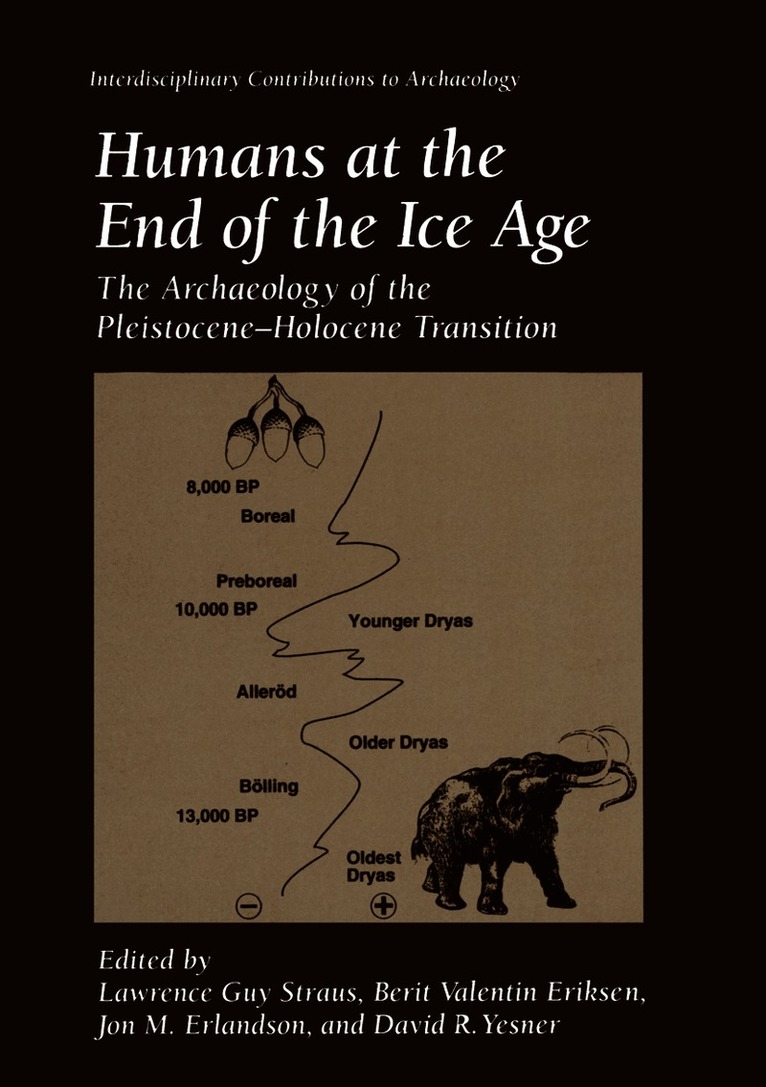
Humans at the End of the Ice Age
The Archaeology of the Pleistocene—Holocene Transition
Av Lawrence Guy Straus, Berit Valentin Eriksen m. fl.
Inbunden, 1996
1692 kr
Lägg i varukorg
Humans at the End of the Ice Age chronicles and explores the significance of the variety of cultural responses to the global environmental changes at the last glacial-interglacial boundary. Contributions address the nature and consequences of the global climate changes accompanying the end of the …
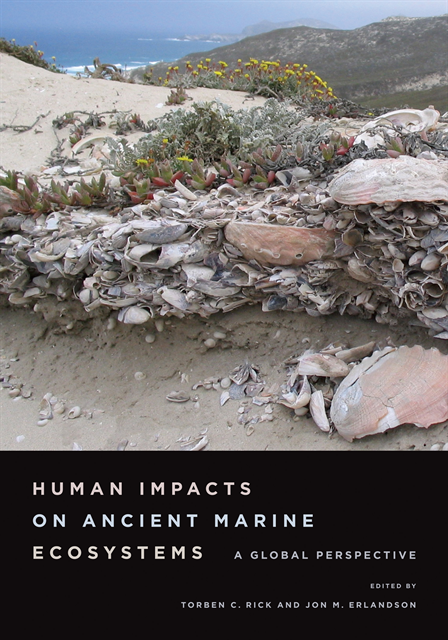
Human Impacts on Ancient Marine Ecosystems
A Global Perspective
Av Jon M. Erlandson, Torben C. Rick
E-bok, 2008
1239 kr
Lägg i varukorg
Archaeological data now show that relatively intense human adaptations to coastal environments developed much earlier than once believed—more than 125,000 years ago. With our oceans and marine fisheries currently in a state of crisis, coastal archaeological sites contain a wealth of data that can …
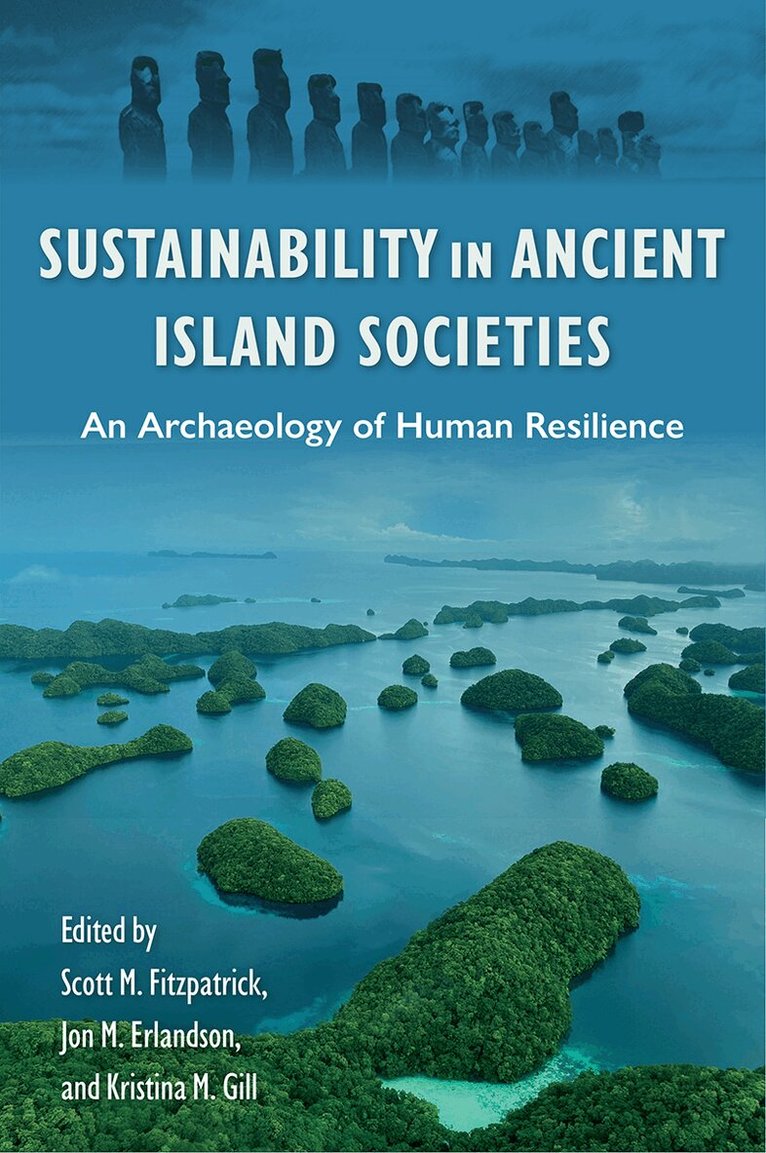
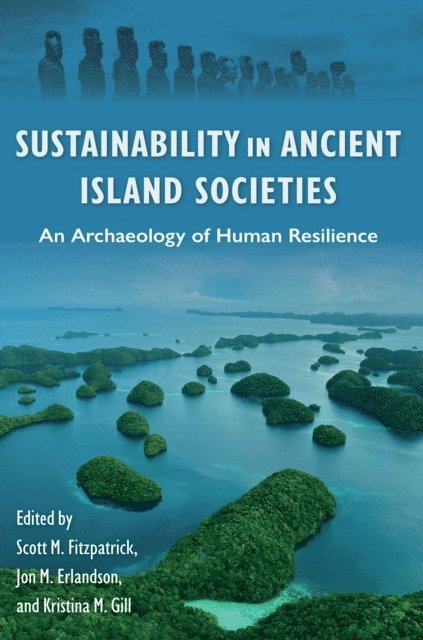
Sustainability in Ancient Island Societies
An Archaeology of Human Resilience
Av Scott M. Fitzpatrick, Jon M. Erlandson m. fl.
Inbunden, 2024
1171 kr
Lägg i varukorg
Examining dynamic interactions between humans and island environments.This volume explores the impacts humans have made on island and coastal ecosystems and the ways these environments have adapted to anthropogenic changes over the course of millennia. Case studies highlight how island populations …
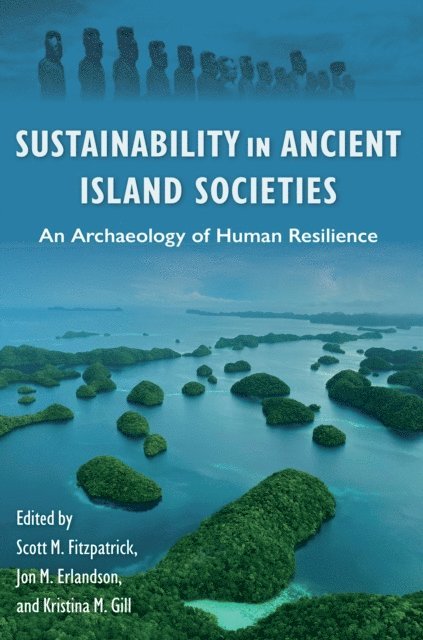
Sustainability in Ancient Island Societies
An Archaeology of Human Resilience
Av Kristina M. Gill, Jon M. Erlandson m. fl.
E-bok, 2024
3566 kr
Lägg i varukorg
Examining dynamic interactions betweenhumans and island environments Thisvolume explores the impacts humans have made on island and coastal ecosystems andthe ways these environments have adapted to anthropogenic changes over thecourse of millennia. Case studies highlight how island populations …
Sustainability in Ancient Island Societies
An Archaeology of Human Resilience
Av Kristina M. Gill, Jon M. Erlandson m. fl.
E-bok, 2024
1783 kr
Lägg i varukorg
Examining dynamic interactions betweenhumans and island environments Thisvolume explores the impacts humans have made on island and coastal ecosystems andthe ways these environments have adapted to anthropogenic changes over thecourse of millennia. Case studies highlight how island populations …
Early Hunter-Gatherers of the California Coast
Häftad, 2010
2034 kr
Lägg i varukorg
Based on detailed excavation data, the author reconstructs the paleography of the Santa Barbara coast ca. 8500 years ago, makes comparisons to other early California sites, and applies his findings to current theories of hunter-gatherers and coastal environments. With an emphasis on paleographic …
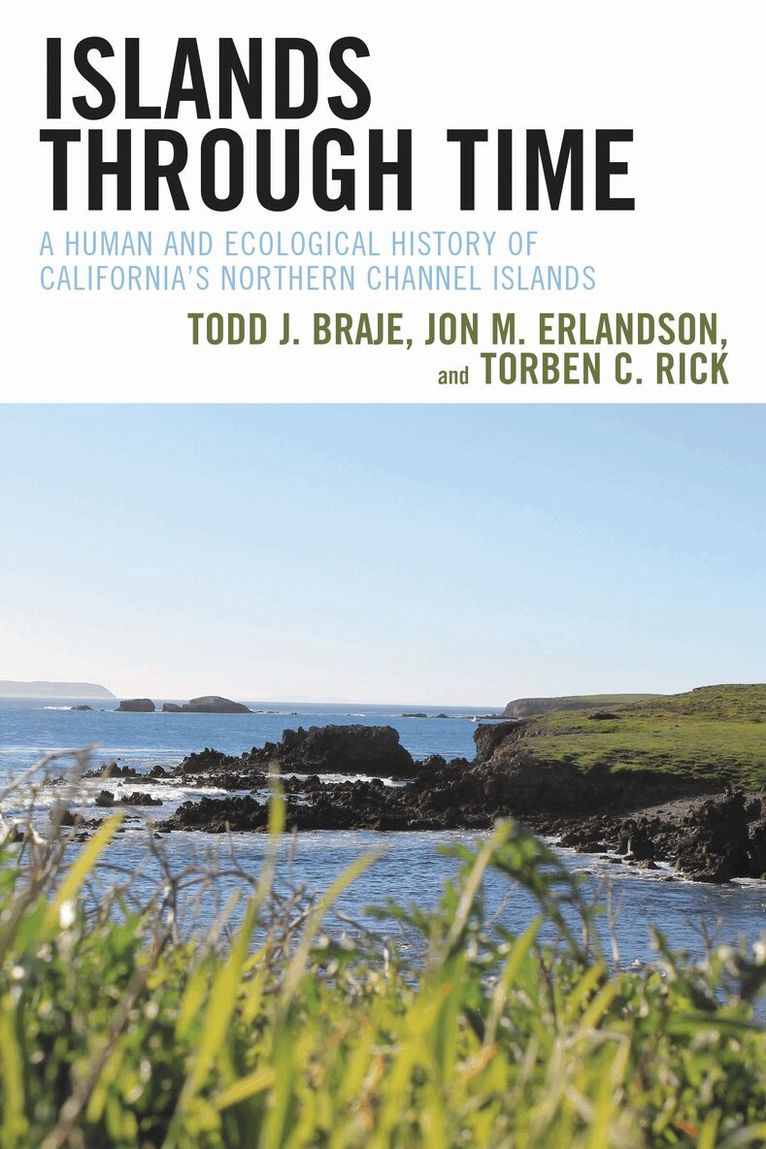
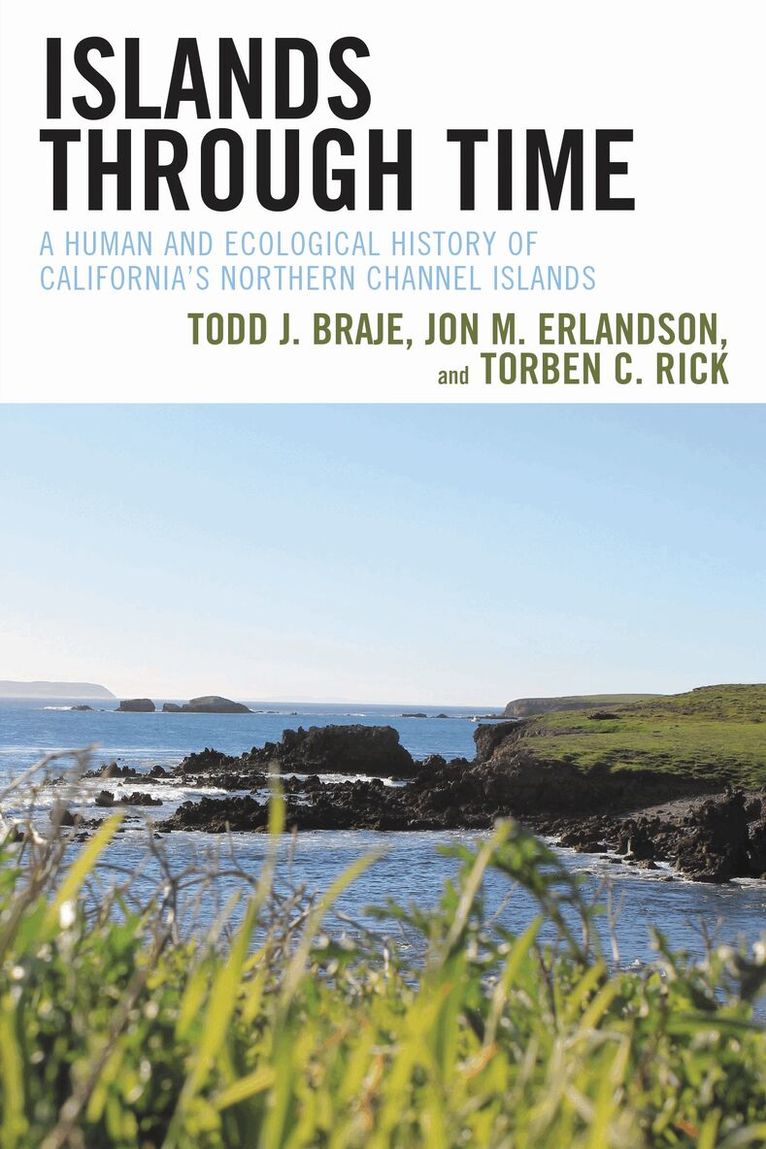
Islands through Time
A Human and Ecological History of California's Northern Channel Islands
Av Todd J. Braje, Jon M. Erlandson m. fl.
Inbunden, 2021
533 kr
Lägg i varukorg
Explore the remarkable history of one of the jewels of the US National Park systemCalifornia’s Northern Channel Islands, sometimes called the American Galápagos and one of the jewels of the US National Park system, are a located between 20 and 44 km off the southern California mainland coast. …
Humans at the End of the Ice Age
The Archaeology of the Pleistocene—Holocene Transition
Av Lawrence Guy Straus, Berit Valentin Eriksen m. fl.
Häftad, 2012
1692 kr
Lägg i varukorg
Humans at the End of the Ice Age chronicles and explores the significance of the variety of cultural responses to the global environmental changes at the last glacial-interglacial boundary. Contributions address the nature and consequences of the global climate changes accompanying the end of the …
Humans at the End of the Ice Age
The Archaeology of the Pleistocene—Holocene Transition
Av David R. Yesner, Jon M. Erlandson m. fl.
E-bok, 2012
2174 kr
Lägg i varukorg
Humans at the End of the Ice Age chronicles and explores the significance of the variety of cultural responses to the global environmental changes at the last glacial-interglacial boundary. Contributions address the nature and consequences of the global climate changes accompanying the end of the …
Early Hunter-Gatherers of the California Coast
E-bok, 2013
2677 kr
Lägg i varukorg
Based on detailed excavation data, the author reconstructs the paleography of the Santa Barbara coast ca. 8500 years ago, makes comparisons to other early California sites, and applies his findings to current theories of hunter-gatherers and coastal environments. With an emphasis on paleographic …
Islands through Time
A Human and Ecological History of California's Northern Channel Islands
Av Todd J. Braje, Jon M. Erlandson m. fl.
Häftad, 2023
299 kr
Lägg i varukorg
Explore the remarkable history of one of the jewels of the US National Park systemCalifornia’s Northern Channel Islands, sometimes called the American Galápagos and one of the jewels of the US National Park system, are a located between 20 and 44 km off the southern California mainland coast. …