Jonathan M. House - Böcker
Visar alla böcker från författaren Jonathan M. House. Handla med fri frakt och snabb leverans.
16 produkter
16 produkter
1 076 kr
Skickas inom 10-15 vardagar
This research guide is an introduction to military intelligence, a neglected aspect of warfare that provides commanders and national leaders with essential information for decision making. The introduction provides the general reader with an explanation of the terminology, procedures, and institutional problems of military intelligence, while outlining the history of this field and identifying areas for further research. The core of the guide is an extensively annotated bibliography of unclassified English language materials on military intelligence, the evolution of intelligence operations, the role of intelligence in air, ground, and naval operations, and specialized fields of espionage, counter intelligence, technical intelligence, and aerial photography. This guide is intended to fill a void in the literature for soldiers, historians, and general readers.
747 kr
Skickas inom 5-8 vardagar
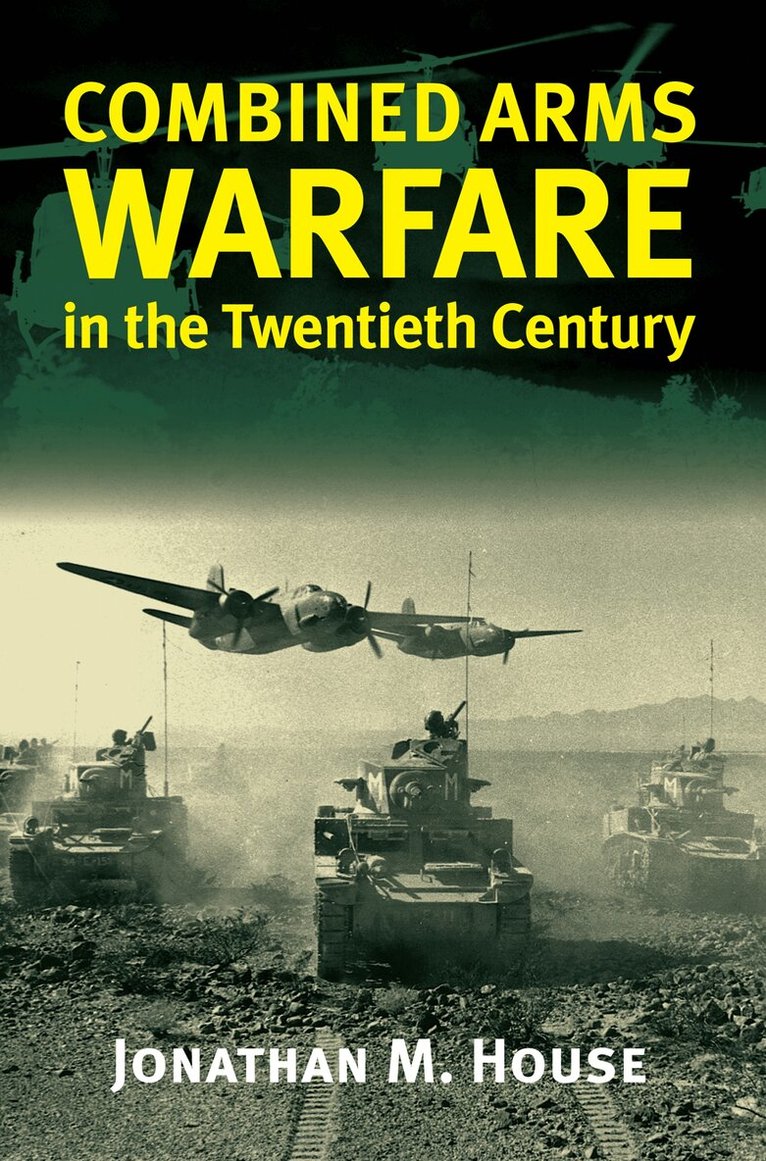
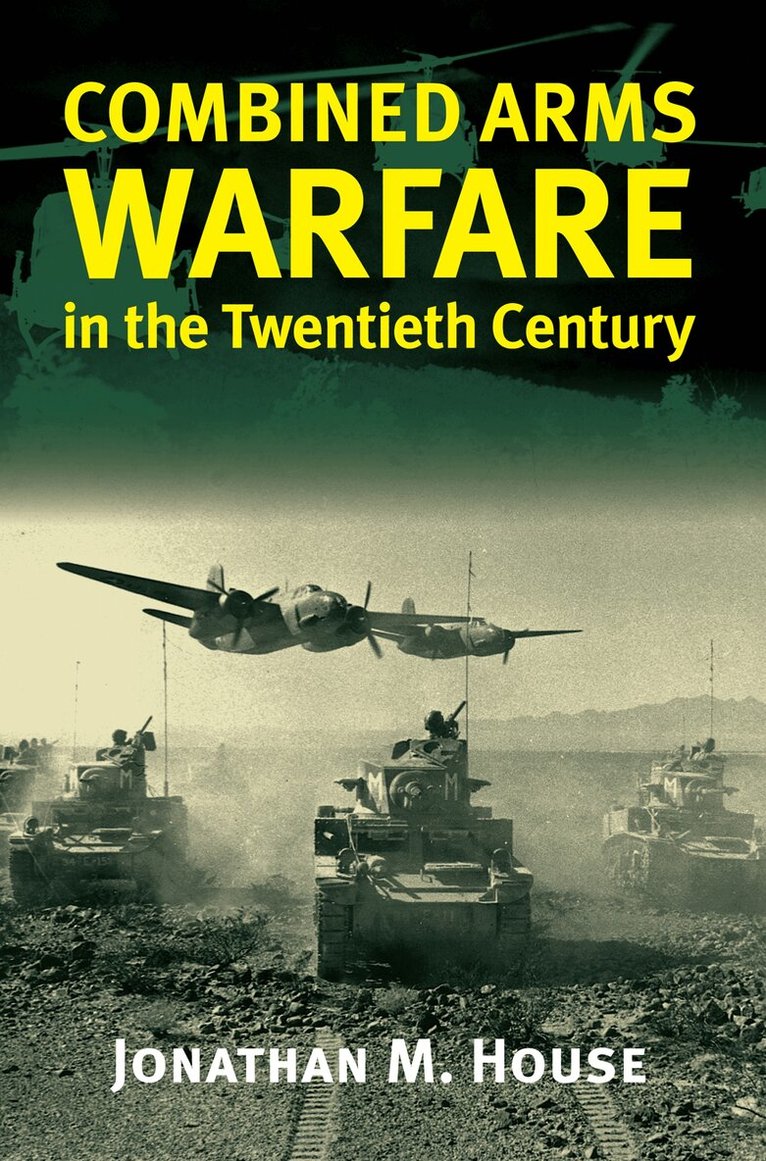
For centuries, the world has witnessed the development and use of increasingly complex and powerful military systems and technologies. In the process, the ""art of war"" has truly become the art of combined arms warfare, in which infantry, artillery, air support, intelligence, and other key elements are all coordinated for maximum effect. Nowhere has this trend been more visible than in the history of twentieth-century warfare. This title covers among other things Desert Storm, the war in Chechnya, and the rise of ""smart weapons"" and related technologies. It traces the evolution of tactics, weapons, and organization in five major militaries, American, British, German, Russian, and French, over 100 years of warfare. Revealing both continuities and contrasts within and between these fighting forces, he also provides illuminating glimpses of Israeli and Japanese contributions to combined arms doctrine. Expanding his analysis of the world wars and the wars in Korea and Vietnam, House also offers much new material focused on the post-Vietnam period. Throughout, he analyzes such issues as command-and-control, problems of highly centralized organizations, the development of special operations forces, advances in weapons technology- including ballistic and anti-ballistic missile systems- the trade-offs involved in using ""heavy"" versus ""light"" armed forces, and the enduring obstacles to effective cooperation between air and land forces.
352 kr
For centuries, the world has witnessed the development and use of increasingly complex and powerful military systems and technologies. In the process, the ""art of war"" has truly become the art of combined arms warfare, in which infantry, artillery, air support, intelligence, and other key elements are all coordinated for maximum effect. Nowhere has this trend been more visible than in the history of twentieth-century warfare. This title covers among other things Desert Storm, the war in Chechnya, and the rise of ""smart weapons"" and related technologies. It traces the evolution of tactics, weapons, and organization in five major militaries, American, British, German, Russian, and French, over 100 years of warfare. Revealing both continuities and contrasts within and between these fighting forces, he also provides illuminating glimpses of Israeli and Japanese contributions to combined arms doctrine. Expanding his analysis of the world wars and the wars in Korea and Vietnam, House also offers much new material focused on the post-Vietnam period. Throughout, he analyzes such issues as command-and-control, problems of highly centralized organizations, the development of special operations forces, advances in weapons technology- including ballistic and anti-ballistic missile systems- the trade-offs involved in using ""heavy"" versus ""light"" armed forces, and the enduring obstacles to effective cooperation between air and land forces.
610 kr
Skickas inom 3-6 vardagar
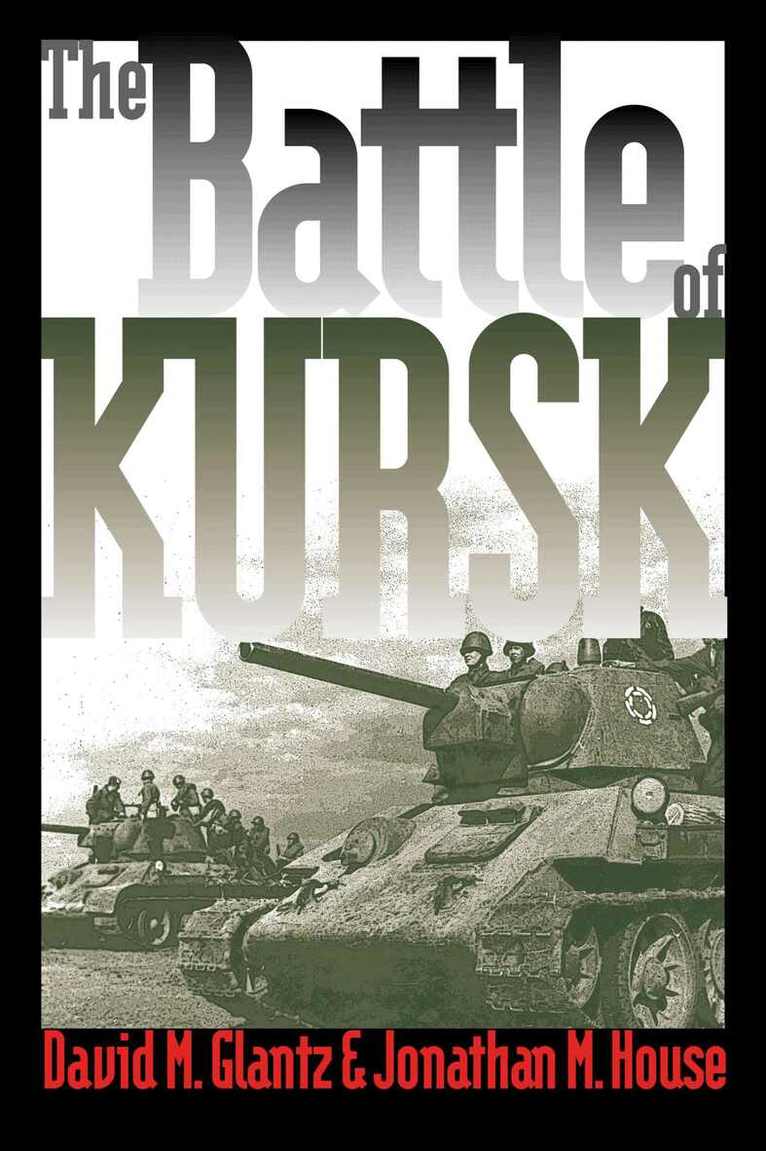
Immense in scope, ferocious in nature, and epic in consequence, the Battle of Kursk witnessed (at Prokhorovka) one of the largest tank engagements in world history and led to staggering losses - including nearly 200,000 Soviet and 50,000 German casualties within the first ten days of fighting. Going well beyond all previous accounts, David Glantz and Jonathan House now offer the definitive work on arguably the greatest battle of World War II.Drawing on both German and Soviet sources, Glantz and House separate myth from fact to show what really happened at Kursk and how it affected the outcome of the war. Their access to newly released Soviet archival material adds unprecedented detail to what is known about this legendary conflict, enabling them to reconstruct events from both perspectives and describe combat down to the tactical level.The Battle of Kursk takes readers behind Soviet lines for the first time to reveal what the Red Army knew about the plans for Hitler's offensive (Operation Citadel), relive tank warfare and hand-to-hand combat, and tell how the tide of battle turned. Its vivid portrayals of fighting in all critical sectors places the famous tank battle in its proper context. Prokhorovka here is not a well-organized set piece but a confused series of engagements and hasty attacks, with each side committing its forces piecemeal.Glantz and House's fresh interpretations demolish many of the myths that suggest Hitler might have triumphed if Operation Citadel had been conducted differently. Theirs is the first account to provide accurate figures of combat strengths and losses, and it includes 32 maps that clarify troop and tank movements.Shrouded in obscurity and speculation for more than half a century, the Battle of Kursk finally gets its due in this dramatic retelling of the confrontation that marked the turning point of the war on the Eastern front and brought Hitler's blitzkrieg to a crashing halt.
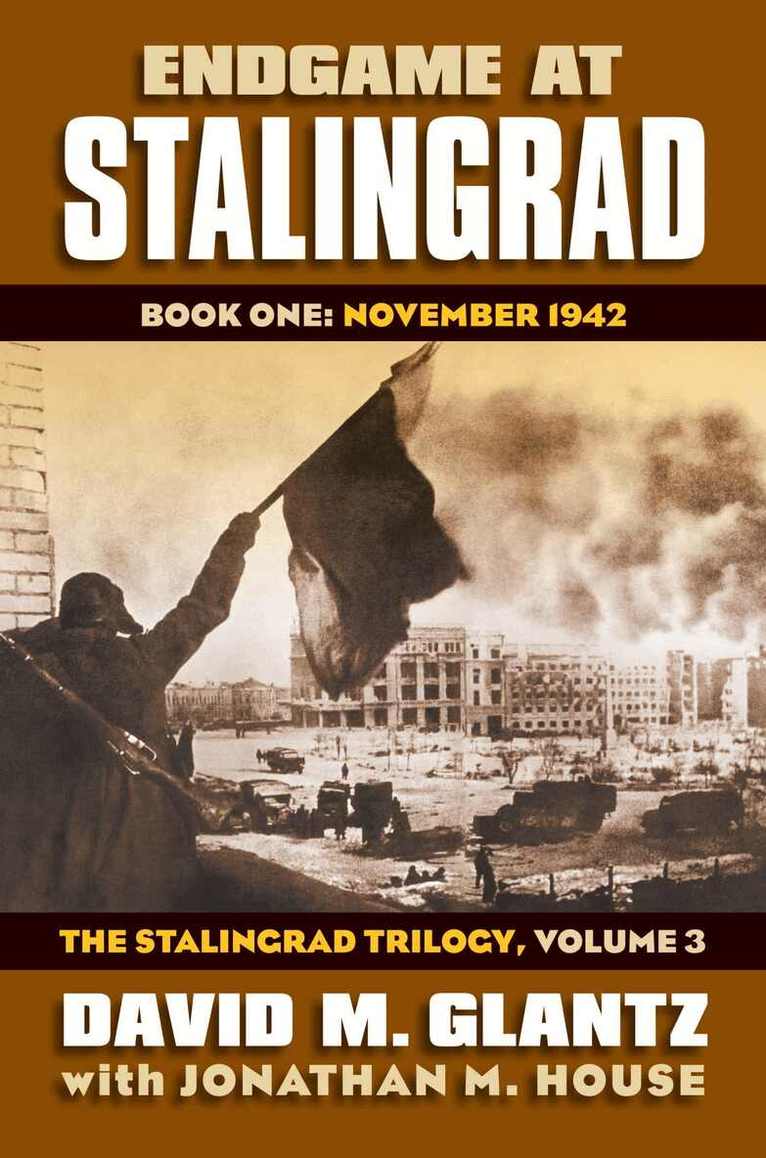
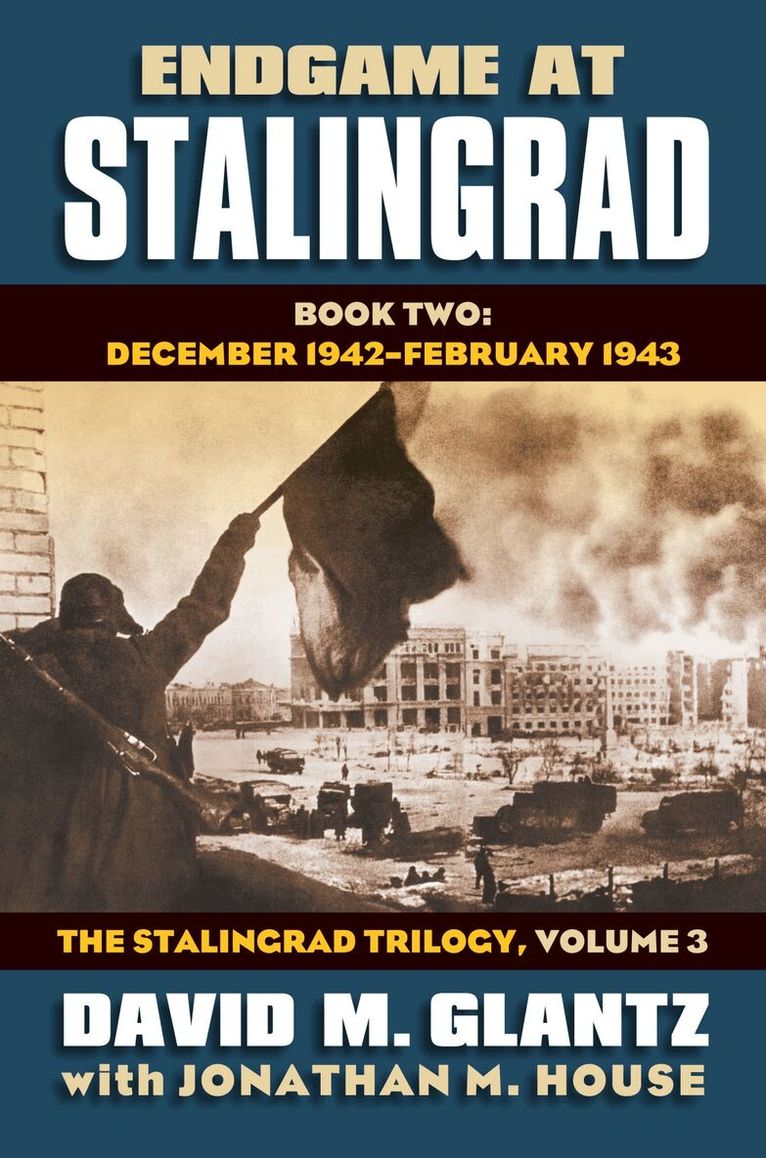
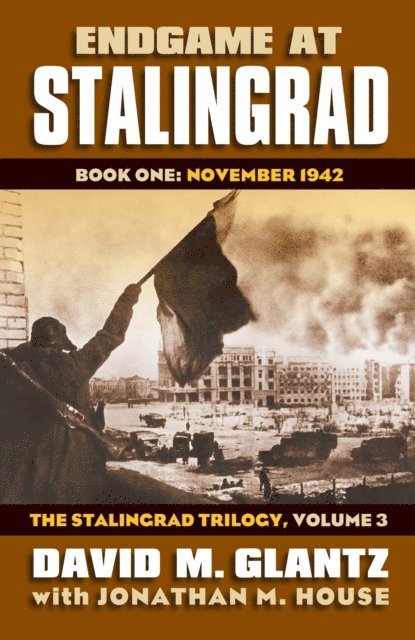
Endgame at Stalingrad: the Stalingrad Trilogy, Volume 3
Book One: November 1942
Inbunden, Engelska, 2014
752 kr
Skickas inom 7-10 vardagar
The campaign intended to secure the Wehrmacht's flanks had proven one front too many for the German Army. And now the offensive at Stalingrad, the epic clash that marked Germany's failure on the Eastern Front, was entering its grim final phase. In Book One of the third volume of his acclaimed Stalingrad Trilogy, David Glantz offers the definitive account--the ""ground truth"" to counter a half-century's worth of myth and misinformation- of the beginning of the end of one of the most infamous battles of the Second World War, and one of the most costly in lives and treasure in the annals of history.When Volume Two left off, Germany's vaunted Sixth Army, already deflected from its original goal—the Caucasus oil fields- had been drawn into a desperate war of attrition within the ravaged city of Stalingrad. In Volume Three, Book One, we see the ultimate consequences of the Germans' overreach and the gathering force of the Red Army's massive manpower and increasingly sophisticated command. After failing repeatedly to find and exploit the weaknesses in Axis defenses, Stalin and the Stavka (High Command) finally seized their chance in mid-November of 1942 by launching a bold and devastating counteroffensive, Operation Uranus.Glantz draws a detailed and vivid account of how, in Operation Uranus, the Red Army's three fronts defeated and largely destroyed two Romanian armies and encircled the German Sixth Army and half of the German Fourth Panzer Army in the Stalingrad pocket—turning the Germans' world on its head. Like its predecessor volumes, this one makes extensive use of sources previously out of reach or presumed lost, such as reports from the Sixth Army's combat journal and newly released Soviet and Russian records. These materials (many cited at length or printed in their entirety in a companion volume) lend themselves to a strikingly new interpretation of the campaign's planning and execution on both sides—a version of events that once and for all gets at the ground truth of this historic confrontation.
1 067 kr
Skickas inom 5-8 vardagar
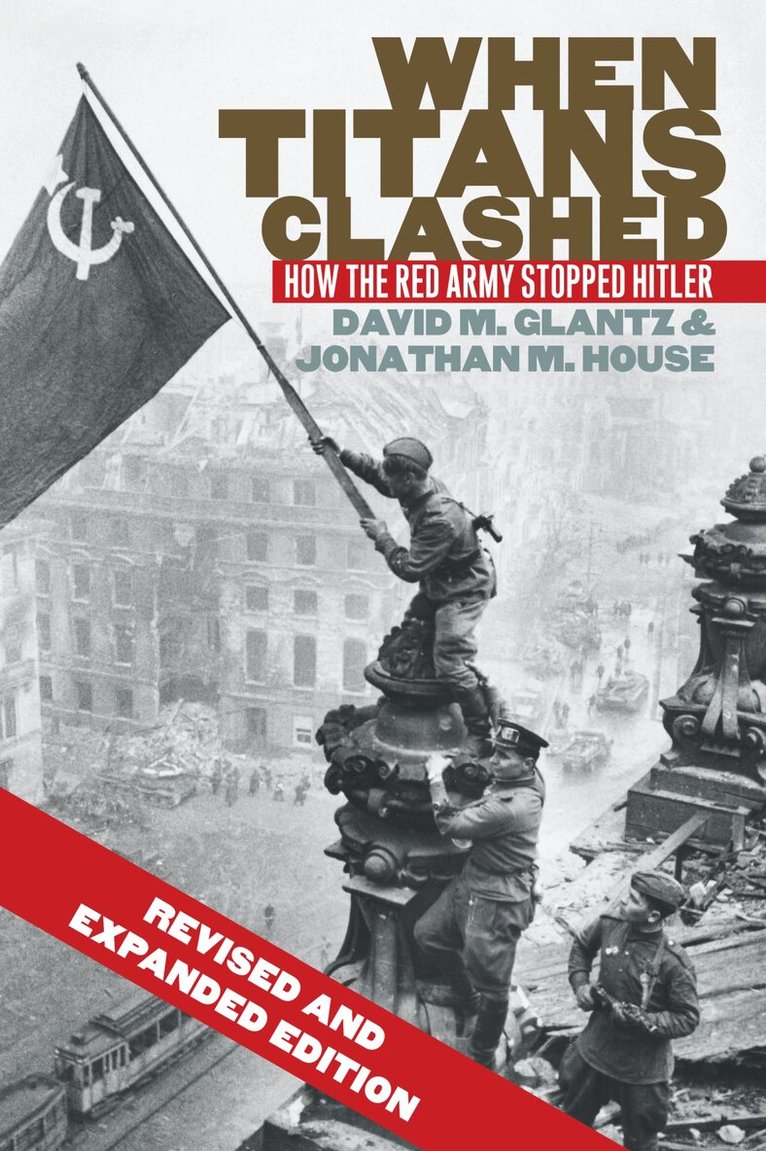
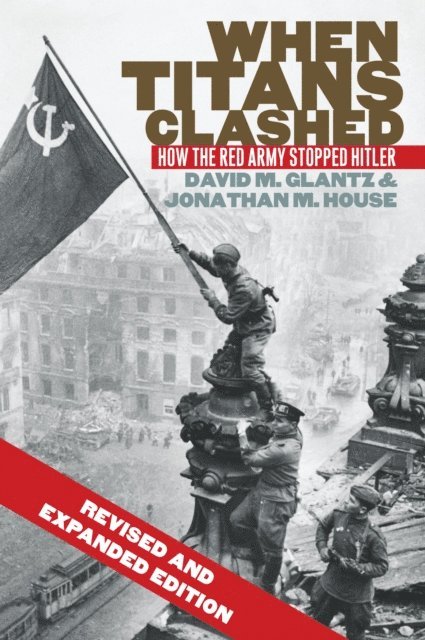
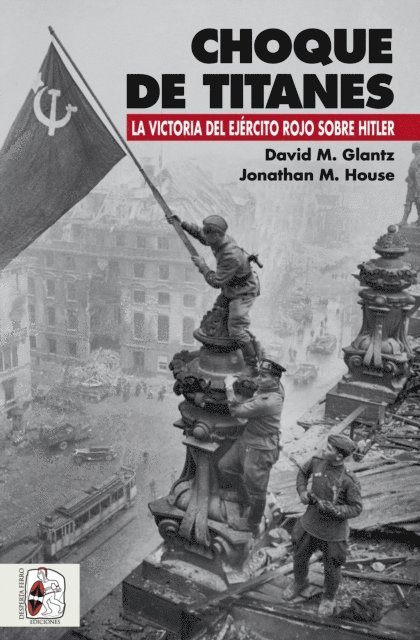
On first publication, this uncommonly concise and readable account of Soviet Russia's clash with Nazi Germany utterly changed our understanding of World War II on Germany's Eastern Front, immediately earning its place among top-shelf histories of the world war. Revised and updated to reflect recent Russian and Western scholarship on the subject, much of it the authors' own work, this new edition maintains the 1995 original's distinction as a crucial volume in the history of World War II and of the Soviet Union and the most informed and compelling perspective on one of the greatest military confrontations of all time.In 1941, when Pearl Harbor shattered America's peacetime pretensions, the German blitzkrieg had already blasted the Red Army back to Moscow. Yet, less than four years later, the Soviet hammer-and-sickle flew above the ruins of Berlin, stark symbol of a miraculous comeback that destroyed the Germany Army and put an end to Hitler's imperial designs. In swift and stirring prose, When Titans Clash provides the clearest, most complete account of this epic struggle, especially from the Soviet perspective. Drawing on the massive and unprecedented release of Soviet archival documents in recent decades, David Glantz, one of the world's foremost authorities on the Soviet military, and noted military historian Jonathan House expand and elaborate our picture of the Soviet war effort—a picture sharply different from accounts that emphasize Hitler's failed leadership over Soviet strategy and might.Rafts of newly available official directives, orders, and reports reveal the true nature and extraordinary scale of Soviet military operations as they swept across the one thousand miles from Moscow to Berlin, featuring stubborn defenses and monumental offensives and counteroffensives and ultimately costing the two sides combined a staggering twenty million casualties. Placing the war within its wider context, the authors also make use of recent revelations to clarify further the political, economic, and social issues that influenced and reflected what happened on the battlefield. Their work gives us new insight into Stalin's political motivation and Adolf Hitler's role as warlord, as well as a better understanding of the human and economic costs of the war—for both the Soviet Union and Germany.While incorporating a wealth of new information, When Titans Clashed remains remarkably compact, a tribute to the authors' determination to make this critical chapter in world history as accessible as it is essential.
352 kr
Skickas inom 7-10 vardagar
On first publication, this uncommonly concise and readable account of Soviet Russia's clash with Nazi Germany utterly changed our understanding of World War II on Germany's Eastern Front, immediately earning its place among top-shelf histories of the world war. Revised and updated to reflect recent Russian and Western scholarship on the subject, much of it the authors' own work, this new edition maintains the 1995 original's distinction as a crucial volume in the history of World War II and of the Soviet Union and the most informed and compelling perspective on one of the greatest military confrontations of all time.In 1941, when Pearl Harbor shattered America's peacetime pretensions, the German blitzkrieg had already blasted the Red Army back to Moscow. Yet, less than four years later, the Soviet hammer-and-sickle flew above the ruins of Berlin, stark symbol of a miraculous comeback that destroyed the Germany Army and put an end to Hitler's imperial designs. In swift and stirring prose, When Titans Clash provides the clearest, most complete account of this epic struggle, especially from the Soviet perspective. Drawing on the massive and unprecedented release of Soviet archival documents in recent decades, David Glantz, one of the world's foremost authorities on the Soviet military, and noted military historian Jonathan House expand and elaborate our picture of the Soviet war effort—a picture sharply different from accounts that emphasize Hitler's failed leadership over Soviet strategy and might.Rafts of newly available official directives, orders, and reports reveal the true nature and extraordinary scale of Soviet military operations as they swept across the one thousand miles from Moscow to Berlin, featuring stubborn defenses and monumental offensives and counteroffensives and ultimately costing the two sides combined a staggering twenty million casualties. Placing the war within its wider context, the authors also make use of recent revelations to clarify further the political, economic, and social issues that influenced and reflected what happened on the battlefield. Their work gives us new insight into Stalin's political motivation and Adolf Hitler's role as warlord, as well as a better understanding of the human and economic costs of the war—for both the Soviet Union and Germany.While incorporating a wealth of new information, When Titans Clashed remains remarkably compact, a tribute to the authors' determination to make this critical chapter in world history as accessible as it is essential.
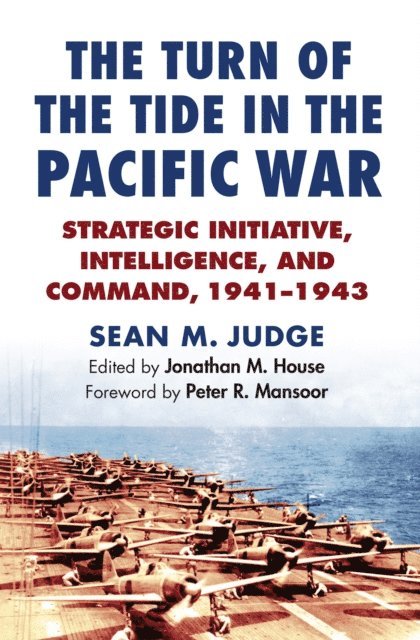
Turn of the Tide in the Pacific War
Strategic Initiative, Intelligence, and Command, 1941-1943
Inbunden, Engelska, 2018
603 kr
Skickas inom 7-10 vardagar
Midway through 1942, Japanese and Allied forces found themselves fighting on two fronts—in New Guinea and the Solomon Islands. These concurrent campaigns, conducted between July 1942 and February 1943, proved a critical turning point in the war being waged in the Pacific, as the advantage definitively shifted from the Japanese to the Americans. Key to this shift was the Allies seizing of the strategic initiative—a concept that Sean Judge examines in this book, particularly in the context of the Pacific War.The concept of strategic initiative, in this analysis, helps to explain why and how contending powers design campaigns and use military forces to alter the trajectory of war. Judge identifies five factors that come into play in capturing and maintaining the initiative: resources, intelligence, strategic acumen, combat effectiveness, and chance, all of which are affected by political will. His book uses the dual campaigns in New Guinea and the Solomon Islands as a case study in strategic initiative by reconstructing the organizations, decisions, and events that influenced the shift of initiative from one adversary to the other. Perhaps the most critical factor in this case is strategic acumen, without which the other advantages are easily squandered. Specifically, Judge details how General Douglas MacArthur and Admiral Chester Nimitz, in designing and executing these campaigns, provided the strategic leadership essential to reversing the tide of war—whose outcome, Judge contends, was not as inevitable as conventional wisdom tells us.The strategic initiative, once passed to American and Allied forces in the Pacific, would never be relinquished. In its explanation of how and why this happened, The Turn of the Tide in the Pacific War holds important lessons for students of military history and for future strategic leaders.
350 kr
Skickas inom 10-15 vardagar
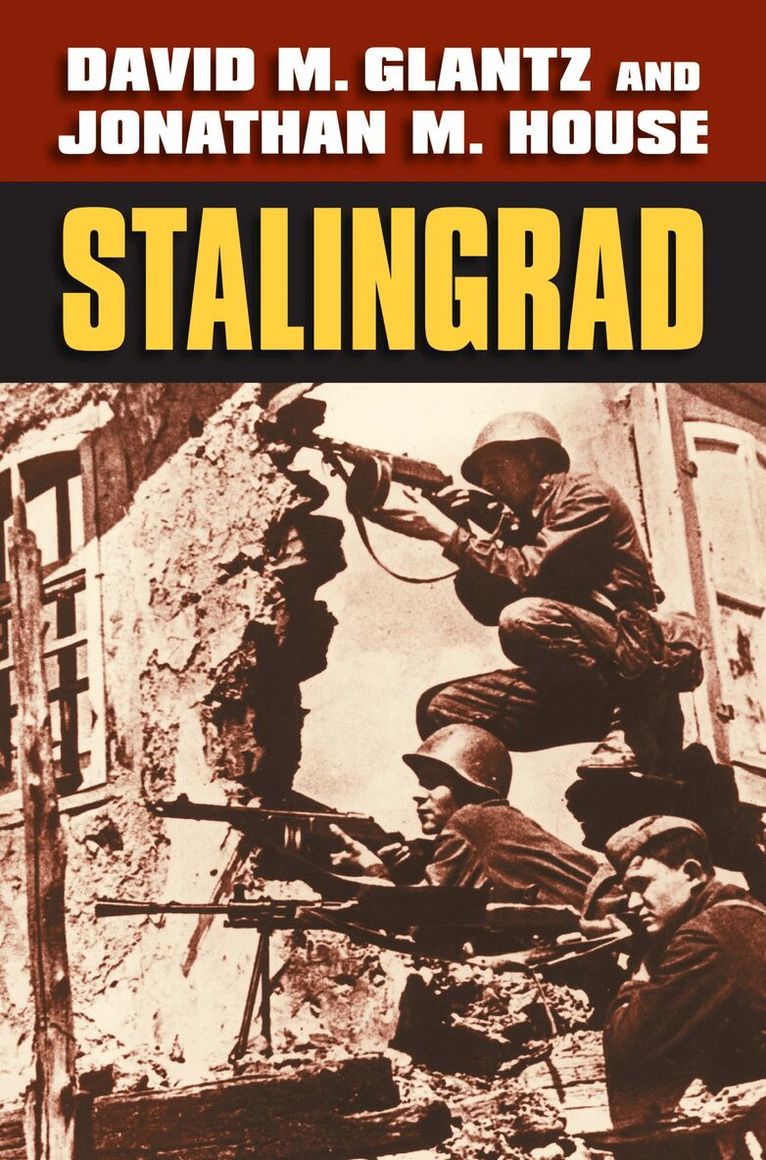
The long awaited one-volume campaign history from the leading experts of the decisive clash of Nazi and Soviet forces at Stalingrad; an abridged edition of the five volume Stalingrad TrilogyPraise for The Stalingrad Trilogy:David Glantz has done something that very few historians achieve. He has redefined an entire major Subject: The Russo-German War of 1941—1945. His exploration of newly available Russian archive records has made him an unrivaled master of Soviet sources. His command of German material is no less comprehensive. Add to this perceptive insight and balanced judgment, and the result is a Series of seminal and massive volumes that come as close as possible to ‘telling it like it was.&’ Glantz has done some of his best work with Jonathan House. The Stalingrad Trilogy is the definitive account of World War II’s turning point."* - World War II"Undoubtedly, the best researched narrative of Soviet-German battle during the period. . . . Thorough, informative, scrupulously accurate, and told with remarkable precision and reliability." - Journal of Military HistoryGlantz and House have produced seminal studies of major events on the Eastern Front. In terms of research, insight, and revision, this is their best yet [reflecting] an unrivalled access to and mastery of written and human Russian sources on the Great Patriotic War." - Slavic Review"No literature review of the Nazi-Soviet war could be complete without the outstanding work done by David Glantz and Jonathan House. What they have done is illustrate how much more there is to the Battle of Stalingrad and why their more comprehensive account changes our understanding of the campaign. The late John Erickson wrote that the research of Glantz and House reflected an ‘encyclopedic knowledge’ of the Nazi-Soviet war and constituted a benchmark for excellence in the field." - War in History"Glantz and House [have written] the definitive history of the Stalingrad campaign. Their trilogy, backed by meticulous scholarship and refreshingly fair-minded, significantly alters long-accepted views of several important aspects of the campaign. . . . A monumental work that is unlikely to be surpassed as an account of the most important single campaign of the Second World War." - Ewan Mawdlsey, author of Thunder in the East: the Nazi-Soviet War, 1941—1945
502 kr
Skickas inom 10-15 vardagar
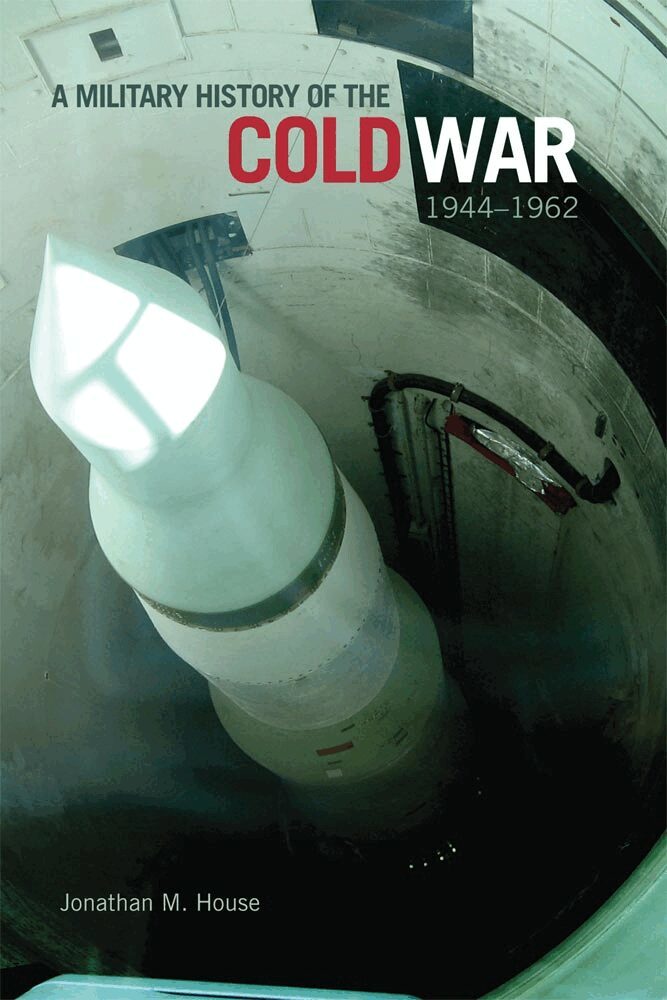
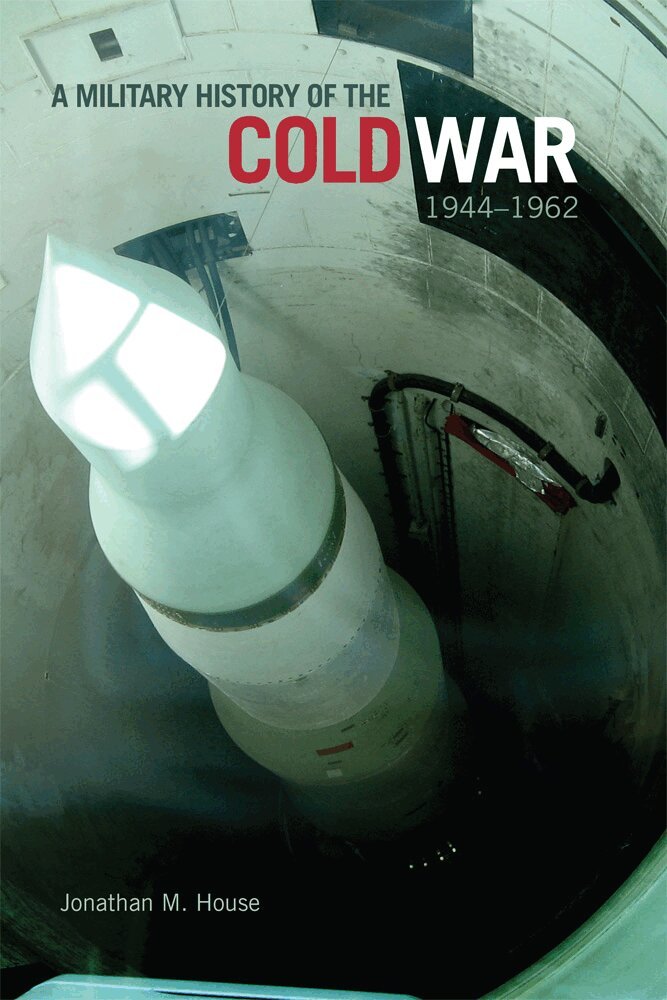
The Cold War did not culminate in World War III as so many in the 1950s and 1960s feared, yet it spawned a host of military engagements that affected millions of lives. This book is the first comprehensive, multinational overview of military affairs during the early Cold War, beginning with conflicts during World War II in Warsaw, Athens, and Saigon and ending with the Cuban Missile Crisis. A major theme of this account is the relationship between government policy and military preparedness and strategy. Author Jonathan M. House tells of generals engaging in policy confrontations with their governments' political leaders - among them Anthony Eden, Nikita Khrushchev, and John F. Kennedy - many of whom made military decisions that hamstrung their own political goals. In the pressure-cooker atmosphere of atomic preparedness, politicians as well as soldiers seemed instinctively to prefer military solutions to political problems. And national security policies had military implications that took on a life of their own. The invasion of South Korea convinced European policy makers that effective deterrence and containment required building up and maintaining credible forces. Desire to strengthen the North Atlantic alliance militarily accelerated the rearmament of West Germany and the drive for its sovereignty.In addition to examining the major confrontations, nuclear and conventional, between Washington, Moscow, and Beijing - including the crises over Berlin and Formosa - House traces often overlooked military operations against the insurgencies of the era, such as French efforts in Indochina and Algeria and British struggles in Malaya, Kenya, Cyprus, and Aden. Now, more than fifty years after the events House describes, understanding the origins and trajectory of the Cold War is as important as ever. By the late 1950s, the United States had sent forces to Vietnam and the Middle East, setting the stage for future conflicts in both regions. House's account of the complex relationship between diplomacy and military action directly relates to the insurgencies, counterinsurgencies, and confrontations that now occupy our attention across the globe.
557 kr
Skickas inom 10-15 vardagar
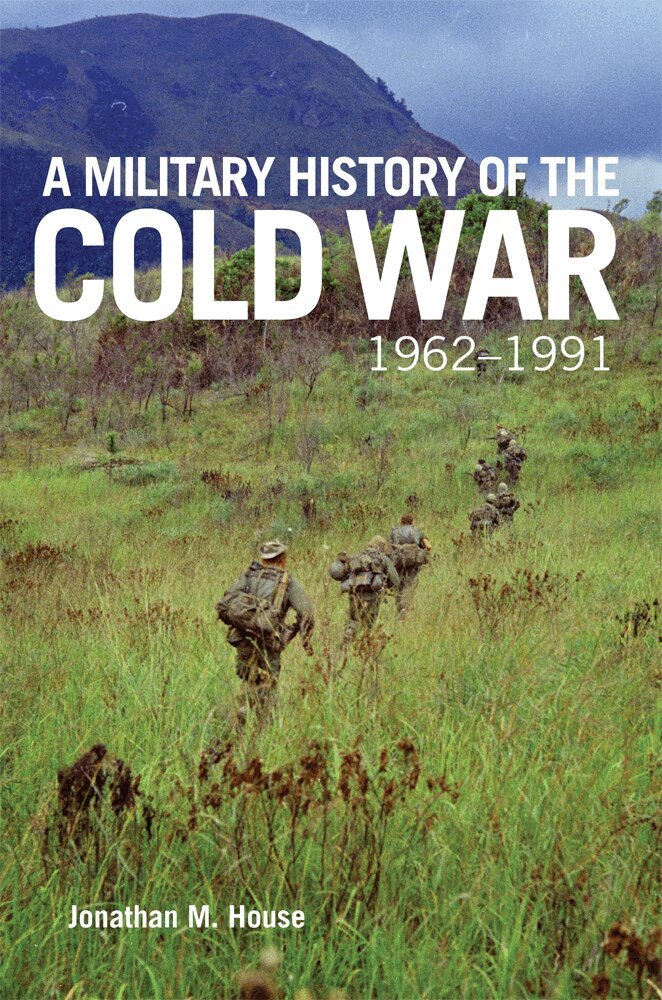
Study of the Cold War all too often shows us the war that wasn't fought. The reality, of course, is that many 'hot' conflicts did occur, some with the great powers' weapons and approval, others without. It is this reality, and this period of quasi-war and semiconflict, that Jonathan M. House plumbs in A Military History of the Cold War, 1962-1991, a complex case study in the Clausewitzian relationship of policy and military force during a time of global upheaval and political realignment.This volume opens a new perspective on three fraught decades of Cold War history, revealing how the realities of time, distance, resources, and military culture often constrained and diverted the inclinations or policies of world leaders. In addition to the Vietnam War and nuclear confrontations between the USSR and the United States, this period saw dozens of regional wars and insurgencies fought throughout Asia, Africa, and Latin America. Cuba, Pakistan, Indonesia, Israel, Egypt, and South Africa pursued their own independent goals in ways that drew the superpowers into regional disputes. Even clashes ostensibly unrelated to the politics of East-West confrontation, such as the Nigerian-Biafran conflict, the Falklands/Malvinas War, and the Indonesian occupation of East Timor, involved armed forces, weapons, and tactics developed for the larger conflict, and thus come under House's scrutiny. His study also takes up nontraditional or specialized aspects of the period, including weapons of mass destruction, civil-military relations, civil defense, and control of domestic disorders.The result is a single, integrated survey and analysis of a complex period of semi- and wholesale warfare, which fills a significant gap in our knowledge of the organization, logistics, operations, and tactics involved in conflict throughout the Cold War.
323 kr
Skickas inom 10-15 vardagar
The Cold War did not culminate in World War III as so many in the 1950s and 1960s feared, yet it spawned a host of military engagements that affected millions of lives. This book is the first comprehensive, multinational overview of military affairs during the early Cold War, beginning with conflicts during World War II in Warsaw, Athens, and Saigon and ending with the Cuban Missile Crisis.A major theme of this account is the relationship between government policy and military preparedness and strategy. Author Jonathan M. House tells of generals engaging in policy confrontations with their governments' political leaders - among them Anthony Eden, Nikita Khrushchev, and John F. Kennedy - many of whom made military decisions that hamstrung their own political goals. In the pressure-cooker atmosphere of atomic preparedness, politicians as well as soldiers seemed instinctively to prefer military solutions to political problems. And national security policies had military implications that took on a life of their own. The invasion of South Korea convinced European policy makers that effective deterrence and containment required building up and maintaining credible forces. Desire to strengthen the North Atlantic alliance militarily accelerated the rearmament of West Germany and the drive for its sovereignty.In addition to examining the major confrontations, nuclear and conventional, between Washington, Moscow, and Beijing - including the crises over Berlin and Formosa - House traces often overlooked military operations against the insurgencies of the era, such as French efforts in Indochina and Algeria and British struggles in Malaya, Kenya, Cyprus, and Aden. Now, more than fifty years after the events House describes, understanding the origins and trajectory of the Cold War is as important as ever. By the late 1950s, the United States had sent forces to Vietnam and the Middle East, setting the stage for future conflicts in both regions. House's account of the complex relationship between diplomacy and military action directly relates to the insurgencies, counterinsurgencies, and confrontations that now occupy our attention across the globe.
323 kr
Skickas inom 10-15 vardagar
Study of the Cold War all too often shows us the war that wasn’t fought. The reality, of course, is that many “hot” conflicts did occur, some with the great powers' weapons and approval, others without. It is this reality, and this period of quasi-war and semiconflict, that Jonathan M. House plumbs in A Military History of the Cold War, 1962–1991, a complex case study in the Clausewitzian relationship between policy and military force during a time of global upheaval and political realignment.This volume opens a new perspective on three fraught decades of Cold War history, revealing how the realities of time, distance, resources, and military culture often constrained and diverted the inclinations or policies of world leaders. In addition to the Vietnam War and nuclear confrontations between the USSR and the United States, this period saw dozens of regional wars and insurgencies fought throughout Asia, Africa, and Latin America. Cuba, Pakistan, Indonesia, Israel, Egypt, and South Africa pursued their own goals in ways that drew the superpowers into regional disputes. Even clashes ostensibly unrelated to the politics of East-West confrontation, such as the Nigerian-Biafran conflict, the Falklands/Malvinas War, and the Indonesian occupation of East Timor, involved armed forces, weapons, and tactics developed for the larger conflict and thus come under House’s scrutiny. His study also takes up nontraditional or specialized aspects of the period, including weapons of mass destruction, civil-military relations, civil defense, and control of domestic disorders.The result is a single, integrated survey and analysis of a complex period in geopolitical history, which fills a significant gap in our knowledge of the organization, logistics, operations, and tactics involved in conflict throughout the Cold War.
612 kr
Skickas inom 10-15 vardagar
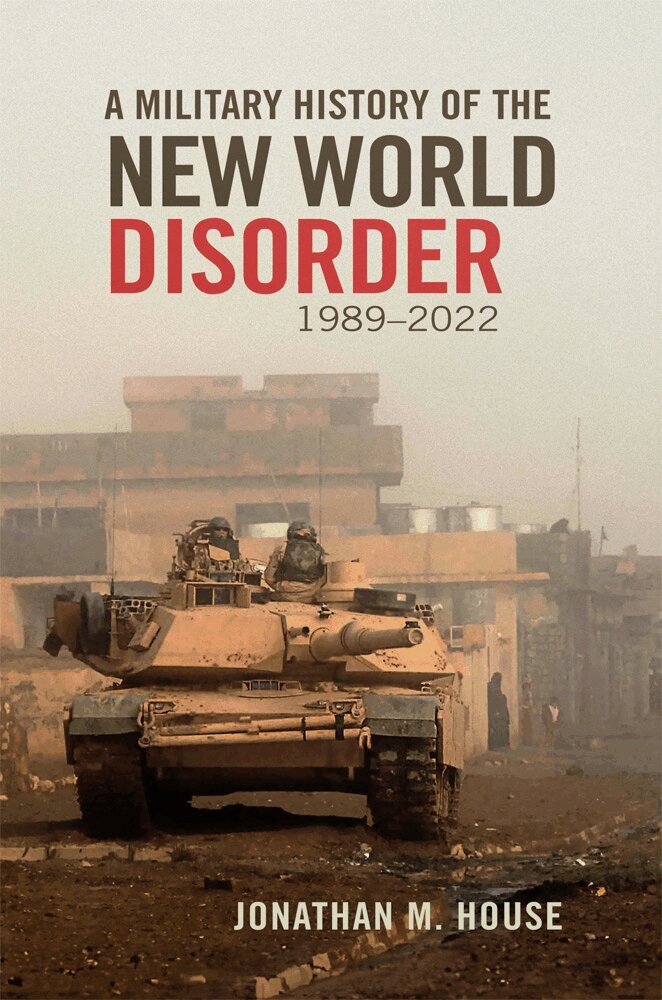
The collapse of the Soviet Union in 1989 freed the world of the political and military perils and imperatives of the Cold War. But it also introduced a whole new constellation of risks and challenges, as Jonathan M. House brings into sharp relief in A Military History of the New World Disorder, 1989–2022, the third and final volume in his comprehensive trilogy of military developments around the globe since the Second World War.What followed the breaking of the Cold War’s grip on global affairs was not so much a new world order as a new world disorder, as the United States and its allies suddenly found themselves without the sort of coherent grand strategy previously deployed to contain the Soviet Union. Focusing largely but not exclusively on the US, House surveys subsequent developments in military strategy and operations—the processes by which politicians and military leaders of the major powers designed, organized, resourced, and then employed military forces to conduct or deter conflicts. His overview ranges from conflicts in Iraq and Afghanistan to American interventions in Panama, Somalia, former Yugoslavia, and Haiti; Israel vs. Hezbollah in Lebanon; and the resurgence of the Russian military in Syria, Georgia, and Ukraine. Throughout, House provides a compelling analysis of recent military developments, including the strengths and weaknesses of employing precision-guided munitions, counter-insurgency techniques, and other controversial methods of current warfare. His work reveals the complex relationship between national political decisions to commit armed forces to conflicts and the results on the battlefield—and offers a timely perspective on military power and practice in the current day.
Toward Combined Arms Warfare
A Survey of 20th-Century Tactics, Doctrine, and Organization
Häftad, Engelska, 2002
399 kr
Skickas inom 5-8 vardagar
804 kr
Skickas inom 10-15 vardagar
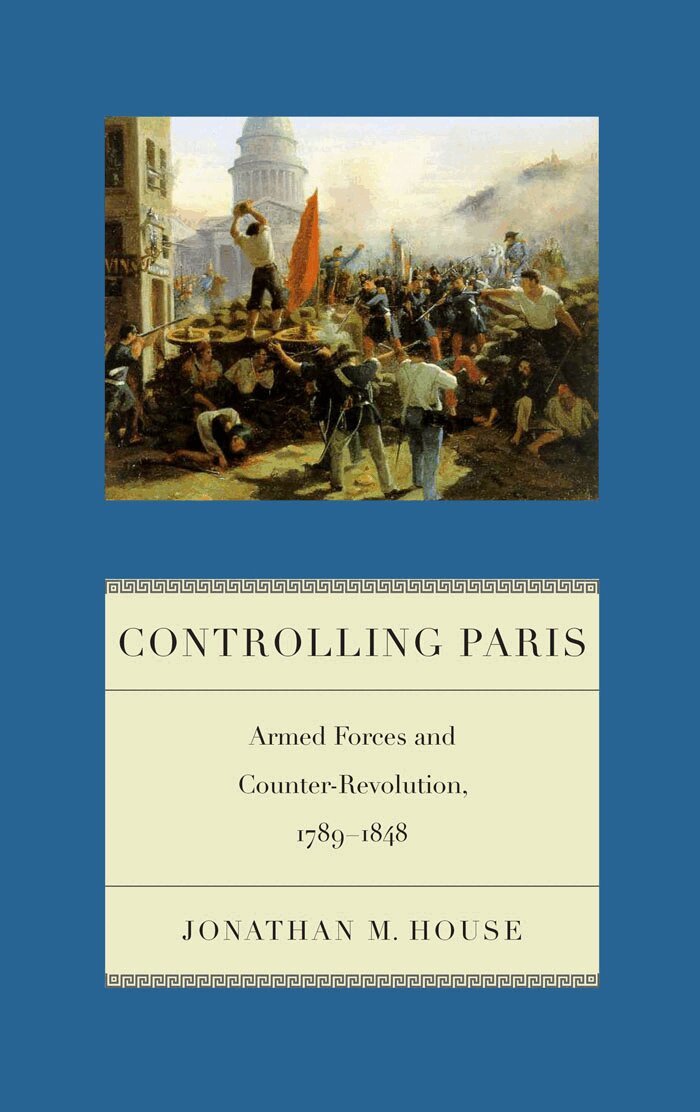
When not at war, armies are often used to control civil disorders, especially in eras of rapid social change and unrest. But in nineteenth century Europe, without the technological advances of modern armies and police forces, an army's only advantages were discipline and organization—and in the face of popular opposition to the regime in power, both could rapidly deteriorate. Such was the case in France after the Napoleonic Wars, where a cumulative recent history of failure weakened an already fragile army's ability to keep the peace.After the February 1848 overthrow of the last king of France, the new republican government proved remarkably resilient, retaining power while pursuing moderate social policies despite the concerted efforts of a variety of radical and socialist groups. These efforts took numerous forms, ranging from demonstrations to attempted coups to full-scale urban combat, and culminated in the crisis of the June Days. At stake was the future of French government and the social and economic policy of France at large.In Controlling Paris, Jonathan M. House offers us a study of revolution from the viewpoint of the government rather than the revolutionary. It is not focused on military tactics so much as on the broader issues involved in controlling civil disorders: relations between the government and its military leaders, causes and social issues of public disorder, political loyalty of troops in crisis, and excessive use of force to control civil disorders. Yet somehow, despite all these disadvantages, the French police and armed forces prevented regime change far more often than they failed to do so.