Jonathan P. J. Stock - Böcker
Visar alla böcker från författaren Jonathan P. J. Stock. Handla med fri frakt och snabb leverans.
3 produkter
3 produkter
1 007 kr
Skickas inom 7-10 vardagar
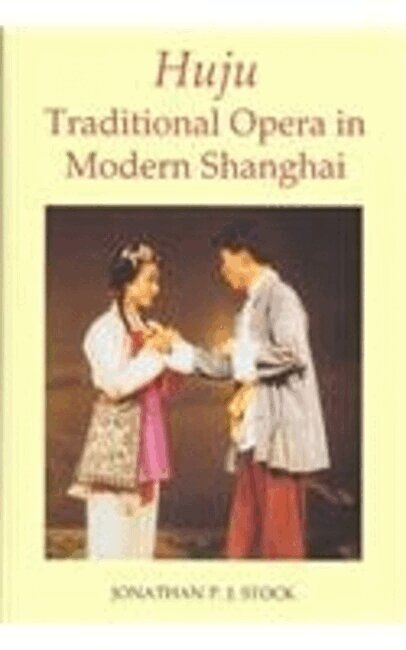
China has over three hundred distinct styles of music drama, from exorcism theatre to farce, historical romance, and shadow puppetry. This study considers one of the newer operatic forms. Established just two centuries ago, huju (Shanghai opera), is renowned for its portrayal of ordinary people, not the emperors, courtesans, and heroes of older forms. Acting and make-up aim for realism rather than symbolism, and stories deal with contemporaneous themes: the struggles of lovers to marry, women's rights after the Communist revolution (1949), and life under the new social order established by Deng Xiaoping's reforms in the 1980s. Music ranges from local folksong to syncretic adoptions of Western popular music.Jonathan Stock is an authority on Chinese music, with previous books on Chinese flute and violin solos and Abing, a twentieth-century composer. Adding to his extensive research on Chinese music, Stock's eighteen months of fieldwork in Shanghai allows him to interweave material from historical reports, sound recordings, live performance, and the first-hand accounts of three generations of singers into a study of a unique Chinese opera form seen equally as historical tradition, venue for social action, and forum for musical creativity. Assessing first the roots of huju in local folksong and ballad, he looks at the enduring role of emotional expressivity. He next focuses on the rise of actresses, laying out a specially 'musical' reading of gendered performance. Further chapters reverse conventional ethnomusicological arguments that music constructs place by looking at how Shanghai's institutions before 1949 shaped the environment within which troupes developed new dramatic materials and competed for work. In considering reforms post-1949, the author shows how the infusion of explicit political content actually weakened the expressive impact of these dramas. Finally, developments since 1980 are reviewed. The book includes songs and illustrations of performance styles.An innovative combination of urban and historical ethnomusicology, the book's findings will engage the historian of China and general scholar of music alike.
2 759 kr
Skickas inom 10-15 vardagar
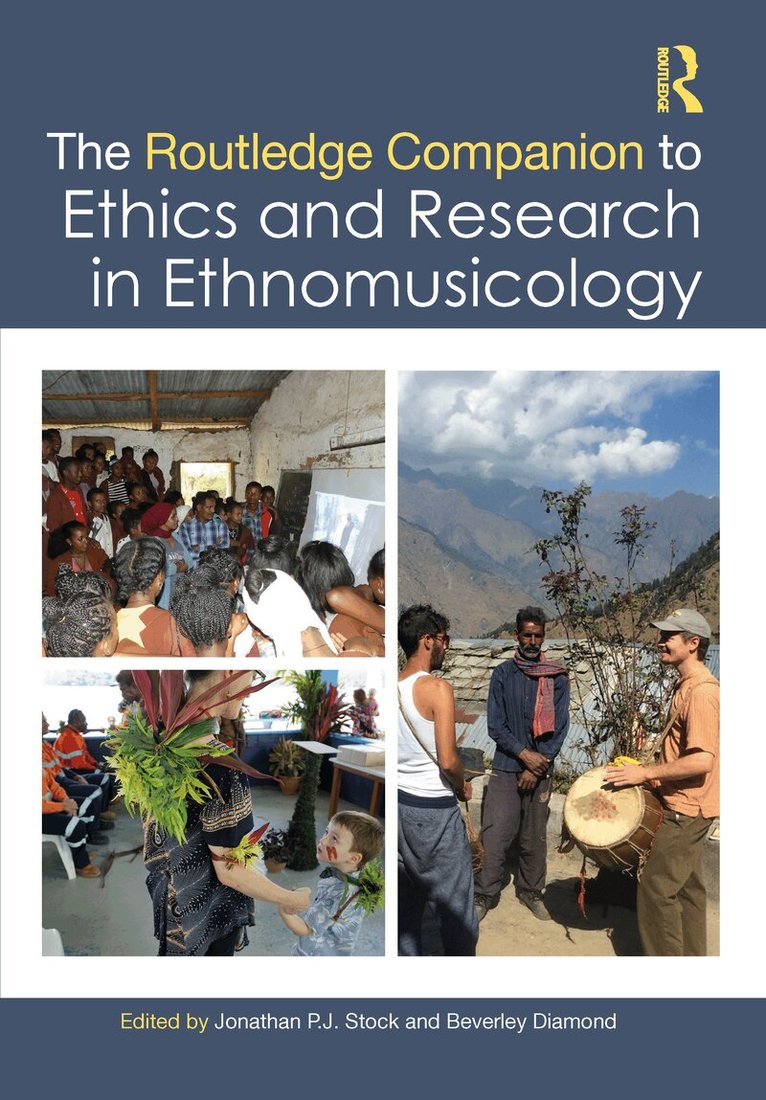
The Routledge Companion to Ethics and Research in Ethnomusicology is an in-depth survey of the moral challenges and imperatives of conducting research on people making music. It focuses on fundamental and compelling ethical questions that have challenged and shaped both the history of this discipline and its current practices. In 26 representative cases from across a broad spectrum of geographical, societal, and musical environments, authors collectively reflect on the impacts of ethnomusicological research, exploring the ways our work may instantiate privilege or risk bringing harm, as well as the means that are available to provide recognition, benefit, and reciprocation to the musicians and others who contribute to our studies. In a world where differing ethical values are often in conflict, and where music itself is meanwhile a powerful tool in projecting moral claims, we aim to uncover the conditions and consequences of the ethical choices we face as ethnomusicologists, thereby contributing to building a more engaged, restructured discipline and a more globally responsible music studies. The volume comprises four parts: (1) sound practices and philosophies of ethics; (2) fieldwork encounters; (3) environment, trauma, collaboration; and (4) research in public domains.
644 kr
Skickas inom 10-15 vardagar
The Routledge Companion to Ethics and Research in Ethnomusicology is an in-depth survey of the moral challenges and imperatives of conducting research on people making music. It focuses on fundamental and compelling ethical questions that have challenged and shaped both the history of this discipline and its current practices. In 26 representative cases from across a broad spectrum of geographical, societal, and musical environments, authors collectively reflect on the impacts of ethnomusicological research, exploring the ways our work may instantiate privilege or risk bringing harm, as well as the means that are available to provide recognition, benefit, and reciprocation to the musicians and others who contribute to our studies. In a world where differing ethical values are often in conflict, and where music itself is meanwhile a powerful tool in projecting moral claims, we aim to uncover the conditions and consequences of the ethical choices we face as ethnomusicologists, thereby contributing to building a more engaged, restructured discipline and a more globally responsible music studies. The volume comprises four parts: (1) sound practices and philosophies of ethics; (2) fieldwork encounters; (3) environment, trauma, collaboration; and (4) research in public domains.