Joost Fontein - Böcker
Visar alla böcker från författaren Joost Fontein. Handla med fri frakt och snabb leverans.
9 produkter
9 produkter
2 020 kr
Skickas inom 10-15 vardagar
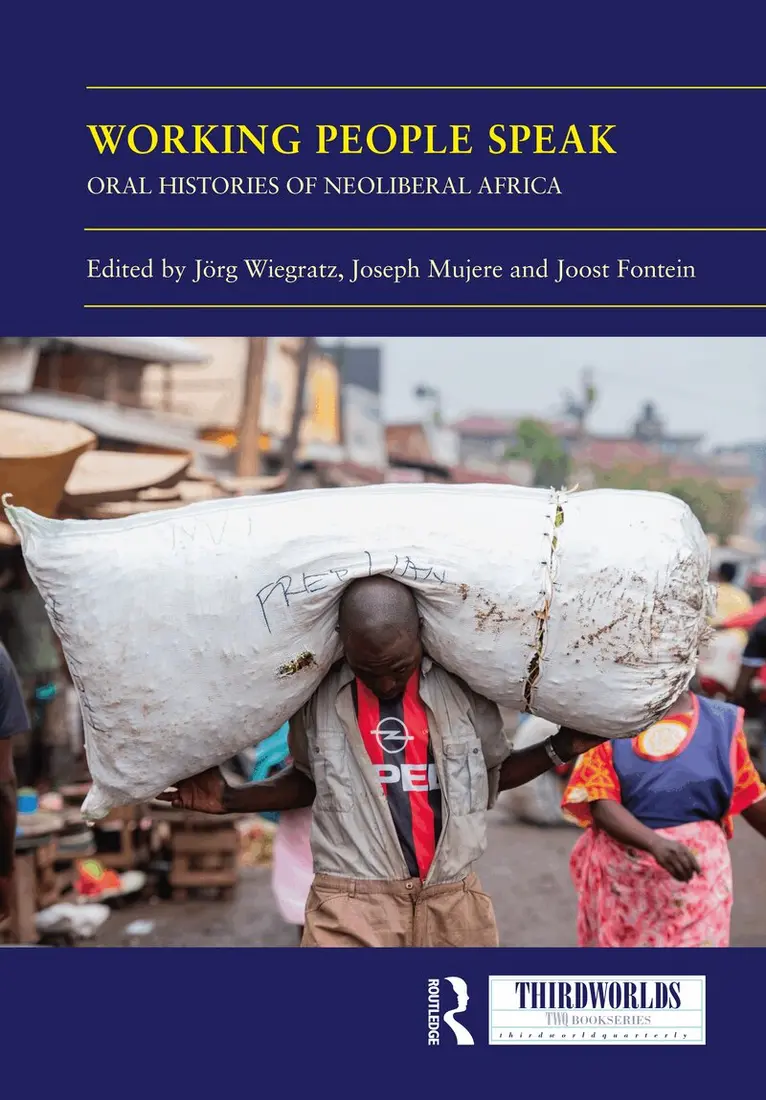
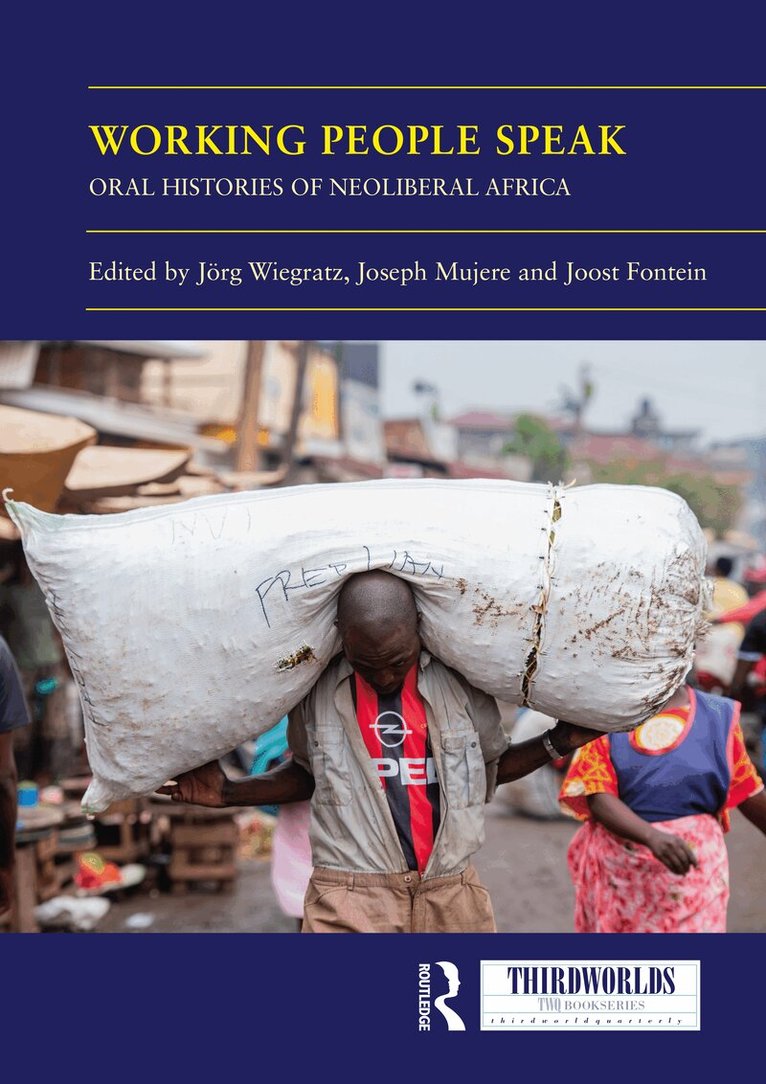
This book presents a re-engagement with oral histories as a way of documenting, understanding, and discussing experiences of work and economic life in Africa under neoliberal capitalism. It draws on seven case studies in South Africa, Zimbabwe, Uganda, and South Sudan, from the late 1980s to the present, to offer a critical analysis of neoliberal transformations and realities at the incisive level of peoples’ biographies.The last few decades have witnessed unprecedented changes in the working lives of people across the African continent. Oral historical accounts of working lives can offer unique and productive insights into these changes by allowing analyses of neoliberalism that focuses on personal experiences over the longue durée. Yet, there has been a surprising dearth of oral histories of work since the emergence of neoliberalism in the 1980s. Compared to scholarship published more than half a century ago, there has been a decline in the use of oral histories to explore experiences of living and working under capitalism. By grounding analysis in biographical details, histories, and dynamics, the chapters in this book seek better understandings of the wider life contexts, challenges, and circumstances in which people’s ‘agency’ emerges, unfolds, gains traction, and gets (re)shaped; and a better grasp of the multiple, entangled layers and temporalities of life and work in capitalist Africa. This book will be indispensable to students and researchers interested in political economy, development studies, anthropology, sociology, history and African Studies.The chapters in this book were originally published as a special issue of Third World Thematics and are accompanied by a new Foreword and Afterword.
646 kr
Skickas inom 10-15 vardagar
This book presents a re-engagement with oral histories as a way of documenting, understanding, and discussing experiences of work and economic life in Africa under neoliberal capitalism. It draws on seven case studies in South Africa, Zimbabwe, Uganda, and South Sudan, from the late 1980s to the present, to offer a critical analysis of neoliberal transformations and realities at the incisive level of peoples’ biographies.The last few decades have witnessed unprecedented changes in the working lives of people across the African continent. Oral historical accounts of working lives can offer unique and productive insights into these changes by allowing analyses of neoliberalism that focuses on personal experiences over the longue durée. Yet, there has been a surprising dearth of oral histories of work since the emergence of neoliberalism in the 1980s. Compared to scholarship published more than half a century ago, there has been a decline in the use of oral histories to explore experiences of living and working under capitalism. By grounding analysis in biographical details, histories, and dynamics, the chapters in this book seek better understandings of the wider life contexts, challenges, and circumstances in which people’s ‘agency’ emerges, unfolds, gains traction, and gets (re)shaped; and a better grasp of the multiple, entangled layers and temporalities of life and work in capitalist Africa. This book will be indispensable to students and researchers interested in political economy, development studies, anthropology, sociology, history and African Studies.The chapters in this book were originally published as a special issue of Third World Thematics and are accompanied by a new Foreword and Afterword.
2 297 kr
Skickas inom 10-15 vardagar
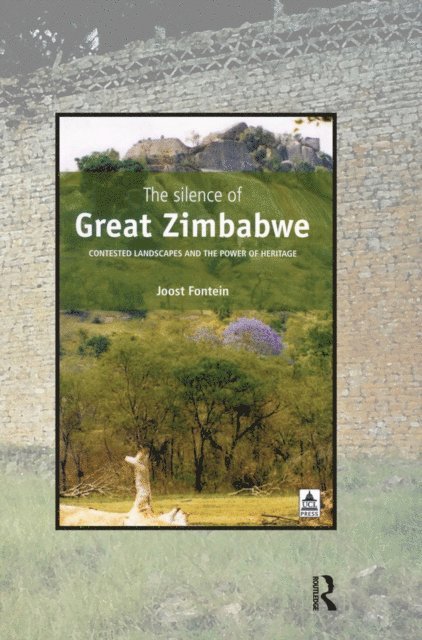
This book examines the politics of landscape and heritage by focusing on the example of Great Zimbabwe National Monument in southern Zimbabwe. The controversy that surrounded the site in the early part of the 20th century, between colonial antiquarians and professional archaeologists, is well reported in the published literature. Based on long term ethnographic field work around Great Zimbabwe, as well as archival research in NMMZ, in the National Archives of Zimbabwe, and several months of research at the World Heritage Centre in Paris, this new book represents an important step beyond that controversy over origins, to focus on the site's position in local contests between, and among individuals within, the Nemanwa, Charumbira and Mugabe clans over land, power and authority. To justify their claims, chiefs, spirit mediums and elders of each clan make appeals to different, but related, constructions of the past. Emphasising the disappearance of the 'Voice' that used to speak there, these narratives also describe the destruction, alienation and desecration of Great Zimbabwe that occurred, and continues, through the international and national, archaeological and heritage processes and practices by which Great Zimbabwe has become a national and world heritage site today.
646 kr
Skickas inom 10-15 vardagar
This book examines the politics of landscape and heritage by focusing on the example of Great Zimbabwe National Monument in southern Zimbabwe. The controversy that surrounded the site in the early part of the 20th century, between colonial antiquarians and professional archaeologists, is well reported in the published literature. Based on long term ethnographic field work around Great Zimbabwe, as well as archival research in NMMZ, in the National Archives of Zimbabwe, and several months of research at the World Heritage Centre in Paris, this new book represents an important step beyond that controversy over origins, to focus on the site's position in local contests between, and among individuals within, the Nemanwa, Charumbira and Mugabe clans over land, power and authority. To justify their claims, chiefs, spirit mediums and elders of each clan make appeals to different, but related, constructions of the past. Emphasising the disappearance of the 'Voice' that used to speak there, these narratives also describe the destruction, alienation and desecration of Great Zimbabwe that occurred, and continues, through the international and national, archaeological and heritage processes and practices by which Great Zimbabwe has become a national and world heritage site today.
351 kr
Tillfälligt slut
Del 22 - Eastern Africa Series
Remaking Mutirikwi
Landscape, Water and Belonging in Southern Zimbabwe
Inbunden, Engelska, 2015
1 395 kr
Skickas inom 7-10 vardagar
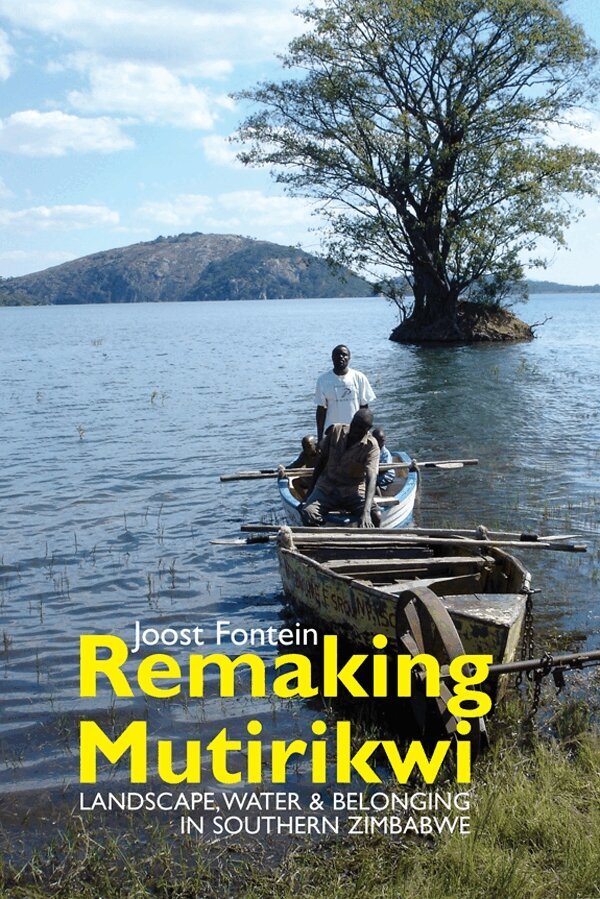
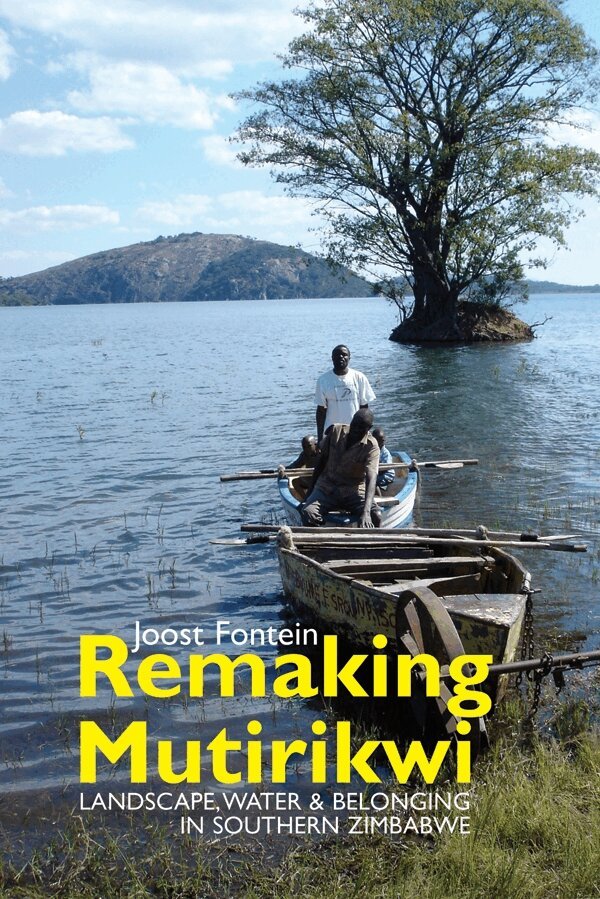
Finalist for the African Studies Association 2016 Melville J. Herskovits AwardA detailed ethnographic and historical study of the implications of fast-track land reform in Zimbabwe from the perspective of those involvedin land occupations around Lake Mutirikwi, from the colonial period to the present day.The Mutirikwi river was dammed in the early 1960s to make Zimbabwe's second largest lake. This was a key moment in the Europeanisation of Mutirikwi's landscapes, which had begun with colonial land appropriations in the 1890s. ButAfrican landscapes were not obliterated by the dam. They remained active and affective. At independence in 1980, local clans reasserted ancestral land claims in a wave of squatting around Lake Mutirikwi. They were soon evicted asthe new government asserted control over the remaking of Mutirikwi's landscapes. Amid fast-track land reform in the 2000s, the same people returned again to reclaim the land. Many returned to the graves and ruins of past lives forged in the very substance of the soil, and even incoming war veterans and new farmers appealed to autochthonous knowledge to make safe their resettlements.This book explores those reoccupations and the complex contests overlandscape, water and belonging they provoked. The 2000s may have heralded a long-delayed re-Africanisation of Lake Mutirikwi, but just as African presence had survived the dam, so white presence remains active and affective through Rhodesian-era discourses, place-names and the materialities of ruined farms, contour ridging and old irrigation schemes.Through lenses focused on the political materialities of water and land, this book reveals how the remaking of Mutirikwi's landscapes has always been deeply entangled with changing strategies of colonial and postcolonial statecraft. It highlights how the traces of different pasts intertwine in contemporary politics through the active, enduring yet emergent, forms and substances of landscape.Joost Fontein is Director of the British Institute in Eastern Africa and Lecturer in Social Anthropology at the University of Edinburgh.Published in association with the British Institute in Eastern Africa.
Del 22 - Eastern Africa Series
Remaking Mutirikwi
Landscape, Water and Belonging in Southern Zimbabwe
Häftad, Engelska, 2018
365 kr
Skickas inom 7-10 vardagar
A detailed ethnographic and historical study of the implications of fast-track land reform in Zimbabwe from the perspective of those involved in land occupations around Lake Mutirikwi, from the colonial period to the present day.Finalist for the African Studies Association 2016 Melville J. Herskovits AwardThe Mutirikwi river was dammed in the early 1960s to make Zimbabwe's second largest lake. This was a key moment in the Europeanisation of Mutirikwi's landscapes, which had begun with colonial land appropriations in the 1890s. But African landscapes were not obliterated by the dam. They remained active and affective. At independence in 1980, local clans reasserted ancestral land claims in a wave of squatting around Lake Mutirikwi. They were soon evicted as the new government asserted control over the remaking of Mutirikwi's landscapes. Amid fast-track land reform in the 2000s, the same people returned again to reclaim the land. Many returned to the graves and ruins of past lives forged in the very substance of the soil, and even incoming war veterans and new farmers appealed to autochthonous knowledge to make safe theirresettlements. This book explores those reoccupations and the complex contests over landscape, water and belonging they provoked. The 2000s may have heralded a long-delayed re-Africanisation of Lake Mutirikwi, but just as African presence had survived the dam, so white presence remains active and affective through Rhodesian-era discourses, place-names and the materialities of ruined farms, contour ridging and old irrigation schemes. Through lenses focused on the political materialities of water and land, this book reveals how the remaking of Mutirikwi's landscapes has always been deeply entangled with changing strategies of colonial and postcolonial statecraft. It highlights howthe traces of different pasts intertwine in contemporary politics through the active, enduring yet emergent, forms and substances of landscape.Joost Fontein is Director of the British Institute in Eastern Africa and Lecturer in Social Anthropology at the University of Edinburgh.Published in association with the British Institute in Eastern Africa.
1 437 kr
Skickas inom 7-10 vardagar
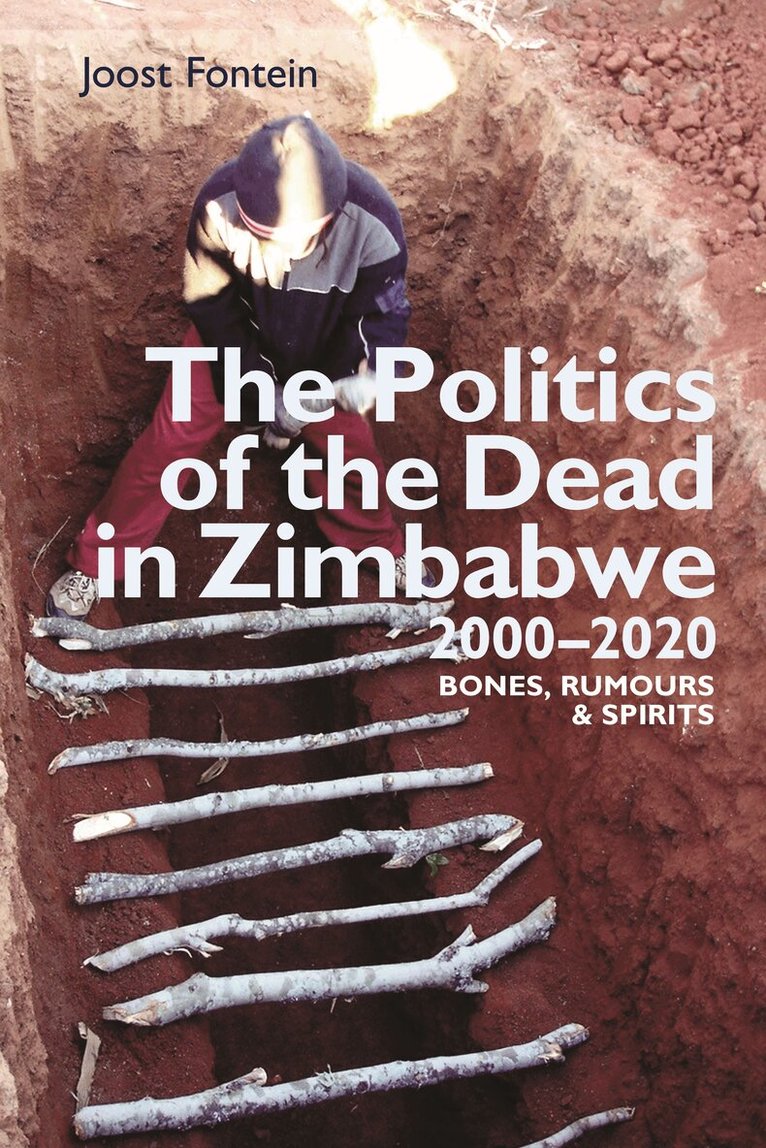
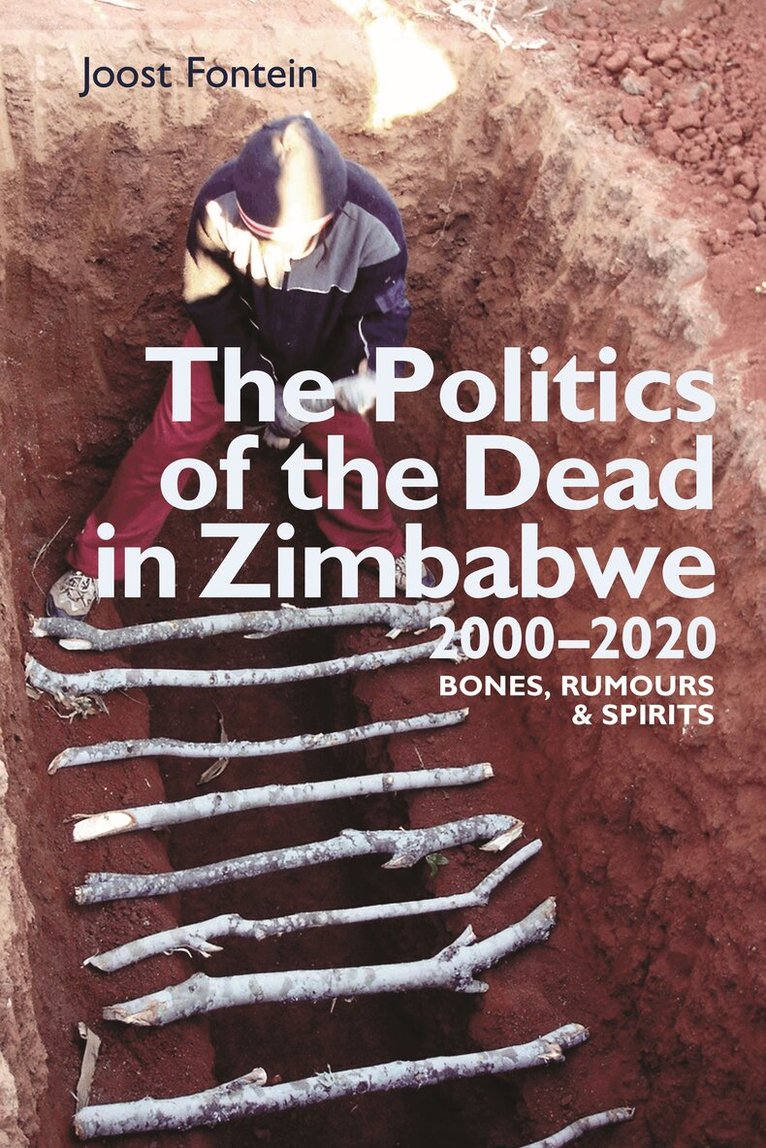
Innovative and challenging study that provides fresh insights on the anthropology of death and postcolonial politics.In 1898, just before she was hanged for rebelling against colonial rule, Charwe Nyakasikana, spirit medium of the legendary ancestor Ambuya Nehanda, famously prophesised that "my bones will rise again". A century later bones, bodies and human remains have come to occupy an increasingly complex place in Zimbabwe's postcolonial milieu. From ancestral "bones" rising again in the struggle for independence, and later land, to resurfacing bones of unsettled wardead; and from the troubling decaying remains of post-independence gukurahundi massacres to the leaky, tortured bodies of recent election violence, human materials are intertwined in postcolonial politics in ways that go far beyond, yet necessarily implicate, contests over memory, commemoration and the representation of the past. In this book Joost Fontein examines the complexities of human remains in Zimbabwe's 'politics of the dead'. Challenging and innovative, he takes us beyond current scholarship on memory, commemoration and the changing significance of 'traditional' death practices, to examine the political implications of human remains as material substances, as duplicitous rumours, and as returning spirits. Linking the indeterminacy of human substances to the productive but precarious uncertainties of rumours and spirits, the book points to how the incompleteness of death is politically productive and ultimately derives from the problematic, entangled excessivities of human material and immaterial existence, and is deeply intertwined with the stylistics of postcolonial power and politics. Joost Fontein is Professor of Anthropology, University of Johannesburg. He was previously Director of the British Institute in Eastern Africa and Lecturer in Social Anthropology at the University of Edinburgh. His books include Remaking Mutirikwi: Landscape, Water and Belonging (James Currey, 2015), shortlisted for the African Studies Association 2016 Herskovits Prize.Southern Africa (South Africa, Namibia, Lesotho, Swaziland and Botswana): University of Johannesburg Press
376 kr
Skickas inom 7-10 vardagar
Innovative and challenging study that provides fresh insights on the anthropology of death and postcolonial politics.In 1898, just before she was hanged for rebelling against colonial rule, Charwe Nyakasikana, spirit medium of the legendary ancestor Ambuya Nehanda, famously prophesised that "my bones will rise again". A century later bones, bodies and human remains have come to occupy an increasingly complex place in Zimbabwe's postcolonial milieu. From ancestral "bones" rising again in the struggle for independence, and later land, to resurfacing bones of unsettled wardead; and from the troubling decaying remains of post-independence gukurahundi massacres to the leaky, tortured bodies of recent election violence, human materials are intertwined in postcolonial politics in ways that go far beyond, yet necessarily implicate, contests over memory, commemoration and the representation of the past. In this book Joost Fontein examines the complexities of human remains in Zimbabwe's 'politics of the dead'. Challenging and innovative, he takes us beyond current scholarship on memory, commemoration and the changing significance of 'traditional' death practices, to examine the political implications of human remains as material substances, as duplicitous rumours, and as returning spirits. Linking the indeterminacy of human substances to the productive but precarious uncertainties of rumours and spirits, the book points to how the incompleteness of death is politically productive and ultimately derives from the problematic, entangled excessivities of human material and immaterial existence, and is deeply intertwined with the stylistics of postcolonial power and politics. Joost Fontein is Professor of Anthropology, University of Johannesburg. He was previously Director of the British Institute in Eastern Africa and Lecturer in Social Anthropology at the University of Edinburgh. His books include Remaking Mutirikwi: Landscape, Water and Belonging (James Currey, 2015), shortlisted for the African Studies Association 2016 Herskovits Prize.Southern Africa (South Africa, Namibia, Lesotho, Swaziland and Botswana): University of Johannesburg Press