Jordanna Bailkin - Böcker
Visar alla böcker från författaren Jordanna Bailkin. Handla med fri frakt och snabb leverans.
3 produkter
3 produkter
606 kr
Skickas inom 7-10 vardagar
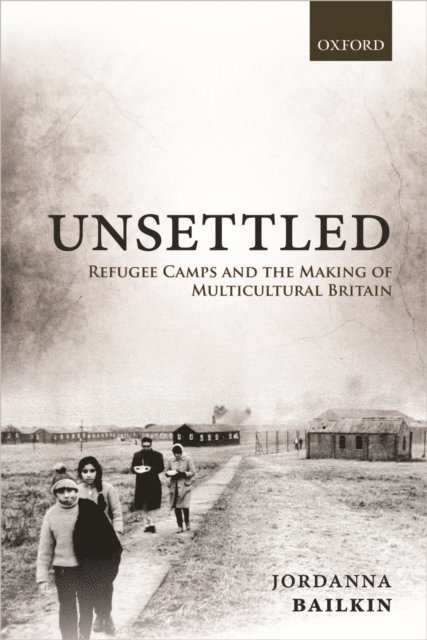
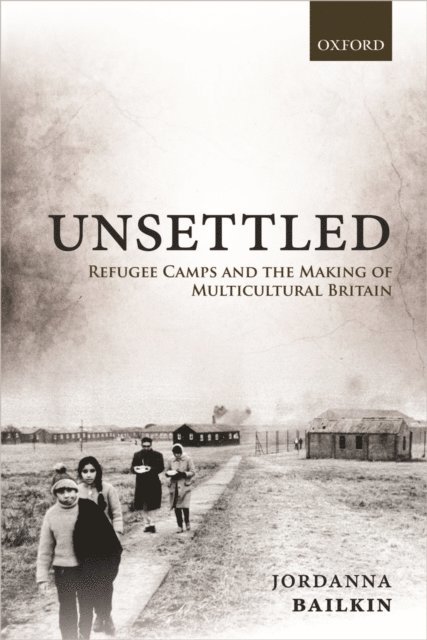
Today, no one really thinks of Britain as a land of camps. Camps seem to happen 'elsewhere', from Greece, to Palestine, to the global South. Yet over the course of the twentieth century, dozens of British refugee camps housed hundreds of thousands of Belgians, Jews, Basques, Poles, Hungarians, Anglo-Egyptians, Ugandan Asians, and Vietnamese. Refugee camps in Britain were never only for refugees. Refugees shared a space with Britons who had been displaced by war and poverty, as well as thousands of civil servants and a fractious mix of volunteers. Unsettled: Refugee Camps and the Making of Multicultural Britain explores how these camps have shaped today's multicultural Britain. They generated unique intimacies and frictions, illuminating the closeness of individuals that have traditionally been kept separate -- 'citizens' and 'migrants', but also refugee populations from diverse countries and conflicts. As the world's refugee crisis once again brings to Europe the challenges of mass encampment, Unsettled offers warnings from a liberal democracy's recent past. Through lively anecdotes from interviews with former camp residents and workers, Unsettled conveys the vivid, everyday history of refugee camps, which witnessed births and deaths, love affairs and violent conflicts, strikes and protests, comedy and tragedy. Their story -- like that of today's refugee crisis -- is one of complicated intentions that played out in unpredictable ways. The aim of this book is not to redeem camps -- nor, indeed, to condemn them. It is to refuse to ignore them. Unsettled speaks to all who are interested in the plight of the encamped, and the global uses of encampment in our present world.
377 kr
Skickas inom 5-8 vardagar
Today, no one really thinks of Britain as a land of camps. Camps seem to happen 'elsewhere', from Greece, to Palestine, to the global South. Yet over the course of the twentieth century, dozens of British refugee camps housed hundreds of thousands of Belgians, Jews, Basques, Poles, Hungarians, Anglo-Egyptians, Ugandan Asians, and Vietnamese. But refugee camps in Britain were never only for refugees. Refugees shared space with Britons who had been displaced by war and poverty, as well as thousands of civil servants and a fractious mix of volunteers. Unsettled: Refugee Camps and the Making of Multicultural Britain explores how these camps have shaped today's multicultural Britain. They generated unique intimacies and frictions, illuminating the closeness of individuals that have traditionally been kept separate--'citizens' and 'migrants', but also refugee populations from diverse countries and conflicts. As the world's refugee crisis once again brings to Europe the challenges of mass encampment, Unsettled offers warnings from a liberal democracy's recent past. Through lively anecdotes from interviews with former camp residents and workers and meticulous archival research, Unsettled conveys the vivid, everyday history of refugee camps, which witnessed births and deaths, love affairs and violent conflicts, strikes and protests, comedy and tragedy. Their story--like that of today's refugee crisis--is one of complicated intentions that played out in unpredictable ways. The aim of this book is not to redeem camps--nor, indeed, to condemn them. It is to refuse to ignore them. Unsettled speaks to all who are interested in the plight of the encamped, and the global uses of encampment in our present world.
290 kr
Skickas inom 7-10 vardagar
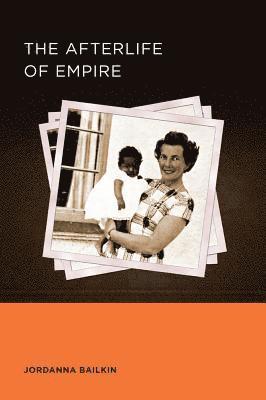
The Afterlife of Empire is an award-winning investigation on how decolonization transformed British society in the 1950s and 1960s. Although usually charted through its diplomatic details, the collapse of the British empire was also a deeply personal process that altered everyday life, restructuring routines, individual relationships, and social interactions. The book traces a set of diverse yet interrelated and richly compelling stories: West Indian migrants repatriated for mental illness, young Britons volunteering in the former colonies, overseas students seeking higher education, polygamous husbands and wives facing invalidation of their marriages, West African children raised by white, working-class British families, and Irish deportees suspected of terrorism. Postwar welfare - from mental health to child care - was never simply a British story, but was shaped by global forces, from the experiences and expectations of individual migrants to the emergence of new legal regimes in Africa and Asia. The book thus recasts the genealogy and geography of welfare by charting its unseen dependence on the end of empire.Using a wealth of recently declassified files from the National Archives, oral histories, court cases, press reports, social science writings, and photographs, Jordanna Bailkin illuminates the relationship between the postwar and the postimperial. The Afterlife of Empire is the winner of several notable prizes including The Morris D Forkosch Prize from the American Historical Association, the Stansky Book Prize from the North American Conference on British Studies, and the 2013 Biennial Book Prize from the Pacific Conference on British Studies.