Joseph A. Ranney – författare
Visar alla böcker från författaren Joseph A. Ranney. Handla med fri frakt och snabb leverans.
7 produkter
7 produkter
1 317 kr
Kommande
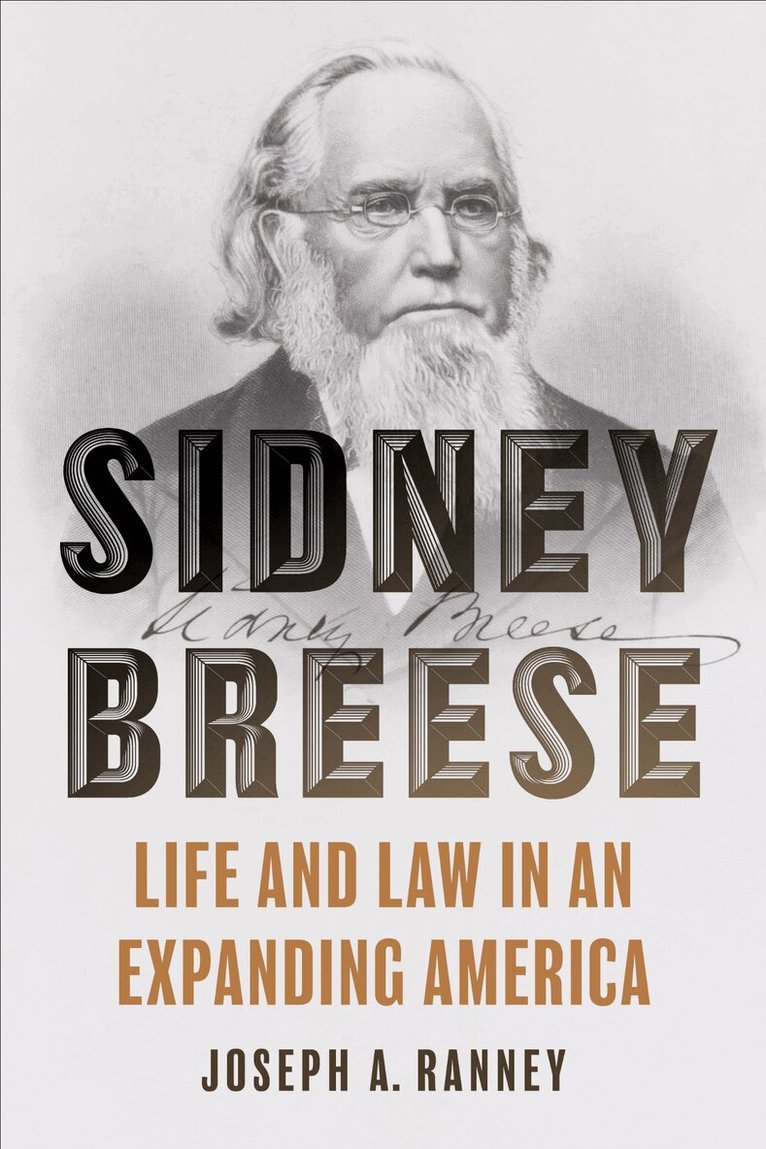
A central figure in Illinois' early history, Sidney Breese forged an eventful public life that spanned the state's transition from a frontier territory to a modern industrial society. Joseph A. Ranney tells the story of the lasting achievements and far-reaching legal decisions that defined Breese's career.Born in New York, Breese moved to Illinois in 1818. An ambitious personality combined with acumen in law, politics, and business boosted Breese into the state's frontier elite and involved him in the political controversies that roiled the Jacksonian Era. First a circuit court judge, Breese rose to the state Supreme Court before his election to the US Senate in 1842. Breese focused his senatorial energies on westward expansion and transforming the nation into a world power—ambitions symbolized by his pivotal role in the creation of the Illinois Central Railroad. After returning to the state Supreme Court, Breese ruled on essential cases that enshrined expansionist jurisprudence in American law and regulated the growing power of corporations in post–Civil War America.A first full-length biography, Sidney Breese places the life of an overlooked figure within legal and Illinois history.
328 kr
Kommande
A central figure in Illinois' early history, Sidney Breese forged an eventful public life that spanned the state's transition from a frontier territory to a modern industrial society. Joseph A. Ranney tells the story of the lasting achievements and far-reaching legal decisions that defined Breese's career.Born in New York, Breese moved to Illinois in 1818. An ambitious personality combined with acumen in law, politics, and business boosted Breese into the state's frontier elite and involved him in the political controversies that roiled the Jacksonian Era. First a circuit court judge, Breese rose to the state Supreme Court before his election to the US Senate in 1842. Breese focused his senatorial energies on westward expansion and transforming the nation into a world power—ambitions symbolized by his pivotal role in the creation of the Illinois Central Railroad. After returning to the state Supreme Court, Breese ruled on essential cases that enshrined expansionist jurisprudence in American law and regulated the growing power of corporations in post–Civil War America.A first full-length biography, Sidney Breese places the life of an overlooked figure within legal and Illinois history.
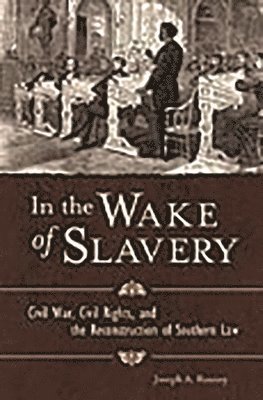
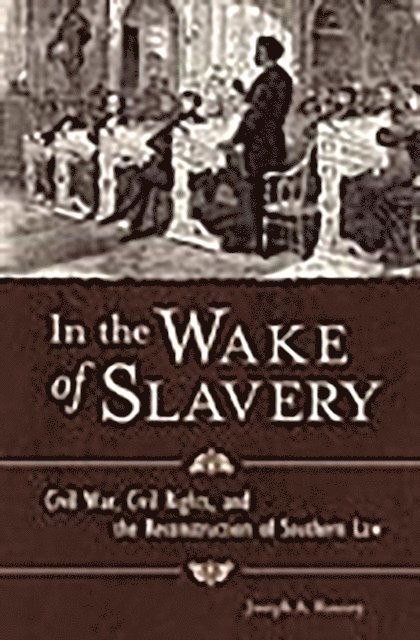
In the Wake of Slavery
Civil War, Civil Rights, and the Reconstruction of Southern Law
Inbunden, Engelska, 2006
695 kr
Skickas inom 10-15 vardagar
The Civil War devastated the South, and the end of slavery turned Southern society upside down. How did the South regain social, economic, and political stability in the wake of emancipation and wartime destruction, and how did the South come together with its former enemies in the North? Why did the South not slip back into chaos? This book holds the keys to the answers to these tantalizing questions.Author Joseph Ranney explodes the myth of a unified South and exposes just how complex and fragile the postwar recovery was. The end of slavery and the emergence of a radically new social order raised a host of thorny legal issues: What place should newly freed slaves have in Southern society? What was the proper balance between states' rights and a newly powerful federal government? How could postwar economic distress be eased without destroying property rights? Should new civil rights be extended to women as well as blacks? Southern states addressed these issues in surprisingly different ways.Ranney also shatters the popular myth that a new legal system was imposed upon the South by the victorious North during Reconstruction. Southern states took an active hand in shaping postwar changes, and Southern courts often defended civil rights and national reunification against hostile Southern legislators. How did that come about? Ranney provides some surprising answers. He also profiles judges and other lawmakers who shaped Southern law during and after Reconstruction, including heretofore little-known black leaders in the South. These extraordinary individuals created a legal heritage that assisted leaders of the second civil rights revolution a century after Reconstruction ended. This book adds immeasurably to our knowledge not only of Southern history, but also of American legal and social history.
499 kr
Skickas inom 10-15 vardagar
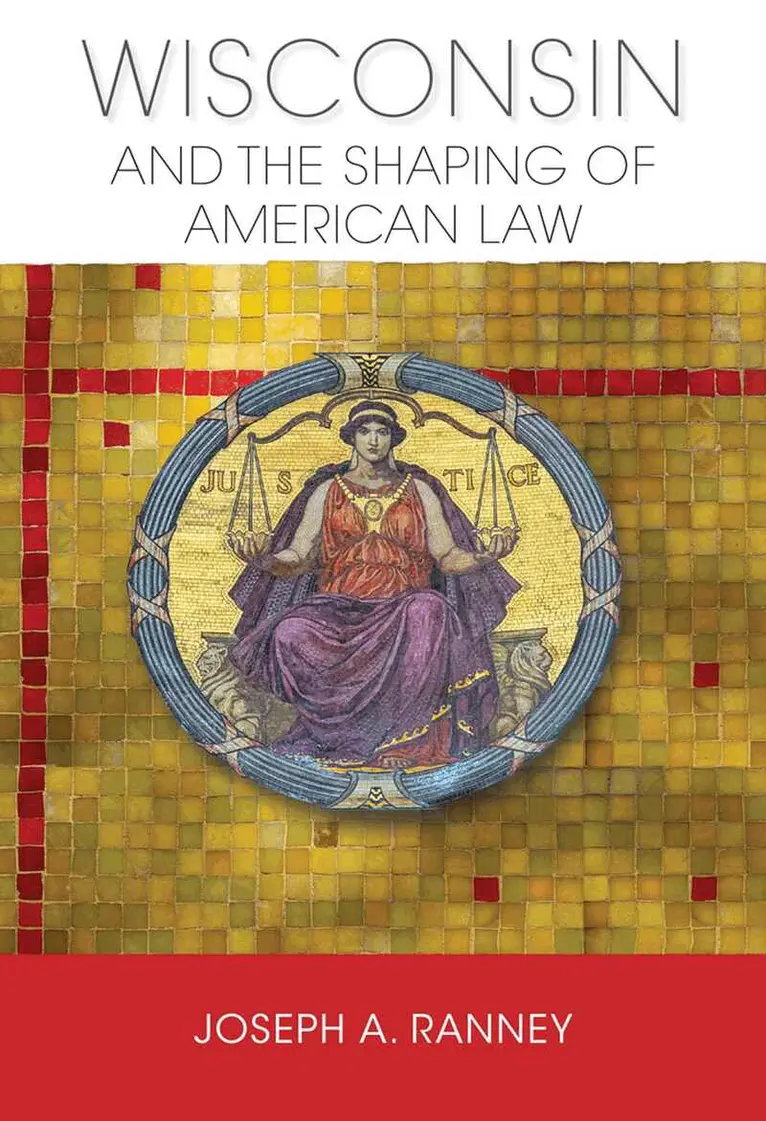
A guide to the complex history of state laws and their importance to all AmericansState laws affect nearly every aspect of our daily lives—our safety, personal relationships, and business dealings—but receive less scholarly attention than federal laws and courts. Joseph A. Ranney looks at how state laws have evolved and shaped American history, through the lens of the historically influential state of Wisconsin.Organized around periods of social need and turmoil, the book considers the role of states as legal laboratories in establishing American authority west of the Appalachians, in both implementing and limiting Jacksonian reforms and in navigating legal crises before and during the Civil War—including Wisconsin’s invocation of sovereignty to defy federal fugitive slave laws. Ranney also surveys judicial revolts, the reforms of the Progressive era, and legislative responses to struggles for civil rights by immigrants, women, Native Americans, and minorities in the nineteenth and twentieth centuries. Since the 1960s, battles have been fought at the state level over such issues as school vouchers, voting, and abortion rights.
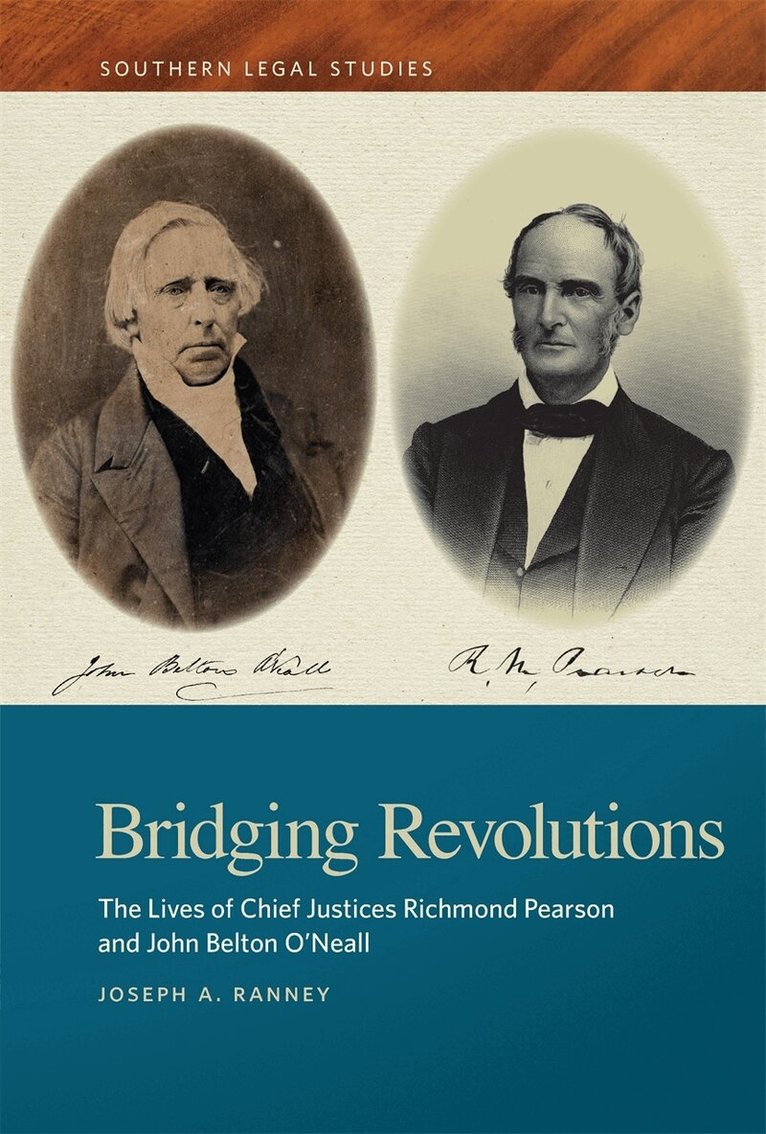
Bridging Revolutions
The Lives of Chief Justices Richmond Pearson and John Belton O'Neall
Inbunden, Engelska, 2023
1 007 kr
Skickas inom 3-6 vardagar
Bridging Revolutions examines the lives of North Carolina chief justice Richmond Pearson (1805–1878) and South Carolina chief justice John Belton O’Neall (1793–1863) and their impact on the South’s transition from a slave to a free society. Joseph A. Ranney documents how the two judges fought to preserve the Union and protect basic civil rights for both white and Black southerners before and after the Civil War.Pearson’s and O’Neall’s lives were marked by contrarianism and controversy. Prior to the Civil War, they took important steps to soften slave law during times marked by calls for more discipline and control of slaves. O’Neall, a committed Unionist, resisted his state’s nullification movement during the 1830s and put an endto that movement with a crucial 1834 decision. Pearson was the only southern supreme court justice whose service spanned the antebellum, Civil War, and Reconstruction eras. During the Civil War, he stoutly defended North Carolinians’ civil rights against incursions by the central Confederate government. After thewar, he urged the South to accept “the world as it is” rather than oppose civil rights for freed slaves, and he did more than any other southern judge to protect those rights and to reshape southern state law. Examined in conjunction, the two judges’ colorful public and private lives illuminate the complex relationship between southern law and culture during times of deep crisis and change.
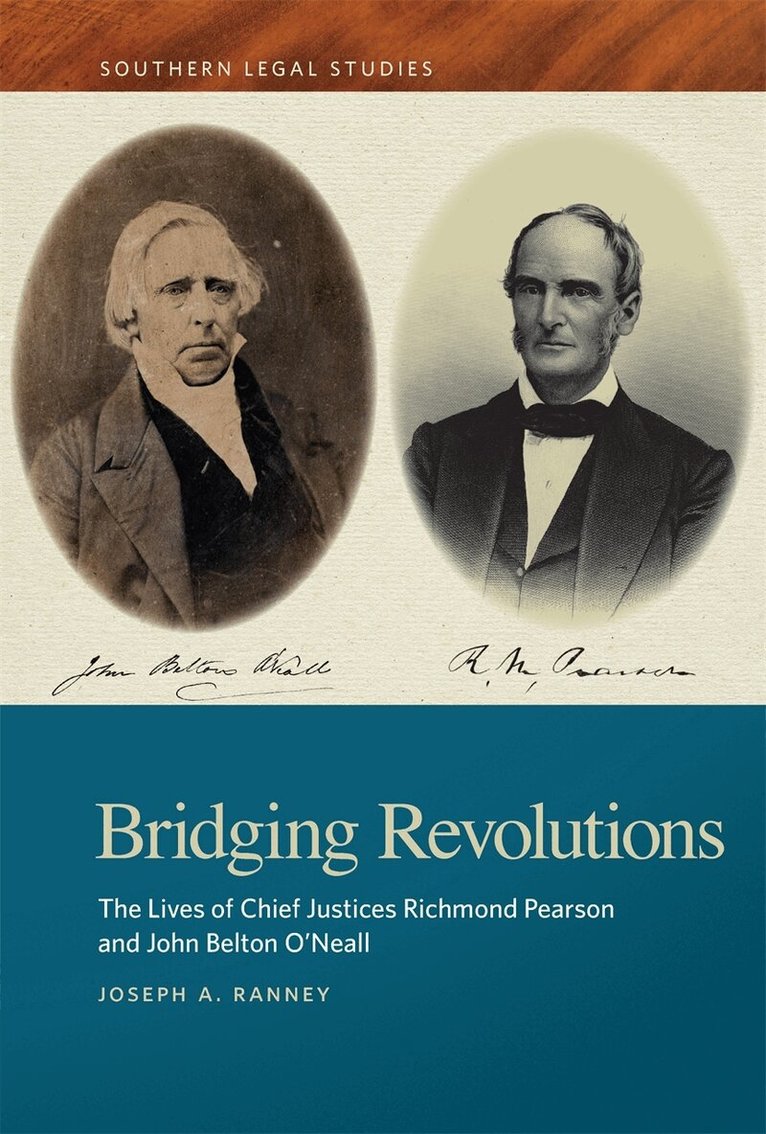
Bridging Revolutions
The Lives of Chief Justices Richmond Pearson and John Belton O'Neall
Häftad, Engelska, 2025
574 kr
Skickas inom 3-6 vardagar
Bridging Revolutions examines the lives of North Carolina chief justice Richmond Pearson (1805–1878) and South Carolina chief justice John Belton O’Neall (1793–1863) and their impact on the South’s transition from a slave to a free society. Joseph A. Ranney documents how the two judges fought to preserve the Union and protect basic civil rights for both white and Black southerners before and after the Civil War.Pearson’s and O’Neall’s lives were marked by contrarianism and controversy. Prior to the Civil War, they took important steps to soften slave law during times marked by calls for more discipline and control of slaves. O’Neall, a committed Unionist, resisted his state’s nullification movement during the 1830s and put an endto that movement with a crucial 1834 decision. Pearson was the only southern supreme court justice whose service spanned the antebellum, Civil War, and Reconstruction eras. During the Civil War, he stoutly defended North Carolinians’ civil rights against incursions by the central Confederate government. After thewar, he urged the South to accept “the world as it is” rather than oppose civil rights for freed slaves, and he did more than any other southern judge to protect those rights and to reshape southern state law. Examined in conjunction, the two judges’ colorful public and private lives illuminate the complex relationship between southern law and culture during times of deep crisis and change.
499 kr
Skickas inom 10-15 vardagar
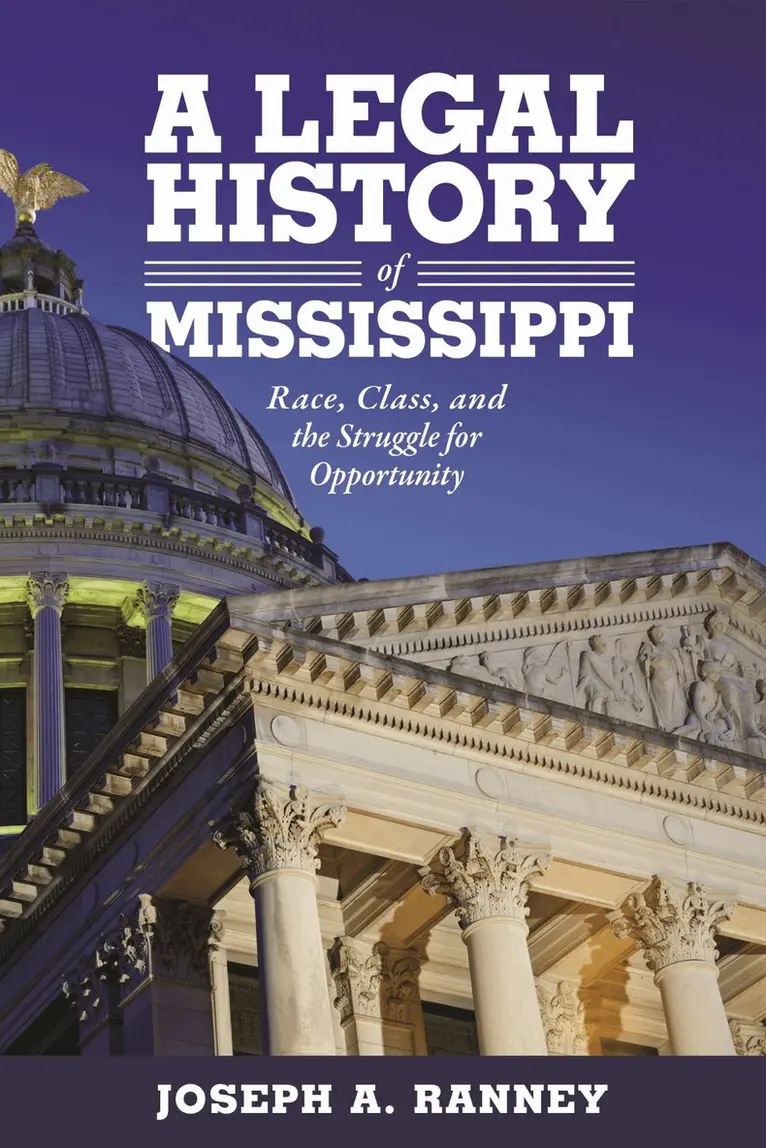
In A Legal History of Mississippi: Race, Class, and the Struggle for Opportunity, legal scholar Joseph A. Ranney surveys the evolution of Mississippi's legal system and analyzes the ways in which that system has changed during the state's first two hundred years. Through close research, qualitative analysis, published court decisions, statutes, and law review articles, along with unusual secondary sources including nineteenth-century political and legal journals and journals of state constitutional conventions, Ranney indicates how Mississippi law has both shaped and reflected the state's character and, to a certain extent, how Mississippi's legal evolution compares with that of other states.Ranney examines the interaction of Mississippi law and society during key periods of change including the colonial and territorial eras and the early years of statehood when the legal foundations were laid; the evolution of slavery and slave law in Mississippi; the state's antebellum role as a leader of Jacksonian legal reform; the unfolding of the response to emancipation and wartime devastation during Reconstruction and the early Jim Crow era; Mississippi's legal evolution during the Progressive Era and its legal response to the crisis of the Great Depression; and the legal response to the civil rights revolution of the mid-twentieth century and the cultural revolutions of the late twentieth century. Histories of the law in other states are starting to appear, but there is none for Mississippi. Ranney fills that gap to help us better understand the state as it enters its third century.