Joseph Bagley - Böcker
Visar alla böcker från författaren Joseph Bagley. Handla med fri frakt och snabb leverans.
4 produkter
4 produkter
1 211 kr
Skickas inom 10-15 vardagar
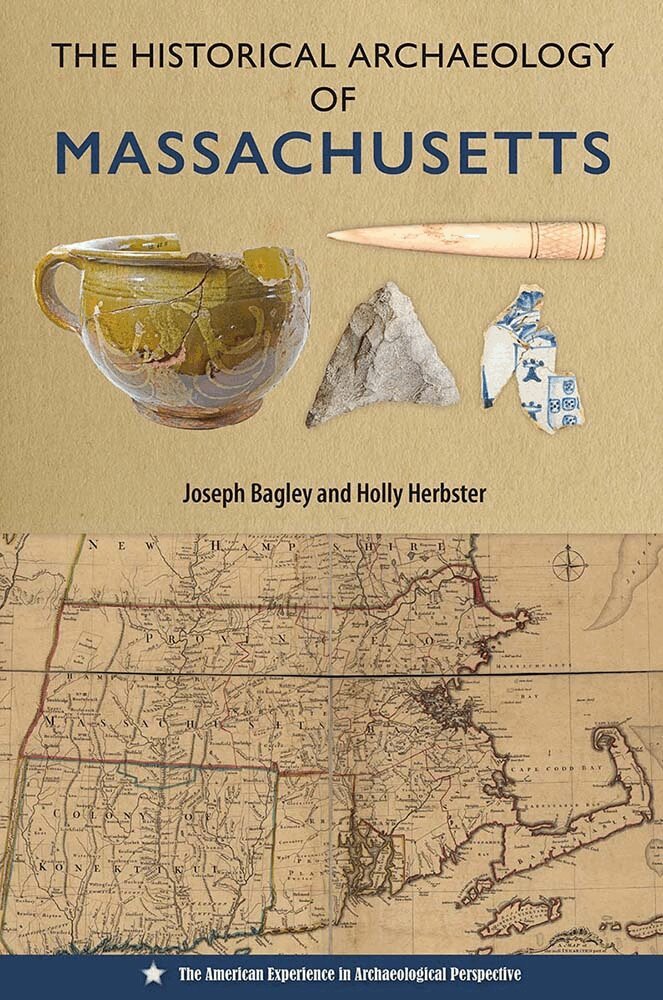
Exploring archaeological sites and materials that uncover the history of the Bay State over four centuriesMassachusetts’s rich tapestry of people, places, and events has long been researched by historical archaeologists. Through archaeological sites and materials that document pivotal moments as well as lesser-known parts of the state’s history, this book chronicles the diverse story of the commonwealth from the seventeenth century to today.Beginning with early Indigenous-European interactions and the Pilgrim colony of Plymouth, this book explores the era of slavery and its aftermath; industrialization, globalism, and commercialism; and key conflicts such as the Pequot War, King Philip’s War, the French and Indian Wars, and the Revolutionary War. Drawing on perspectives from avocational, academic, cultural resource management, and public archaeologists, as well as their own 40 years of experience in Massachusetts archaeology, Joseph Bagley and Holly Herbster discuss case studies that highlight the state’s Indigenous populations, Black history, immigrant groups, and descendant communities often left out of mainstream historical narratives.Bagley and Herbster also trace the evolution of historical archaeology in the state, illustrating how the shift to collaborative, community-based practices has amplified voices that were once silenced or overlooked. This concise overview invites readers to explore a wealth of research in which every archaeological discovery adds depth to American history.
357 kr
Skickas
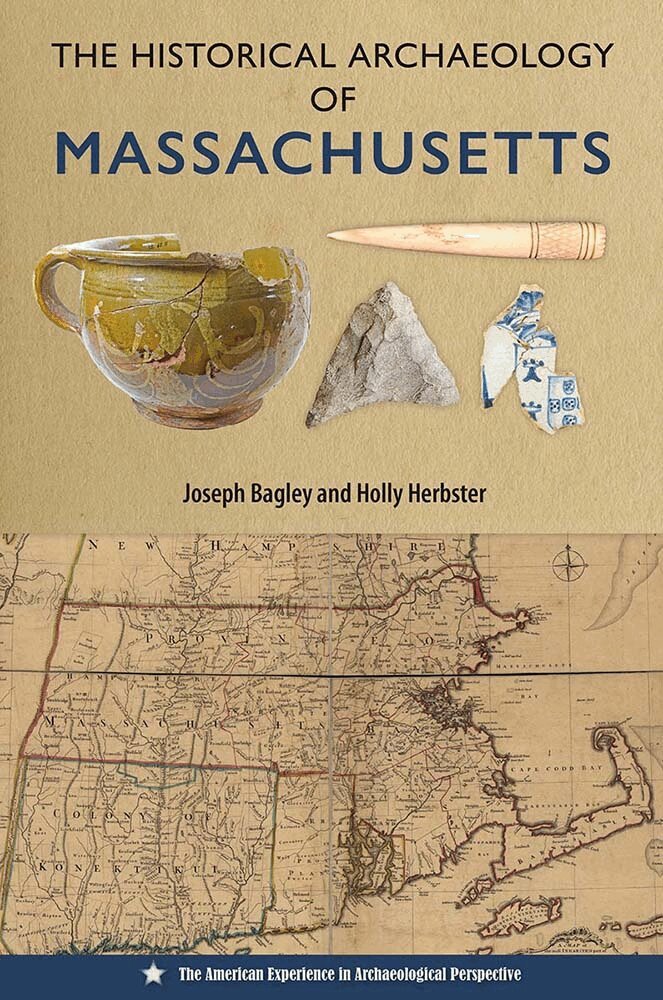
Exploring archaeological sites and materials that uncover the history of the Bay State over four centuriesMassachusetts’s rich tapestry of people, places, and events has long been researched by historical archaeologists. Through archaeological sites and materials that document pivotal moments as well as lesser-known parts of the state’s history, this book chronicles the diverse story of the commonwealth from the seventeenth century to today.Beginning with early Indigenous-European interactions and the Pilgrim colony of Plymouth, this book explores the era of slavery and its aftermath; industrialization, globalism, and commercialism; and key conflicts such as the Pequot War, King Philip’s War, the French and Indian Wars, and the Revolutionary War. Drawing on perspectives from avocational, academic, cultural resource management, and public archaeologists, as well as their own 40 years of experience in Massachusetts archaeology, Joseph Bagley and Holly Herbster discuss case studies that highlight the state’s Indigenous populations, Black history, immigrant groups, and descendant communities often left out of mainstream historical narratives.Bagley and Herbster also trace the evolution of historical archaeology in the state, illustrating how the shift to collaborative, community-based practices has amplified voices that were once silenced or overlooked. This concise overview invites readers to explore a wealth of research in which every archaeological discovery adds depth to American history.
1 626 kr
Skickas inom 5-8 vardagar
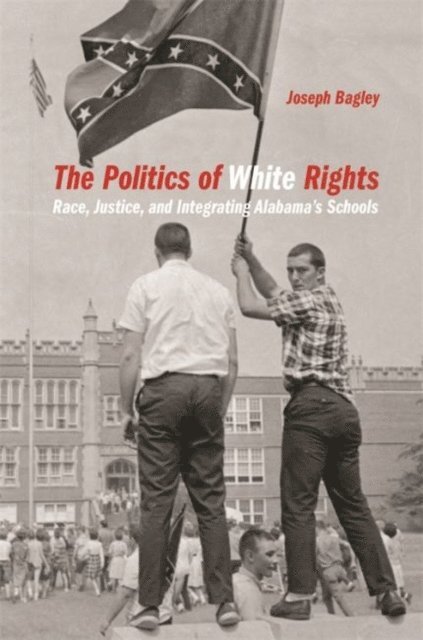
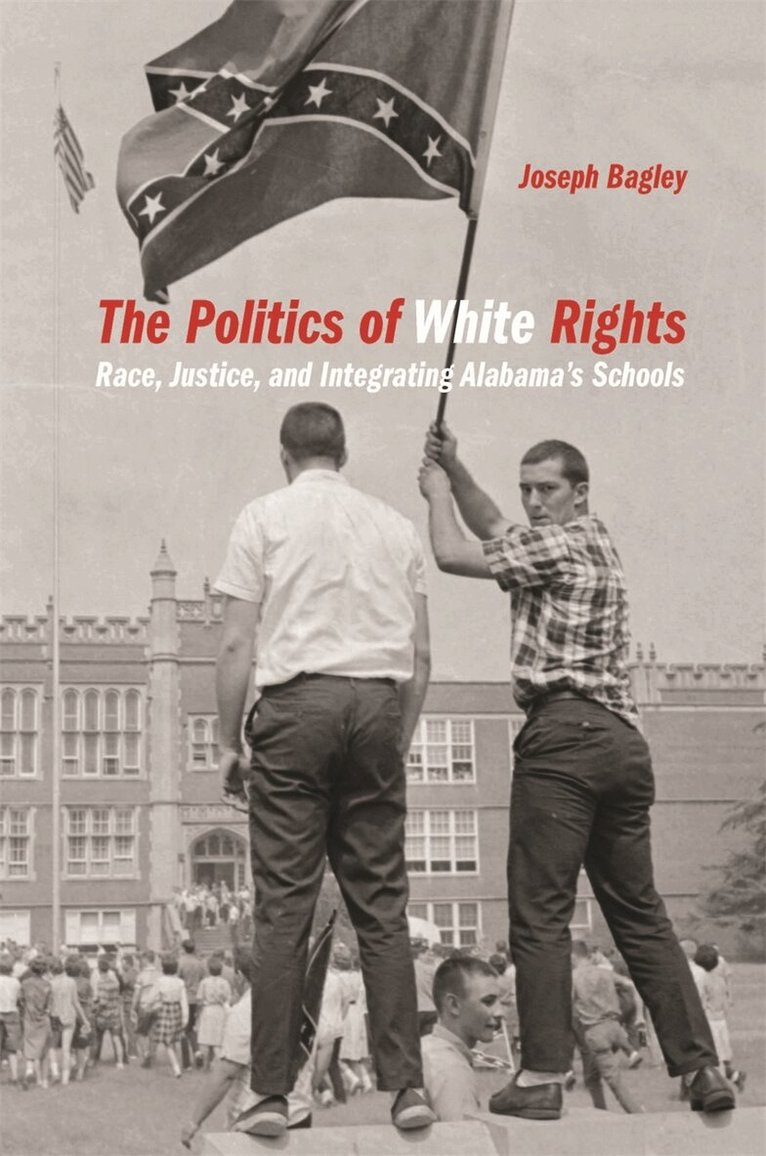
In The Politics of White Rights, Joseph Bagley recounts the history of school desegregation litigation in Alabama, focusing on the malleability and durability of white resistance. He argues that the litigious battles of 1954–73 taught Alabama’s segregationists how to fashion a more subtle defense of white privilege, placing them in the vanguard of a new conservatism oriented toward the Sunbelt, not the South.Scholars have recently begun uncovering the ways in which segregationists abandoned violent backlash and overt economic reprisal and learned how to rearticulate their resistance and blind others to their racial motivations. Bagley is most interested in a creedal commitment to maintaining “law and order,” which lay at the heart of this transition. Before it was a buzz phrase meant to conjure up fears of urban black violence, “law and order” represented a politics that allowed self-styled white moderates to begrudgingly accept token desegregation and to begin to stake their own claims to constitutional rights without forcing them to repudiate segregation or white supremacy.Federal courts have, as recently as 2014, agreed that Alabama’s property tax system is crippling black education. Bagley argues that this is because, in the late 1960s, the politics of law and order became a politics of white rights, which supported not only white flight to suburbs and private schools but also nominally color-blind changes in the state’s tax code. These changes were designed to shield white money from the needs of increasingly black public education. Activists and courts have been powerless to do anything about them, because twenty years of desperate litigious combat finally taught Alabama lawmakers how to erect constitutional bulwarks that could withstand a legal assault.
589 kr
Skickas inom 5-8 vardagar
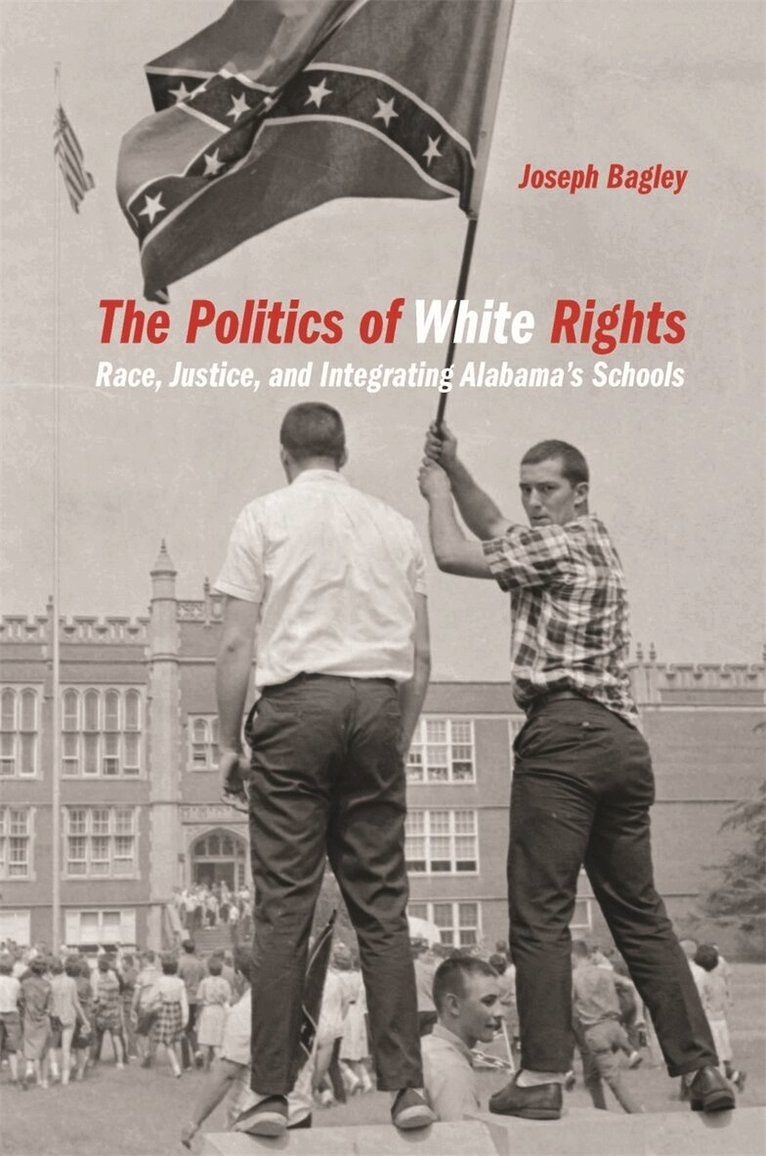
In The Politics of White Rights, Joseph Bagley recounts the history of school desegregation litigation in Alabama, focusing on the malleability and durability of white resistance. He argues that the litigious battles of 1954–73 taught Alabama’s segregationists how to fashion a more subtle defense of white privilege, placing them in the vanguard of a new conservatism oriented toward the Sunbelt, not the South.Scholars have recently begun uncovering the ways in which segregationists abandoned violent backlash and overt economic reprisal and learned how to rearticulate their resistance and blind others to their racial motivations. Bagley is most interested in a creedal commitment to maintaining “law and order,” which lay at the heart of this transition. Before it was a buzz phrase meant to conjure up fears of urban black violence, “law and order” represented a politics that allowed self-styled white moderates to begrudgingly accept token desegregation and to begin to stake their own claims to constitutional rights without forcing them to repudiate segregation or white supremacy.Federal courts have, as recently as 2014, agreed that Alabama’s property tax system is crippling black education. Bagley argues that this is because, in the late 1960s, the politics of law and order became a politics of white rights, which supported not only white flight to suburbs and private schools but also nominally color-blind changes in the state’s tax code. These changes were designed to shield white money from the needs of increasingly black public education. Activists and courts have been powerless to do anything about them, because twenty years of desperate litigious combat finally taught Alabama lawmakers how to erect constitutional bulwarks that could withstand a legal assault.