Joseph C. Miller – Författare
Visar alla böcker från författaren Joseph C. Miller. Handla med fri frakt och snabb leverans.
11 produkter
11 produkter
379 kr
Skickas inom 10-15 vardagar
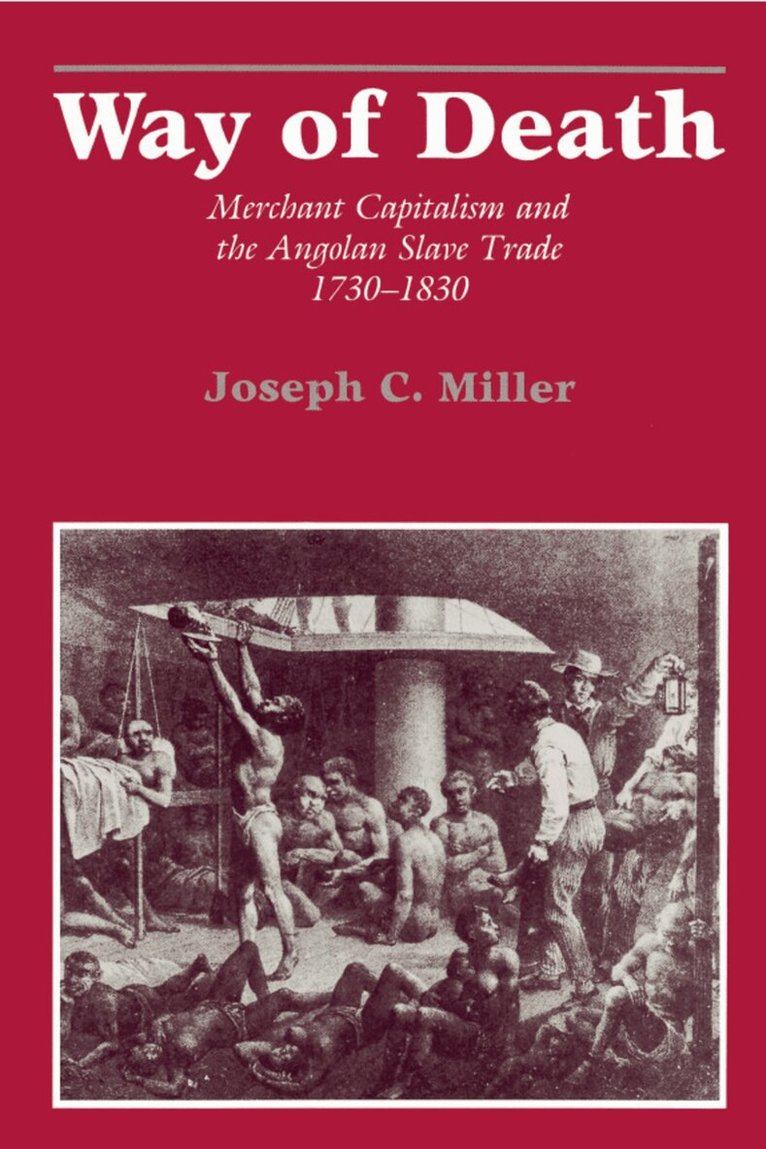
With extraordinary skill, Joseph C. Miller explores the complex relationships among the separate economies of Africa, Europe, and the South Atlantic that collectively supported the slave trade. He places the grim history of the trade itself within the context of the rise of merchant capitalism in the eighteenth century. Throughout, Miller illuminates the experiences of the slaves themselves, reconstructing what can be known of their sufferings at the hands of their buyers and sellers.
396 kr
Tillfälligt slut
814 kr
Skickas inom 7-10 vardagar
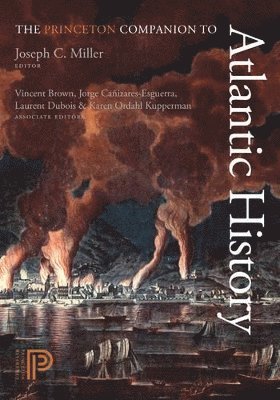
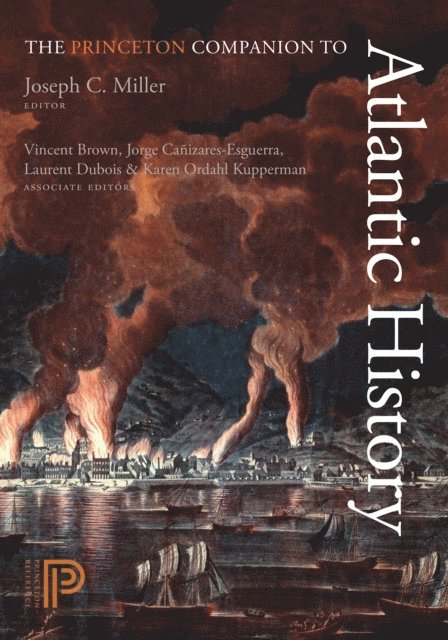
Between the fifteenth and nineteenth centuries, the connections among Africa, the Americas, and Europe transformed world history--through maritime exploration, commercial engagements, human migrations and settlements, political realignments and upheavals, cultural exchanges, and more. This book, the first encyclopedic reference work on Atlantic history, takes an integrated, multicontinental approach that emphasizes the dynamics of change and the perspectives and motivations of the peoples who made it happen. The entries--all specially commissioned for this volume from an international team of leading scholars--synthesize the latest scholarship on central themes, including economics, migration, politics, war, technologies and science, the physical environment, and culture. Part one features five major essays that trace the changes distinctive to each chronological phase of Atlantic history. Part two includes more than 125 entries on key topics, from the seemingly familiar viewed in unfamiliar and provocative ways (the Seven Years' War, trading companies) to less conventional subjects (family networks, canon law, utopias).This is an indispensable resource for students, researchers, and scholars in a range of fields, from early American, African, Latin American, and European history to the histories of economics, religion, and science. * The first encyclopedic reference on Atlantic history* Features five major essays and more than 125 alphabetical entries* Provides essential context on major areas of change:* Economies (for example, the slave trade, marine resources, commodities, specie, trading companies)* Populations (emigrations, Native American removals, blended communities)* Politics and law (the law of nations, royal liberties, paramount chiefdoms, independence struggles in Haiti, the Hispanic Americas, the United States, and France)* Military actions (the African and Napoleonic wars, the Seven Years' War, wars of conquest)* Technologies and science (cartography, nautical science, geography, healing practices)* The physical environment (climate and weather, forest resources, agricultural production, food and diets, disease)* Cultures and communities (captivity narratives, religions and religious practices)* Includes original contributions from Sven Beckert, Holly Brewer, Peter A.Coclanis, Seymour Drescher, Eliga H. Gould, David S. Jones, Wim Klooster, Mark Peterson, Steven Pincus, Richard Price and Sophia Rosenfeld, and many more* Contains illustrations, maps, and bibliographies
Women and Slavery, Volume One
Africa, the Indian Ocean World, and the Medieval North Atlantic
Inbunden, Engelska, 2007
876 kr
Skickas inom 7-10 vardagar
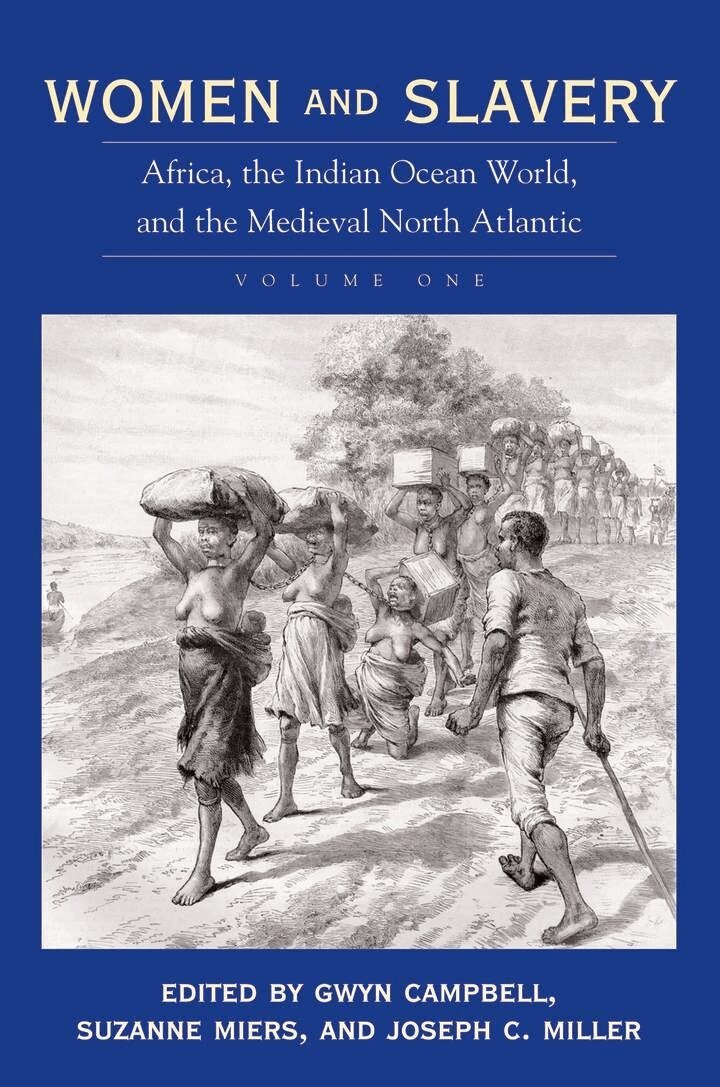
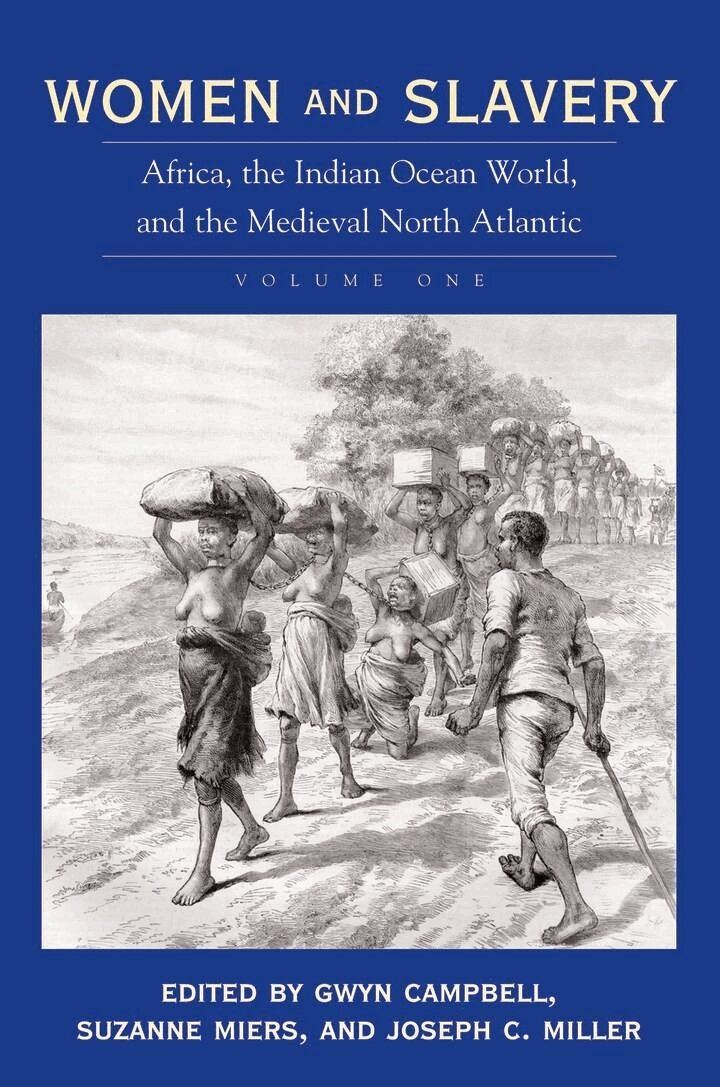
The literature on women enslaved around the world has grown rapidly in the last ten years, evidencing strong interest in the subject across a range of academic disciplines. Until Women and Slavery, no single collection has focused on female slaves who—as these two volumes reveal—probably constituted the considerable majority of those enslaved in Africa, Asia, and Europe over several millennia and who accounted for a greater proportion of the enslaved in the Americas than is customarily acknowledged.Women enslaved in the Americas came to bear highly gendered reputations among whites—as "scheming Jezebels," ample and devoted "mammies," or suffering victims of white male brutality and sexual abuse—that revealed more about the psychology of enslaving than about the courage and creativity of the women enslaved. These strong images of modern New World slavery contrast with the equally expressive virtual invisibility of the women enslaved in the Old—concealed in harems, represented to meddling colonial rulers as "wives" and "nieces," taken into African families and kin-groups in subtlely nuanced fashion.Women and Slavery presents papers developed from an international conference organized by Gwyn Campbell.Volume 1 ContributorsSharifa AhjumRichard B. AllenKatrin BromberGwyn CampbellCatherine Coquery-VidrovitchJan-Georg DeutschTimothy FernyhoughPhilip J. HavikElizabeth Grzymala JordanMartin A. KleinGeorge Michael La RuePaul E. LovejoyFred MortonRichard RobertsKirsten A. Seaver
Women and Slavery, Volume One
Africa, the Indian Ocean World, and the Medieval North Atlantic
Häftad, Engelska, 2007
393 kr
Skickas inom 10-15 vardagar
The literature on women enslaved around the world has grown rapidly in the last ten years, evidencing strong interest in the subject across a range of academic disciplines. Until Women and Slavery, no single collection has focused on female slaves who—as these two volumes reveal—probably constituted the considerable majority of those enslaved in Africa, Asia, and Europe over several millennia and who accounted for a greater proportion of the enslaved in the Americas than is customarily acknowledged.Women enslaved in the Americas came to bear highly gendered reputations among whites—as "scheming Jezebels," ample and devoted "mammies," or suffering victims of white male brutality and sexual abuse—that revealed more about the psychology of enslaving than about the courage and creativity of the women enslaved. These strong images of modern New World slavery contrast with the equally expressive virtual invisibility of the women enslaved in the Old—concealed in harems, represented to meddling colonial rulers as "wives" and "nieces," taken into African families and kin-groups in subtlely nuanced fashion.Women and Slavery presents papers developed from an international conference organized by Gwyn Campbell.Volume 1 ContributorsSharifa AhjumRichard B. AllenKatrin BromberGwyn CampbellCatherine Coquery-VidrovitchJan-Georg DeutschTimothy FernyhoughPhilip J. HavikElizabeth Grzymala JordanMartin A. KleinGeorge Michael La RuePaul E. LovejoyFred MortonRichard RobertsKirsten A. Seaver
876 kr
Skickas inom 7-10 vardagar
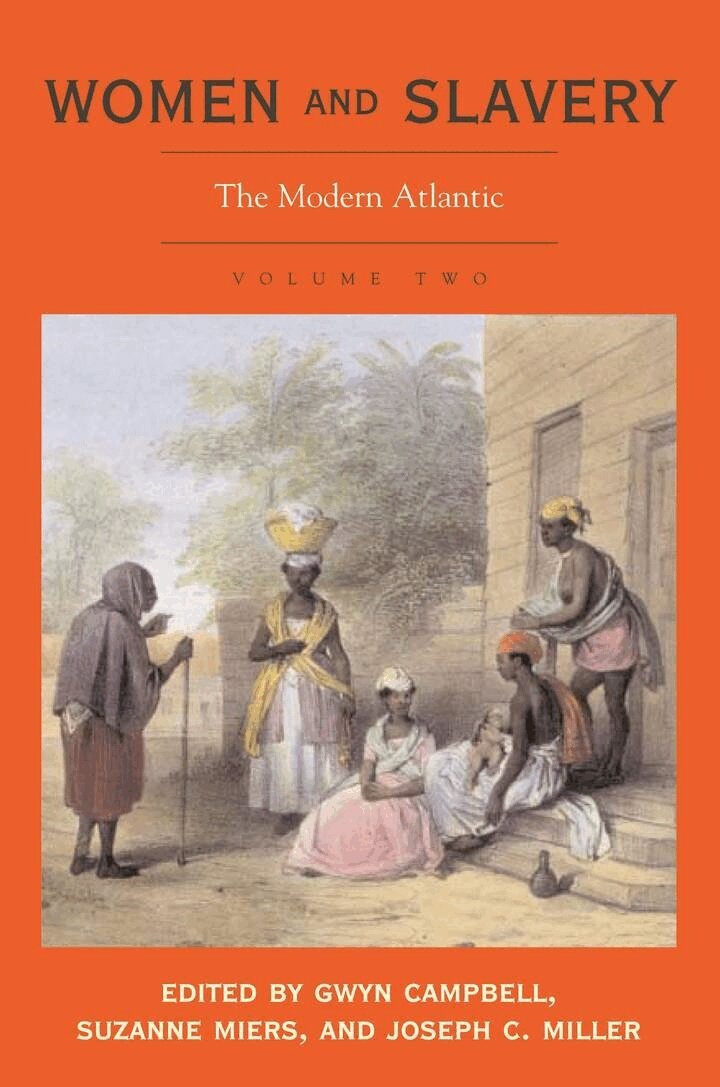
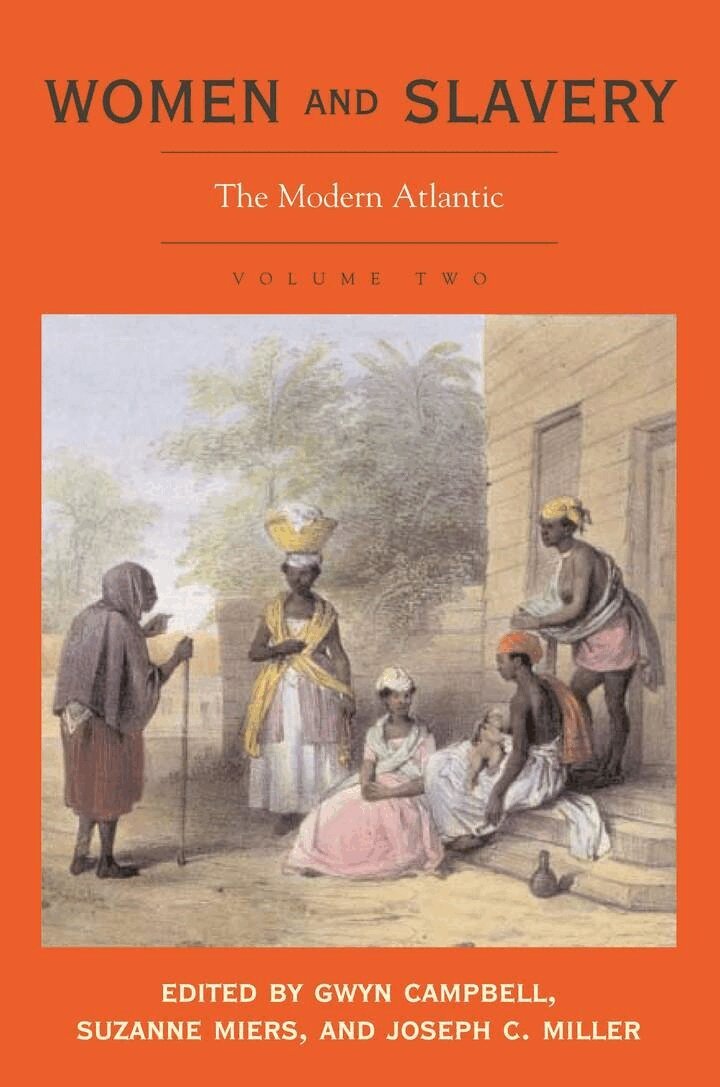
The literature on women enslaved around the world has grown rapidly in the last ten years, evidencing strong interest in the subject across a range of academic disciplines. Until Women and Slavery, no single collection has focused on female slaves who-as these two volumes reveal-probably constituted the considerable majority of those enslaved in Africa, Asia, and Europe over several millennia and who accounted for a greater proportion of the enslaved in the Americas than is customarily acknowledged.Women enslaved in the Americas came to bear highly gendered reputations among whites-as “scheming Jezebels,” ample and devoted “mammies,” or suffering victims of white male brutality and sexual abuse-that revealed more about the psychology of enslaving than about the courage and creativity of the women enslaved. These strong images of modern New World slavery contrast with the equally expressive virtual invisibility of the women enslaved in the Old-concealed in harems, represented to meddling colonial rulers as “wives” and “nieces,” taken into African families and kin-groups in nuanced fashion.Volume 2 ContributorsHenrice AltinkLaurence BrownMyriam CottiasLaura F. EdwardsRichard FollettTara InnissBarbara KrauthamerJoseph C. MillerBernard MoittKenneth MorganClaire RobertsonMarsha RobinsonFelipe SmithMariza de Carvalho Soares
365 kr
Skickas inom 10-15 vardagar
The literature on women enslaved around the world has grown rapidly in the last ten years, evidencing strong interest in the subject across a range of academic disciplines. Until Women and Slavery, no single collection has focused on female slaves who-as these two volumes reveal-probably constituted the considerable majority of those enslaved in Africa, Asia, and Europe over several millennia and who accounted for a greater proportion of the enslaved in the Americas than is customarily acknowledged.Women enslaved in the Americas came to bear highly gendered reputations among whites-as “scheming Jezebels,” ample and devoted “mammies,” or suffering victims of white male brutality and sexual abuse-that revealed more about the psychology of enslaving than about the courage and creativity of the women enslaved. These strong images of modern New World slavery contrast with the equally expressive virtual invisibility of the women enslaved in the Old-concealed in harems, represented to meddling colonial rulers as “wives” and “nieces,” taken into African families and kin-groups in nuanced fashion.Volume 2 ContributorsHenrice AltinkLaurence BrownMyriam CottiasLaura F. EdwardsRichard FollettTara InnissBarbara KrauthamerJoseph C. MillerBernard MoittKenneth MorganClaire RobertsonMarsha RobinsonFelipe SmithMariza de Carvalho Soares
888 kr
Skickas inom 10-15 vardagar
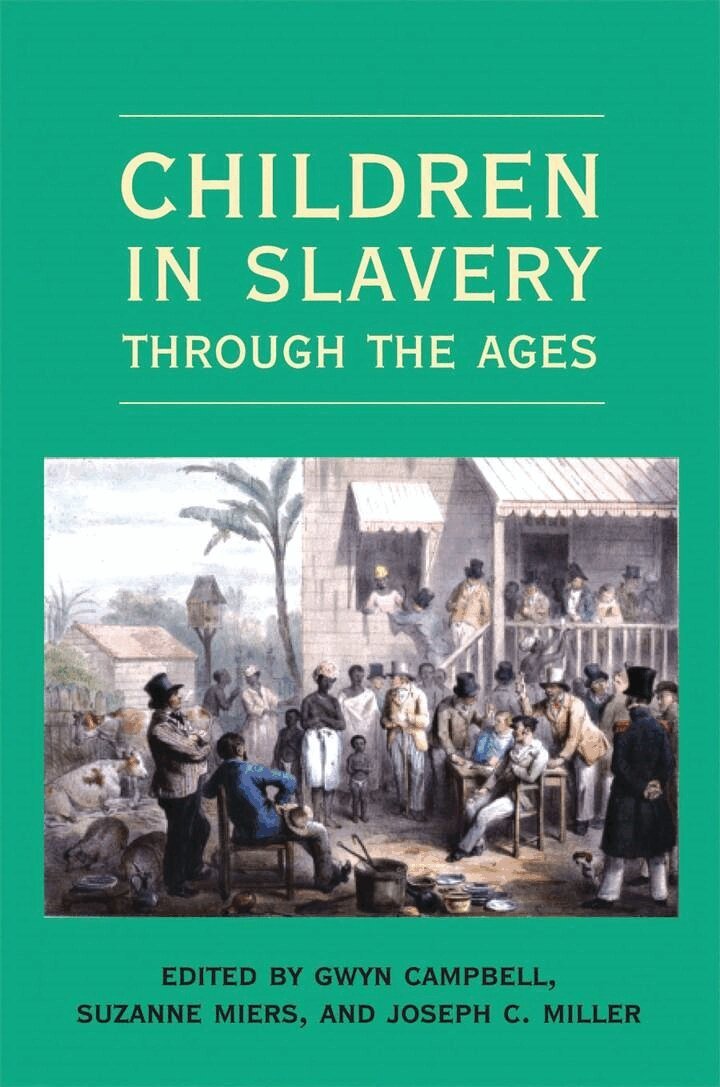
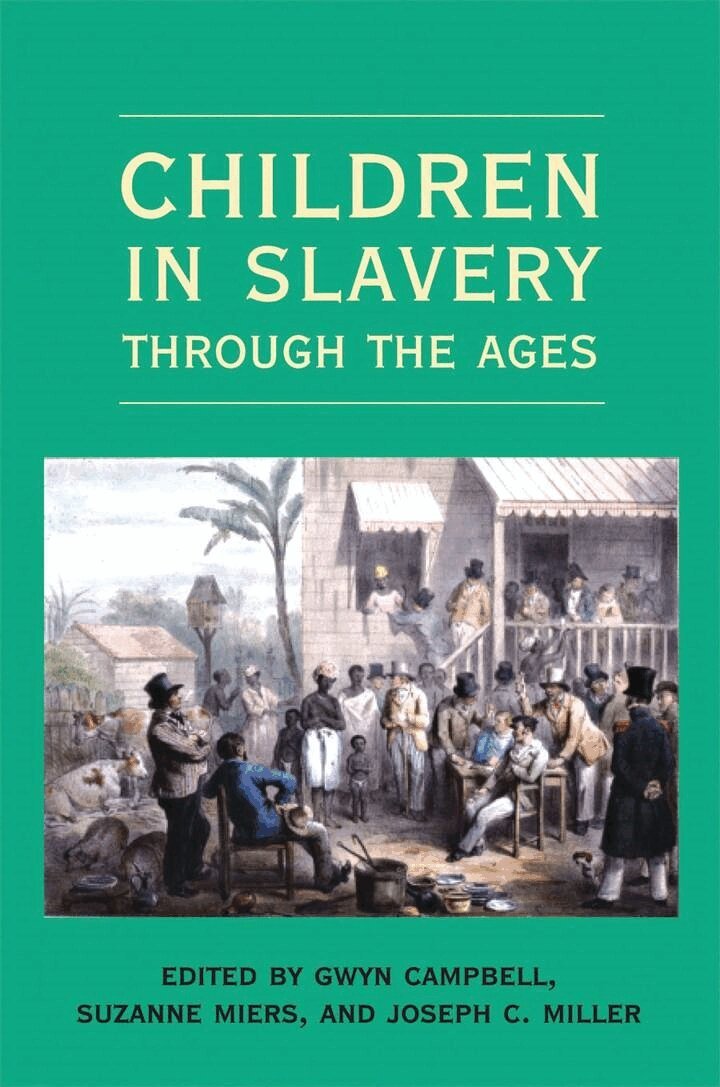
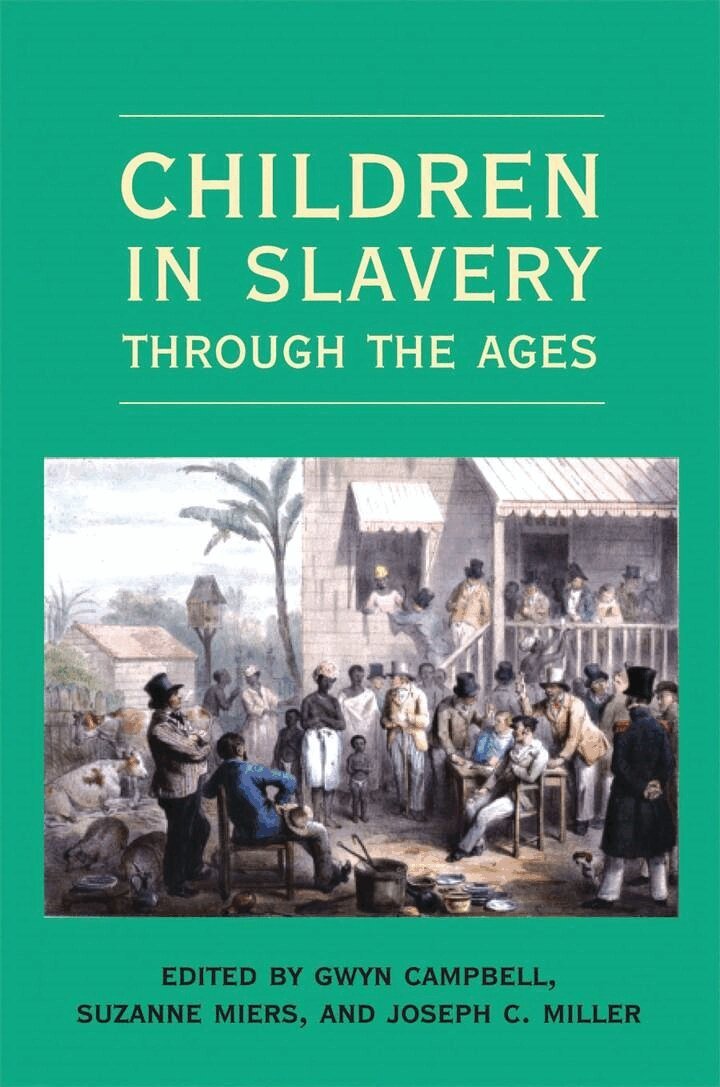
Significant numbers of the people enslaved throughout world history have been children. The vast literature on slavery has grown to include most of the history of this ubiquitous practice, but nearly all of it concentrates on the adult males whose strong bodies and laboring capacities preoccupied the masters of the modern Americas. Children in Slavery through the Ages examines the children among the enslaved across a significant range of earlier times and other places; its companion volume will examine the children enslaved in recent American contexts and in the contemporary/modern world.This is the first collection to focus on children in slavery. These leading scholars bring our thinking about slaving and slavery to new levels of comprehensiveness and complexity. They further provide substantial historical depth to the abuse of children for sexual and labor purposes that has become a significant humanitarian concern of governments and private organizations around the world in recent decades.The collected essays in Children in Slavery through the Ages fundamentally reconstruct our understanding of enslavement by exploring the often-ignored role of children in slavery and rejecting the tendency to narrowly equate slavery with the forced labor of adult males. The volume's historical angle highlights many implications of child slavery by examining the variety of children's roles—as manual laborers and domestic servants to court entertainers and eunuchs—and the worldwide regions in which the child slave trade existed.
331 kr
Skickas
Significant numbers of the people enslaved throughout world history have been children. The vast literature on slavery has grown to include most of the history of this ubiquitous practice, but nearly all of it concentrates on the adult males whose strong bodies and laboring capacities preoccupied the masters of the modern Americas. Children in Slavery through the Ages examines the children among the enslaved across a significant range of earlier times and other places; its companion volume will examine the children enslaved in recent American contexts and in the contemporary/modern world.This is the first collection to focus on children in slavery. These leading scholars bring our thinking about slaving and slavery to new levels of comprehensiveness and complexity. They further provide substantial historical depth to the abuse of children for sexual and labor purposes that has become a significant humanitarian concern of governments and private organizations around the world in recent decades.The collected essays in Children in Slavery through the Ages fundamentally reconstruct our understanding of enslavement by exploring the often-ignored role of children in slavery and rejecting the tendency to narrowly equate slavery with the forced labor of adult males. The volume's historical angle highlights many implications of child slavery by examining the variety of children's roles—as manual laborers and domestic servants to court entertainers and eunuchs—and the worldwide regions in which the child slave trade existed.
888 kr
Skickas inom 10-15 vardagar
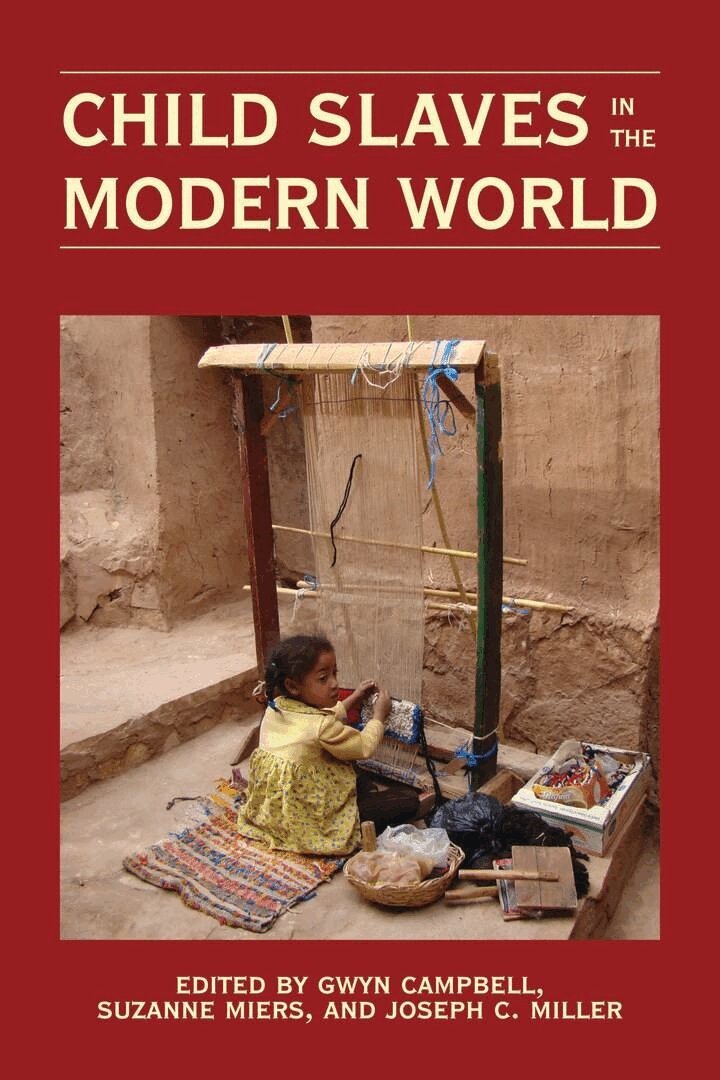
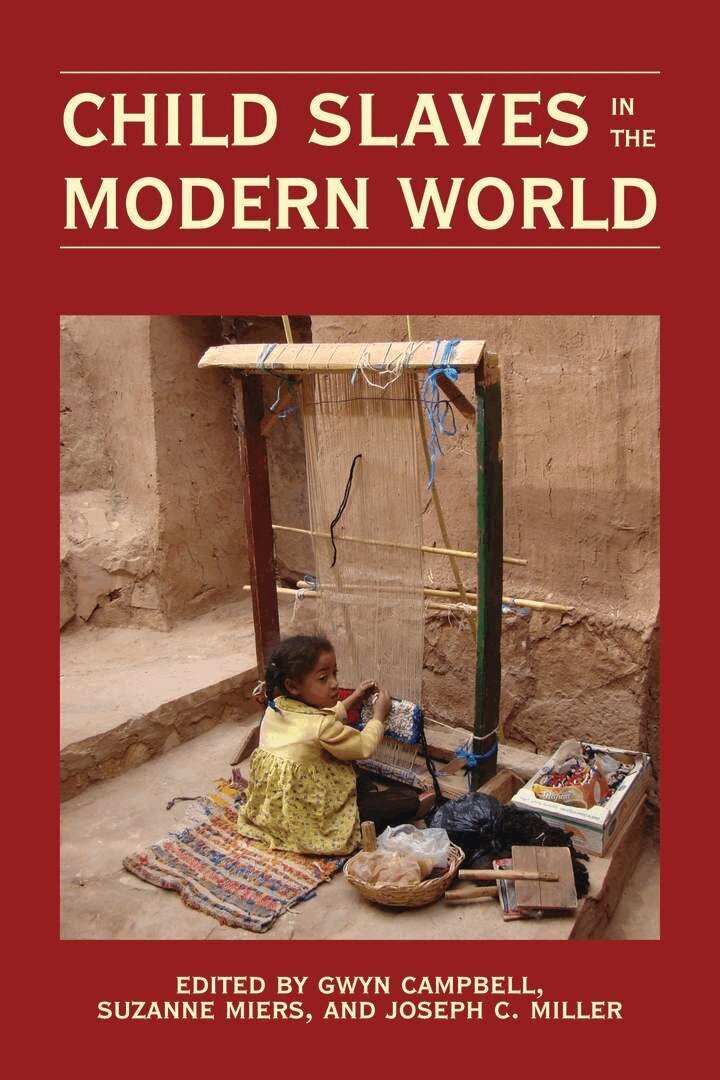
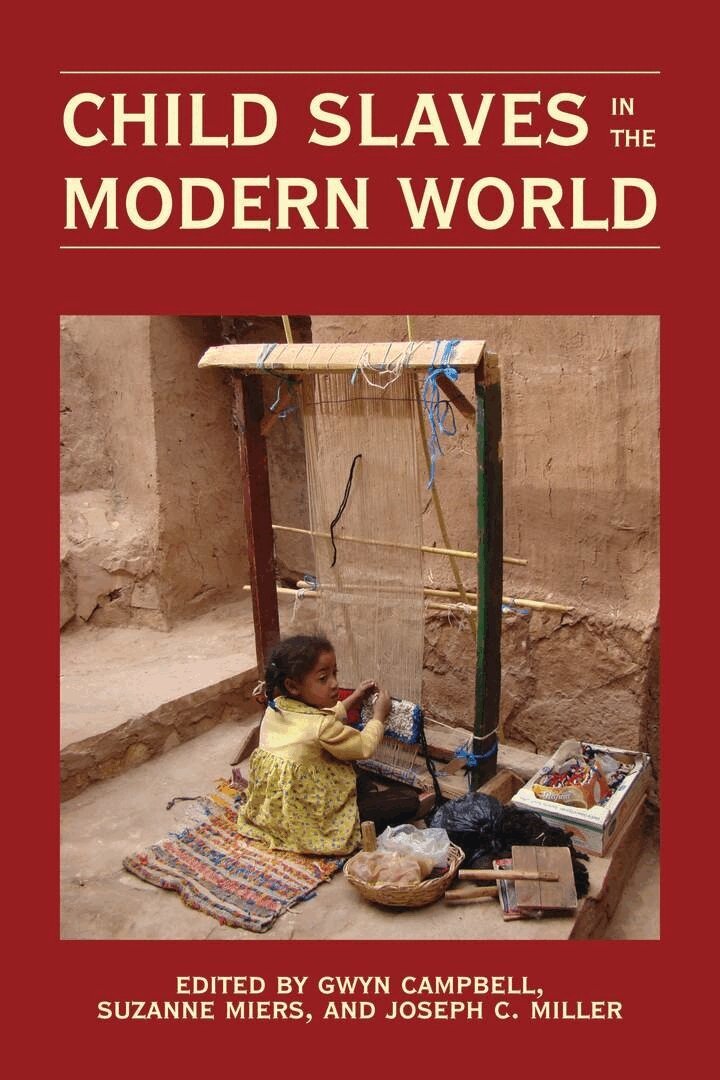
Child Slaves in the Modern World is the second of two volumes that examine the distinctive uses and experiences of children in slavery in the nineteenth and twentieth centuries. This collection of previously unpublished essays exposes the global victimization of child slaves from the period of abolition of legal slavery in the nineteenth century to the human rights era of the twentieth century. It contributes to the growing recognitionthat the stereotypical bonded male slave was in fact a rarity.Nine of the studies are historical, with five located in Africa and three covering Latin America from the British Caribbean to Chile. One study follows the children liberated in the famousAmistad incident (1843). The remaining essays cover contemporary forms of child slavery, from prostitution to labor to forced soldiering.Child Slaves in the Modern World adds historical depth to the current literature on contemporary slavery, emphasizing the distinctive vulnerabilities of children, or effective equivalents,that made them particularly valuable to those who could acquire and control them. The studies also make clear the complexities of attempting to legislate or decree regulations limiting practices that appear to have been—and continue to be —ubiquitous around the world.Contributors: Benjamin N. Lawrance, Gwyn Campbell, Cecily Jones, Sue Taylor, Nara Milanich, Martin Klein, Bernard Moitt, Trevor R. Getz, William G. Clarence-Smith, Jonathan Blagbrough, Philip Whalen, Malika Id' Salah, Zosa de Sas Kropiwnicki, Sarah Maguire, and Mike Dottridge.
347 kr
Skickas inom 7-10 vardagar
Child Slaves in the Modern World is the second of two volumes that examine the distinctive uses and experiences of children in slavery in the nineteenth and twentieth centuries. This collection of previously unpublished essays exposes the global victimization of child slaves from the period of abolition of legal slavery in the nineteenth century to the human rights era of the twentieth century. It contributes to the growing recognitionthat the stereotypical bonded male slave was in fact a rarity.Nine of the studies are historical, with five located in Africa and three covering Latin America from the British Caribbean to Chile. One study follows the children liberated in the famousAmistad incident (1843). The remaining essays cover contemporary forms of child slavery, from prostitution to labor to forced soldiering.Child Slaves in the Modern World adds historical depth to the current literature on contemporary slavery, emphasizing the distinctive vulnerabilities of children, or effective equivalents,that made them particularly valuable to those who could acquire and control them. The studies also make clear the complexities of attempting to legislate or decree regulations limiting practices that appear to have been—and continue to be —ubiquitous around the world.Contributors: Benjamin N. Lawrance, Gwyn Campbell, Cecily Jones, Sue Taylor, Nara Milanich, Martin Klein, Bernard Moitt, Trevor R. Getz, William G. Clarence-Smith, Jonathan Blagbrough, Philip Whalen, Malika Id' Salah, Zosa de Sas Kropiwnicki, Sarah Maguire, and Mike Dottridge.