Joseph Persky – författare
Visar alla böcker från författaren Joseph Persky. Handla med fri frakt och snabb leverans.
6 produkter
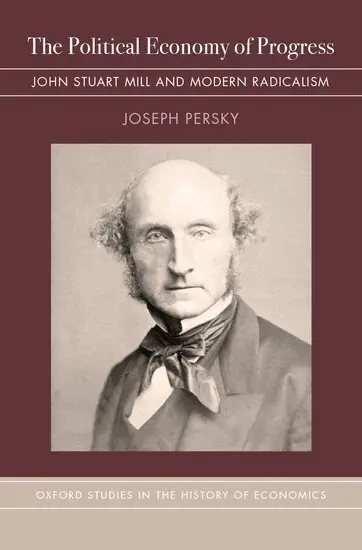
The Political Economy of Progress
John Stuart Mill and Modern Radicalism
Inbunden, 2016
2038 kr
Lägg i varukorg
While there had been much radical thought before John Stuart Mill, Joseph Persky argues it was Mill, as he moved to the left, who provided the radical wing of liberalism with its first serious analytical foundation, a political economy of progress that still echoes today. A rereading of Mill's …
Political Economy of Progress
John Stuart Mill and Modern Radicalism
E-bok, 2016
1229 kr
Lägg i varukorg
While there had been much radical thought before John Stuart Mill, Joseph Persky argues it was Mill, as he moved to the left, who provided the radical wing of liberalism with its first serious analytical foundation, a political economy of progress that still echoes today. A rereading of Mill''s …
Political Economy of Progress
John Stuart Mill and Modern Radicalism
E-bok, 2016
1229 kr
Lägg i varukorg
While there had been much radical thought before John Stuart Mill, Joseph Persky argues it was Mill, as he moved to the left, who provided the radical wing of liberalism with its first serious analytical foundation, a political economy of progress that still echoes today. A rereading of Mill''s …
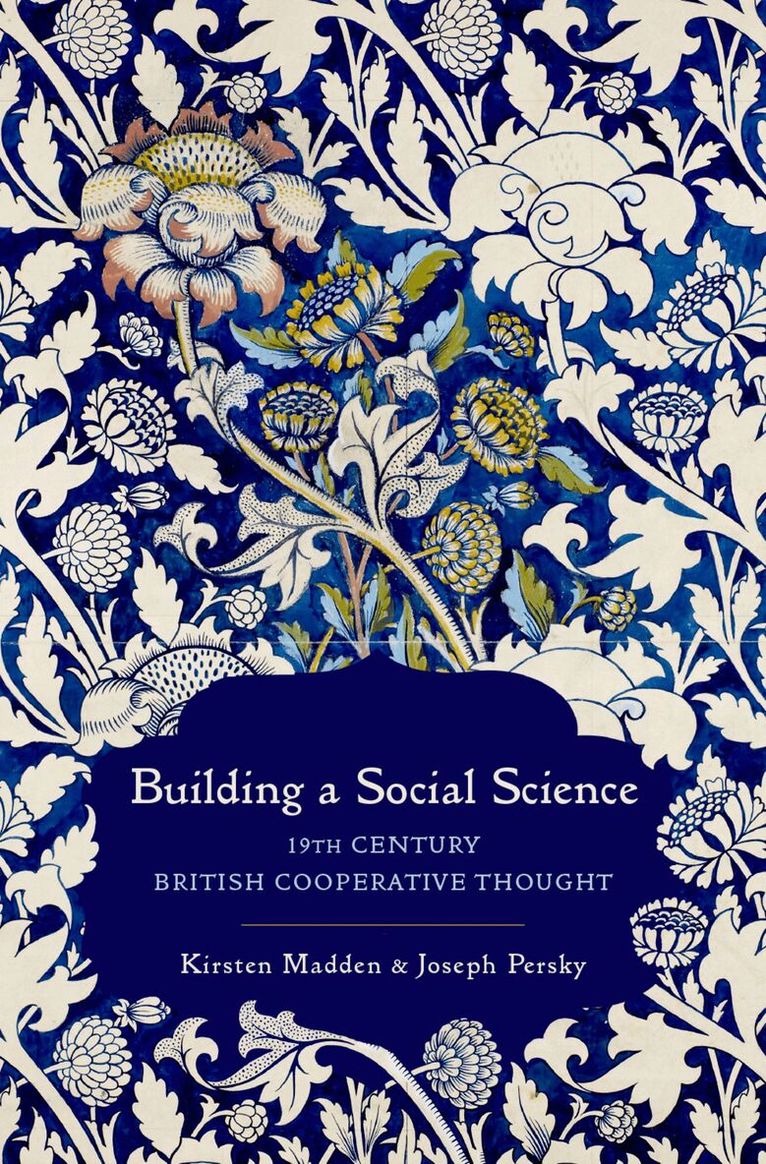
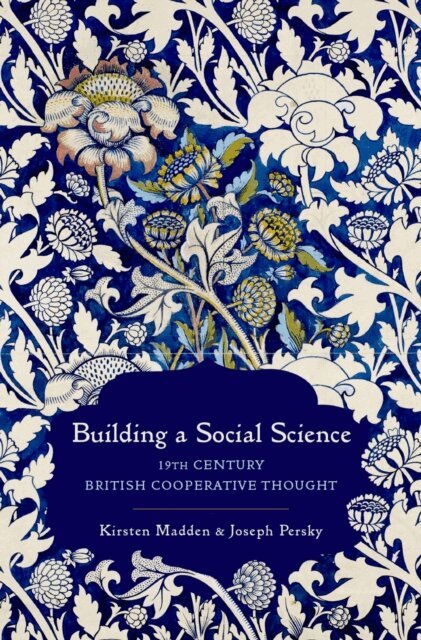
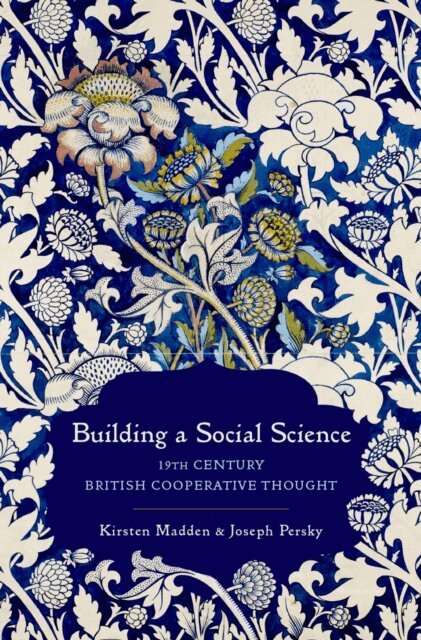
Building a Social Science
19th Century British Cooperative Thought
Av Kirsten Madden, Joseph Persky
Inbunden, 2024
898 kr
Lägg i varukorg
Just as the Industrial Revolution in Britain suggested a promise of abundance, David Ricardo, Robert Malthus, and their colleagues formalized classical political economy with its emphasis on scarcity, self-interest, and private accumulation of capital. At the same time, Robert Owen took a different …
Building a Social Science
19th Century British Cooperative Thought
Av Joseph Persky, Kirsten Madden
E-bok, 2024
925 kr
Lägg i varukorg
Just as the Industrial Revolution in Britain suggested a promise of abundance, David Ricardo, Robert Malthus, and their colleagues formalized classical political economy with its emphasis on scarcity, self-interest, and private accumulation of capital. At the same time, Robert Owen took a different …
Building a Social Science
19th Century British Cooperative Thought
Av Joseph Persky, Kirsten Madden
E-bok, 2024
925 kr
Lägg i varukorg
Just as the Industrial Revolution in Britain suggested a promise of abundance, David Ricardo, Robert Malthus, and their colleagues formalized classical political economy with its emphasis on scarcity, self-interest, and private accumulation of capital. At the same time, Robert Owen took a different …