Jr. Conyers - Böcker
Visar alla böcker från författaren Jr. Conyers. Handla med fri frakt och snabb leverans.
10 produkter
10 produkter
2 088 kr
Skickas inom 10-15 vardagar
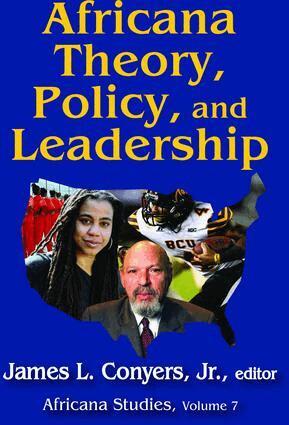
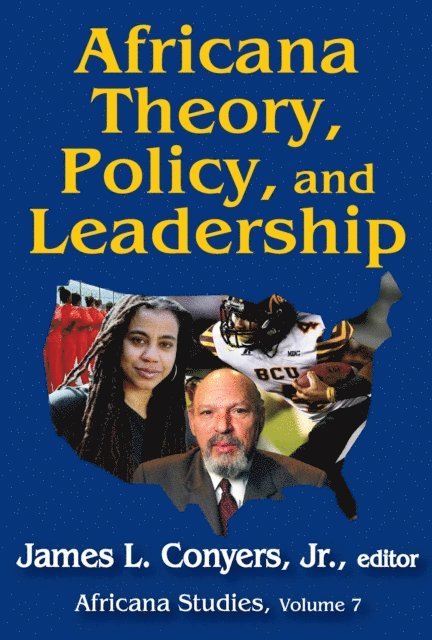
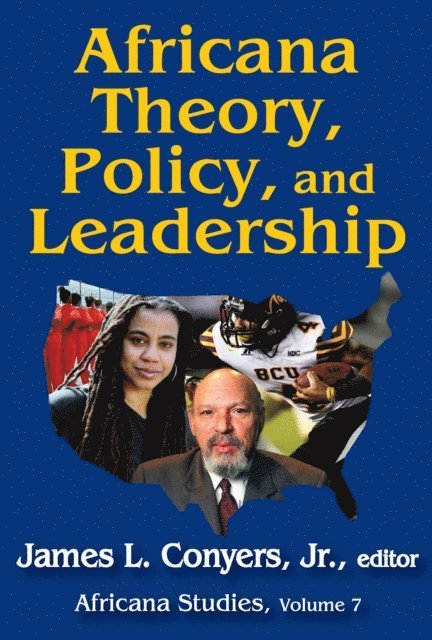
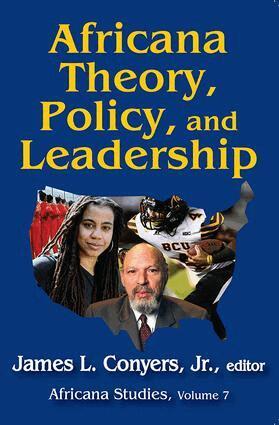
Africana Theory, Policy, and Leadership is an eclectic work that examines Africana issues from multiple angles, including literature, ethnography, gender, aesthetics, and diversity. The contributors to this volume add unique and insightful works to the collection of research and writing documenting the pan-African experience. Conyers offers the reader an interdisciplinary approach to the study of people of African descent with special emphasis on the black population of the United States.This collection addresses a wide range of topics. "Africana Literature as Social Science" reviews the scholarship of August Wilson and Suzan Lori-Parks. "How Homeland Eritrea Monitors Its American Diaspora" analyses Eritrean government-diaspora tensions. "Toward Theorizing Gender without Feminism" and "Are Black Women the New Mules of the Prison Industrial Complex?" illustrates the double burden of race and gender borne by black women. "Africana Aesthetics" documents black life in post-Civil War Texas with photos. "Africana Studies and Diversity" explores the struggle to maintain athletic programs at historically black colleges. "The Africana Idea in Leadership Studies" offers an Afrocentric approach to the study of critical theory in leadership.This volume presents examples of Africana scholarship in major areas of work, including literature, politics, feminist studies, criminology, history, and sports studies, and is the most recent volume in Transaction's Africana Studies series.
2 088 kr
Skickas inom 10-15 vardagar
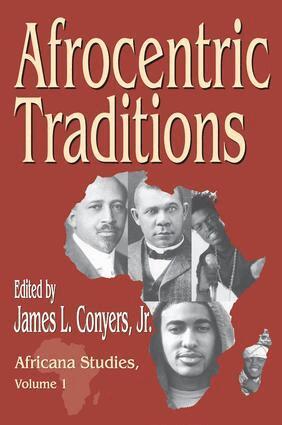
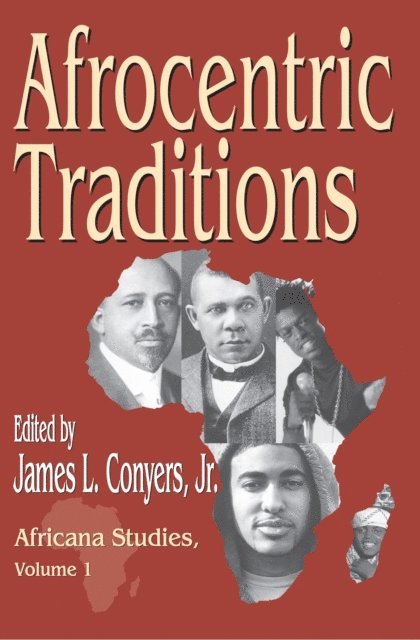
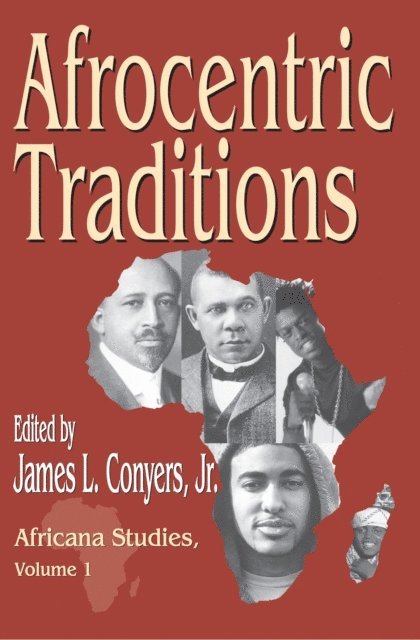
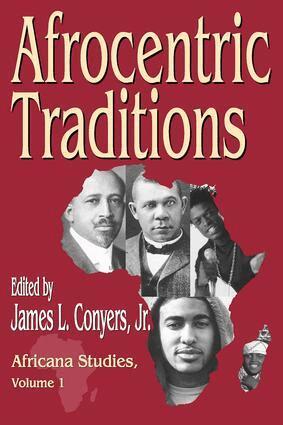
Ever since the first contacts between Europe and Africa, African people have operated from the fringes of Eurocentric experience in the Western mind. Much of what we have studied in African history and culture, or literature and linguistics, or politics and economics, has been orchestrated from the standpoint of Europe's interests. Whether it is a matter of economics, history, politics, geographical concepts, or art, Africans have been seen as peripheral. This volume reviews the past in order to evaluate the present and move ahead with appropriate policies for the future. The articles in this volume, the first in a new serial publication in Africana studies, cover a broad range of subject matter and methodology. Topics range from the W.E.B. DuBois-Booker T. Washington schism that led to the formation of the Niagara movement, to the popular dissemination of black hip-hop culture. It opens with a description of Afrocentricity by Molefi K. Asante. Kobi K.K. Kambon and Reginald Rackley discuss the construct, that produces European cultural "misidentification" among Africans. Nell Irvin Painter, in discussing the Shoah and Southern history, parallels the rhetoric of hate that permeated the late nineteenth- and early twentieth-century German diatribes against Jews with that of the Southern white supremacists against blacks. Anthony B. Pinn notes similarities that tie together slavery and colonialism in a bond of existential and ontological destruction. Anthony J. Lemelle, Jr., examines critical issues about black masculinity. James B. Stewart elaborates on the development of Africana studies. Julius E. Thompson explores the historical importance of the African-American writer in Mississippi history. Cary DeCordova Wintz the basis of the conflict between W.E.B. DuBois and Booker T. Washington in an effort to expose its underlying causes. James L. Conyers, Jr. summarizes social and cultural movements, in particular the popular black hip-hop culture. Rounding out the presentations, Lea Redmond and Charles P. Henry trace the roots of black studies in the United States. Afrocentric Traditions will have particular interest for scholars in the fields of American studies, cultural studies, historians, sociologists, and specialists in African-American studies. James L. Conyers, Jr., is a University Professor of African American Studies and director, African American studies program, University of Houston.
2 088 kr
Skickas inom 10-15 vardagar
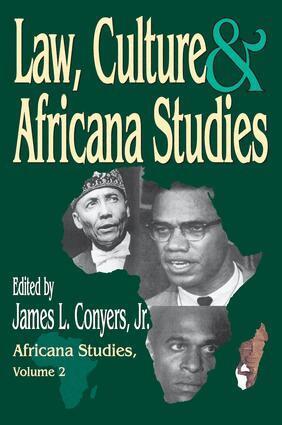
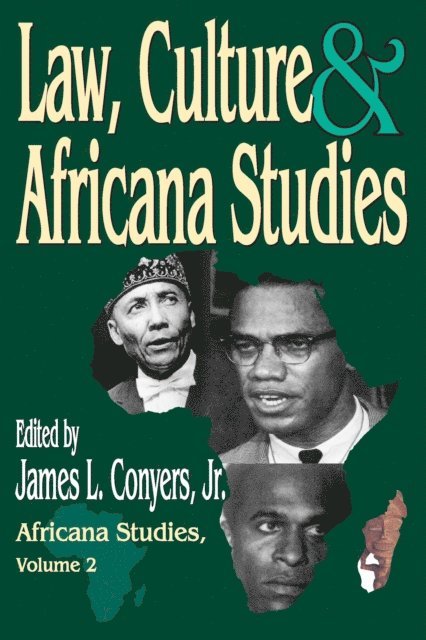
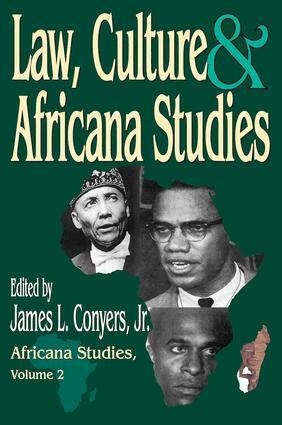
Ever since the first contacts between Europe and Africa, African people have been confined to the fringes of Eurocentric experience in the Western mind. Much of what we have studied in African history and culture, or literature and linguistics, or politics and economics, has been orchestrated from the standpoint of Europe's interests. Whether it is a matter of economics, history, politics, geographical concepts, or art, Africans have been seen as peripheral. This volume reviews the past in order to evaluate the present and move ahead with appropriate policies for the future. The authors focus on issues of affirmative action, legal culture, theories of black culture, and methodologies of scholarly work in Africana studies.Contents include: Cecil Blake, "The Culture Nexus Construct in Africana Studies," Ronald Turner, "On Palatable, Palliative, and Paralytic Affirmative Action, Grutter-Style," Winston A. Van Horne, "Three Concepts of Legitimacy," Robert E. Weems, Jr., "Africana Studies and the Quest for Black Economic Empowerment: What Can be Done," Ula Y. Taylor, "Elijah Muhammad's Nation of Islam: Separatism, Regendering, and a Secular Approach to Black Power after Malcolm X," Lewis R. Gordon, "Must Revolutionaries Sing the Blues? Thinking through Fanon and the Leitmotif of the Black Arts Movement," Delores P. Aldridge, "Race, Gender, and Africana Theorizing," and James L. Conyers, "Biography and Africology: Method and Interpretation." The volume concludes with reviews of significant recent scholarship on black history and culture.Law, Culture, and Africana Studies will have particular interest for scholars in the fields of American and European studies, cultural studies, history, sociology, and specialists in African-American studies.
2 088 kr
Skickas inom 10-15 vardagar
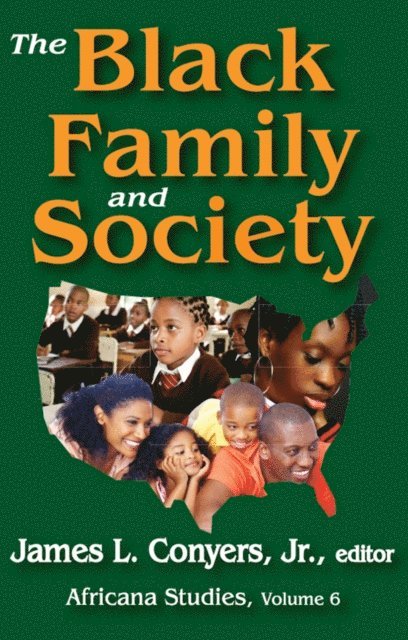
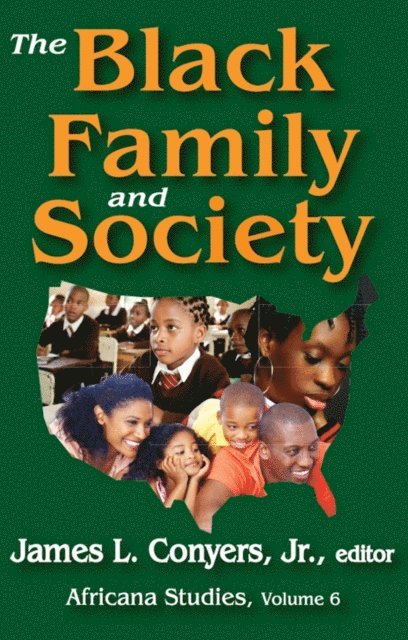
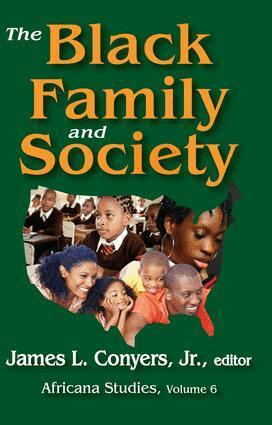
This volume focuses on the black family in the United States and the social forces and issues that affect it, including education, healthcare, racism, poverty, and politics. It examines the effects of these social forces on individuals as well as families.Contributions are varied. "A Biscuit for a Letter" examines education in the antebellum South. "Black Intellectuals on Trial" and "Africans' Perspectives on Race in the US" both analyse the role of race and racism in America. "Feminization of Poverty and the Black Family" illustrates the double burden of race and gender borne by black women. "It's Gotta Be Some Drama!" analyses the televised depiction of black colleges and universities. "African-centred Research Frameworks" studies the importance of cultural awareness in academia. "Work to Be Done" recounts the activism of black women in the Democratic Party.This volume offers an interdisciplinary approach to study of the black family in the United States, taking into account the forces of the larger society that influence it. The Black Family and Society is the most recent volume in Transaction's Africana Studies series.
661 kr
Skickas inom 10-15 vardagar
Ever since the first contacts between Europe and Africa, African people have operated from the fringes of Eurocentric experience in the Western mind. Much of what we have studied in African history and culture, or literature and linguistics, or politics and economics, has been orchestrated from the standpoint of Europe's interests. Whether it is a matter of economics, history, politics, geographical concepts, or art, Africans have been seen as peripheral. This volume reviews the past in order to evaluate the present and move ahead with appropriate policies for the future. The articles in this volume, the first in a new serial publication in Africana studies, cover a broad range of subject matter and methodology. Topics range from the W.E.B. DuBois-Booker T. Washington schism that led to the formation of the Niagara movement, to the popular dissemination of black hip-hop culture. It opens with a description of Afrocentricity by Molefi K. Asante. Kobi K.K. Kambon and Reginald Rackley discuss the construct, that produces European cultural "misidentification" among Africans. Nell Irvin Painter, in discussing the Shoah and Southern history, parallels the rhetoric of hate that permeated the late nineteenth- and early twentieth-century German diatribes against Jews with that of the Southern white supremacists against blacks. Anthony B. Pinn notes similarities that tie together slavery and colonialism in a bond of existential and ontological destruction. Anthony J. Lemelle, Jr., examines critical issues about black masculinity. James B. Stewart elaborates on the development of Africana studies. Julius E. Thompson explores the historical importance of the African-American writer in Mississippi history. Cary DeCordova Wintz the basis of the conflict between W.E.B. DuBois and Booker T. Washington in an effort to expose its underlying causes. James L. Conyers, Jr. summarizes social and cultural movements, in particular the popular black hip-hop culture. Rounding out the presentations, Lea Redmond and Charles P. Henry trace the roots of black studies in the United States. Afrocentric Traditions will have particular interest for scholars in the fields of American studies, cultural studies, historians, sociologists, and specialists in African-American studies. James L. Conyers, Jr., is a University Professor of African American Studies and director, African American studies program, University of Houston.
671 kr
Skickas inom 10-15 vardagar
Ever since the first contacts between Europe and Africa, African people have been confined to the fringes of Eurocentric experience in the Western mind. Much of what we have studied in African history and culture, or literature and linguistics, or politics and economics, has been orchestrated from the standpoint of Europe's interests. Whether it is a matter of economics, history, politics, geographical concepts, or art, Africans have been seen as peripheral. This volume reviews the past in order to evaluate the present and move ahead with appropriate policies for the future. The authors focus on issues of affirmative action, legal culture, theories of black culture, and methodologies of scholarly work in Africana studies.Contents include: Cecil Blake, "The Culture Nexus Construct in Africana Studies," Ronald Turner, "On Palatable, Palliative, and Paralytic Affirmative Action, Grutter-Style," Winston A. Van Horne, "Three Concepts of Legitimacy," Robert E. Weems, Jr., "Africana Studies and the Quest for Black Economic Empowerment: What Can be Done," Ula Y. Taylor, "Elijah Muhammad's Nation of Islam: Separatism, Regendering, and a Secular Approach to Black Power after Malcolm X," Lewis R. Gordon, "Must Revolutionaries Sing the Blues? Thinking through Fanon and the Leitmotif of the Black Arts Movement," Delores P. Aldridge, "Race, Gender, and Africana Theorizing," and James L. Conyers, "Biography and Africology: Method and Interpretation." The volume concludes with reviews of significant recent scholarship on black history and culture.Law, Culture, and Africana Studies will have particular interest for scholars in the fields of American and European studies, cultural studies, history, sociology, and specialists in African-American studies.
691 kr
Skickas inom 10-15 vardagar
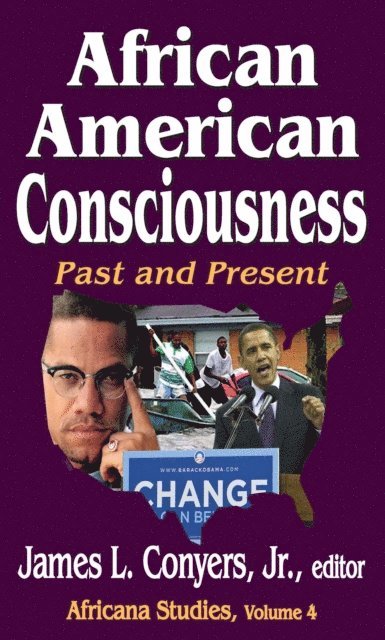
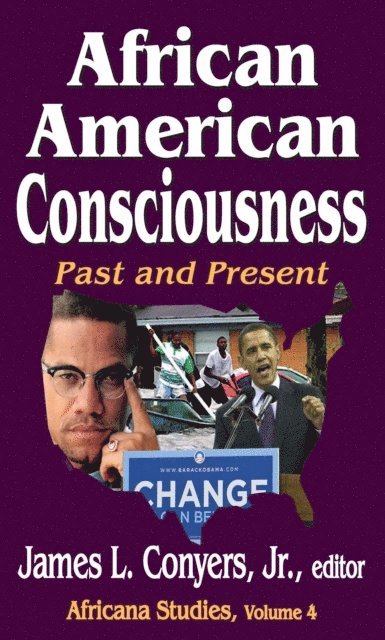
African American Consciousness focuses on ideas of culture, race, and class within the interdisciplinary matrix of Africana Studies. Even more important, it uses a methodology that emphasizes interpretation and the necessity of interdisciplinary research and writing in a global society. Worldview, culture, analytic thinking, and historiography can all be used as tools of analysis, and in the process of discovery, use pedagogy, and survey research of Africana history. Advancing the idea of Africana Studies, mixed methodology, and triangulation, the contributors provide alternative approaches toward examining this phenomena, with regard to place, space, and time.The essays in this volume include Reynaldo Anderson, "Black History dot.com" Greg Carr, "Black Consciousness, Pan-Africanism and the African World History Project" Karanja Carroll, "A Genealogical Review of the Worldview Concept and Framework in Africana Studies" Denise Martin, "Reflections on African Celestial Culture" Serie McDougal "Teaching Black Males" Demetrius Pearson, "Cowboys of Color" Pamela Reed, "Heirs to Disparity" and Andrew Smallwood, "Malcolm X's Leadership and Legacy."The researchers in this volume investigate, explore, and review patterns of functional, normative, and expressive behavior. The past and present of Africana culture is represented, showing how reflexivity can be an adjustable concept to organize, process, and interpret data. Moreover, humanism and social science demonstrate how researchers establish, extract, and identify the limitations and alternative approaches to research of the historic conditions of black Americans.
685 kr
Skickas inom 10-15 vardagar
This volume focuses on the black family in the United States and the social forces and issues that affect it, including education, healthcare, racism, poverty, and politics. It examines the effects of these social forces on individuals as well as families.Contributions are varied. "A Biscuit for a Letter" examines education in the antebellum South. "Black Intellectuals on Trial" and "Africans' Perspectives on Race in the US" both analyse the role of race and racism in America. "Feminization of Poverty and the Black Family" illustrates the double burden of race and gender borne by black women. "It's Gotta Be Some Drama!" analyses the televised depiction of black colleges and universities. "African-centred Research Frameworks" studies the importance of cultural awareness in academia. "Work to Be Done" recounts the activism of black women in the Democratic Party.This volume offers an interdisciplinary approach to study of the black family in the United States, taking into account the forces of the larger society that influence it. The Black Family and Society is the most recent volume in Transaction's Africana Studies series.
685 kr
Skickas inom 10-15 vardagar
Africana Theory, Policy, and Leadership is an eclectic work that examines Africana issues from multiple angles, including literature, ethnography, gender, aesthetics, and diversity. The contributors to this volume add unique and insightful works to the collection of research and writing documenting the pan-African experience. Conyers offers the reader an interdisciplinary approach to the study of people of African descent with special emphasis on the black population of the United States.This collection addresses a wide range of topics. "Africana Literature as Social Science" reviews the scholarship of August Wilson and Suzan Lori-Parks. "How Homeland Eritrea Monitors Its American Diaspora" analyses Eritrean government-diaspora tensions. "Toward Theorizing Gender without Feminism" and "Are Black Women the New Mules of the Prison Industrial Complex?" illustrates the double burden of race and gender borne by black women. "Africana Aesthetics" documents black life in post-Civil War Texas with photos. "Africana Studies and Diversity" explores the struggle to maintain athletic programs at historically black colleges. "The Africana Idea in Leadership Studies" offers an Afrocentric approach to the study of critical theory in leadership.This volume presents examples of Africana scholarship in major areas of work, including literature, politics, feminist studies, criminology, history, and sports studies, and is the most recent volume in Transaction's Africana Studies series.
Del 15 - Black Studies and Critical Thinking
Molefi Kete Asante
A Critical Afrocentric Reader
Häftad, Engelska, 2017
644 kr
Skickas inom 5-8 vardagar
Conceptually, Molefi Kete Asante: A Critical Afrocentric Reader is a reflexive analysis of the editor’s space in higher education over the past three decades. As a historical assessment, this reader is a narrative that offers a constructive perspective of Afrocentricity, as the sheer mention of the word draws reaction and fear from either uniformed or conventional personnel. The book organizes Asante’s writings into four categories: history, mythology, ethos, and motif. Arranged theoretically, these are the four concepts that describe and evaluate culture from an Afrocentric perspective. This study offers an assessment of Asante’s body of literature that continues to position the philosophy and ideals of the Afrocentric movement internationally. In the context of being a public intellectual, the core of Asante’s analysis draws inferences in locating Africana occurrences in place, space, and time. Advancing this idea further, the purpose of these presages is to motivate scholars in the field of Africana studies to contribute to the intellectual history of W. E. B. Du Bois, Maria Stewart, Carter G. Woodson, John Henrik Clarke, and the countless others who have advanced Africana research and writing. For many cynics and associates, the scholarship of Asante has not been thoroughly vetted. Directly or indirectly, Asante offers a foundation of optimism in forming the outliers of breakdown and breakthroughs for victorious thought of an Afrocentric perspective.