Juan Diaz-Granados – författare
Visar alla böcker från författaren Juan Diaz-Granados. Handla med fri frakt och snabb leverans.
6 produkter
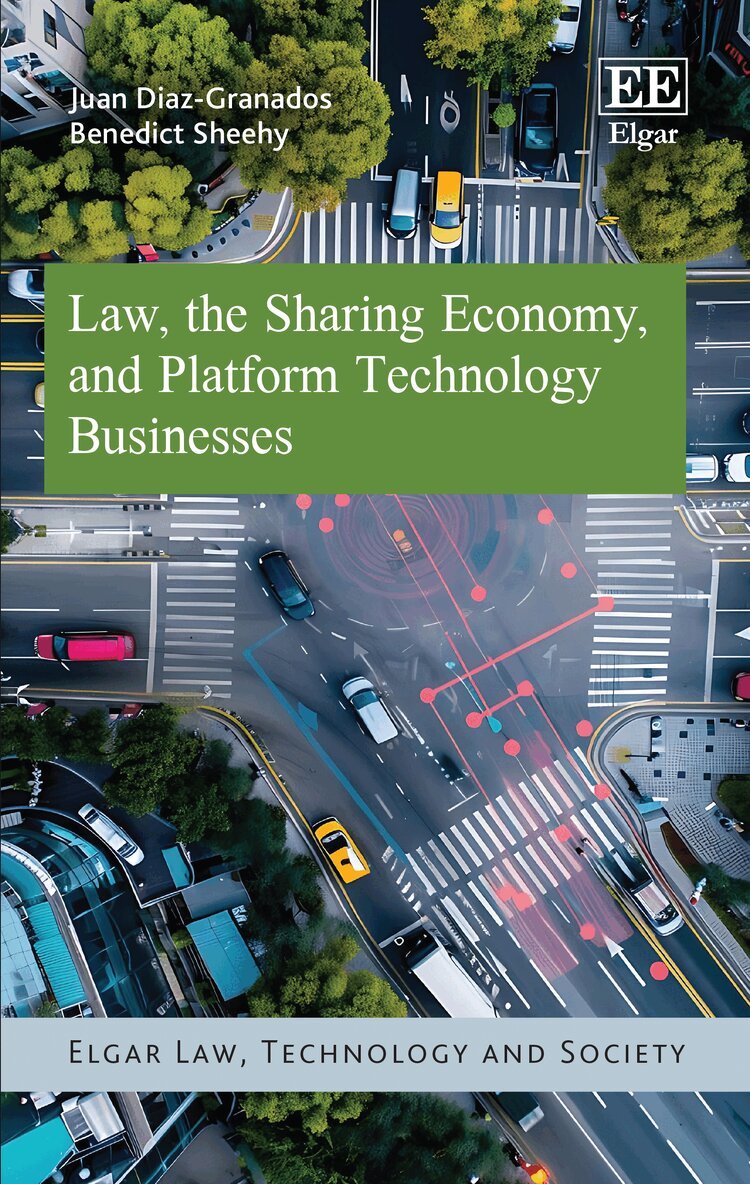
Law, the Sharing Economy, and Platform Technology Businesses
Av Juan Diaz-Granados, Benedict Sheehy
Inbunden, 2025
1511 kr
Lägg i varukorg
In this innovative book, Juan Diaz-Granados and Benedict Sheehy offer a meticulous examination of the legal foundations, structures and challenges, as well as potential solutions for the legal and regulatory issues posed by the rise of platform-based businesses. With examples drawn from the Sharing …
Law, the Sharing Economy, and Platform Technology Businesses
Av Benedict Sheehy, Juan Diaz-Granados
E-bok, 2025
422 kr
Lägg i varukorg
In this innovative book, Juan Diaz-Granados and Benedict Sheehy offer a meticulous examination of the legal foundations, structures and challenges, as well as potential solutions for the legal and regulatory issues posed by the rise of platform-based businesses. With examples drawn from the Sharing …
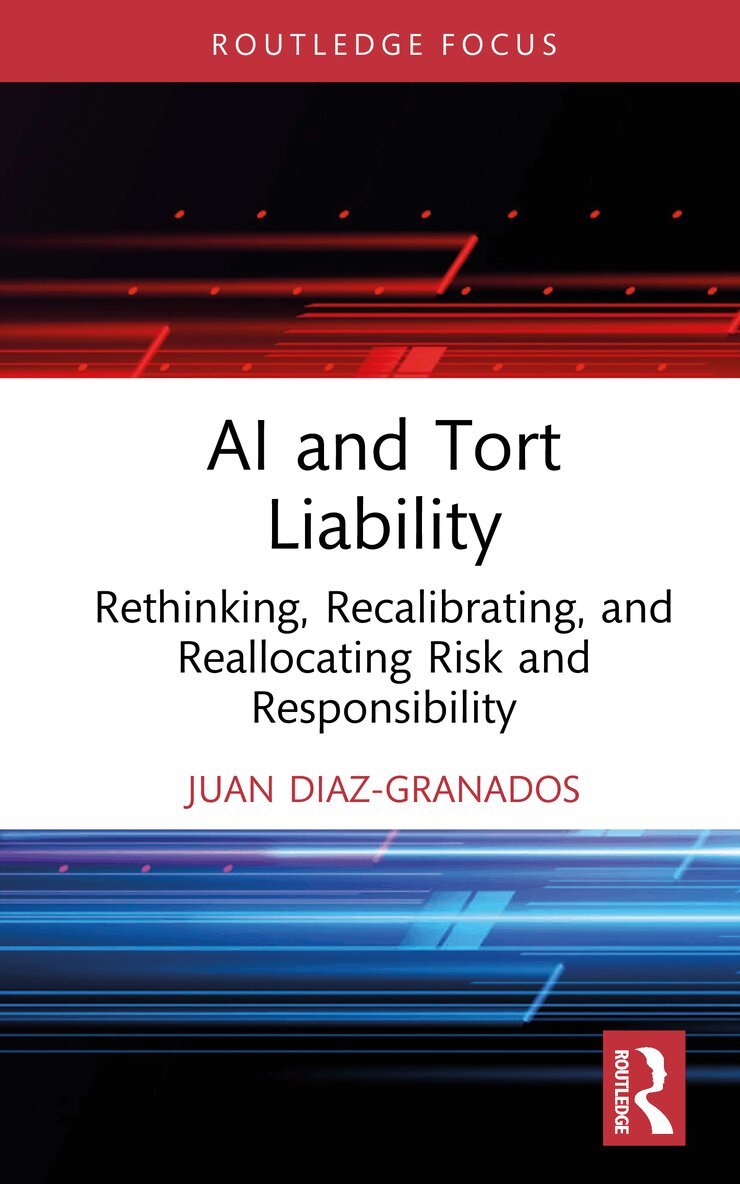
AI and Tort Liability
Rethinking, Recalibrating, and Reallocating Risk and Responsibility
E-bok, 2026
367 kr
Lägg i varukorg
This book provides a novel framework for adapting tort law to the challenges of artificial intelligence (AI) in all of its forms-from machine learning to generative models to autonomous and agentic systems.Centered on a liability matrix, this book maps AI systems into four zones according to their …
AI and Tort Liability
Rethinking, Recalibrating, and Reallocating Risk and Responsibility
E-bok, 2026
367 kr
Lägg i varukorg
This book provides a novel framework for adapting tort law to the challenges of artificial intelligence (AI) in all of its forms-from machine learning to generative models to autonomous and agentic systems.Centered on a liability matrix, this book maps AI systems into four zones according to their …
AI and Tort Liability
Rethinking, Recalibrating, and Reallocating Risk and Responsibility
Inbunden, 2026
751 kr
Lägg i varukorg
This book provides a novel framework for adapting tort law to the challenges of artificial intelligence (AI) in all of its forms—from machine learning to generative models to autonomous and agentic systems.Centered on a liability matrix, this book maps AI systems into four zones according to their …
Law, the Sharing Economy, and Platform Technology Businesses
Av Benedict Sheehy, Juan Diaz-Granados
E-bok, 2025
422 kr
Lägg i varukorg
In this innovative book, Juan Diaz-Granados and Benedict Sheehy offer a meticulous examination of the legal foundations, structures and challenges, as well as potential solutions for the legal and regulatory issues posed by the rise of platform-based businesses. With examples drawn from the Sharing …