Juan Flores - Böcker
Visar alla böcker från författaren Juan Flores. Handla med fri frakt och snabb leverans.
11 produkter
11 produkter
1 810 kr
Skickas inom 5-8 vardagar
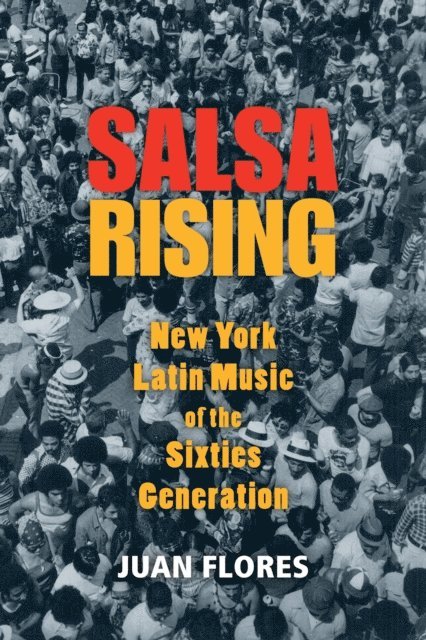
In the 1920s and 30s, musicians from Latin America and the Caribbean were flocking to New York, lured by the burgeoning recording studios and lucrative entertainment venues. In the late 1940s and 50s, the big-band mambo dance scene at the famed Palladium Ballroom was the stuff of legend, while modern-day music history was being made as the masters of Afro-Cuban and jazz idiom conspired to create Cubop, the first incarnation of Latin jazz. Then, in the 1960s, as the Latino population came to exceed a million strong, a new generation of New York Latinos, mostly Puerto Ricans born and raised in the city, went on to create the music that came to be called salsa, which continues to enjoy avid popularity around the world. And now, the children of the mambo and salsa generation are contributing to the making of hip hop and reviving ancestral Afro-Caribbean forms like Cuban rumba, Puerto Rican bomba, and Dominican palo. Salsa Rising provides the first full-length historical account of Latin Music in this city guided by close critical attention to issues of tradition and experimentation, authenticity and dilution, and the often clashing roles of cultural communities and the commercial recording industry in the shaping of musical practices and tastes. It is a history not only of the music, the changing styles and practices, the innovators, venues and songs, but also of the music as part of the larger social history, ranging from immigration and urban history, to the formation of communities, to issues of colonialism, race and class as they bear on and are revealed by the trajectory of the music. Author Juan Flores brings a wide range of people in the New York Latin music field into his work, including musicians, producers, arrangers, collectors, journalists, and lay and academic scholars, enriching Salsa Rising with a unique level of engagement with and interest in Latin American communities and musicians themselves.
374 kr
Skickas inom 5-8 vardagar
In the 1920s and 30s, musicians from Latin America and the Caribbean were flocking to New York, lured by the burgeoning recording studios and lucrative entertainment venues. In the late 1940s and 50s, the big-band mambo dance scene at the famed Palladium Ballroom was the stuff of legend, while modern-day music history was being made as the masters of Afro-Cuban and jazz idiom conspired to create Cubop, the first incarnation of Latin jazz. Then, in the 1960s, as the Latino population came to exceed a million strong, a new generation of New York Latinos, mostly Puerto Ricans born and raised in the city, went on to create the music that came to be called salsa, which continues to enjoy avid popularity around the world. And now, the children of the mambo and salsa generation are contributing to the making of hip hop and reviving ancestral Afro-Caribbean forms like Cuban rumba, Puerto Rican bomba, and Dominican palo. Salsa Rising provides the first full-length historical account of Latin Music in this city guided by close critical attention to issues of tradition and experimentation, authenticity and dilution, and the often clashing roles of cultural communities and the commercial recording industry in the shaping of musical practices and tastes. It is a history not only of the music, the changing styles and practices, the innovators, venues and songs, but also of the music as part of the larger social history, ranging from immigration and urban history, to the formation of communities, to issues of colonialism, race and class as they bear on and are revealed by the trajectory of the music. Author Juan Flores brings a wide range of people in the New York Latin music field into his work, including musicians, producers, arrangers, collectors, journalists, and lay and academic scholars, enriching Salsa Rising with a unique level of engagement with and interest in Latin American communities and musicians themselves.
312 kr
Skickas inom 11-20 vardagar
Neither immigrants nor ethnics, neither foreign nor "hyphenated Americans" in the usual sense of that term, Puerto Ricans in New York have created a distinct identity both on the island of Puerto Rico and in the cultural landscape of the United States. Juan Flores considers the uniqueness of Puerto Rican culture and identity in relation to that of other Latino groups in the United States-as well as to other minority groups, especially African Americans. Architecture and urban space, literary traditions, musical styles, and cultural movements provide some of the sites and moments of a cultural world defined by the interplay of continuity and transformation, heritage and innovation, roots and fusion. Exploring this wide range of cultural expression-both in the diaspora and in Puerto Rico-Flores highlights the rich complexities and fertile contradictions of Latino identity.
2 289 kr
Skickas inom 10-15 vardagar
In TheDiaspora Strikes Back the eminent ethnic and cultural studies scholar Juan Flores flips the process on its head: what happens to the home country when it is being constantly fed by emigrants returning from abroad? He looks at how 'Nuyoricans' (Puerto Rican New Yorkers) have transformed the home country, introducing hip hop and modern New York culture to the Caribbean island. While he focuses on New York and Mayaguez (in Puerto Rico), the model is broadly applicable. Indians introducing contemporary British culture to India; New York Dominicans bringing slices of New York culture back to the Dominican Republic; Mexicans bringing LA culture (from fast food to heavy metal) back to Guadalajara and Monterrey. This ongoing process is both massive and global, and Flores' novel account will command a significant audience across disciplines.
617 kr
Skickas inom 10-15 vardagar
In TheDiaspora Strikes Back the eminent ethnic and cultural studies scholar Juan Flores flips the process on its head: what happens to the home country when it is being constantly fed by emigrants returning from abroad? He looks at how 'Nuyoricans' (Puerto Rican New Yorkers) have transformed the home country, introducing hip hop and modern New York culture to the Caribbean island. While he focuses on New York and Mayaguez (in Puerto Rico), the model is broadly applicable. Indians introducing contemporary British culture to India; New York Dominicans bringing slices of New York culture back to the Dominican Republic; Mexicans bringing LA culture (from fast food to heavy metal) back to Guadalajara and Monterrey. This ongoing process is both massive and global, and Flores' novel account will command a significant audience across disciplines.
Del 35 - Blackwell Companions in Cultural Studies
Companion to Latina/o Studies
Häftad, Engelska, 2011
532 kr
Skickas inom 7-10 vardagar
A Companion to Latina/o Studies is a collection of 40 original essays written by leading scholars in the field, dedicated to exploring the question of what 'Latino/a' is. Brings together in one volume a diverse range of original essays by established and emerging scholars in the field of Latina/o StudiesOffers a timely reference to the issues, topics, and approaches to the study of US Latinos - now the largest minority population in the United StatesExplores the depth of creative scholarship in this field, including theories of latinisimo, immigration, political and economic perspectives, education, race/class/gender and sexuality, language, and religionConsiders areas of broader concern, including history, identity, public representations, cultural expression and racialization (including African and Native American heritage).
1 518 kr
Skickas inom 7-10 vardagar
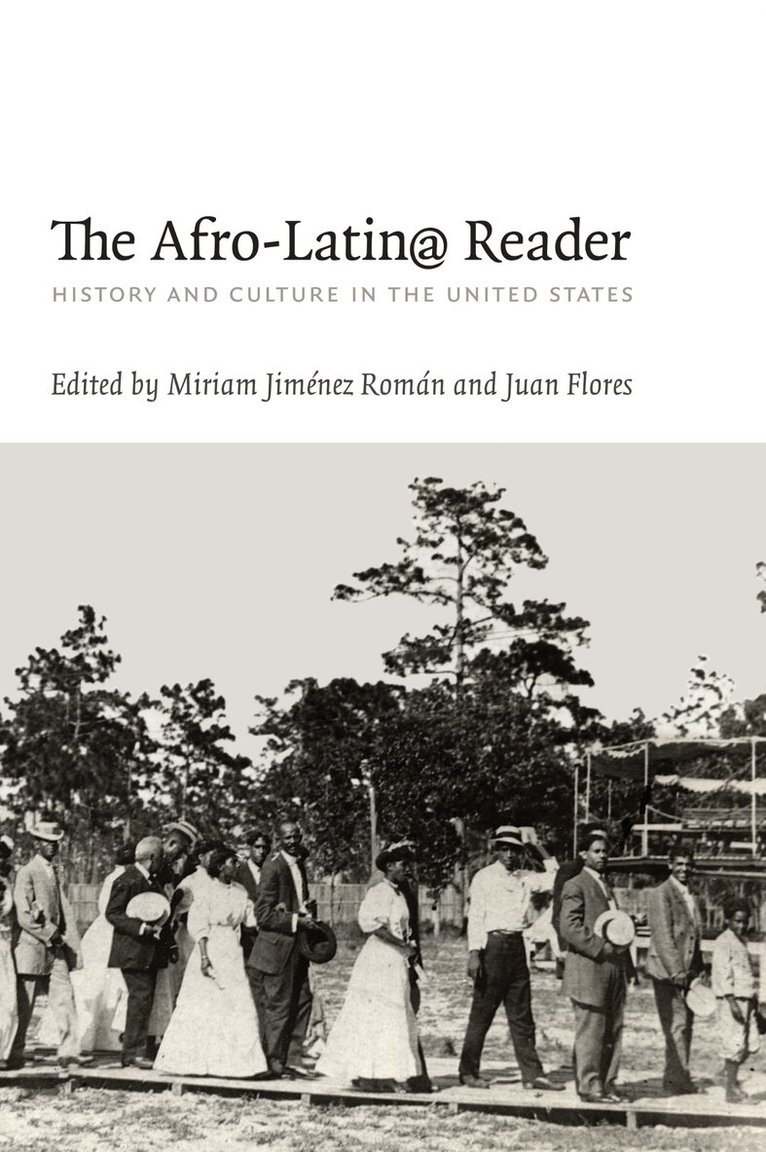
The Afro-Latin@ Reader focuses attention on a large, vibrant, yet oddly invisible community in the United States: people of African descent from Latin America and the Caribbean. The presence of Afro-Latin@s in the United States (and throughout the Americas) belies the notion that Blacks and Latin@s are two distinct categories or cultures. Afro-Latin@s are uniquely situated to bridge the widening social divide between Latin@s and African Americans; at the same time, their experiences reveal pervasive racism among Latin@s and ethnocentrism among African Americans. Offering insight into Afro-Latin@ life and new ways to understand culture, ethnicity, nation, identity, and antiracist politics, The Afro-Latin@ Reader presents a kaleidoscopic view of Black Latin@s in the United States. It addresses history, music, gender, class, and media representations in more than sixty selections, including scholarly essays, memoirs, newspaper and magazine articles, poetry, short stories, and interviews.While the selections cover centuries of Afro-Latin@ history, since the arrival of Spanish-speaking Africans in North America in the mid-sixteenth-century, most of them focus on the past fifty years. The central question of how Afro-Latin@s relate to and experience U.S. and Latin American racial ideologies is engaged throughout, in first-person accounts of growing up Afro-Latin@, a classic essay by a leader of the Young Lords, and analyses of U.S. census data on race and ethnicity, as well as in pieces on gender and sexuality, major-league baseball, and religion. The contributions that Afro-Latin@s have made to U.S. culture are highlighted in essays on the illustrious Afro-Puerto Rican bibliophile Arturo Alfonso Schomburg and music and dance genres from salsa to mambo, and from boogaloo to hip hop. Taken together, these and many more selections help to bring Afro-Latin@s in the United States into critical view.Contributors: Afro–Puerto Rican Testimonies Project, Josefina BaÉz, Ejima Baker, Luis Barrios, Eduardo Bonilla-Silva, Adrian Burgos Jr., Ginetta E. B. Candelario, AdriÁn Castro, JesÚs ColÓn, Marta I. Cruz-Janzen, William A. Darity Jr., Milca Esdaille, Sandra MarÍa Esteves, MarÍa Teresa FernÁndez (Mariposa), Carlos Flores, Juan Flores, Jack D. Forbes, David F. Garcia, Ruth Glasser, Virginia Meecham Gould, Susan D. Greenbaum, Evelio Grillo, Pablo “Yoruba” GuzmÁn, Gabriel Haslip-Viera, Tanya K. HernÁndez, Victor HernÁndez Cruz, Jesse Hoffnung-Garskof, Lisa Hoppenjans, Vielka Cecilia Hoy, Alan J. Hughes, MarÍa Rosario Jackson, James Jennings, Miriam JimÉnez RomÁn, Angela Jorge, David Lamb, Aida Lambert, Ana M. Lara, Evelyne Laurent-Perrault, Tato Laviera, John Logan, Antonio LÓpez, Felipe Luciano, Louis Pancho McFarland, Ryan Mann-Hamilton, Wayne Marshall, Marianela Medrano, Nancy Raquel Mirabal, Yvette Modestin, Ed Morales, Jairo Moreno, Marta Moreno Vega, Willie Perdomo, Graciela PÉrez GutiÉrrez, Sofia Quintero, Ted Richardson, Louis Reyes Rivera, Pedro R. Rivera , Raquel Z. Rivera, Yeidy Rivero, Mark Q. Sawyer, Piri Thomas, Silvio Torres-Saillant, Nilaja Sun, Sherezada “Chiqui” Vicioso, Peter H. Wood
362 kr
Skickas inom 7-10 vardagar
The Afro-Latin@ Reader focuses attention on a large, vibrant, yet oddly invisible community in the United States: people of African descent from Latin America and the Caribbean. The presence of Afro-Latin@s in the United States (and throughout the Americas) belies the notion that Blacks and Latin@s are two distinct categories or cultures. Afro-Latin@s are uniquely situated to bridge the widening social divide between Latin@s and African Americans; at the same time, their experiences reveal pervasive racism among Latin@s and ethnocentrism among African Americans. Offering insight into Afro-Latin@ life and new ways to understand culture, ethnicity, nation, identity, and antiracist politics, The Afro-Latin@ Reader presents a kaleidoscopic view of Black Latin@s in the United States. It addresses history, music, gender, class, and media representations in more than sixty selections, including scholarly essays, memoirs, newspaper and magazine articles, poetry, short stories, and interviews.While the selections cover centuries of Afro-Latin@ history, since the arrival of Spanish-speaking Africans in North America in the mid-sixteenth-century, most of them focus on the past fifty years. The central question of how Afro-Latin@s relate to and experience U.S. and Latin American racial ideologies is engaged throughout, in first-person accounts of growing up Afro-Latin@, a classic essay by a leader of the Young Lords, and analyses of U.S. census data on race and ethnicity, as well as in pieces on gender and sexuality, major-league baseball, and religion. The contributions that Afro-Latin@s have made to U.S. culture are highlighted in essays on the illustrious Afro-Puerto Rican bibliophile Arturo Alfonso Schomburg and music and dance genres from salsa to mambo, and from boogaloo to hip hop. Taken together, these and many more selections help to bring Afro-Latin@s in the United States into critical view.Contributors: Afro–Puerto Rican Testimonies Project, Josefina BaÉz, Ejima Baker, Luis Barrios, Eduardo Bonilla-Silva, Adrian Burgos Jr., Ginetta E. B. Candelario, AdriÁn Castro, JesÚs ColÓn, Marta I. Cruz-Janzen, William A. Darity Jr., Milca Esdaille, Sandra MarÍa Esteves, MarÍa Teresa FernÁndez (Mariposa), Carlos Flores, Juan Flores, Jack D. Forbes, David F. Garcia, Ruth Glasser, Virginia Meecham Gould, Susan D. Greenbaum, Evelio Grillo, Pablo “Yoruba” GuzmÁn, Gabriel Haslip-Viera, Tanya K. HernÁndez, Victor HernÁndez Cruz, Jesse Hoffnung-Garskof, Lisa Hoppenjans, Vielka Cecilia Hoy, Alan J. Hughes, MarÍa Rosario Jackson, James Jennings, Miriam JimÉnez RomÁn, Angela Jorge, David Lamb, Aida Lambert, Ana M. Lara, Evelyne Laurent-Perrault, Tato Laviera, John Logan, Antonio LÓpez, Felipe Luciano, Louis Pancho McFarland, Ryan Mann-Hamilton, Wayne Marshall, Marianela Medrano, Nancy Raquel Mirabal, Yvette Modestin, Ed Morales, Jairo Moreno, Marta Moreno Vega, Willie Perdomo, Graciela PÉrez GutiÉrrez, Sofia Quintero, Ted Richardson, Louis Reyes Rivera, Pedro R. Rivera , Raquel Z. Rivera, Yeidy Rivero, Mark Q. Sawyer, Piri Thomas, Silvio Torres-Saillant, Nilaja Sun, Sherezada “Chiqui” Vicioso, Peter H. Wood
277 kr
Skickas inom 3-6 vardagar
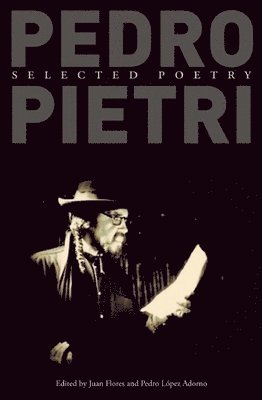
"There was no one in this country as ferocious, as brilliant, or as necessary as Pedro Pietri. In these days of growing inequality it is to his rebel vision I turn to for hope and for strength. A towering poet, absolutely peerless, explosively talented, a pioneer, and iconoclast, and activist, to whom the entire spoken word movement owes a debt beyond calculation."--Junot Diaz "One of the great American poets of the twentieth century, a leader of the Nuyorican poetry movement that ignited at Miguel Algarin's Nuyorican Poet's Cafe. Perhaps the most progressive and at the same time funniest poet of the period."--Amiri Baraka Pedro Pietri's often playfully absurd poems chronicle the joys and struggles of Nuyoricans--urban Puerto Ricans whose lives straddle the islands of Puerto Rico and Manhattan--and define the Latino experience in urban America. By turns angry, heartbreaking, and hopeful, his writings are imbued with a sense of pride and nationalism and were embraced by the generation of Latino poets that followed him.Pedro Pietri: Selected Poetry gathers the most enduring and treasured work among his published books, Puerto Rican Obituary, Traffic Violations, and Out of Order, along with a generous selection of his previously unpublished works. Pedro Pietri (1944--2004) was born in Ponce, Puerto Rico, and raised in Manhattan. In the early '70s he was a featured poet at the Nuyorican Poets Cafe. Juan Flores (1943-2014) was a professor and director of Latino Studies at New York University, and author of many books on Puerto Rican and Latino culture. Pedro Lopez Adorno is a professor in the Department of Africana and Puerto Rican/Latino Studies of Hunter College since 1987, and a published poet.
Del 1 - Blackwell Companions in Cultural Studies
Companion to Latina/o Studies
Inbunden, Engelska, 2007
506 kr
Skickas inom 7-10 vardagar
A Companion to Latina/o Studies is a collection of 40 original essays written by leading scholars in the field, dedicated to exploring the question of what 'Latino/a' is. Brings together in one volume a diverse range of original essays by established and emerging scholars in the field of Latina/o StudiesOffers a timely reference to the issues, topics, and approaches to the study of US Latinos - now the largest minority population in the United StatesExplores the depth of creative scholarship in this field, including theories of latinisimo, immigration, political and economic perspectives, education, race/class/gender and sexuality, language, and religionConsiders areas of broader concern, including history, identity, public representations, cultural expression and racialization (including African and Native American heritage).
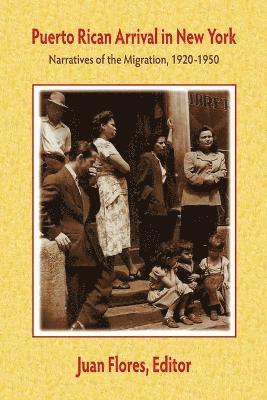
Puerto Rican Arrival in New York
Narratives of the Puerto Rican Migration, 1920-1950
Häftad, Engelska, 2021
339 kr
Skickas inom 5-8 vardagar