Juan Manuel Cortés Copete - Böcker
Visar alla böcker från författaren Juan Manuel Cortés Copete. Handla med fri frakt och snabb leverans.
2 produkter
2 produkter
1 972 kr
Skickas inom 7-10 vardagar
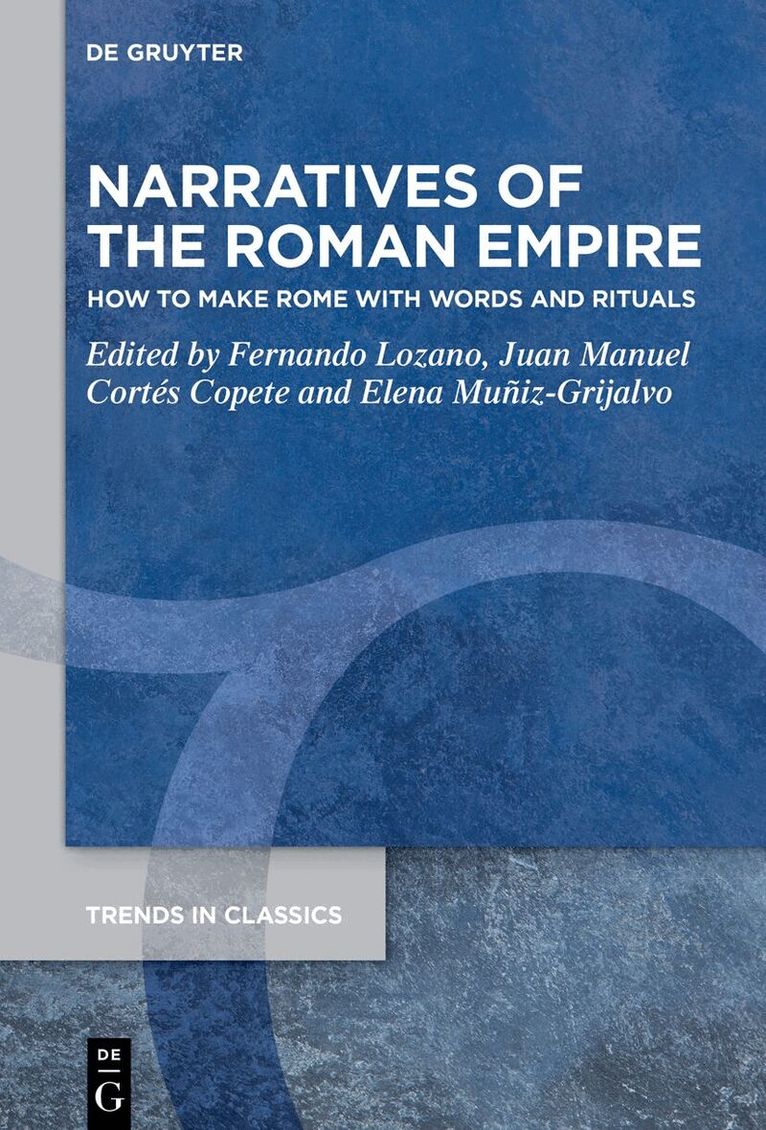
Since Republican times, Rome has fostered ideological constructs aimed at justifying its conquest and domination of the Mediterranean. This process gathered steam in the imperial age, as the contributions of the conquered regions gradually assimilated into the empire.Words and rituals represented the empire not as the Roman domination of conquered nations, but as a community capable of integrating the provincials. This was not merely an ideological construct: the new community was indeed a result of the integration of different peoples and their political, cultural and religious traditions.This idea of empire was present at very different levels: documents directly emanating from the emperors and all kinds of literature. Rites also contributed to shaping imperial discourse, laying firm ideological foundations for the symbolic construction of the community and disseminating the imperial discourse among its members.Words and rituals contributed to creating new mindsets that progressively supplemented the old political and social mores and customs with a new ‘narrative of empire’, and vice versa: narratives contributed to shaping the very idea of empire.
Del 25 - Impact of Empire
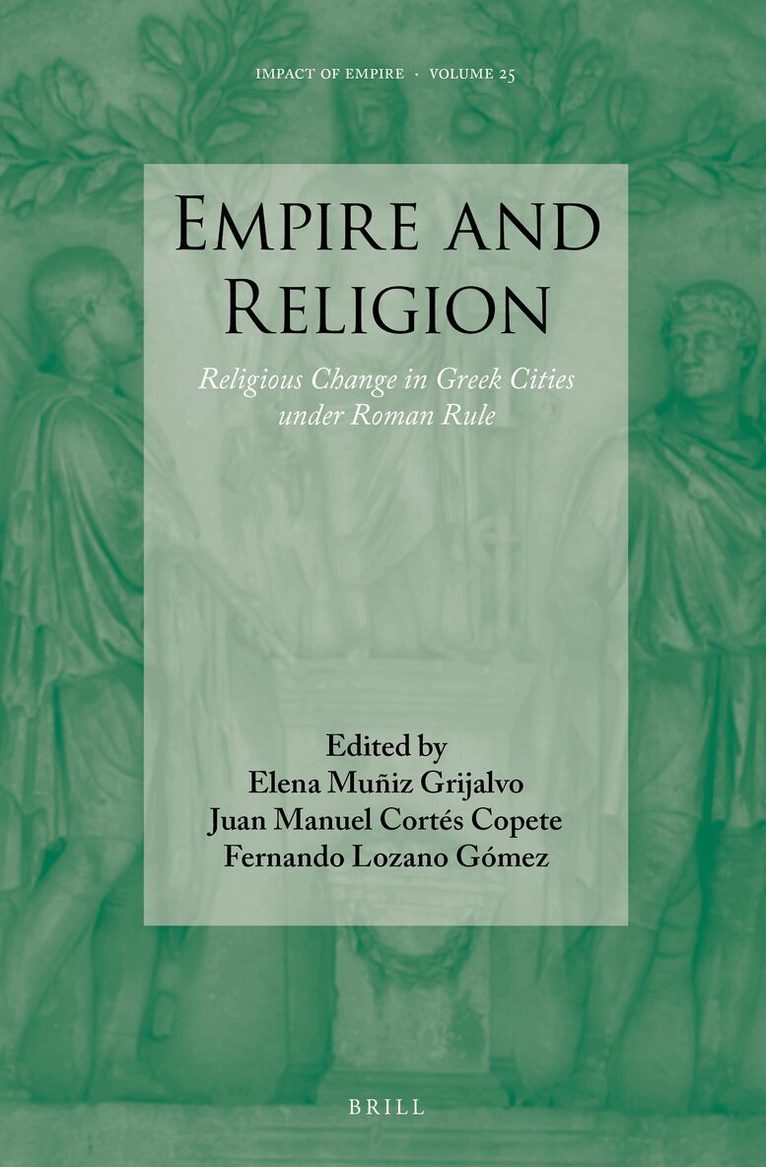
Empire and Religion
Religious Change in Greek Cities under Roman Rule
Inbunden, Engelska, 2017
1 846 kr
Skickas inom 5-8 vardagar
This volume explores the nature of religious change in the Greek-speaking cities of the Roman Empire. Emphasis is put on those developments that apparently were not the direct result of Roman actions: the intensification of idiosyncratically Greek features in the religious life of the cities (Heller, Muñiz, Camia); the active role of a new kind of Hellenism in the design of imperial religious policies (Gordillo, Galimberti, Rosillo-López); or the locally different responses to central religious initiatives, and the influence of those local responses in other imperial contexts (Cortés, Melfi, Lozano, Rizakis). All the chapters try to suggest that religion in the Greek cities of the empire was both conservative and innovative, and that the ‘Roman factor’ helps to explain this apparent paradox.