Jude Lal Fernando – författare
Visar alla böcker från författaren Jude Lal Fernando. Handla med fri frakt och snabb leverans.
8 produkter
8 produkter
Inbunden, Engelska, 2021
567 kr
Skickas inom 5-8 vardagar
Häftad, Engelska, 2021
374 kr
Skickas inom 5-8 vardagar
E-bok
Engelska, 2021622 kr
Läs direkt efter köp
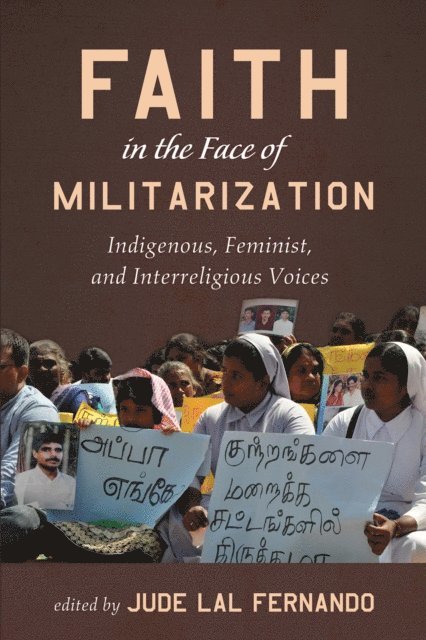
What does believing mean in the face of empire and militarization? These essays articulate the critical and liberating consciousness shared by oppressed peoples across the world, arising from a faith in the God of the oppressed, expressed in radically diverse ways, and resisting the imperialist deities of materialism (read: economic growth), racism, and militarization that falsely appear as the saviors of humanity. The authors confront these false gods--which form the modern empire--worshiped by the most dominant militarized states in the world and followed by their allied states even in the midst of a worldwide pandemic. Out of the eleven articles, two are written by critical political analysts with an anti-colonial lens while recognizing the importance of faith in resistance. The rest are written by theologians who critically reflect on their faith within the context of empire and militarization in their societies. Militarization is among the most brutal forms of oppression on the resisting peoples. The theologies that have emerged from critical reflections on their collective experiences are grounded on a material spirituality as opposed to materialistic, racist, and militaristic godlessness. This collection has emerged out of creative and transformative practices in Africa, Asia, Latin America, the Pacific, and the US. The essays are divided it into four sections in recognizing some of the key features of material spirituality; indigenous, feminist and interreligious voices, and horizontal solidarity. With contributions from:Michael Lujan BevacquaWati LongcharNidia Arrobo RodasRasika Sharmen PierisLilian Cheelo SiwilaYoung-Bock KimDan Gonzales-OrtegaErin Shea MartinMark BravermanJoshua SamuelPhil Miller
Häftad, Engelska, 2020
430 kr
Skickas inom 5-8 vardagar
E-bok
Spanska, 201884 kr
Läs direkt efter köp
La «seguridad humana» remite como idea y concepto al Informe sobre el Desarrollo de Humano (1994) del Programa de las Naciones Unidas para el Desarrollo (PNUD), que tiene por título «Nuevas dimensiones de la seguridad humana». El objetivo de este informe es entender la seguridad como seguridad de las personas y no de los Estados y de los territorios. Casi veinticinco años después de la publicación del informe, este número de Concilium busca volver a abordar el tema y volver a acentuarlo y debatirlo en el contexto de la teología. La seguridad sigue siendo un concepto ambivalente y ampliamente interpretable. Por lo tanto, es necesario un debate en profundidad sobre qué es o debería ser la seguridad humana.
Inbunden, Engelska, 2026
1 209 kr
Kommande
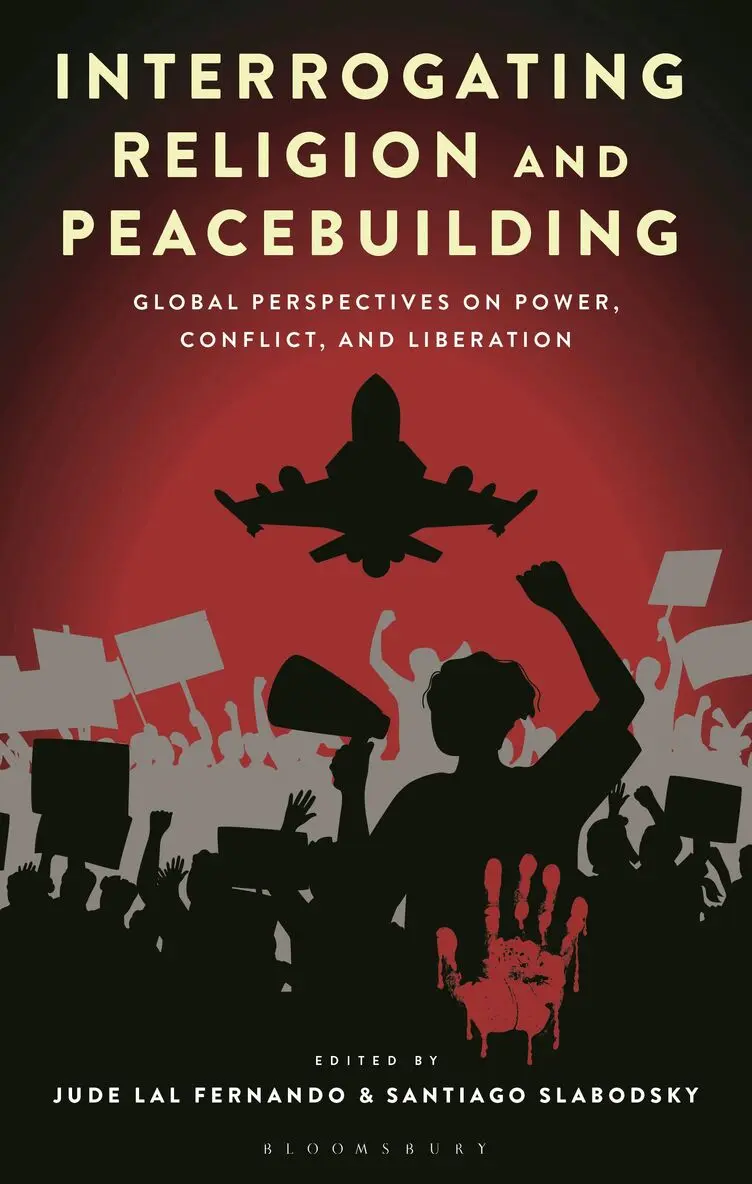
Challenges the dominant narratives that frame peace as a civilizational ideal. At a time when millions demand an end to war, occupation, and systemic oppression, this volume gathers diverse voices in a transnational and decolonial conversation. The contributors interrogate how “peace” is too often deployed as a mirage—reproducing systems of exclusion and violence under the guise of stability, order, and reform.Exposing the coloniality embedded within hegemonic peace discourses, contributors reveal how imperial power configurations transform freedom into occupation, democracy into exclusion, and security into violence. Through critically self-reflective engagement with both religious and secular worldviews, contributors propose that peace is not an abstract ideal, but a deeply political construct shaped by empire, enforced through intervention, and justified by a faith in modernity’s civilizing mission. Rejecting both reformist inclusion and idealized neutrality, these essays embody a political commitment to the tormented, the resisting, and the marginalized.From “post-conflict” pacification to imperial “peace deals,” contributors unmask peacebuilding as often war by other means—while advancing liberative spiritualities that reimagine peace as justice from below. This book is not merely critique—it is a call to transformation.
Häftad, Engelska, 2026
346 kr
Kommande
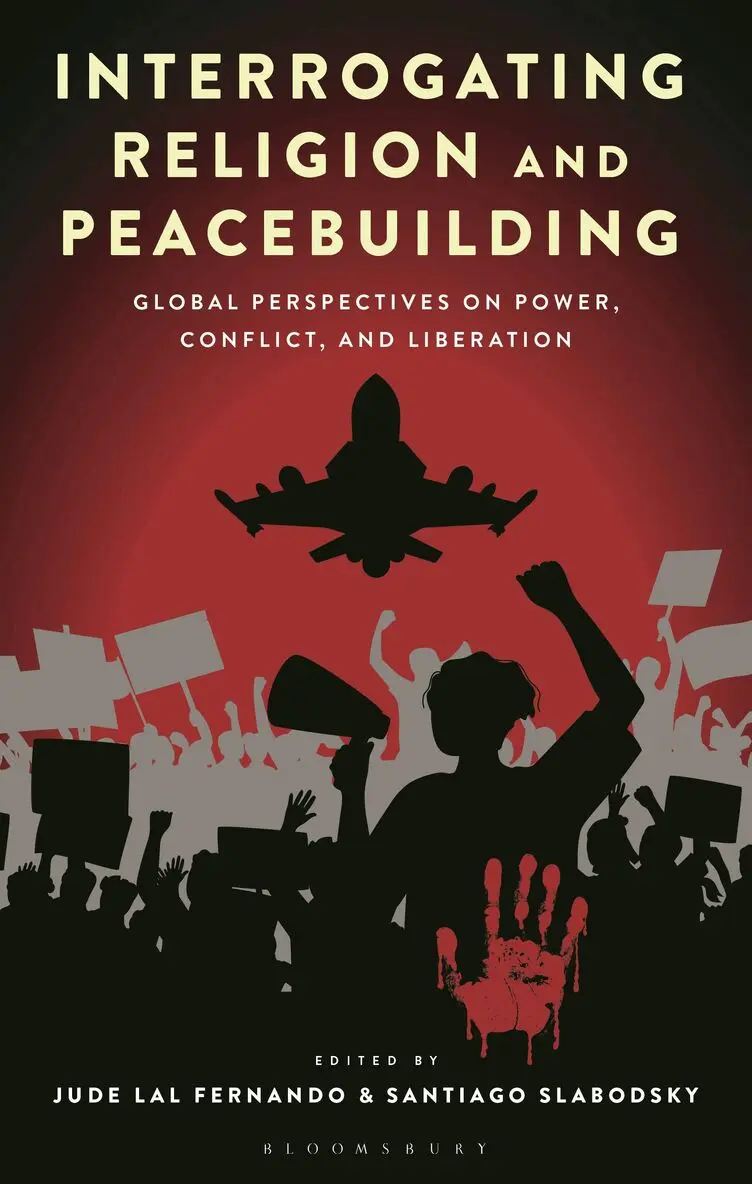
Challenges the dominant narratives that frame peace as a civilizational ideal. At a time when millions demand an end to war, occupation, and systemic oppression, this volume gathers diverse voices in a transnational and decolonial conversation. The contributors interrogate how “peace” is too often deployed as a mirage—reproducing systems of exclusion and violence under the guise of stability, order, and reform.Exposing the coloniality embedded within hegemonic peace discourses, contributors reveal how imperial power configurations transform freedom into occupation, democracy into exclusion, and security into violence. Through critically self-reflective engagement with both religious and secular worldviews, contributors propose that peace is not an abstract ideal, but a deeply political construct shaped by empire, enforced through intervention, and justified by a faith in modernity’s civilizing mission. Rejecting both reformist inclusion and idealized neutrality, these essays embody a political commitment to the tormented, the resisting, and the marginalized.From “post-conflict” pacification to imperial “peace deals,” contributors unmask peacebuilding as often war by other means—while advancing liberative spiritualities that reimagine peace as justice from below. This book is not merely critique—it is a call to transformation.
Del 2 - Theology, Ethics and Interreligious Relations. Studies in Ec
Religion, Conflict and Peace in Sri Lanka
The Politics of Interpretation of Nationhoods Volume 2
Häftad, Engelska, 2013
541 kr
Tillfälligt slut