Santiago Slabodsky - Böcker
Visar alla böcker från författaren Santiago Slabodsky. Handla med fri frakt och snabb leverans.
4 produkter
4 produkter
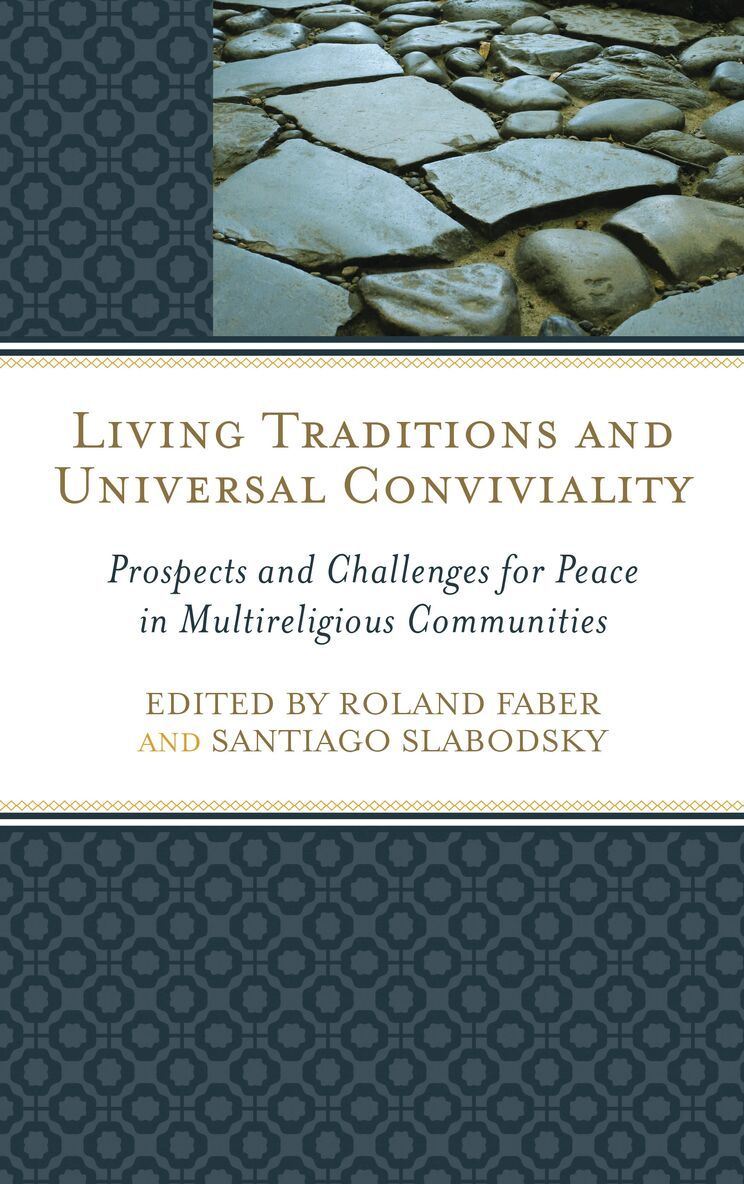
Living Traditions and Universal Conviviality
Prospects and Challenges for Peace in Multireligious Communities
Inbunden, Engelska, 2016
1 343 kr
Skickas inom 10-15 vardagar
The World Parliament of Religions adopted the view that there will not be peace in this world without including peace among religions. Yet, even with the unified force of the world’s religions and wisdom traditions, this cannot be accomplished without justice among people. In one way or another, “unity” among religions, as based on justice and the will to accept the other’s religions and even irreligiosity as means of justice, will not prevail without an internal and external, spiritual, theological, philosophical and practical investigation into the very reasons for religious strife and fanaticism as well as the resources that people, cultures, religions and wisdom traditions might provide to disentangle them from the injustices of their host regimes, and to seek the “balance” that leads to a measure of universal fairness among the multiplicity of religious and non-religious expressions of humanity.“Conviviality” expresses the depth and breadth of “living together,” which itself can be understood as a translation of a central term of Whitehead's philosophy and the process tradition—“concrescence” (growing together, becoming concrete)—as it is recently and increasingly used in different discourses to name the concrete community of difference of individuals, cultures, and religions in appreciation of the mutual inclusiveness of their lives.This book seeks to bring together experts from different religious (and non-religious) traditions and spiritual persuasions to suggest ways in which the living wisdom traditions might contribute to, and transform themselves into, a universal conviviality among the people, cultures and religions of this world for a common future. It wishes to test the resources that we can contribute to this concurrent and urgent matter, aware of Whitehead's call for a radical transformation of power and violence in thought and action as, perhaps, the ultimate theory of conflict resolution.
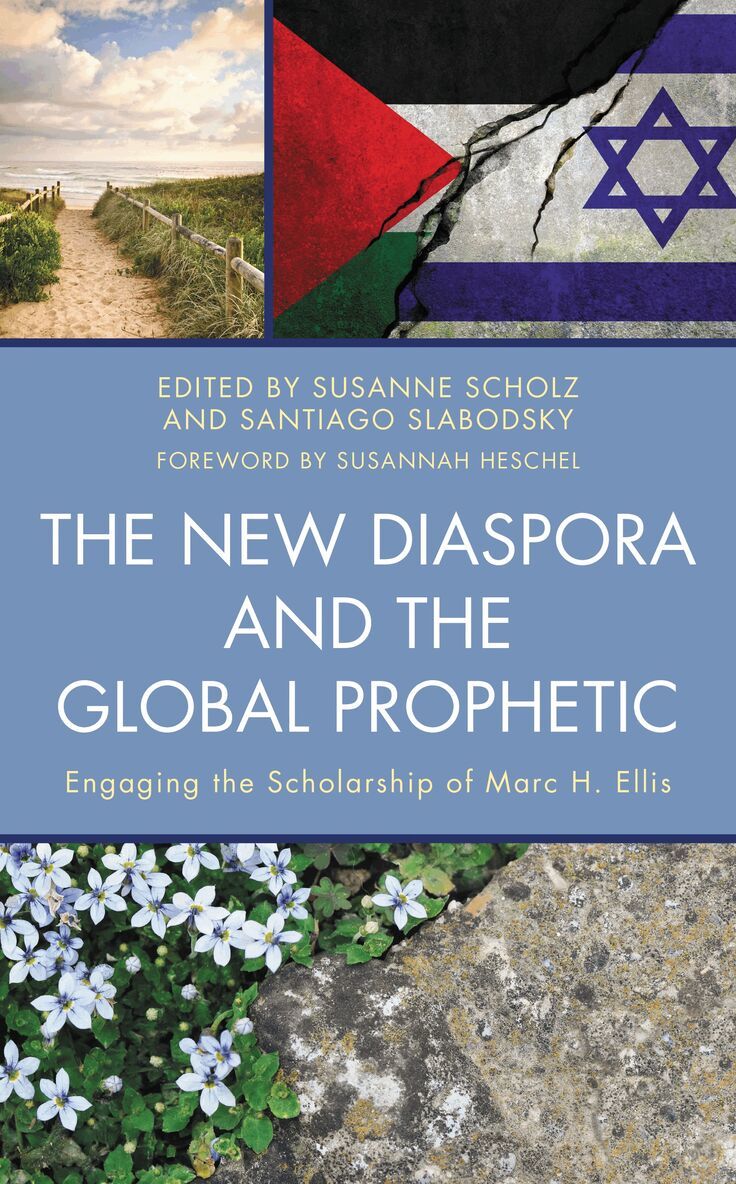
New Diaspora and the Global Prophetic
Engaging the Scholarship of Marc H. Ellis
Inbunden, Engelska, 2021
1 276 kr
Skickas inom 10-15 vardagar
For four decades, Marc H. Ellis has sought to rethink the Jewish tradition in light of the prophetic imperative, especially with regard to the need for geopolitical justice in the context of Israel/Palestine. Here, twenty-two contributors offer intellectual, theological, political, and journalistic insight intoEllis’s work, connecting his theological scholarship to the particularities of their own contexts. Some contributors reflect specifically on Israel/Palestine while others transfer Ellis’s theopolitical discussions to other geopolitical, cultural, or religious concerns. Yet all of them rely on Ellis’s work to understand the connections of prophetic discourses, religious demands, social movements, and projects of social justice. Paying particular attention to global racism, sexism, ethnocentrism, white supremacy, and current neocolonial practices, the contributors also address minoritized liberation theologies, the role of memory, exile and forgiveness, biblical hermeneutics, and political thought. In diverse and powerful ways, the contributors ground their scholarship with the activist drive to deepen, enrich, and strengthen intellectual work in meaningful ways.
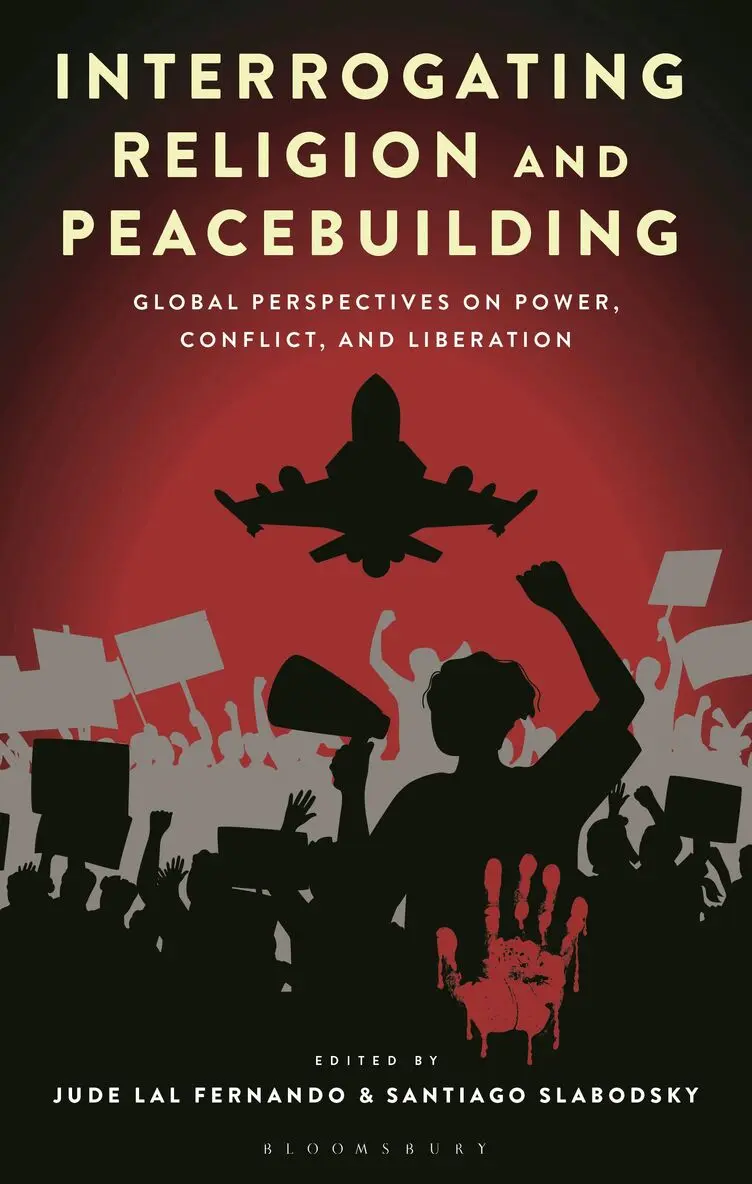
Interrogating Religion and Peacebuilding
Global Perspectives on Power, Conflict, and Liberation
Inbunden, Engelska, 2026
1 227 kr
Kommande
Interrogating Religion and Peacebuilding challenges the dominant narratives that frame peace as a civilizational ideal. At a time when millions demand an end to war, occupation, and systemic oppression, this volume gathers diverse voices in a transnational and decolonial conversation. The contributors interrogate how “peace” is too often deployed as a mirage—reproducing systems of exclusion and violence under the guise of stability, order, and reform.Exposing the coloniality embedded within hegemonic peace discourses, contributors reveal how imperial power configurations transform freedom into occupation, democracy into exclusion, and security into violence. Through critically self-reflective engagement with both religious and secular worldviews, contributors propose that peace is not an abstract ideal, but a deeply political construct shaped by empire, enforced through intervention, and justified by a faith in modernity’s civilizing mission. Rejecting both reformist inclusion and idealized neutrality, these essays embody a political commitment to the tormented, the resisting, and the marginalized.From “post-conflict” pacification to imperial “peace deals,” contributors unmask peacebuilding as often war by other means—while advancing liberative spiritualities that reimagine peace as justice from below. This book is not merely critique—it is a call to transformation.
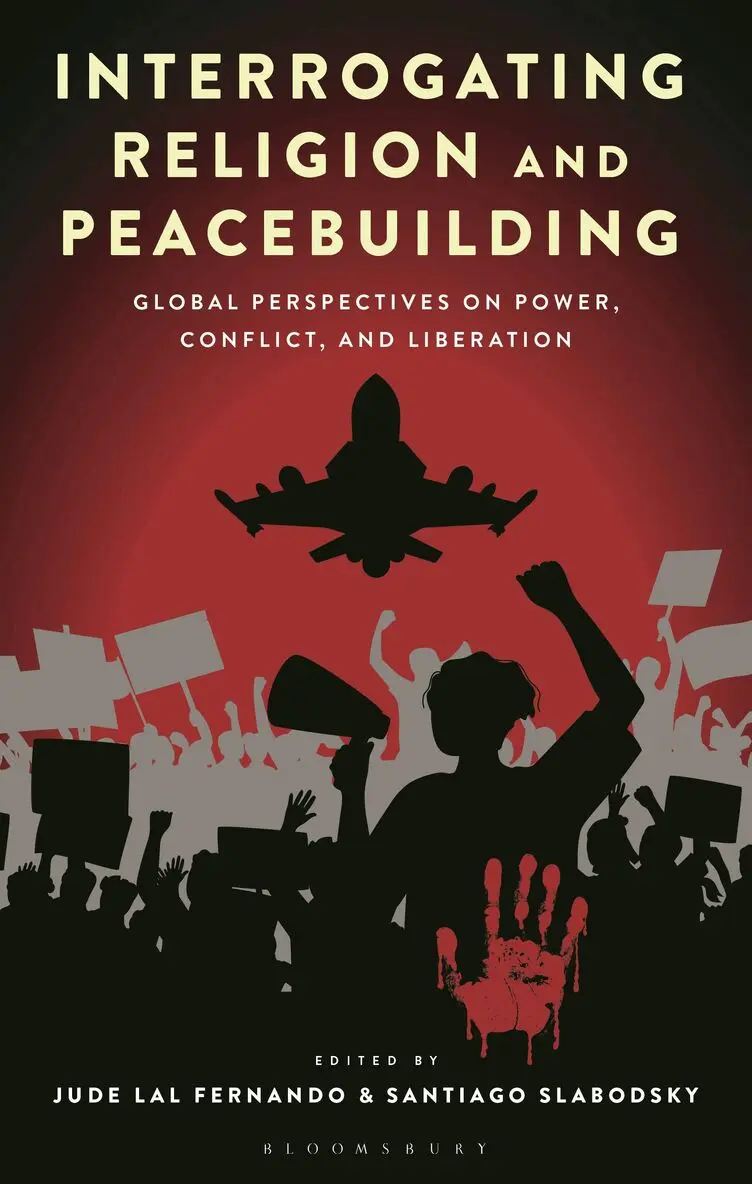
Interrogating Religion and Peacebuilding
Global Perspectives on Power, Conflict, and Liberation
Häftad, Engelska, 2026
322 kr
Kommande
Interrogating Religion and Peacebuilding challenges the dominant narratives that frame peace as a civilizational ideal. At a time when millions demand an end to war, occupation, and systemic oppression, this volume gathers diverse voices in a transnational and decolonial conversation. The contributors interrogate how “peace” is too often deployed as a mirage—reproducing systems of exclusion and violence under the guise of stability, order, and reform.Exposing the coloniality embedded within hegemonic peace discourses, contributors reveal how imperial power configurations transform freedom into occupation, democracy into exclusion, and security into violence. Through critically self-reflective engagement with both religious and secular worldviews, contributors propose that peace is not an abstract ideal, but a deeply political construct shaped by empire, enforced through intervention, and justified by a faith in modernity’s civilizing mission. Rejecting both reformist inclusion and idealized neutrality, these essays embody a political commitment to the tormented, the resisting, and the marginalized.From “post-conflict” pacification to imperial “peace deals,” contributors unmask peacebuilding as often war by other means—while advancing liberative spiritualities that reimagine peace as justice from below. This book is not merely critique—it is a call to transformation.