Julia Jorati – författare
Visar alla böcker från författaren Julia Jorati. Handla med fri frakt och snabb leverans.
22 produkter
Powers
A History
Av Julia Jorati
Inbunden, 2021
1376 kr
Lägg i varukorg
Why does a wine glass break when you drop it, whereas a steel goblet does not? The answer may seem obvious: glass, unlike steel, is fragile. This is an explanation in terms of a power or disposition: the glass breaks because it possesses a particular power, namely fragility. Seemingly simple, such …
Powers
A History
Av Julia Jorati
Häftad, 2021
435 kr
Lägg i varukorg
Why does a wine glass break when you drop it, whereas a steel goblet does not? The answer may seem obvious: glass, unlike steel, is fragile. This is an explanation in terms of a power or disposition: the glass breaks because it possesses a particular power, namely fragility. Seemingly simple, such …
Powers
A History
Av Julia Jorati
E-bok, 2021
385 kr
Lägg i varukorg
Why does a wine glass break when you drop it, whereas a steel goblet does not? The answer may seem obvious: glass, unlike steel, is fragile. This is an explanation in terms of a power or disposition: the glass breaks because it possesses a particular power, namely fragility. Seemingly simple, such …
Powers
A History
Av Julia Jorati
E-bok, 2021
385 kr
Lägg i varukorg
Why does a wine glass break when you drop it, whereas a steel goblet does not? The answer may seem obvious: glass, unlike steel, is fragile. This is an explanation in terms of a power or disposition: the glass breaks because it possesses a particular power, namely fragility. Seemingly simple, such …
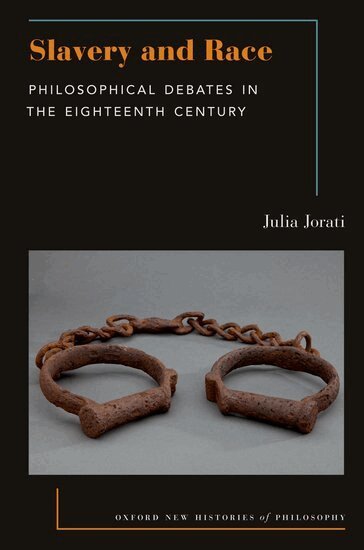
Slavery and Race
Philosophical Debates in the Eighteenth Century
Av Julia Jorati
Inbunden, 2024
1012 kr
Lägg i varukorg
Millions of Africans were enslaved and transported to the Americas in the eighteenth century. Europeans--many of whom viewed themselves as enlightened--endorsed, funded, legislated, and executed the slave trade. This atrocity had a profound impact on philosophy, but historians of the discipline …
Slavery and Race
Philosophical Debates in the Eighteenth Century
Av Julia Jorati
Häftad, 2024
721 kr
Lägg i varukorg
Millions of Africans were enslaved and transported to the Americas in the eighteenth century. Europeans--many of whom viewed themselves as enlightened--endorsed, funded, legislated, and executed the slave trade. This atrocity had a profound impact on philosophy, but historians of the discipline …
Slavery and Race
Philosophical Debates in the Eighteenth Century
Av Julia Jorati
E-bok, 2023
367 kr
Lägg i varukorg
Millions of Africans were enslaved and transported to the Americas in the eighteenth century. Europeans--many of whom viewed themselves as enlightened--endorsed, funded, legislated, and executed the slave trade. This atrocity had a profound impact on philosophy, but historians of the discipline …
Slavery and Race
Philosophical Debates in the Eighteenth Century
Av Julia Jorati
E-bok, 2023
367 kr
Lägg i varukorg
Millions of Africans were enslaved and transported to the Americas in the eighteenth century. Europeans--many of whom viewed themselves as enlightened--endorsed, funded, legislated, and executed the slave trade. This atrocity had a profound impact on philosophy, but historians of the discipline …
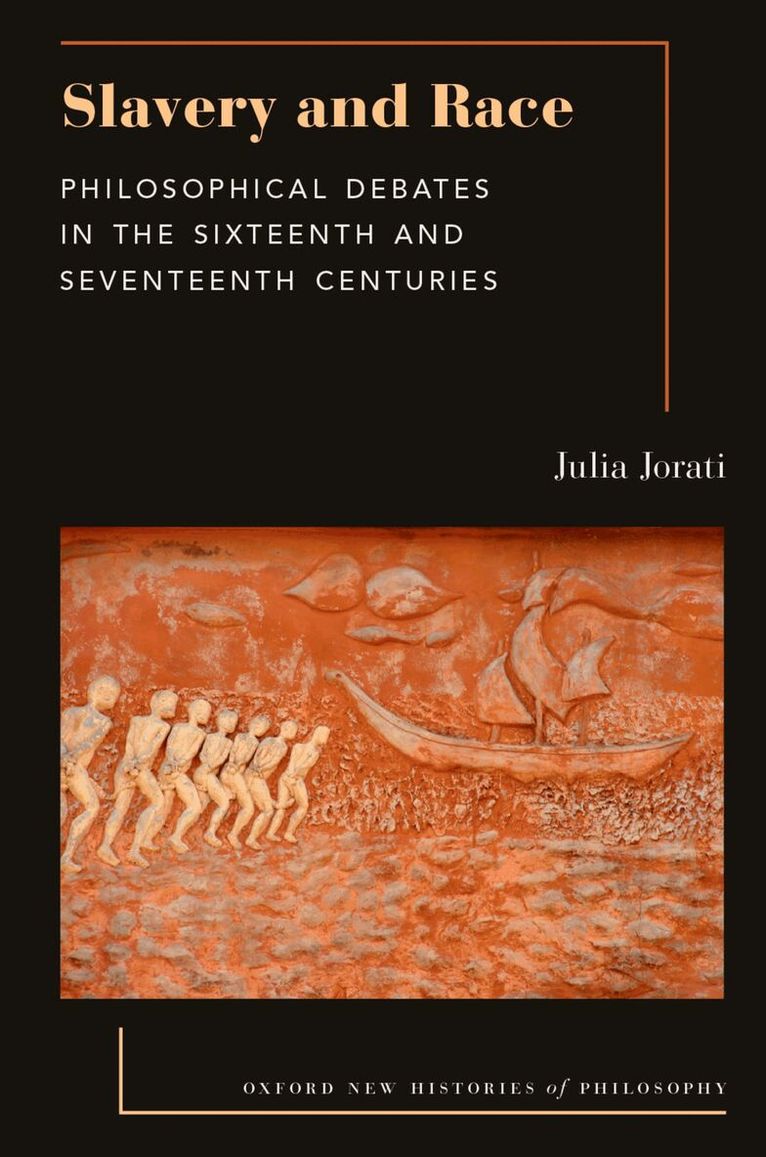
Slavery and Race
Philosophical Debates in the Sixteenth and Seventeenth Centuries
Av Julia Jorati
Inbunden, 2024
977 kr
Lägg i varukorg
Philosophers from Europe and colonial America engaged in heated debates about the morality of slavery in the sixteenth and seventeenth centuries, and these debates provide insights into the roots of modern racism. Julia Jorati explores the philosophical ideas, theories, and arguments that are …
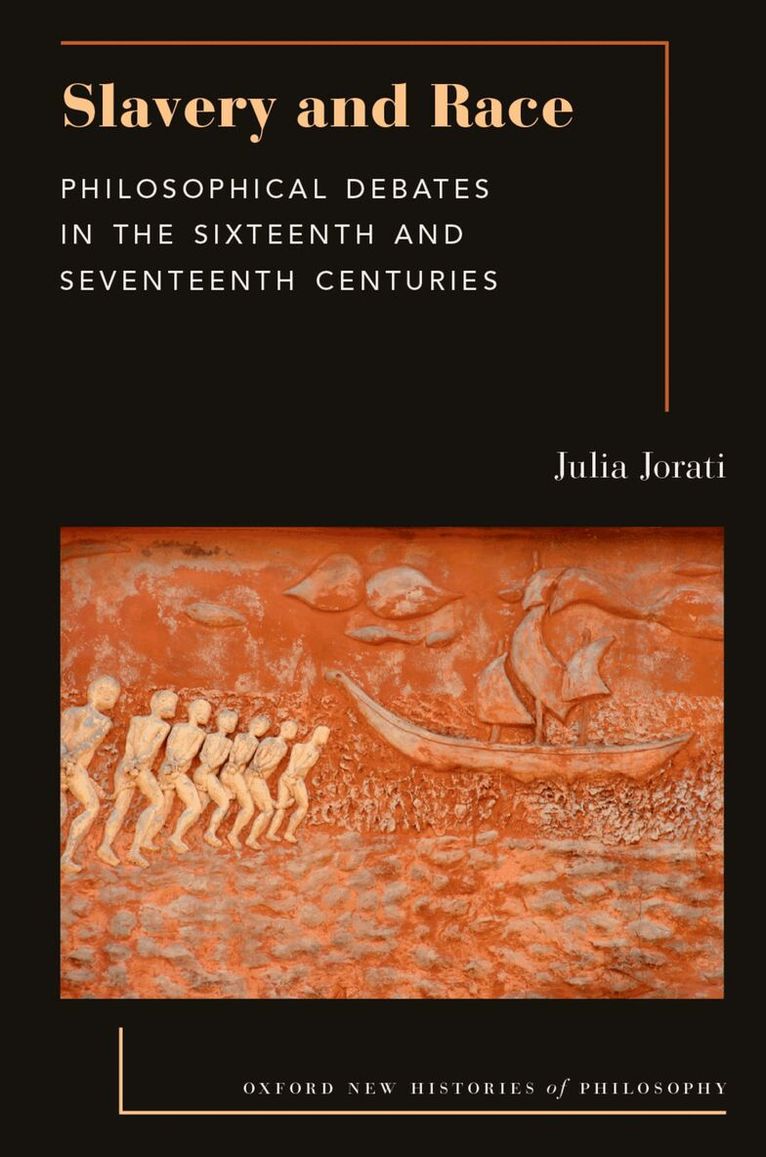
Slavery and Race
Philosophical Debates in the Sixteenth and Seventeenth Centuries
Av Julia Jorati
Häftad, 2026
597 kr
Lägg i varukorg
Philosophers from Europe and colonial America engaged in heated debates about the morality of slavery in the sixteenth and seventeenth centuries, and these debates provide insights into the roots of modern racism. Julia Jorati explores the philosophical ideas, theories, and arguments that are …
Slavery and Race
Philosophical Debates in the Sixteenth and Seventeenth Centuries
Av Julia Jorati
E-bok, 2024
359 kr
Lägg i varukorg
Philosophers from Europe and colonial America engaged in heated debates about the morality of slavery in the sixteenth and seventeenth centuries, and these debates provide insights into the roots of modern racism. Julia Jorati explores the philosophical ideas, theories, and arguments that are …
Slavery and Race
Philosophical Debates in the Sixteenth and Seventeenth Centuries
Av Julia Jorati
E-bok, 2024
359 kr
Lägg i varukorg
Philosophers from Europe and colonial America engaged in heated debates about the morality of slavery in the sixteenth and seventeenth centuries, and these debates provide insights into the roots of modern racism. Julia Jorati explores the philosophical ideas, theories, and arguments that are …
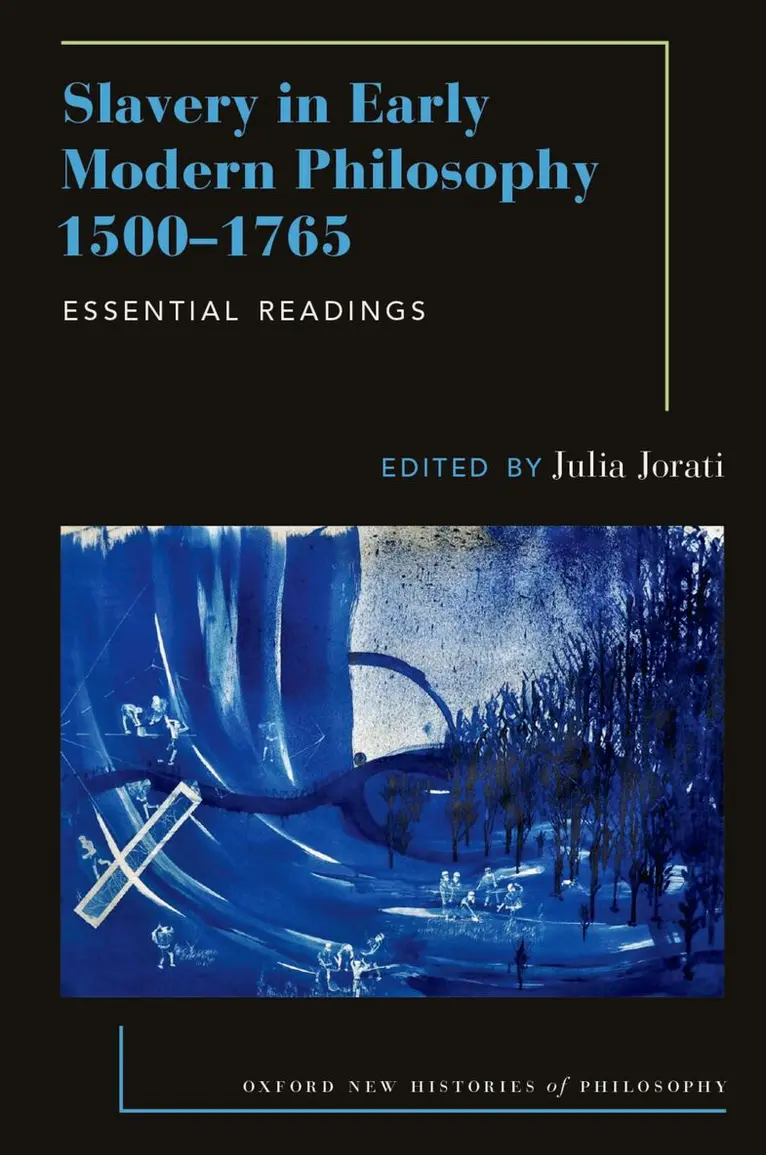
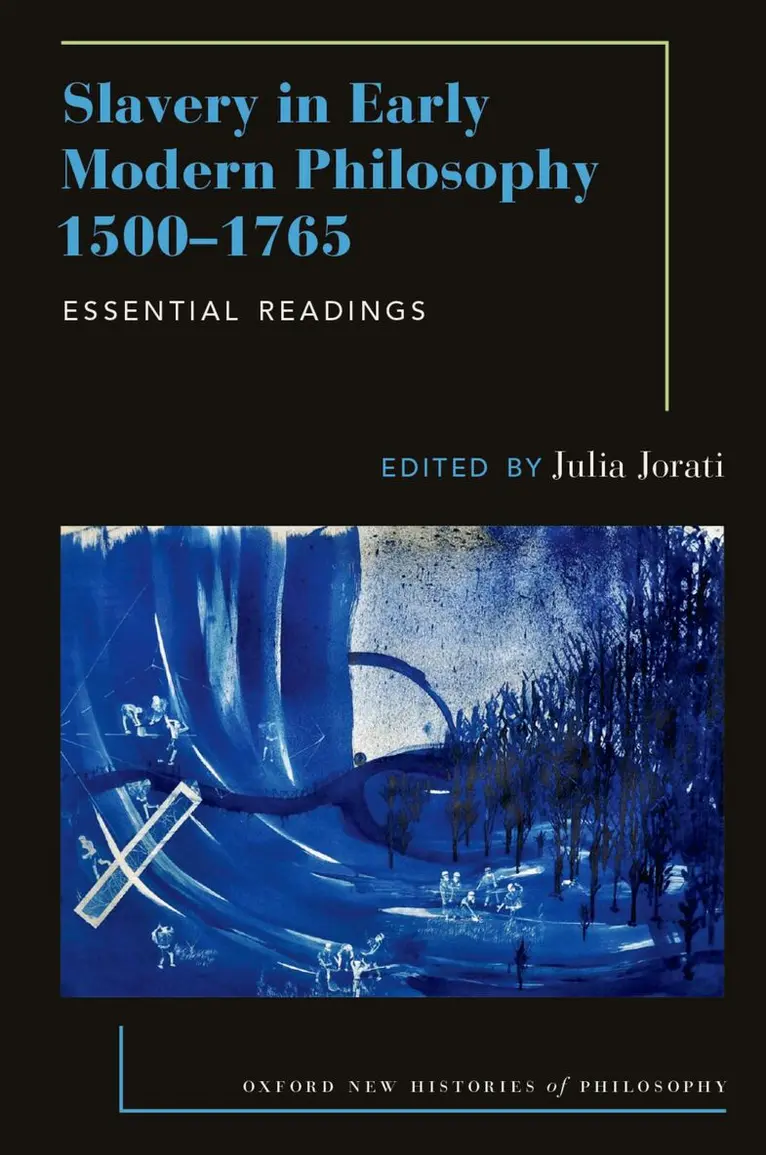
Slavery in Early Modern Philosophy 1500-1765
Essential Readings
Av University of Massachusetts Amherst) Jorati, Julia (Professor of Philosophy, Professor of Philosophy, Julia Jorati
Inbunden, 2026
1500 kr
Lägg i varukorg
Slavery in Early Modern Philosophy 1500-1765 contains thirty-four philosophical texts about slavery composed in Europe and America between 1500 and 1765. These readings demonstrate that debates about slavery deserve a central place in the history of philosophy, and are crucial for understanding …
Slavery in Early Modern Philosophy 1500-1765
Essential Readings
Av University of Massachusetts Amherst) Jorati, Julia (Professor of Philosophy, Professor of Philosophy, Julia Jorati
Häftad, 2026
335 kr
Lägg i varukorg
Slavery in Early Modern Philosophy 1500-1765 contains thirty-four philosophical texts about slavery composed in Europe and America between 1500 and 1765. These readings demonstrate that debates about slavery deserve a central place in the history of philosophy, and are crucial for understanding …
Slavery in Early Modern Philosophy 1500-1765
Essential Readings
Av Julia Jorati
E-bok, 2025
362 kr
Lägg i varukorg
Slavery in Early Modern Philosophy 1500-1765 contains thirty-four philosophical texts about slavery composed in Europe and America between 1500 and 1765. These readings demonstrate that debates about slavery deserve a central place in the history of philosophy, and are crucial for understanding …
Slavery in Early Modern Philosophy 1500-1765
Essential Readings
Av Julia Jorati
E-bok, 2025
362 kr
Lägg i varukorg
Slavery in Early Modern Philosophy 1500-1765 contains thirty-four philosophical texts about slavery composed in Europe and America between 1500 and 1765. These readings demonstrate that debates about slavery deserve a central place in the history of philosophy, and are crucial for understanding …
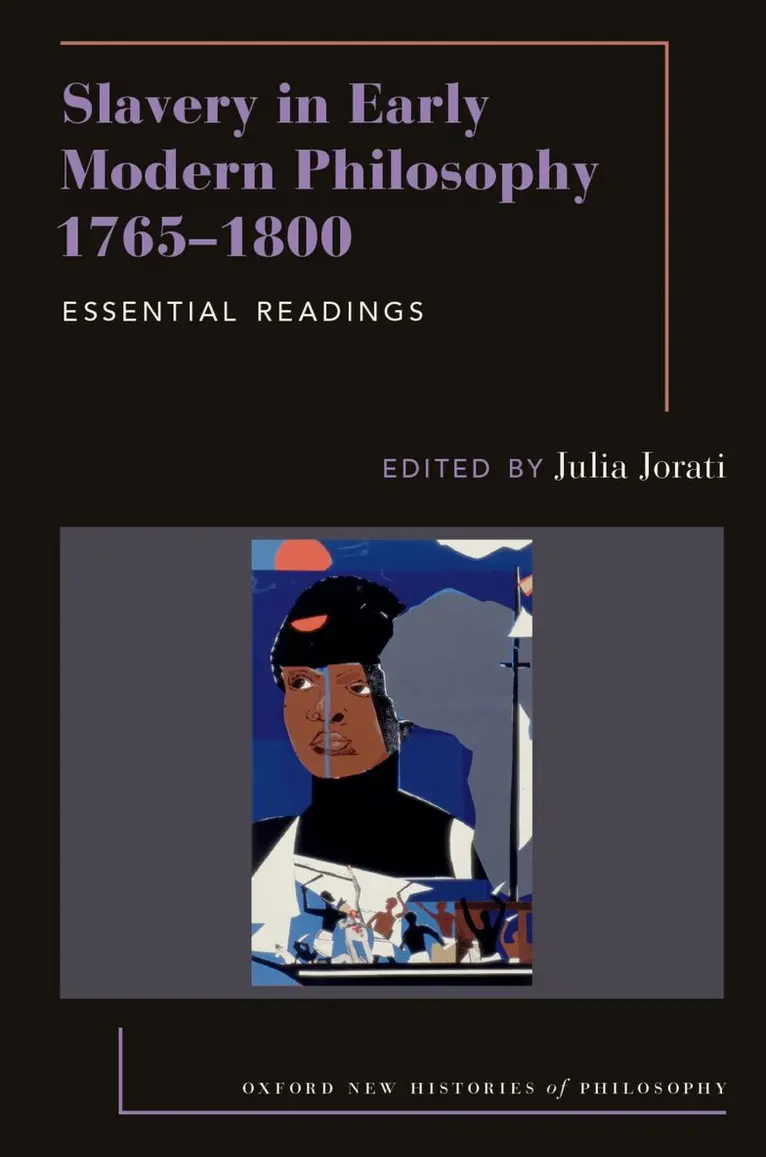
Slavery in Early Modern Philosophy 1765-1800
Essential Readings
Inbunden, 2026
2123 kr
Lägg i varukorg
This volume comprises forty-five philosophical texts about slavery that were composed in Europe and America between 1765 and 1800. The texts, selected and in some cases newly translated by Julia Jorati, discuss various aspects of slavery, and from many different perspectives. Written by enslaved …
Slavery in Early Modern Philosophy 1765-1800
Essential Readings
Av Julia Jorati
Häftad, 2026
335 kr
Lägg i varukorg
This volume comprises forty-five philosophical texts about slavery that were composed in Europe and America between 1765 and 1800. The texts, selected and in some cases newly translated by Julia Jorati, discuss various aspects of slavery, and from many different perspectives. Written by enslaved …
Slavery in Early Modern Philosophy 1765-1800
Essential Readings
Av Julia Jorati
E-bok, 2026
362 kr
Lägg i varukorg
This volume comprises forty-five philosophical texts about slavery that were composed in Europe and America between 1765 and 1800. The texts, selected and in some cases newly translated by Julia Jorati, discuss various aspects of slavery, and from many different perspectives. Written by enslaved …
Slavery in Early Modern Philosophy 1765-1800
Essential Readings
Av Julia Jorati
E-bok, 2026
362 kr
Lägg i varukorg
This volume comprises forty-five philosophical texts about slavery that were composed in Europe and America between 1765 and 1800. The texts, selected and in some cases newly translated by Julia Jorati, discuss various aspects of slavery, and from many different perspectives. Written by enslaved …
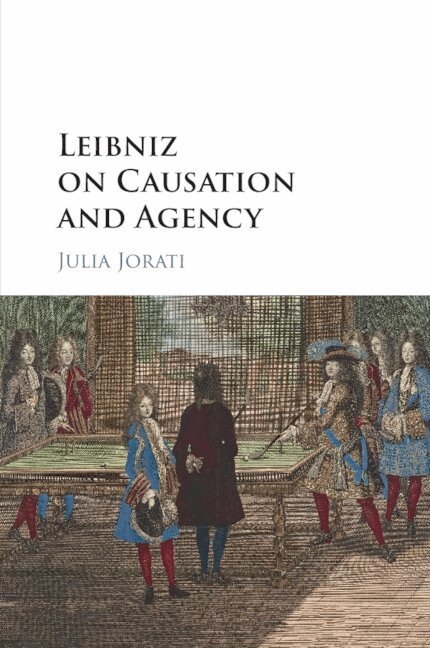
Leibniz on Causation and Agency
Av Julia Jorati
Inbunden, 2017
1641 kr
Lägg i varukorg
This book presents a comprehensive examination of Gottfried Leibniz's views on the nature of agents and their actions. Julia Jorati offers a fresh look at controversial topics including Leibniz's doctrines of teleology, the causation of spontaneous changes within substances, divine concurrence, …
Leibniz on Causation and Agency
Av Julia Jorati
Häftad, 2020
569 kr
Lägg i varukorg
This book presents a comprehensive examination of Gottfried Leibniz's views on the nature of agents and their actions. Julia Jorati offers a fresh look at controversial topics including Leibniz's doctrines of teleology, the causation of spontaneous changes within substances, divine concurrence, …