Julia Martin - Böcker
Visar alla böcker från författaren Julia Martin. Handla med fri frakt och snabb leverans.
6 produkter
6 produkter
168 kr
Skickas
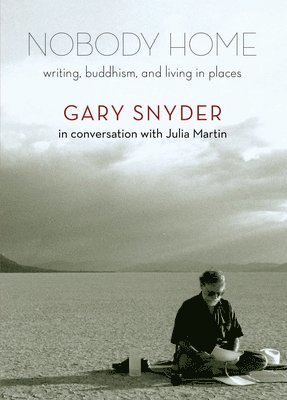
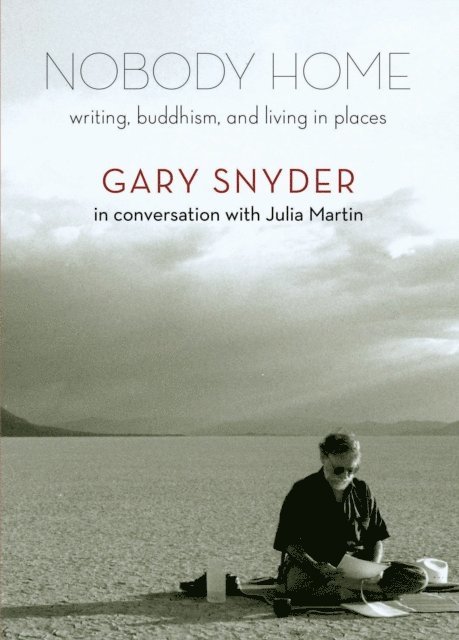
In this thoughtful, affectionate collection of interviews and letters spanning three decades, beloved poet Gary Snyder talks with South African writer and scholar Julia Martin. Over this period many things changed decisively--globally, locally, and in their personal lives--and these changing conditions provide the back story for a long conversation. It begins in the early 1980s as an intellectual exchange between an earnest graduate student and a generous distinguished writer, and becomes a long-distance friendship and an exploration of spiritual practice. At the project's heart is Snyder's understanding of Buddhism. Again and again, the conversations return to an explication of the teachings. Snyder's characteristic approach is to articulate a direct experience of Buddhist practice rather than any kind of abstract philosophy. In the version he describes here, this practice finds expression not primarily as an Asian import or a monastic ideal, but in the specificities of a householder's life as lived creatively in a particular location at a particular moment in history.This means that whatever "topic" a dialogue explores, there is a sense that all of it is about practice--the spiritual-social practice of a contemporary poet.
275 kr
Skickas inom 3-6 vardagar
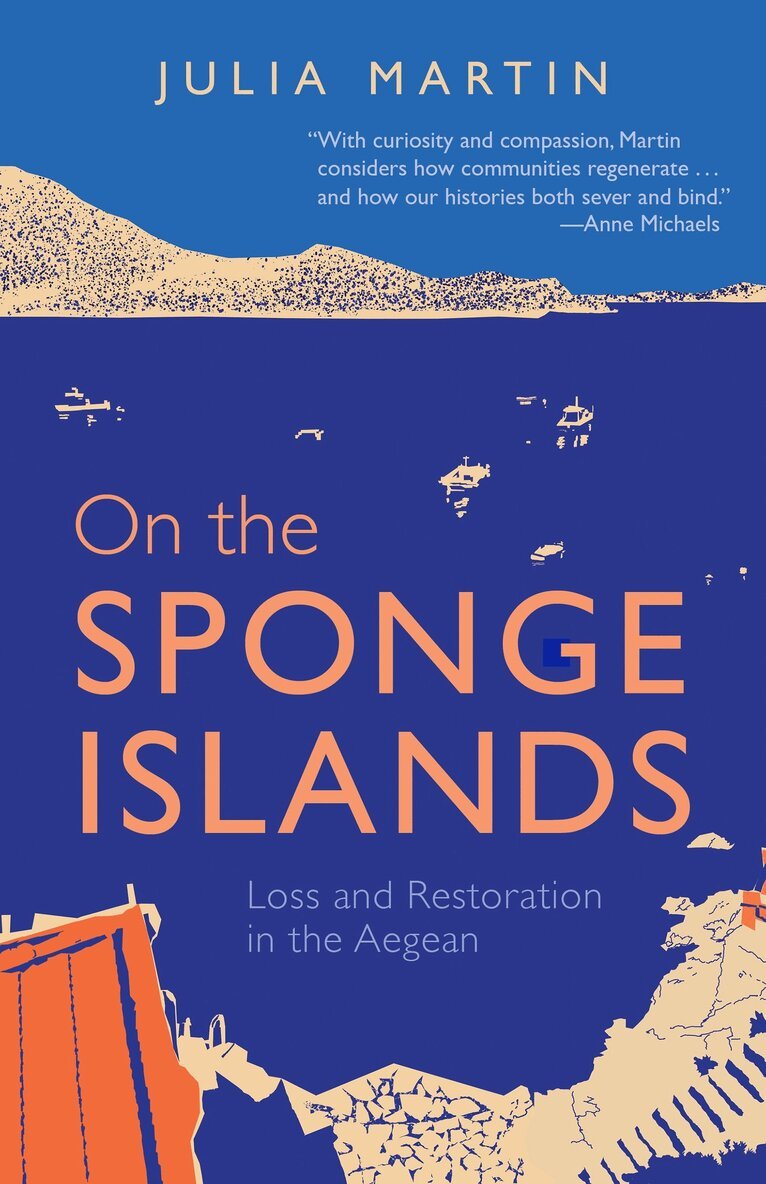
When Julia Martin visits the Greek islands of the Dodecanese, beauty and suffering seem inextricable. On the Sponge Islands follows her journey through Rhodes, Symi, Halki, Kalymnos, and Patmos to trace the cultural and ecological legacy of sponge diving. Because of their wonderful porosity, sea sponges have always been perfect for a myriad of human uses, and men from the islands had been diving for them and trading them since antiquity. In the late nineteenth century new deep sea diving suits made it possible to mine the seabed as never before and bring home untold wealth. It was a rich harvest that came at the cost of many lives. And it couldn’t last. Everything, one might say, flowed through sponges. Until it didn’t.Over three visits, Martin meets Aphrodite, Lefteris, Manuel, Zinovia, and others whose lives are bound to the sea. Through their stories, she uncovers the rise and fall of the sponge trade and its deep entanglement with environmental devastation. The islands bear the scars of war, both human and ecological. And yet, despite all of this, the Aegean remains a glory of blue. For all of its plunder, the sea is still luminous and alive, and conversations with the islanders keep returning to the heart.On the Sponge Islands brings together natural history and ecosocial reckoning. Martin’s lyrical, searching prose is rich in dialogue, extraordinary characters, and curious tales. While the devastation of the Aegean seabed may mirror the wider ecological catastrophe, the green renewal taking root on some of the islands is an embodiment of hope. This is a story of extinction and resilience, of loss and restoration. It reminds us that it may not be too late—not yet.
185 kr
Skickas inom 5-8 vardagar
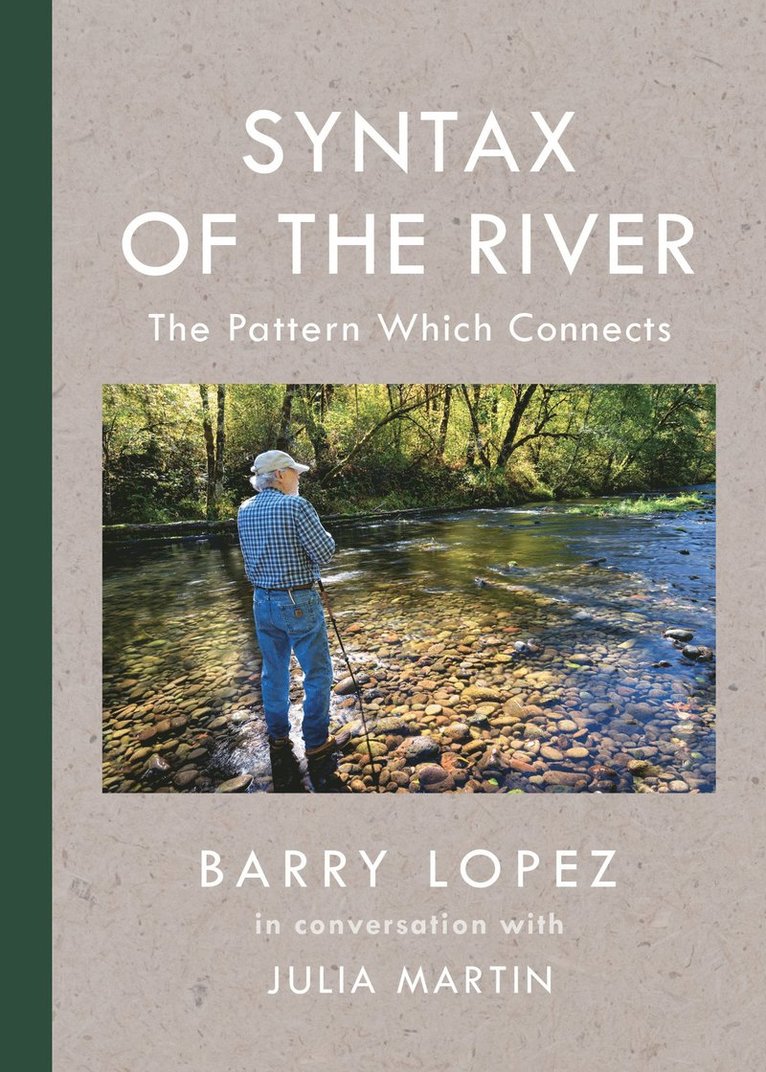
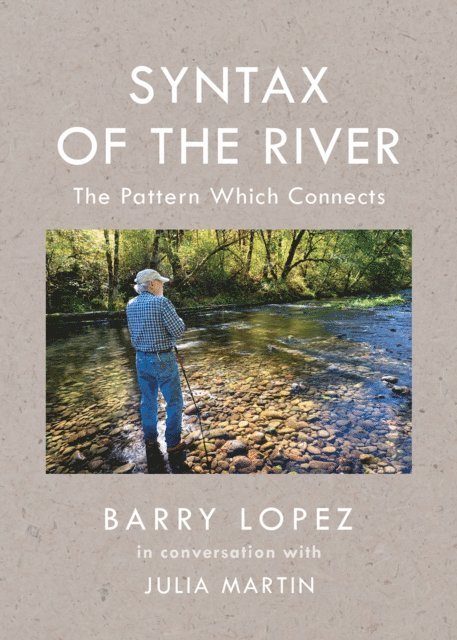
Barry Lopez had no illusions about the seriousness of our global crisis, yet he also felt a deep conviction about the power of hope and the sources of renewal in the living world. Syntax of the River is an extended conversation spanning three days between Lopez and Julia Martin in which he explores what this juxtaposition means for him as a writer.On the first day Lopez reflects on years watching the McKenzie River near his home in Oregon. He describes the quality of attention he learned from intimacy with the place itself: a very fine distinction between silence and stillness, the rich complexities of the present moment, and the syntax of interrelationships between living things. The second day is concerned with craft: the work of making sentences and books. Lopez shares his practical strategies for writing and revising a manuscript and goes on to speak about vulnerability. He says he often experienced a deep sense of doubt about his capacity to achieve whatever he was trying to do in a particular project. Over time, though, this characteristic experience of not-knowing became a kind of fuel for his work, and even a weapon at times.On the final day, Lopez ponders the idea of writing as a praxis, a way of life, even a prayer for the earth, while concurrently being terrified by the portents of its destruction. Here, the experience of being an attentive participant emerges as his core teaching. Over the decades he developed a practice of attention that was endlessly curious and enthralled by the living world, what he calls its pattern or syntax. Despite acclaim as a celebrated writer, throughout his career Lopez humbly tasked himself with making a combination of wonder and horror work together to effectively communicate a life journey of contemplation, exploration, and discovery.
232 kr
Skickas inom 5-8 vardagar
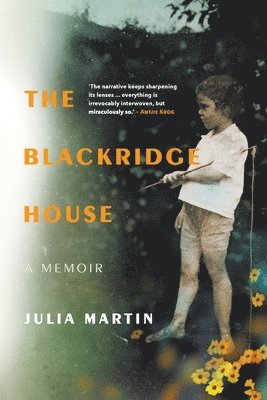
Elizabeth Madeline Martin spends her days in a retirement home in Cape Town, watching the pigeons and squirrels on the branch of a tree outside her window. Bedridden, her memory fading, she can recall her early childhood spent in a small wood-and-iron house in Blackridge on the outskirts of Pietermaritzburg. Though she remembers the place in detail – dogs, a mango tree, a stream – she has no idea of where exactly it is. ‘My memory is full of blotches,’ she tells her daughter Julia, ‘like ink left about and knocked over.’ Julia resolves to find the Blackridge house: with her mother lonely and confused, would this, perhaps, bring some measure of closure? A journey begins that traverses family history, forgotten documents, old photographs, and the maps that stake out a country’s troubled past – maps whose boundaries nature remains determined to resist. Kind strangers, willing to assist in the search, lead to unexpected discoveries of ancestors and wars and lullabies. Folded into this quest are the tender conversations between a daughter and a mother who does not have long to live. Taken as one, The Blackridge House is a meditation on belonging, of the stories we tell of home and family, of the precarious footprint of life.
514 kr
Skickas inom 5-8 vardagar
2 289 kr
Skickas inom 10-15 vardagar
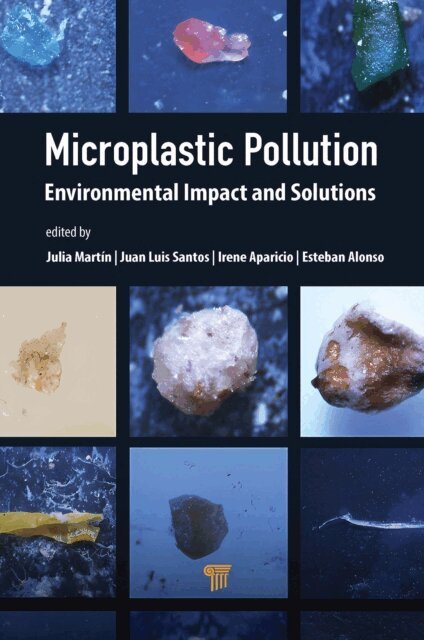
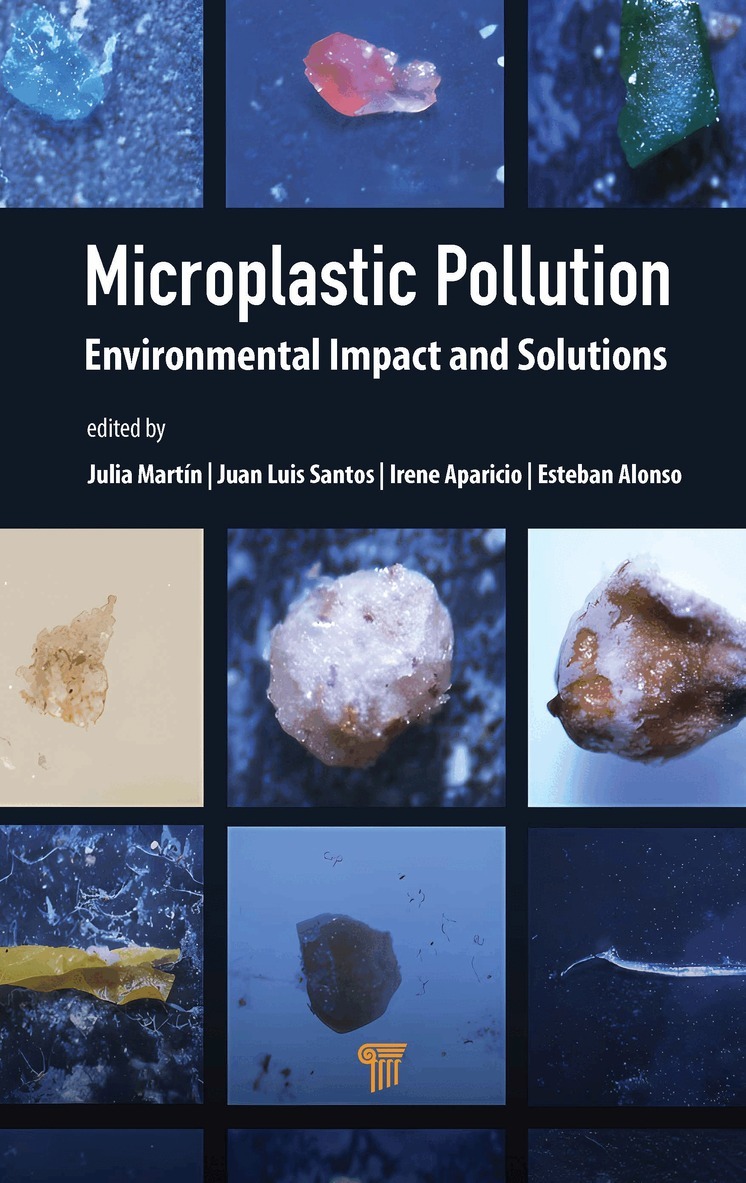
Microplastic pollution is an increasingly important issue in science, industry, and politics. This book presents global case studies from fields such as materials science, analytical chemistry, toxicology, and public health. It explores the widespread presence of microplastics in the environment and details the methods used for their detection, separation, and identification in complex environmental samples. The book examines the fate and transport of microplastics in wastewater treatment plants and natural ecosystems, providing regional classifications and identifying key sources. It also discusses how microplastics act as vectors for hazardous chemicals and how exposure and co-exposure to these pollutants affect aquatic and terrestrial organisms. By combining diverse scientific perspectives, this book offers a comprehensive understanding of the environmental challenges posed by microplastics and aims to support research, policymaking, and strategies for pollution control and environmental protection.