Julian Baldick – författare
Visar alla böcker från författaren Julian Baldick. Handla med fri frakt och snabb leverans.
11 produkter
11 produkter
Häftad, Engelska, 2012
427 kr
Skickas inom 5-8 vardagar
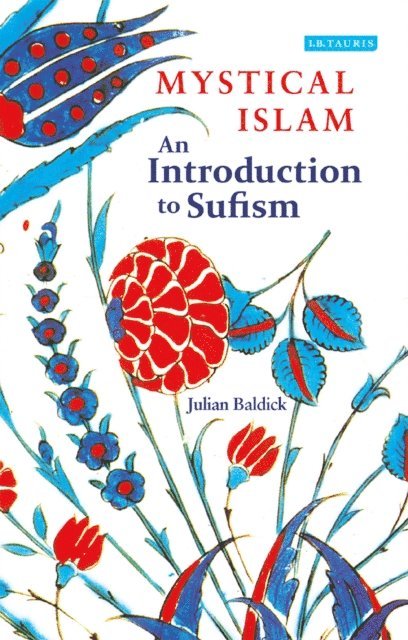
Sufism is Islam's main mystical tradition. There are Sufi orders in almost all Muslim countries around the world, but not all Sufis accept the same beliefs and practices. Mystical Islam offers an introduction that encompasses the full history and richness of the Sufi spiritual tradition over fourteen centuries of Islam. This accessible work covers the origins of Sufism and early influences, particularly from Christianity; the rise of the great Sufi organizations; the thought of Sufism's main theorist and systemizer, Ibn Arabi; Rumi and the Whirling Dervishes; relations with Shi'ism in Iran; Sufism in the heyday of the great empires in Iran, India, and Turkey; and relations with Turkey and Egypt during the nineteenth century as well as Sufi practices in the twentieth century. In a new afterword, the author reflects on recent scholarship and offers fresh perspectives on this fascinating tradition of belief and devotion.
Häftad, Engelska, 2012
361 kr
Skickas inom 5-8 vardagar
Animal and Shaman presents a comparative survey of the ancient customs and religions of Central Asia. The Pre-Christian and Pre-Muslim peoples of the region, such as the Huns, Scythians, Turks, Mongols, Manchus, Finns and Hungarians, shared a number of traditions and rituals. Characteristics observed by anthropologists today may be traced directly back to an ancient past.In ancient times there were remarkable commonalities in the forms of worship and spiritual expression among the different peoples of Inner Eurasia, all largely based on the role of animals in their lives. The harsh physical climate of the region led to an emphasis on hunting and animals, in contrast to the fertility rites common in more agriculturally hospitable areas. These characteristics have survived not only in the legends of the region, but have also found their way into the mythologies of the West. Baldick proposes that the myths, rituals, and epics of Central Asia served as possible foundations for such great works at the Odyssey, the Gospels, and Beowulf, which seem to have precursors in Iranian and Inner Eurasian tales.
Inbunden, Engelska, 2000
1 389 kr
Skickas inom 5-8 vardagar
Animal and Shaman presents a comparative survey of the ancient customs and religions of Central Asia. The Pre-Christian and Pre-Muslim peoples of the region, such as the Huns, Scythians, Turks, Mongols, Manchus, Finns and Hungarians, shared a number of traditions and rituals. Characteristics observed by anthropologists today may be traced directly back to an ancient past. In ancient times there were remarkable commonalities in the forms of worship and spiritual expression among the different peoples of Inner Eurasia, all largely based on the role of animals in their lives. The harsh physical climate of the region led to an emphasis on hunting and animals, in contrast to the fertility rites common in more agriculturally hospitable areas. These characteristics have survived not only in the legends of the region, but have also found their way into the mythologies of the West. Baldick proposes that the myths, rituals, and epics of Central Asia served as possible foundations for such great works at the Odyssey, the Gospels, and Beowulf, which seem to have precursors in Iranian and Inner Eurasian tales.
E-bok
PDF, Engelska, 20132 026 kr
Läs direkt efter köp
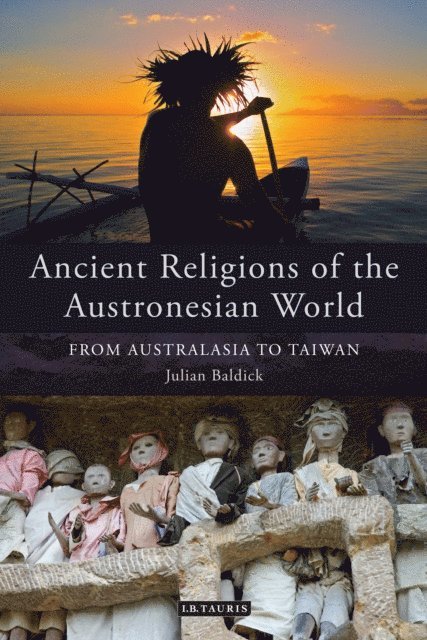
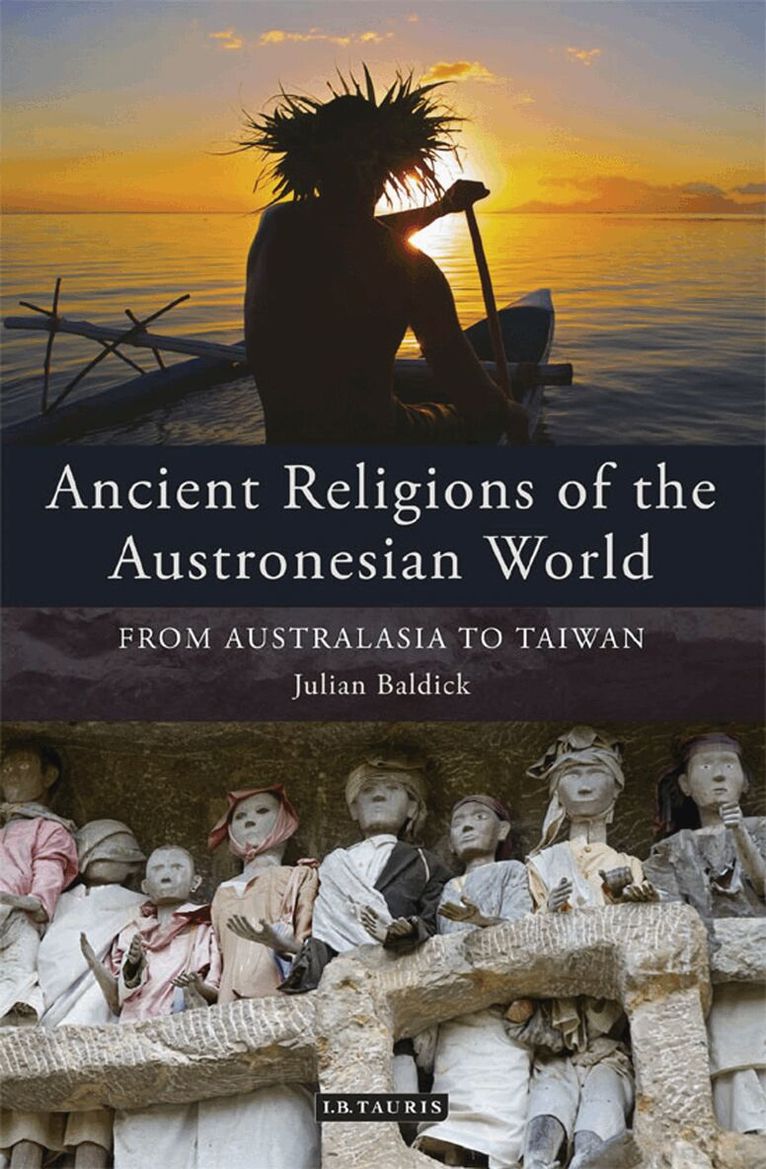
Austronesia is the vast oceanic region which stretches from Madagascar to Taiwan to New Zealand. Encompassing both scattered archipelagos and major landmasses, Austronesia - derived from the Latin australis,'southern',and Greek nesos,'island' - is used primarily as a linguistic term, designating a family of languages spoken by peoples with a shared heritage. Julian Baldick, a celebrated historian of ancient religion, here argues that the diverse inhabitants of the Philippines, Taiwan, Indonesia, New Guinea and Oceania show a common inheritance that extends beyond language. This commonality is found above all in mythology and ritual, which reach back to an ancient, prehistoric past. From around 1250 BCE the original proto-Oceanic speakers migrated eastwards from South-East Asia. Navigating by the sun, the stars, bird flight, the swells of the sea and cloud-swathed mountain islands, Austronesian voyagers used canoes and outriggers to settle on new territories. They developed a unified pattern of religion characterised by mortuary rites, headhunting and agrarian rituals of the annual calendar, culminating in a post-harvest festival often sexual in nature.This unique overview of Austronesian belief and tradition - the author's final book, and published posthumously - will be essential reading for students of religion, prehistory and anthropology.
E-bok
PDF, Engelska, 2012409 kr
Läs direkt efter köp
Sufism is Islam's principal mystical tradition. To its followers it provides the inner, esoteric or purely spiritual dimension of the faith. It is a centuries-old path to spirituality with devotees throughout the Islamic world, fundamentally influencing Muslim belief. To non-Muslim observers it remains exotic, mysterious and little-understood. Mystical Islam is an accessible introduction that encompasses the history of the Sufi spiritual tradition, ranging from the great Mughal and Safavid empires of India and Persia to the Whirling Dervishes of Ottoman Turkey. Julian Baldick reveals the continuing relevance of the Sufi spiritual experience and introduces some of the great figures of Sufism: al-Ghazali, Ibn Arabi, Hafiz of Shiraz and Rumi. It is the writings of such masters that reveal the inner beauty of Sufism, while offering followers the most profound insights in their quest for delivery from the narrow confines of the material world. At the same time, the author's reflections on recent Sufi scholarship, and his fresh perspectives on this tradition of belief and devotion, will prove essential for students and highly stimulating for general readers.
E-bok
Engelska, 20131 898 kr
Läs direkt efter köp
Austronesia is the vast oceanic region which stretches from Madagascar to Taiwan to New Zealand. Encompassing both scattered archipelagos and major landmasses, Austronesia - derived from the Latin australis,'southern',and Greek nesos,'island' - is used primarily as a linguistic term, designating a family of languages spoken by peoples with a shared heritage. Julian Baldick, a celebrated historian of ancient religion, here argues that the diverse inhabitants of the Philippines, Taiwan, Indonesia, New Guinea and Oceania show a common inheritance that extends beyond language. This commonality is found above all in mythology and ritual, which reach back to an ancient, prehistoric past. From around 1250 BCE the original proto-Oceanic speakers migrated eastwards from South-East Asia. Navigating by the sun, the stars, bird flight, the swells of the sea and cloud-swathed mountain islands, Austronesian voyagers used canoes and outriggers to settle on new territories. They developed a unified pattern of religion characterised by mortuary rites, headhunting and agrarian rituals of the annual calendar, culminating in a post-harvest festival often sexual in nature.This unique overview of Austronesian belief and tradition - the author's final book, and published posthumously - will be essential reading for students of religion, prehistory and anthropology.
E-bok
Engelska, 2012394 kr
Läs direkt efter köp
Sufism is Islam's principal mystical tradition. To its followers it provides the inner, esoteric or purely spiritual dimension of the faith. It is a centuries-old path to spirituality with devotees throughout the Islamic world, fundamentally influencing Muslim belief. To non-Muslim observers it remains exotic, mysterious and little-understood. Mystical Islam is an accessible introduction that encompasses the history of the Sufi spiritual tradition, ranging from the great Mughal and Safavid empires of India and Persia to the Whirling Dervishes of Ottoman Turkey. Julian Baldick reveals the continuing relevance of the Sufi spiritual experience and introduces some of the great figures of Sufism: al-Ghazali, Ibn Arabi, Hafiz of Shiraz and Rumi. It is the writings of such masters that reveal the inner beauty of Sufism, while offering followers the most profound insights in their quest for delivery from the narrow confines of the material world. At the same time, the author's reflections on recent Sufi scholarship, and his fresh perspectives on this tradition of belief and devotion, will prove essential for students and highly stimulating for general readers.
Häftad, Engelska, 2012
382 kr
Skickas inom 10-15 vardagar
Sufism is Islam's principal mystical tradition. To its followers it provides the inner, esoteric or purely spiritual dimension of the faith. It is a centuries-old path to spirituality with devotees throughout the Islamic world, fundamentally influencing Muslim belief. To non-Muslim observers it remains exotic, mysterious and little-understood. Mystical Islam is an accessible introduction that encompasses the history of the Sufi spiritual tradition, ranging from the great Mughal and Safavid empires of India and Persia to the Whirling Dervishes of Ottoman Turkey. Julian Baldick reveals the continuing relevance of the Sufi spiritual experience and introduces some of the great figures of Sufism: al-Ghazali, Ibn Arabi, Hafiz of Shiraz and Rumi. It is the writings of such masters that reveal the inner beauty of Sufism, while offering followers the most profound insights in their quest for delivery from the narrow confines of the material world. At the same time, the author's reflections on recent Sufi scholarship, and his fresh perspectives on this tradition of belief and devotion, will prove essential for students and highly stimulating for general readers.
Inbunden, Engelska, 2013
1 811 kr
Skickas inom 10-15 vardagar
Austronesia is the vast oceanic region which stretches from Madagascar to Taiwan to New Zealand. Encompassing both scattered archipelagos and major landmasses, Austronesia - derived from the Latin australis,'southern',and Greek nesos,'island' - is used primarily as a linguistic term, designating a family of languages spoken by peoples with a shared heritage. Julian Baldick, a celebrated historian of ancient religion, here argues that the diverse inhabitants of the Philippines, Taiwan, Indonesia, New Guinea and Oceania show a common inheritance that extends beyond language. This commonality is found above all in mythology and ritual, which reach back to an ancient, prehistoric past. From around 1250 BCE the original proto-Oceanic speakers migrated eastwards from South-East Asia. Navigating by the sun, the stars, bird flight, the swells of the sea and cloud-swathed mountain islands, Austronesian voyagers used canoes and outriggers to settle on new territories. They developed a unified pattern of religion characterised by mortuary rites, headhunting and agrarian rituals of the annual calendar, culminating in a post-harvest festival often sexual in nature.This unique overview of Austronesian belief and tradition - the author's final book, and published posthumously - will be essential reading for students of religion, prehistory and anthropology.
E-bok
Engelska, 2000351 kr
Läs direkt efter köp
What common features can be found in the ancient customs and native religions of the vast Eurasian landmass? In this unique and invaluable survey of the indigenous pre-Christian and pre-Muslim religions of Central Asia, Julian Baldick - one of the foremost authorities on global comparative religion - describes a common inheritance among the beliefs of the various peoples who have lived in central Asia or have migrated from there: Scythians, Mongols, Manchus, Finns and Hungarians. Shamans - holy men and healers among the pagan faiths - relied heavily on animal sacrifices to create spiritual purity and to nourish the soul. As a result, animals and spirituality were locked in a mutually dependent embrace. The author demonstrates that in pagan times worship and spiritual expression evinced remarkable common features: and that these similarities were largely based on the roles of animals in the different cultures of Central Asia. He shows that these roles have not only survived in the myths and legends of the region, but have also found their way into the mythologies of the West. Now with a fresh postscript, this classic work will find an appreciative interdisciplinary readership.
E-bok
PDF, Engelska, 2000351 kr
Läs direkt efter köp
What common features can be found in the native religions of the vast Eurasian landmass? Julian Baldick, in this comparative study of the indigenous pre-Christian and pre-Muslim religions of Central Asia, argues that there was a common inheritance to be found among the beliefs of the various peoples who have lived in Central Asia or have migrated from there; Scythians, Huns, Turks, Mongols, Manchus, Finns and Hungarians. Shamans - holy men healers among the pagan faiths - relied heavily on animal sacrifices to create spiritual purity and to nourish the soul. Animals and spirituality were thus locked in a mutually dependent embrace. In this survey of the ancient customs and religions of the larger inner Eurasian landmass, Baldick concludes that in pagan times there were remarkable common features in the forms of worship and spiritual expression among the different peoples of Central Asia, all largely based on the role of animals in their lives. These have survived not only in the myths and legends of the region but have also found their way into the mythologies of the West.This ground-breaking study will be of great importance to historians as well as cultural and social anthropologists.