Julian Brown - Böcker
Visar alla böcker från författaren Julian Brown. Handla med fri frakt och snabb leverans.
9 produkter
9 produkter
468 kr
Skickas inom 7-10 vardagar
Among topics covered in this volume, two important authorship questions are settled; the discovery of a major Northumbrian settlement is reported; the conceptions of Old English literature which have prevailed during the last three hundred years are paraded for critical inspection and substantial contributions are made to our knowledge of subjects as diverse as a monastic library of the first rank, eighth-century Latin poetic activity, metrical technique and literary convention in our greatest surviving vernacular poem; the family basis of political power in the tenth century; late Anglo-Saxon legal concepts; and scientific exposition in the early eleventh century. The usual comprehensive bibliography of the previous year's publications in all branches of Anglo-Saxon studies rounds off the book (with a separate section onomastic section). There is also an index to volumes 6 - 10, complementing the index found in volume 5.
468 kr
Skickas inom 7-10 vardagar
Place-names, charters, coins and manuscripts are among the forms of evidence studied in this second volume. The topics range from the course of English settlement in the south-east to the power and influence of a leading aristocratic family in the tenth century and the possible presence of Jews in England in the eleventh. An important liturgical manuscript, the Bosworth Psalter, is more securely localized; the exemplars of the Vercelli Book and its probable area of origin are clarified. Several motifs in Old English literature are elucidated, and the influence of Christian doctrine on the poetry is considered in a survey of scholarly opinion and in a lively discussion on Beowulf. Bede's achievements as a scholar and teacher are examined 1300 years after his birth. The bibliography, noting all contributions to Anglo-Saxon studies in 1972, continues the annual series begun in volume 1.
297 kr
Skickas inom 7-10 vardagar
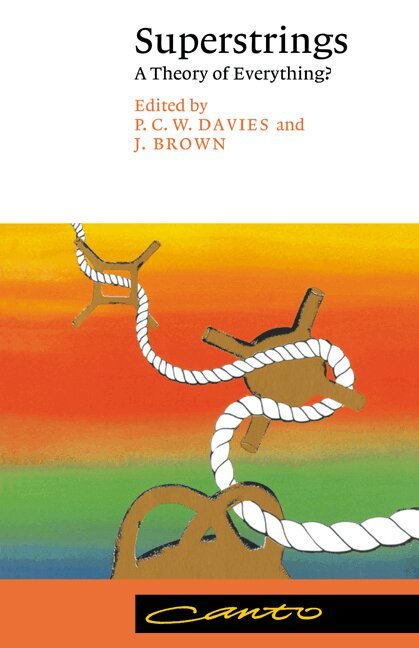
Superstring theory is one of the most exciting and actively pursued branches of physics today. The far-reaching claims made for this theory would, if correct, provide the much sought-after Theory of Everything, the unification of physics. It would enable the fundamental building blocks of matter to be identified and amalgamated in a common description, with a unified theory of all the forces of nature. This book explains the theory for laymen, in an introduction to the subject which originated in the BBC Radio programme, Desperately Seeking Superstrings. A clear, concise, non-mathematical explanation of the theory and its profound implications is followed by transcripts of interviews with all the most important physicists involved in its development. Superstrings makes a fascinating topic at the forefront of modern scientific research accessible to physicists, philosophers and general readers alike.
323 kr
Skickas inom 3-6 vardagar
428 kr
Skickas inom 5-8 vardagar
This new edition of the highly successful Vehicle Maintenance and Repair Level 1 workbook provides complete coverage of the QCF National Occupational Standards at Level 1 as set by the IMI and is in-line with VRQ and NVQ qualifications. Learners will be inspired by the full-colour diagrams and images illustrating key techniques and the Tip Boxes, weblinks, activities and questions will ensure learners have full understanding of all the essential information. This easy to use, easy to follow workbook ensures learners have all the theoretical and practice knowledge in preparation for further study or the world of work.
570 kr
Skickas inom 7-10 vardagar
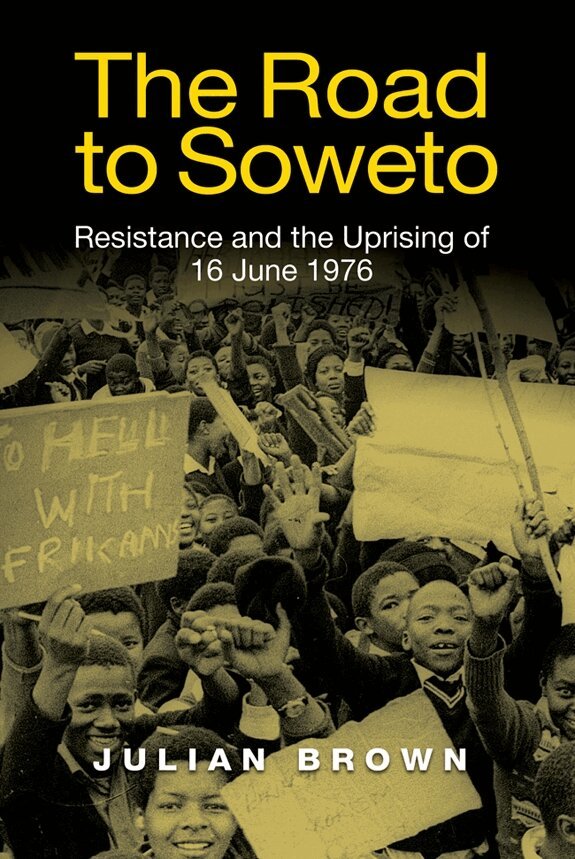
A new history of the 1976 Soweto Uprising and the events leading to it in the preceding decade, that will transform our understanding of the historical evolution of the struggle against apartheid.This revisionary account of the Soweto Uprising of June 1976 and the decade preceding it transforms our understanding of what led to this crucial flashpoint of South Africa's history. Brown argues that far from there being "quiescence" following the Sharpeville Massacre and the suppression of African opposition movements, during which they went underground, this period was marked by experiments in resistance and attempts to develop new forms of politics that prepared the ground for the Uprising. Students at South Africa's segregated universities began to re-organise themselves as a political force; new ideas about race reinvigorated political thought; debates around confrontation shaped the development of new forms of protest. The protest then began to move off university campuses and onto the streets: through the independent actions of workers in Durban, and attempts by students to link their struggles with a broader agenda. These actions made protest public once again, and helped establish the patterns of popular action and state response that would come to shape the events in Soweto on 16 June 1976.Julian Brown is a Lecturer in the Department of Political Studies at the University of the Witwatersrand, Johannesburg.Southern Africa (South Africa, Namibia, Lesotho, Swaziland & Botswana): Jacana'throws new light on the background to the Soweto Uprising, providing insight into white and black student politics, worker protest and broader dissent' - William Beinart, University of Oxford'an extremely important contribution to the historiography on protest in South Africa. It links black and white student protests (too often studied in isolation from one another) to workers' movements by looking at the changing forms of protest during the 1960s and 1970s, and the apartheid government's changing responses.' - Anne Heffernan, University of the Witwatersrand'By showing how the Soweto Uprising served as a precursor for later historical and political events, the author convincingly shows the continuity from one from one protest and decade to the next.' - Dawne Curry, University of Nebraska-Lincoln
1 160 kr
Skickas inom 7-10 vardagar
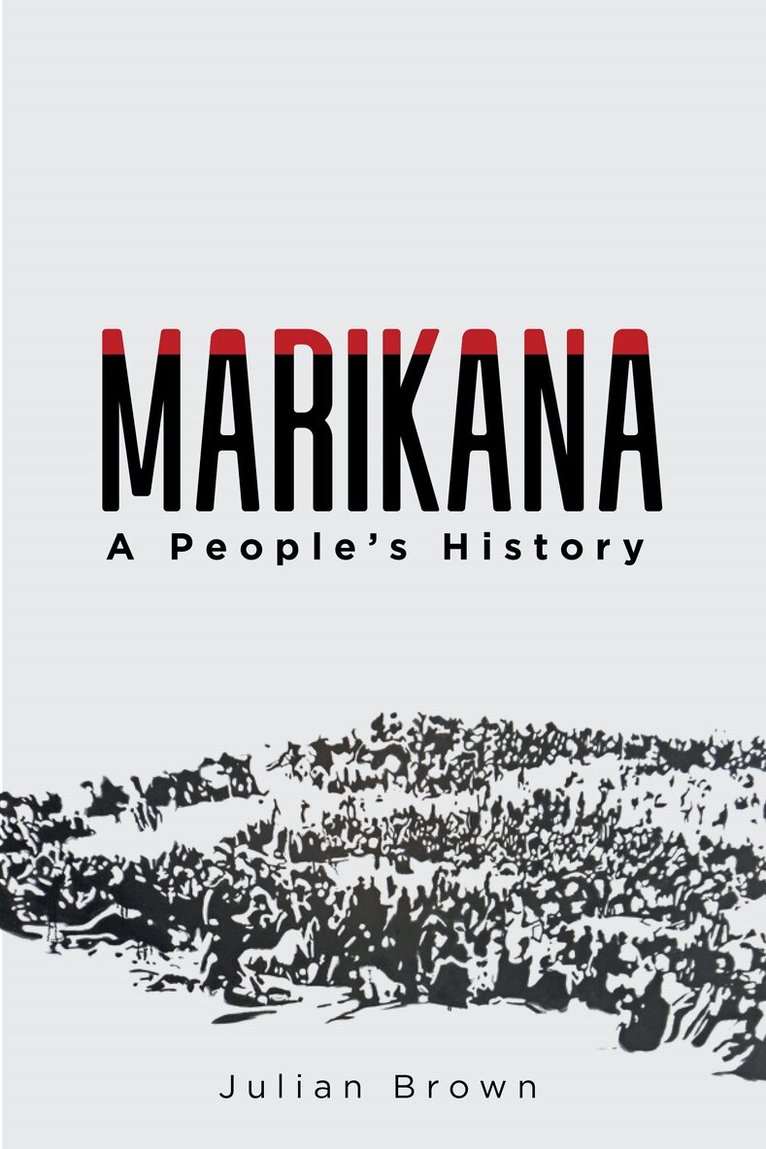
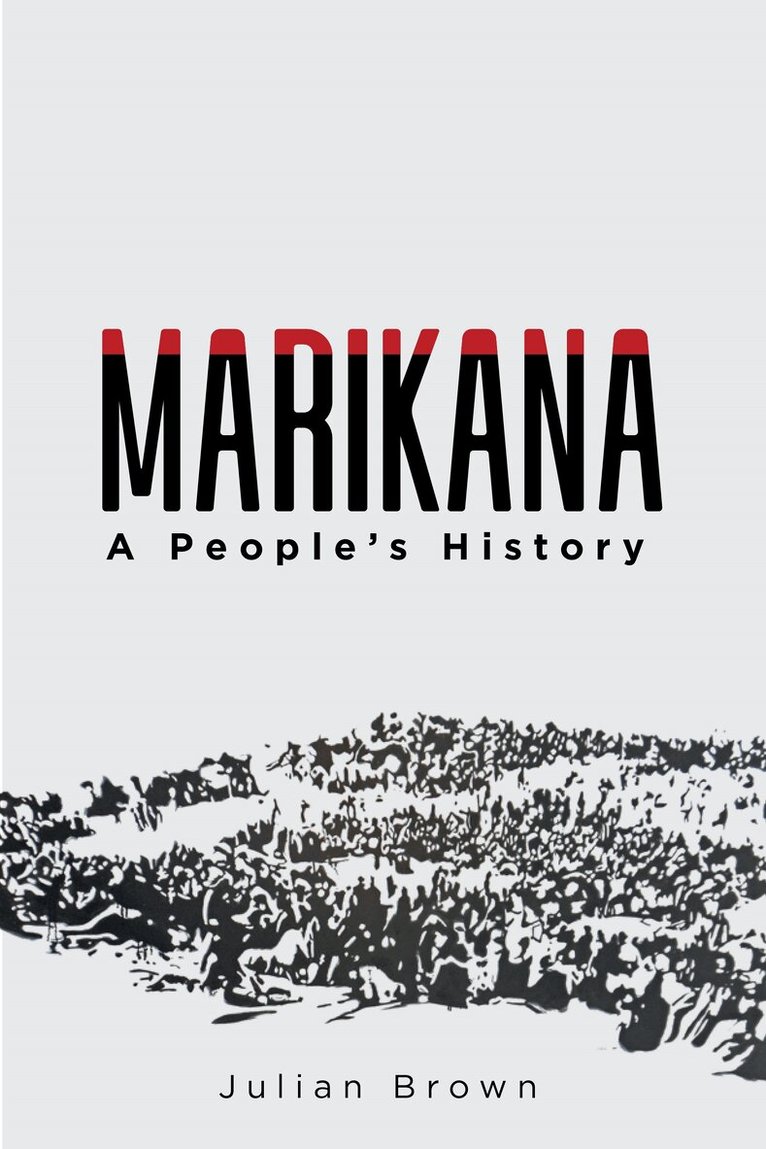
In-depth account of the Marikana massacre, based on the voices of the miners and their families themselves, from the build up to the strike to attempts to hold the state to account and its lasting significance.In August 2012 the South African police - at the encouragement of mining capital, and with the support of the political state - intervened to end a week-long strike at the Lonmin platinum mine in Marikana, in South Africa's NorthWest Province. On the afternoon of Thursday, 16 August, the police shot and killed 34 men. Hundreds more were injured, some shot as they fled. None posed a threat to any police officer. Recognised by many as an event of international significance in stories of global politics and labour relations, the perspectives of the miners has however been almost missing from published accounts. This book, for the first time, brings into focus the mens' lives - and deaths - telling the stories of those who embarked on the strike, those who were killed, and of the family members who have survived to fight for the memories of their loved ones. It places the strike in the context of South Africa's long history of racial and economic exclusion, explaining how the miners came to be in Marikana, how their lives were ordinarily lived, and the substance of their complaints. It shows how the strike developed from an initial gathering into a mass movement of more than 3,000 workers. It discusses the violence of the strike and explores the political context of the state's response, and the eagerness of the police to collaborate in suppressing the strike. Recounting the events of the massacre in unprecedented detail, the book sets out how each miner died and everything we know about the police operation. Finally, Brown traces the aftermath: the attempts of the families of the deceased to identify and bury their dead, and then the state's attempts to spin a narrative that placed all blame on the miners; the subsequent Commission of Inquiry - and its failure to resolve any real issues; and the solidarity politics that have emerged since.Southern Africa (South Africa, Namibia, Lesotho, Swaziland and Botswana): Jacana.
285 kr
Skickas inom 7-10 vardagar
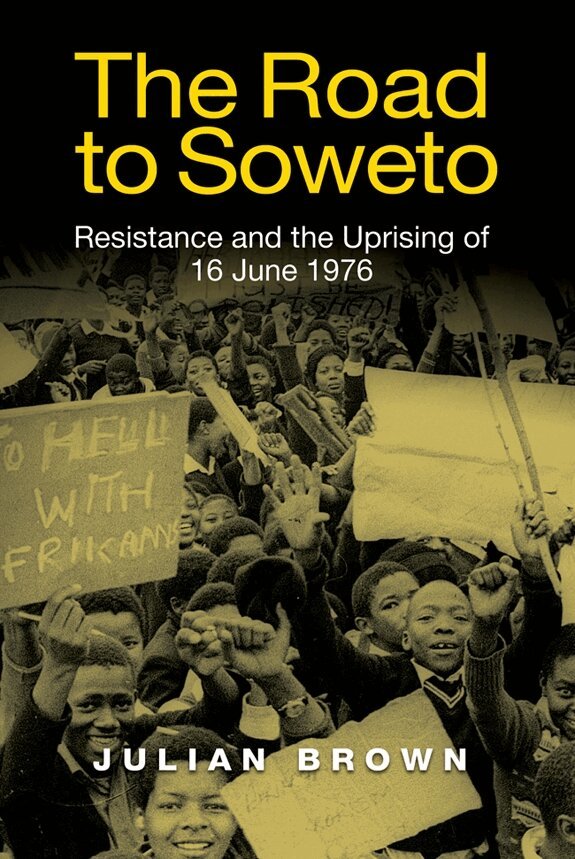
A new history of the 1976 Soweto Uprising and the events leading to it in the preceding decade, that will transform our understanding of the historical evolution of the struggle against apartheid.This revisionary account of the Soweto Uprising of June 1976 and the decade preceding it transforms our understanding of what led to this crucial flashpoint of South Africa's history. Brown argues that far from there being "quiescence" following the Sharpeville Massacre and the suppression of African opposition movements, during which they went underground, this period was marked by experiments in resistance and attempts to develop new forms of politics that prepared the ground for the Uprising. Students at South Africa's segregated universities began to re-organise themselves as a political force; new ideas about race reinvigorated political thought; debates around confrontation shaped the development of new forms of protest. The protest then began to move off university campuses and onto the streets: through the independent actions of workers in Durban, and attempts by students to link their struggles with a broader agenda. These actions made protest public once again, and helped establish the patterns of popular action and state response that would come to shape the events in Soweto on 16 June 1976.Julian Brown is a Lecturer in the Department of Political Studies at the University of the Witwatersrand, Johannesburg.Southern Africa (South Africa, Namibia, Lesotho, Swaziland & Botswana): Jacana'throws new light on the background to the Soweto Uprising, providing insight into white and black student politics, worker protest and broader dissent' - William Beinart, University of Oxford'an extremely important contribution to the historiography on protest in South Africa. It links black and white student protests (too often studied in isolation from one another) to workers' movements by looking at the changing forms of protest during the 1960s and 1970s, and the apartheid government's changing responses.' - Anne Heffernan, University of the Witwatersrand'By showing how the Soweto Uprising served as a precursor for later historical and political events, the author convincingly shows the continuity from one from one protest and decade to the next.' - Dawne Curry, University of Nebraska-Lincoln
345 kr
Skickas inom 7-10 vardagar
In-depth account of the Marikana massacre, based on the voices of the miners and their families themselves, from the build up to the strike to attempts to hold the state to account and its lasting significance.In August 2012 the South African police - at the encouragement of mining capital, and with the support of the political state - intervened to end a week-long strike at the Lonmin platinum mine in Marikana, in South Africa's NorthWest Province. On the afternoon of Thursday, 16 August, the police shot and killed 34 men. Hundreds more were injured, some shot as they fled. None posed a threat to any police officer. Recognised by many as an event of international significance in stories of global politics and labour relations, the perspectives of the miners has however been almost missing from published accounts. This book, for the first time, brings into focus the mens' lives - and deaths - telling the stories of those who embarked on the strike, those who were killed, and of the family members who have survived to fight for the memories of their loved ones. It places the strike in the context of South Africa's long history of racial and economic exclusion, explaining how the miners came to be in Marikana, how their lives were ordinarily lived, and the substance of their complaints. It shows how the strike developed from an initial gathering into a mass movement of more than 3,000 workers. It discusses the violence of the strike and explores the political context of the state's response, and the eagerness of the police to collaborate in suppressing the strike. Recounting the events of the massacre in unprecedented detail, the book sets out how each miner died and everything we know about the police operation. Finally, Brown traces the aftermath: the attempts of the families of the deceased to identify and bury their dead, and then the state's attempts to spin a narrative that placed all blame on the miners; the subsequent Commission of Inquiry - and its failure to resolve any real issues; and the solidarity politics that have emerged since.Southern Africa (South Africa, Namibia, Lesotho, Swaziland and Botswana): Jacana.