Justine Howe – författare
Visar alla böcker från författaren Justine Howe. Handla med fri frakt och snabb leverans.
6 produkter
6 produkter
1 147 kr
Skickas inom 5-8 vardagar
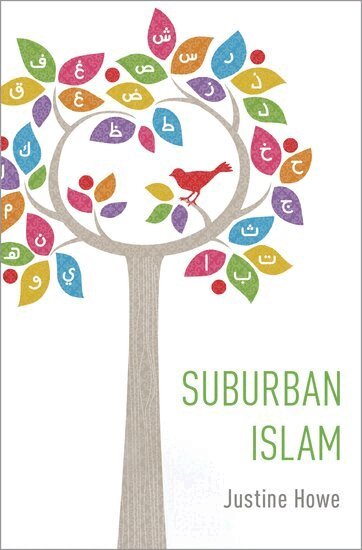
For many American Muslims, the 9/11 attacks and subsequent War on Terror marked a rise in intense scrutiny of their religious lives and political loyalties. In Suburban Islam, Justine Howe explores the rise of "third spaces," social surroundings that are neither home nor work, created by educated, middle-class American Muslims in the wake of increased marginalization. Third spaces provide them the context to challenge their exclusion from the American mainstream and to enact visions for American Islam different from those they encounter in their local mosques. One such third space is the Mohammed Alexander Russell Webb Foundation, a family-oriented Muslim institution in Chicago's suburbs. Howe uses Webb as a window into how Muslim American identity is formed through the interplay of communal interpretive practices, institutional rituals, and everyday life. The diverse Muslim families of the Webb Foundation have transformed hallmark secular suburbanite activities like going to the mall, going out on weeknights, or taking summer vacations, into acts of piety--rituals they describe as the enactment of "proper" American Muslim identity. Howe analyzes the relationship between these consumerist practices and the Webb Foundation's adult educational programs, through which participants critique what they call "cultural Islam." They envision creating an "indigenous" American Islam characterized by gender equality, reason, and pluralism. Through changing configurations of ethnicity, gender, and socioeconomic class, Webb participants imagine a "seamless identity" that marries their Muslim faith to an idealized vision of suburban middle-class America. Suburban Islam captures the fragile optimism of educated, cosmopolitan American Muslims during the Obama presidency, as they imagined a post-racial, pluralistic, and culturally resonant American Islam. Even as this vision aims to be more inclusive, it also reflects enduring inequalities of race, class, and gender.
400 kr
Skickas inom 5-8 vardagar
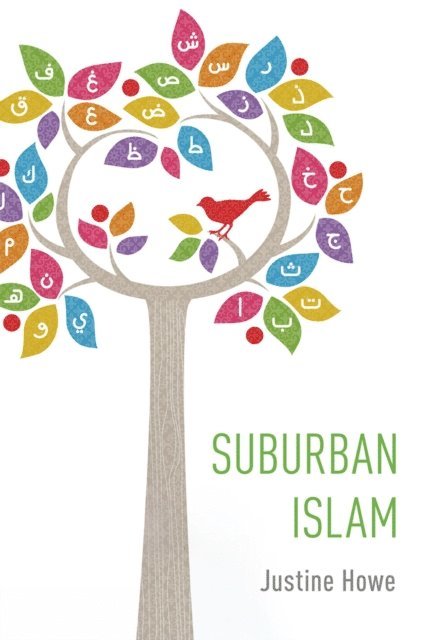
For many American Muslims, the 9/11 attacks and subsequent War on Terror marked a rise in intense scrutiny of their religious lives and political loyalties. In Suburban Islam, Justine Howe explores the rise of "third spaces," social surroundings that are neither home nor work, created by educated, middle-class American Muslims in the wake of increased marginalization. Third spaces provide them the context to challenge their exclusion from the American mainstream and to enact visions for American Islam different from those they encounter in their local mosques. One such third space is the Mohammed Alexander Russell Webb Foundation, a family-oriented Muslim institution in Chicago's suburbs. Howe uses Webb as a window into how Muslim American identity is formed through the interplay of communal interpretive practices, institutional rituals, and everyday life. The diverse Muslim families of the Webb Foundation have transformed hallmark secular suburbanite activities like football games, apple picking, and camping trips into acts of piety--rituals they describe as the enactment of "proper" American Muslim identity. Howe analyzes the relationship between these consumerist practices and the Webb Foundation's adult educational programs, through which participants critique what they call "cultural Islam." They envision creating an "indigenous" American Islam characterized by gender equality, reason, and pluralism. Through changing configurations of ethnicity, gender, and socioeconomic class, Webb participants imagine a "seamless identity" that marries their Muslim faith to an idealized vision of suburban middle-class America. Suburban Islam captures the fragile optimism of educated, cosmopolitan American Muslims during the Obama presidency, as they imagined a post-racial, pluralistic, and culturally resonant American Islam. Even as this vision aims to be more inclusive, it also reflects enduring inequalities of race, class, and gender.
686 kr
Skickas inom 10-15 vardagar
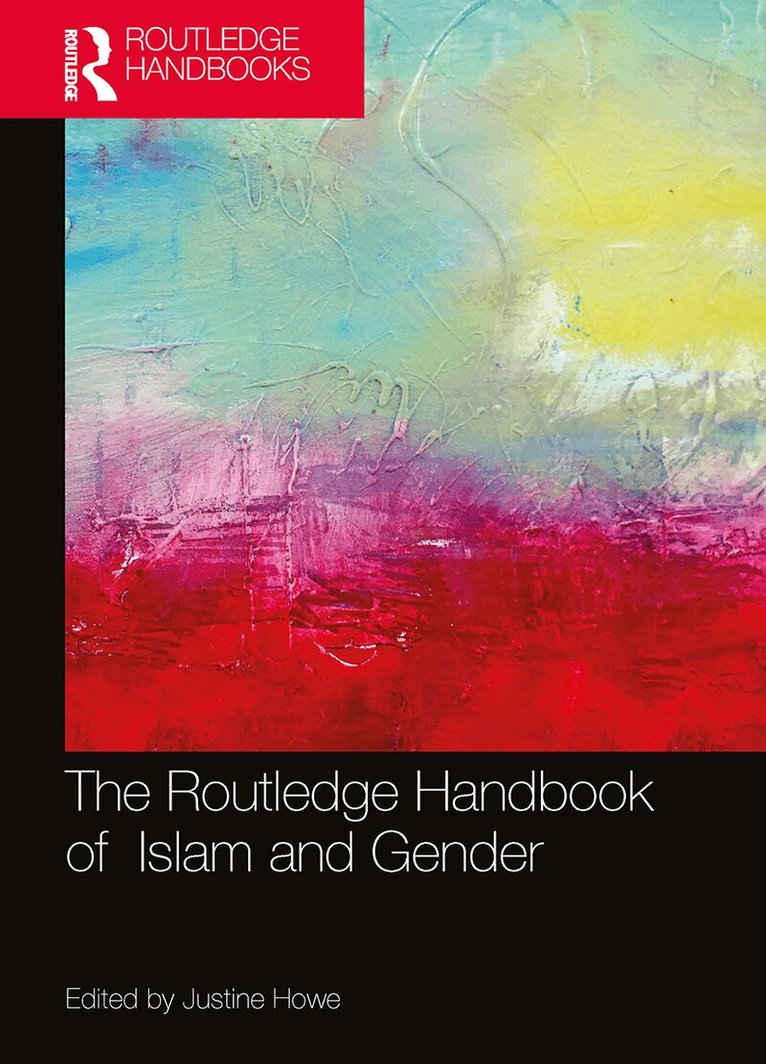
Given the intense political scrutiny of Islam and Muslims, which often centres on gendered concerns, The Routledge Handbook of Islam and Gender is an outstanding reference source to key topics, problems, and debates in this exciting subject. Comprising over 30 chapters by a team of international contributors the Handbook is divided into seven parts: Foundational texts in historical and contemporary contexts Sex, sexuality, and gender difference Gendered piety and authority Political and religious displacements Negotiating law, ethics, and normativity Vulnerability, care, and violence in Muslim families Representation, commodification, and popular cultureThese sections examine key debates and problems, including: feminist and queer approaches to the Qur’an, hadith, Islamic law, and ethics, Sufism, devotional practice, pilgrimage, charity, female religious authority, global politics of feminism, material and consumer culture, masculinity, fertility and the family, sexuality, sexual rights, domestic violence, marriage practices, and gendered representations of Muslims in film and media. The Routledge Handbook of Islam and Gender is essential reading for students and researchers in religious studies, Islamic studies, and gender studies. The Handbook will also be very useful for those in related fields, such as cultural studies, area studies, sociology, anthropology, and history.
331 kr
Kommande
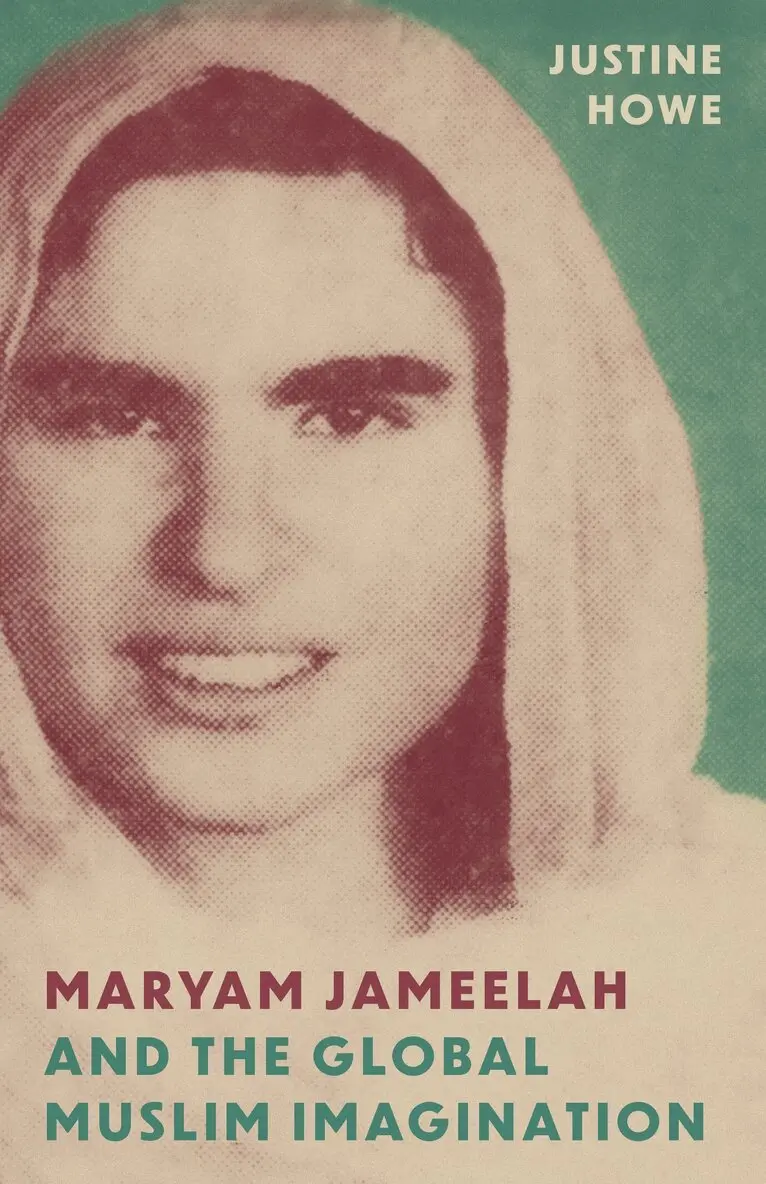
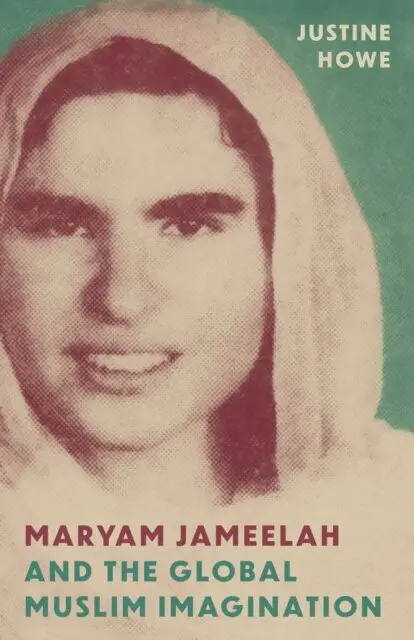
The life and work of an American Jewish convert to Islam who became a leading voice of the global Islamic Revival, explored through the lens of emotion in transnational religious identityMaryam Jameelah (1934–2012)—born Margaret Marcus in White Plains, New York—followed an unlikely journey, from comfortable suburban childhood to influential voice of the twentieth-century global Islamic Revival. Jameelah’s more than twenty books and pamphlets, translated into a dozen languages, were notable for their unrelenting critique of modernity and arguments for the superiority of Islam in opposition to the West. In this exploration of her like and work, Justine Howe shows how Jameelah harnessed negative emotions— what Howe calls an “antimodern affect”—to call attention to what she saw as the catastrophes wrought by materialism and secularism. For Jameelah, galvanizing these emotions formed the basis of global Muslim solidarity that could be mobilized for a reinvigorated Islamic future.Tracing Jameelah’s successive incarnations—from Reform Jew to highly mobile spiritual seeker and finally to fervent Muslim polemicist—Howe analyzes how women, gender, and family became the central nodes of Jameelah’s vision. Projecting herself as an embodiment of Muslim femininity as she pursued a career as a public intellectual, Jameelah subverted the very boundaries and prescriptions she sought to impose on others. Howe’s exploration of the multivalent threads that animated Jameelah’s religious imagination reveals unexpected entanglements of American Judaism, global Islam, feminism, and anticolonialism.
1 095 kr
Kommande
The life and work of an American Jewish convert to Islam who became a leading voice of the global Islamic Revival, explored through the lens of emotion in transnational religious identityMaryam Jameelah (1934–2012)—born Margaret Marcus in White Plains, New York—followed an unlikely journey, from comfortable suburban childhood to influential voice of the twentieth-century global Islamic Revival. Jameelah’s more than twenty books and pamphlets, translated into a dozen languages, were notable for their unrelenting critique of modernity and arguments for the superiority of Islam in opposition to the West. In this exploration of her like and work, Justine Howe shows how Jameelah harnessed negative emotions— what Howe calls an “antimodern affect”—to call attention to what she saw as the catastrophes wrought by materialism and secularism. For Jameelah, galvanizing these emotions formed the basis of global Muslim solidarity that could be mobilized for a reinvigorated Islamic future.Tracing Jameelah’s successive incarnations—from Reform Jew to highly mobile spiritual seeker and finally to fervent Muslim polemicist—Howe analyzes how women, gender, and family became the central nodes of Jameelah’s vision. Projecting herself as an embodiment of Muslim femininity as she pursued a career as a public intellectual, Jameelah subverted the very boundaries and prescriptions she sought to impose on others. Howe’s exploration of the multivalent threads that animated Jameelah’s religious imagination reveals unexpected entanglements of American Judaism, global Islam, feminism, and anticolonialism.
3 200 kr
Skickas inom 10-15 vardagar
Given the intense political scrutiny of Islam and Muslims, which often centres on gendered concerns, The Routledge Handbook of Islam and Gender is an outstanding reference source to key topics, problems, and debates in this exciting subject. Comprising over 30 chapters by a team of international contributors the Handbook is divided into seven parts: Foundational texts in historical and contemporary contexts Sex, sexuality, and gender difference Gendered piety and authority Political and religious displacements Negotiating law, ethics, and normativity Vulnerability, care, and violence in Muslim families Representation, commodification, and popular cultureThese sections examine key debates and problems, including: feminist and queer approaches to the Qur’an, hadith, Islamic law, and ethics, Sufism, devotional practice, pilgrimage, charity, female religious authority, global politics of feminism, material and consumer culture, masculinity, fertility and the family, sexuality, sexual rights, domestic violence, marriage practices, and gendered representations of Muslims in film and media. The Routledge Handbook of Islam and Gender is essential reading for students and researchers in religious studies, Islamic studies, and gender studies. The Handbook will also be very useful for those in related fields, such as cultural studies, area studies, sociology, anthropology, and history.