K. Tsianina Lomawaima - Böcker
Visar alla böcker från författaren K. Tsianina Lomawaima. Handla med fri frakt och snabb leverans.
4 produkter
4 produkter
212 kr
Skickas inom 10-15 vardagar
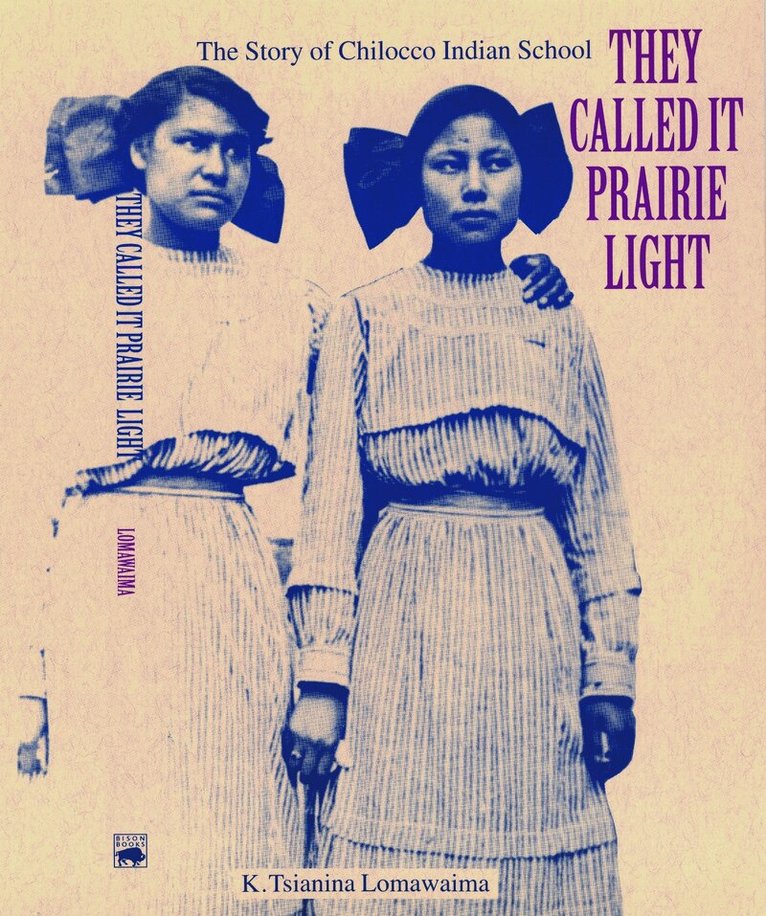
Established in 1884 and operative for nearly a century, the Chilocco Indian School in Oklahoma was one of a series of off-reservation boarding schools intended to assimilate American Indian children into mainstream American life. Critics have characterized the schools as destroyers of Indian communities and cultures, but the reality that K. Tsianina Lomawaima discloses was much more complex. Lomawaima allows the Chilocco students to speak for themselves. In recollections juxtaposed against the official records of racist ideology and repressive practice, students from the 1920s and 1930s recall their loneliness and demoralization but also remember with pride the love and mutual support binding them together—the forging of new pan-Indian identities and reinforcement of old tribal ones.
288 kr
Skickas inom 10-15 vardagar
In the early 1970s, the federal government began recognizing self-determination for American Indian nations. As sovereign entities, Indian nations have been able to establish policies concerning health care, education, religious freedom, law enforcement, gaming, and taxation. Yet these gains have not gone unchallenged. Starting in the late 1980s, states have tried to regulate and profit from casino gambling on Indian lands. Treaty rights to hunt, fish, and gather remain hotly contested, and traditional religious practices have been denied protection. Tribal courts struggle with state and federal courts for jurisdiction. David E. Wilkins and K. Tsianina Lomawaima discuss how the political rights and sovereign status of Indian nations have variously been respected, ignored, terminated, and unilaterally modified by federal lawmakers as a result of the ambivalent political and legal status of tribes under western law.
To Remain an Indian
Lessons in Democracy from a Century of Native American Education
Häftad, Engelska, 2024
493 kr
Skickas inom 7-10 vardagar
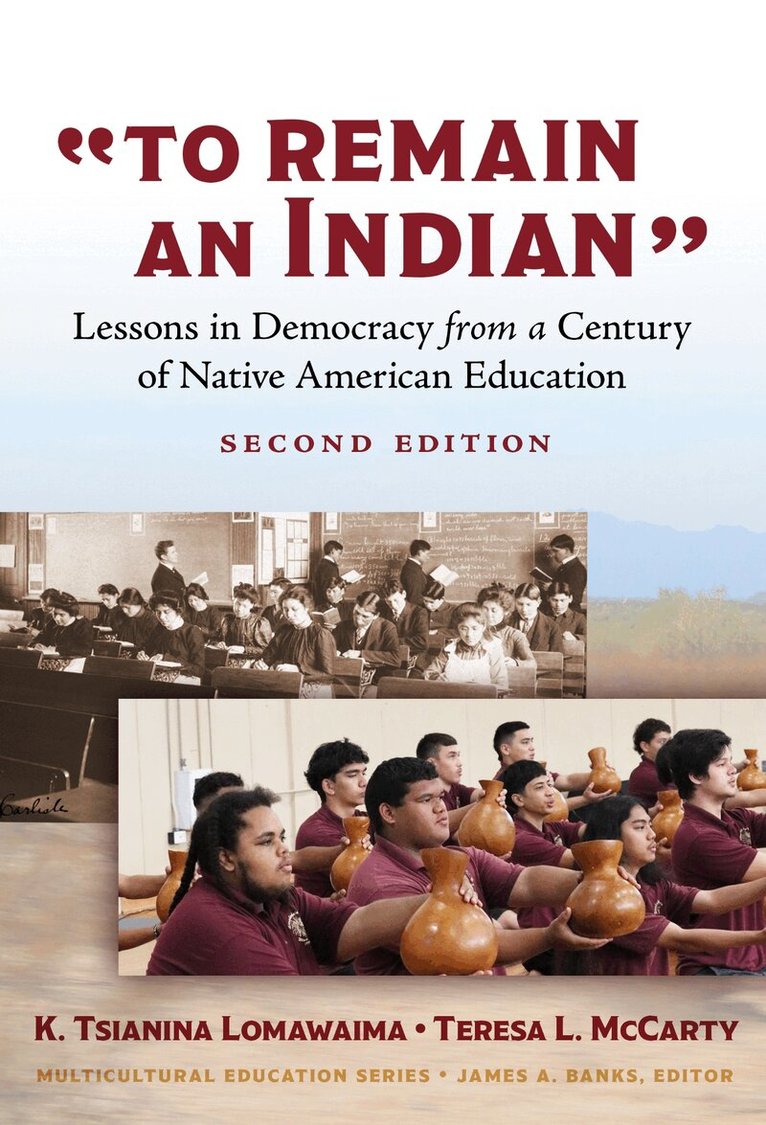
"To Remain an Indian" traces the footprints of Indigenous education in what is now the United States. Native Peoples' educational systems are rooted in ways of knowing and being that have endured for millennia, despite the imposition of colonial schooling. In this second edition, the authors amplify their theoretical framework of settler colonial Safety Zones by adding Indigenous Sovereignty Zones. Safety Zones are designed to break Indigenous relationships and impose relations of domination while Sovereignty Zones foster Indigenous growth, nurture relationships, and support life. This fascinating portrait of Native American education highlights the genealogy of relationships across Peoples, places, and education initiatives in the 20th and 21st centuries. New scholarship re-evaluates early 20th-century "reforms" as less an endorsement of Indigenous self-determination and more a continuation of federal control. The text includes personal narratives from program architects and examines Indigenous language, culture, and education resurgence movements that reckon with the coloniality of U.S. schooling.Book Features:Enriched theoretical framework contrasting settler colonial Safety Zones designed to control with Indigenous Sovereignty Zones designed to nurture Indigenous futures.The voices of activists and educators who are linked together in a genealogy of Indigenous educational self-determination. Developments in Indigenous schooling contextualized within the Piper v. Big Pine and Brown v. Board desegregation cases.Empirically updated case studies of ongoing language, culture, and education resurgence movements.Recent scholarship highlighting Progressive Era continuities in federal powers over Native Peoples and the impact of the 1924 Indian Citizenship Act.Visual imagery, including historic and contemporary photos of people and programs, curricular materials, and schools.
To Remain an Indian
Lessons in Democracy from a Century of Native American Education
Inbunden, Engelska, 2024
1 464 kr
Skickas inom 7-10 vardagar
"To Remain an Indian" traces the footprints of Indigenous education in what is now the United States. Native Peoples' educational systems are rooted in ways of knowing and being that have endured for millennia, despite the imposition of colonial schooling. In this second edition, the authors amplify their theoretical framework of settler colonial Safety Zones by adding Indigenous Sovereignty Zones. Safety Zones are designed to break Indigenous relationships and impose relations of domination while Sovereignty Zones foster Indigenous growth, nurture relationships, and support life. This fascinating portrait of Native American education highlights the genealogy of relationships across Peoples, places, and education initiatives in the 20th and 21st centuries. New scholarship re-evaluates early 20th-century "reforms" as less an endorsement of Indigenous self-determination and more a continuation of federal control. The text includes personal narratives from program architects and examines Indigenous language, culture, and education resurgence movements that reckon with the coloniality of U.S. schooling.Book Features:Enriched theoretical framework contrasting settler colonial Safety Zones designed to control with Indigenous Sovereignty Zones designed to nurture Indigenous futures.The voices of activists and educators who are linked together in a genealogy of Indigenous educational self-determination. Developments in Indigenous schooling contextualized within the Piper v. Big Pine and Brown v. Board desegregation cases.Empirically updated case studies of ongoing language, culture, and education resurgence movements.Recent scholarship highlighting Progressive Era continuities in federal powers over Native Peoples and the impact of the 1924 Indian Citizenship Act.Visual imagery, including historic and contemporary photos of people and programs, curricular materials, and schools.