Kamari Maxine Clarke – författare
Visar alla böcker från författaren Kamari Maxine Clarke. Handla med fri frakt och snabb leverans.
11 produkter
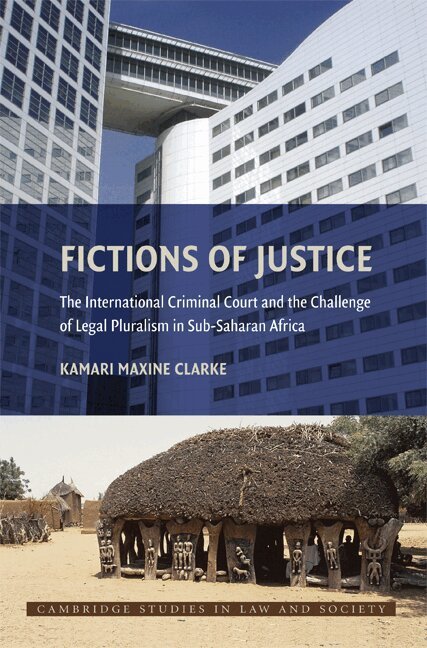
Fictions of Justice
The International Criminal Court and the Challenge of Legal Pluralism in Sub-Saharan Africa
Häftad, 2009
523 kr
Lägg i varukorg
By taking up the challenge of documenting how human rights values are embedded in rule of law movements to produce a new language of international justice that competes with a range of other formations, this book explores how notions of justice are negotiated through everyday micropractices and …
Fictions of Justice
The International Criminal Court and the Challenge of Legal Pluralism in Sub-Saharan Africa
Inbunden, 2009
879 kr
Lägg i varukorg
By taking up the challenge of documenting how human rights values are embedded in rule of law movements to produce a new language of international justice that competes with a range of other formations, this book explores how notions of justice are negotiated through everyday micropractices and …
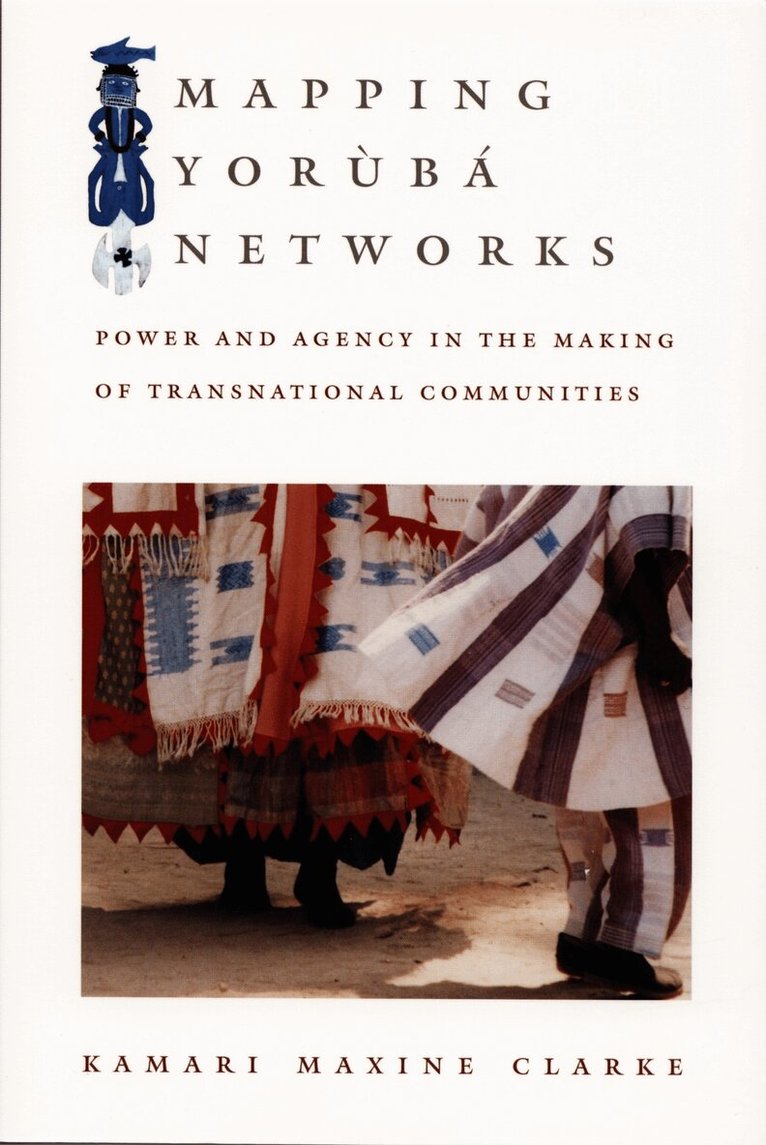
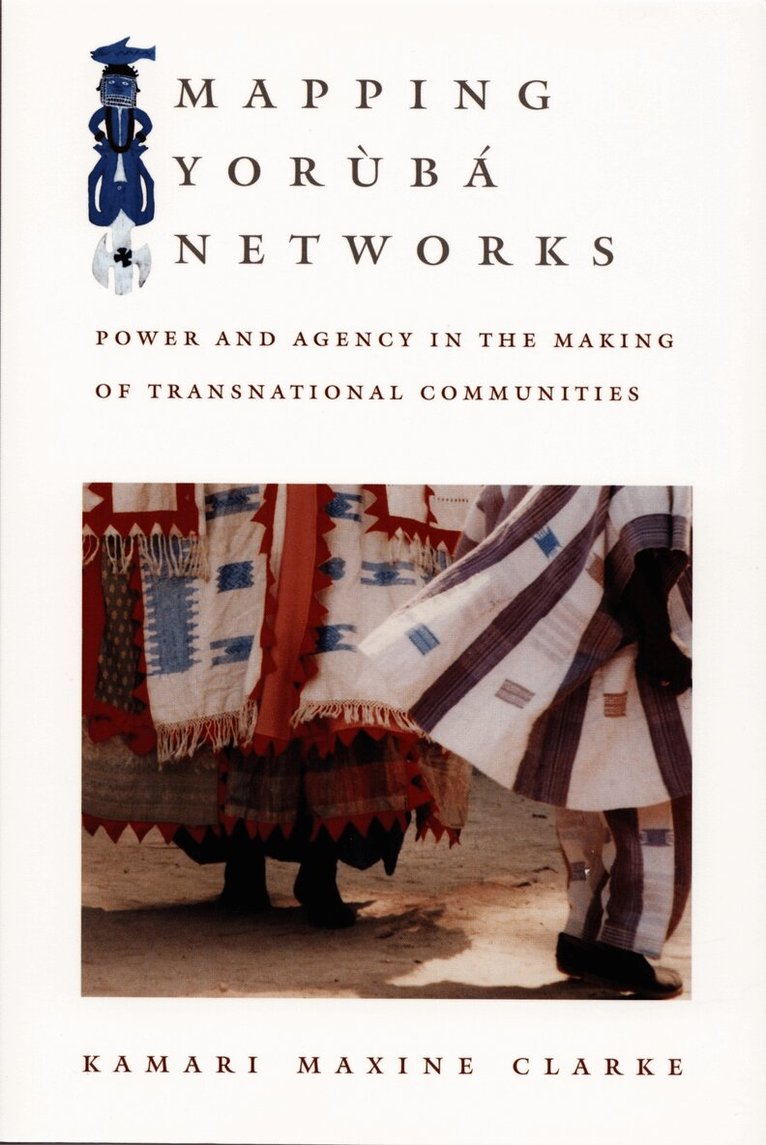
Mapping Yorùbá Networks
Power and Agency in the Making of Transnational Communities
Inbunden, 2004
1804 kr
Lägg i varukorg
Three flags fly in the palace courtyard of ÒyÓtÚnjÍ African Village. One represents black American emancipation from slavery, one black nationalism, and the third the establishment of an ancient YorÙbÁ Empire in the state of South Carolina. Located sixty-five miles southwest of Charleston, ÒyÓtÚnjÍ …
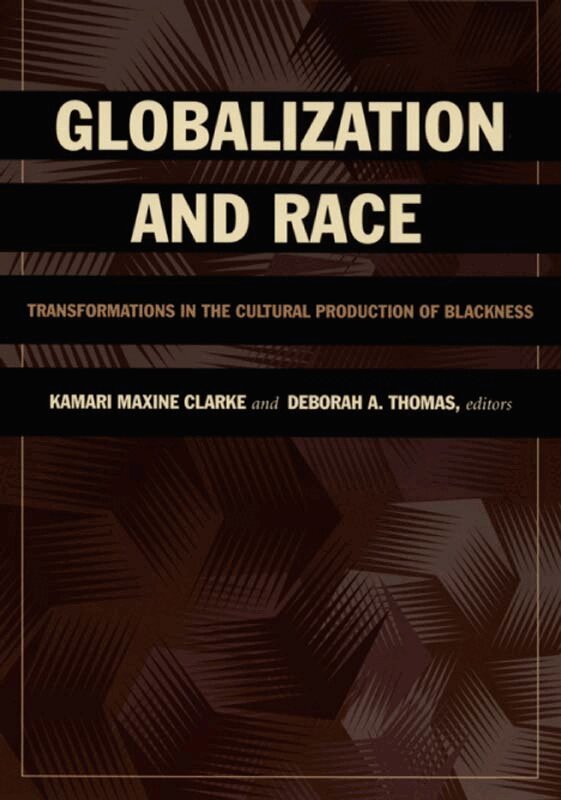
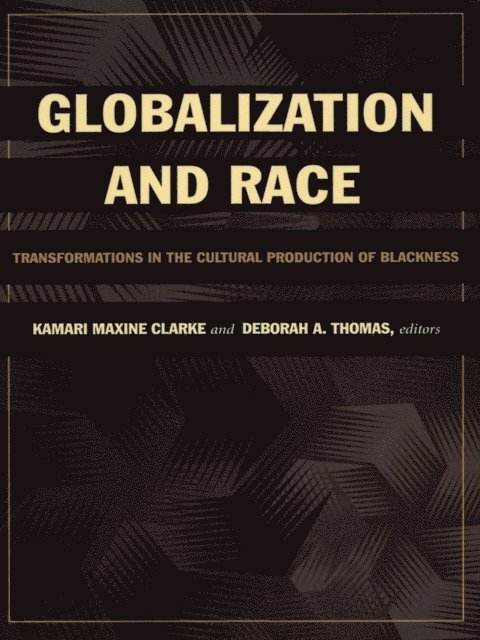
Globalization and Race
Transformations in the Cultural Production of Blackness
Av Kamari Maxine Clarke, Deborah A. Thomas
Häftad, 2006
521 kr
Lägg i varukorg
Kamari Maxine Clarke and Deborah A. Thomas argue that a firm grasp of globalization requires an understanding of how race has constituted, and been constituted by, global transformations. Focusing attention on race as an analytic category, this state-of-the-art collection of essays explores the …
Mapping Yoruba Networks
Power and Agency in the Making of Transnational Communities
E-bok, 2004
505 kr
Lägg i varukorg
Three flags fly in the palace courtyard of Òyótúnjí African Village. One represents black American emancipation from slavery, one black nationalism, and the third the establishment of an ancient Yorùbá Empire in the state of South Carolina. Located sixty-five miles southwest of Charleston, Òyótúnjí …
Globalization and Race
Transformations in the Cultural Production of Blackness
Av Deborah A. Thomas, Kamari Maxine Clarke
E-bok, 2006
521 kr
Lägg i varukorg
Kamari Maxine Clarke and Deborah A. Thomas argue that a firm grasp of globalization requires an understanding of how race has constituted, and been constituted by, global transformations. Focusing attention on race as an analytic category, this state-of-the-art collection of essays explores the …
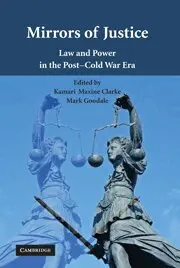
Mirrors of Justice
Law and Power in the Post-Cold War Era
Av Kamari Maxine Clarke, Mark Goodale
Häftad, 2014
600 kr
Lägg i varukorg
Mirrors of Justice is a groundbreaking study of the meanings of and possibilities for justice in the contemporary world. The book brings together a group of both prominent and emerging scholars to reconsider the relationships between justice, international law, culture, power, and history through …
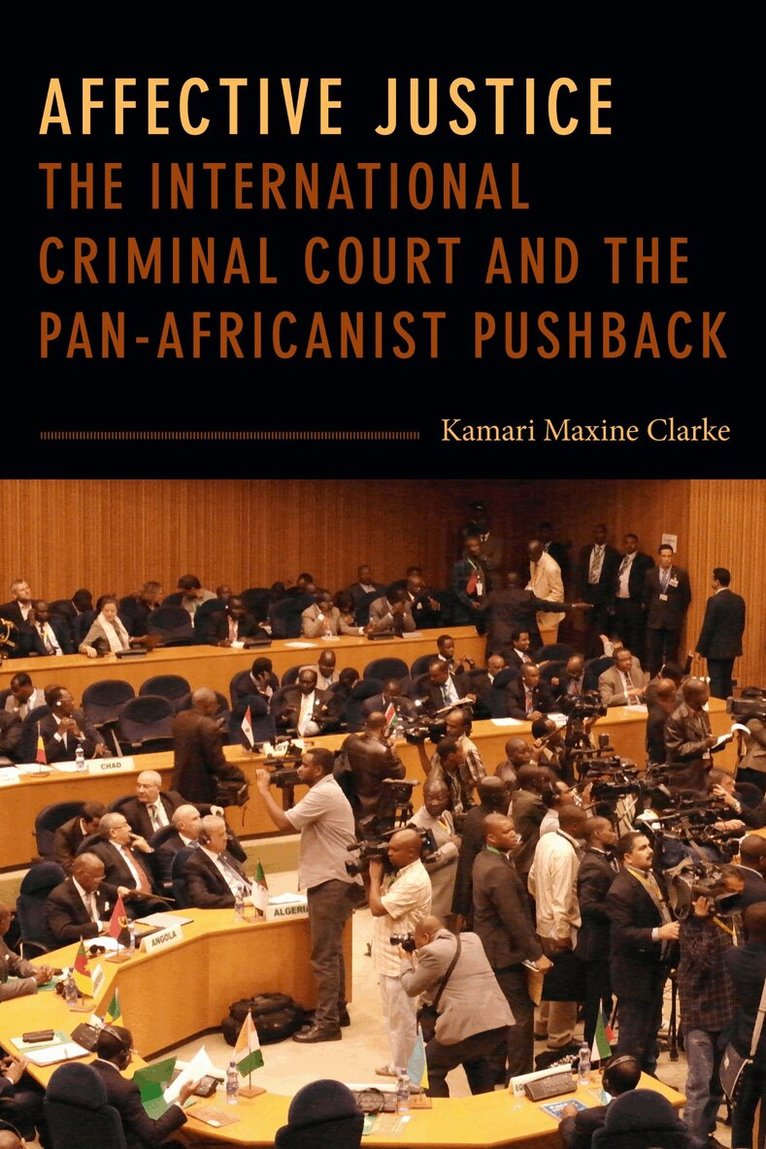
Affective Justice
The International Criminal Court and the Pan-Africanist Pushback
Inbunden, 2019
1649 kr
Lägg i varukorg
Since its inception in 2001, the International Criminal Court (ICC) has been met with resistance by various African states and their leaders, who see the court as a new iteration of colonial violence and control. In Affective Justice Kamari Maxine Clarke explores the African Union's pushback …
Affective Justice
The International Criminal Court and the Pan-Africanist Pushback
Häftad, 2019
396 kr
Lägg i varukorg
Since its inception in 2001, the International Criminal Court (ICC) has been met with resistance by various African states and their leaders, who see the court as a new iteration of colonial violence and control. In Affective Justice Kamari Maxine Clarke explores the African Union's pushback …
Mapping Yorùbá Networks
Power and Agency in the Making of Transnational Communities
Häftad, 2004
342 kr
Tillfälligt slut
Three flags fly in the palace courtyard of ÒyÓtÚnjÍ African Village. One represents black American emancipation from slavery, one black nationalism, and the third the establishment of an ancient YorÙbÁ Empire in the state of South Carolina. Located sixty-five miles southwest of Charleston, ÒyÓtÚnjÍ …
Globalization and Race
Transformations in the Cultural Production of Blackness
Av Kamari Maxine Clarke, Deborah A. Thomas
Inbunden, 2006
1346 kr
Tillfälligt slut
Kamari Maxine Clarke and Deborah A. Thomas argue that a firm grasp of globalization requires an understanding of how race has constituted, and been constituted by, global transformations. Focusing attention on race as an analytic category, this state-of-the-art collection of essays explores the …