Kamo no Chōmei – författare
Visar alla böcker från författaren Kamo no Chōmei. Handla med fri frakt och snabb leverans.
11 produkter
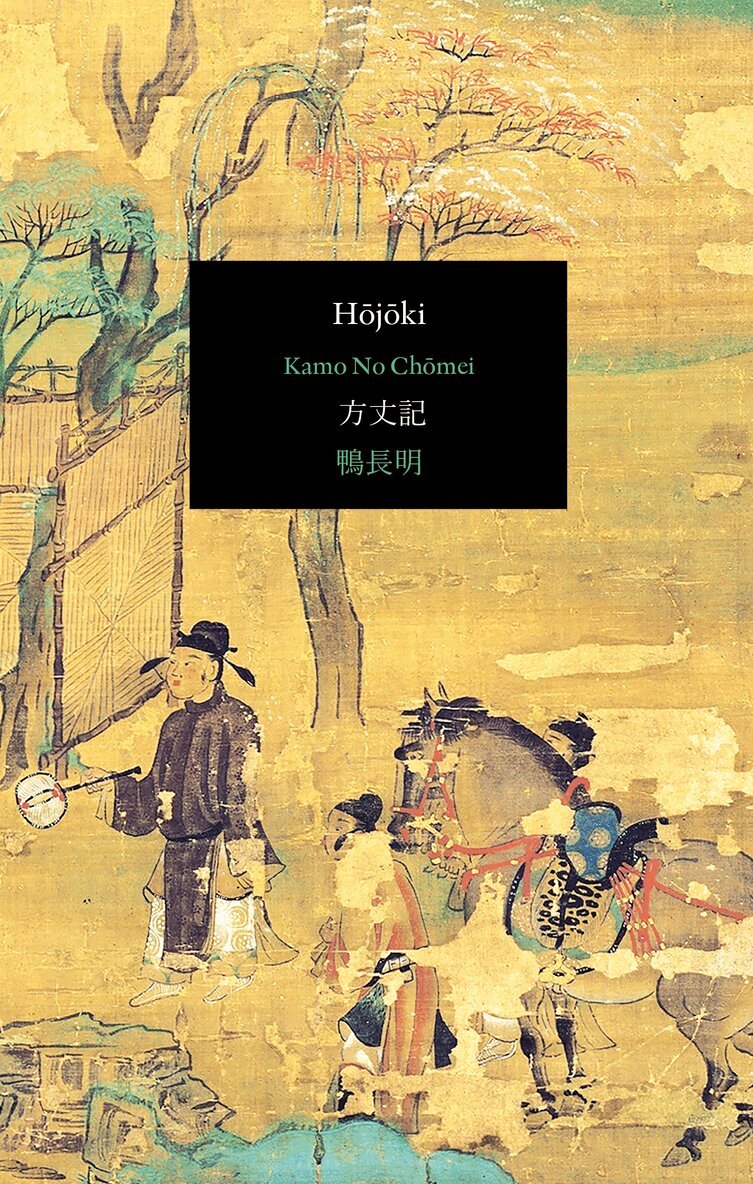
Hōjōki. Anteckningar från en eremitstuga
Häftad, 2025
4,0 utav 5 stjärnor. Totalt antal röster: (1)
224 kr
Lägg i varukorg
Kamo No Chōmei (1155–1216) var en japansk författare och buddhistmunk. Han växte upp i en privilegierad miljö men kom med tiden att förlora sin ställning. I stället för att tävla om positioner och inflytande förkovrade han sig i poesi och musik, och sedan han 1204 avlagt sina munklöften valde han …
Three Japanese Buddhist Monks
Av Saigyo, Kamo no Chomei m. fl.
Häftad, 2020
98 kr
Lägg i varukorg
'I have relinquished all that ties me to the world, but the one thing that still haunts me is the beauty of the sky'These simple, inspiring writings by three medieval Buddhist monks offer peace and wisdom amid the world's uncertainties, and are an invitation to relinquish earthly desires and …
Three Japanese Buddhist Monks
Av Saigyo, Kamo no Chomei m. fl.
E-bok, 2020
62 kr
Lägg i varukorg
'I have relinquished all that ties me to the world, but the one thing that still haunts me is the beauty of the sky'These simple, inspiring writings by three medieval Buddhist monks offer peace and wisdom amid the world's uncertainties, and are an invitation to relinquish earthly desires and …
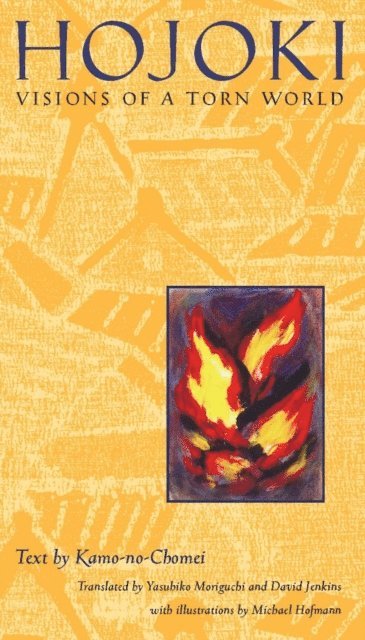
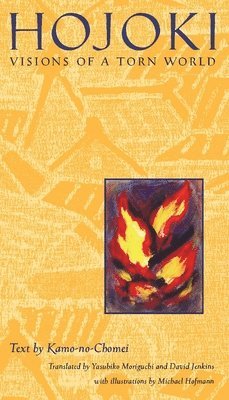
Hojoki
Visions of a Torn World
E-bok, 1998
193 kr
Lägg i varukorg
A luminous translation of the classic Buddhist poem
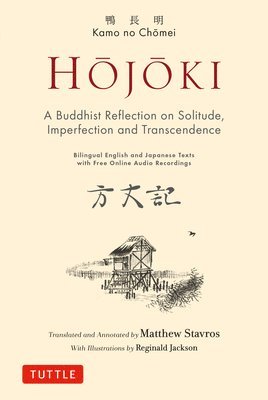
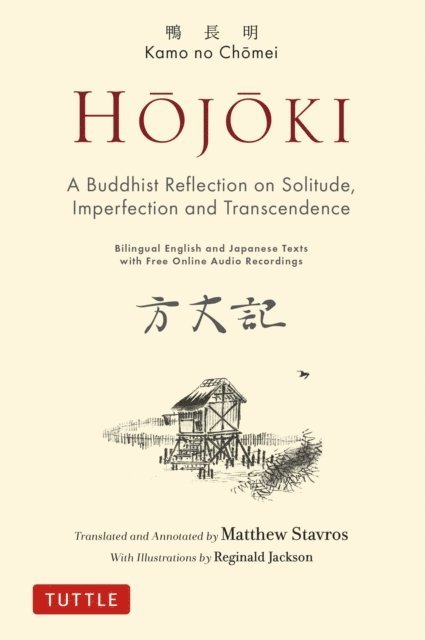
Hojoki: A Buddhist Reflection on Solitude
Imperfection and Transcendence - Bilingual English and Japanese Texts with Free Online Audio Recordings
Inbunden, 2024
169 kr
Lägg i varukorg
Discover the tranquil wisdom of Chomei's 13th-century masterpiece, Hojoki, as it unveils the beauty of imperfection and the serenity of a simple life amidst the chaos of existence.Hojoki is an introspective poem written in the 13th century by the enigmatic Japanese hermit Kamo no Chomei, who as a …
Hojoki: A Buddhist Reflection on Solitude
Imperfection and Transcendence - Bilingual English and Japanese Texts with Free Online Audio Recordings
E-bok, 2024
259 kr
Lägg i varukorg
Discover the tranquil wisdom of Chomei''s 13th-century masterpiece, Hojoki , as it unveils the beauty of imperfection and the serenity of a simple life amidst the chaos of existence. Hojoki is an introspective poem written in the 13th century by the enigmatic Japanese hermit Kamo no Chomei, who as …
Hojoki
Visions of a Torn World
Häftad, 1998
144 kr
Lägg i varukorg
Japan's capital city of Kyoto was devastated by earthquake, storm, and fire in the late 12th century. Retreating from "this unkind world," the poet and Buddhist priest Kamo-no-Chomei left the capital for the forested mountains, where he eventually constructed his famous "ten-foot-square" hut. From …
Hōjōki
Pensamientos desde mi Cabaña
E-bok, 2023
39 kr
Lägg i varukorg
"Hōjōki" (Pensamientos desde mi Cabaña) fue escrita alrededor del año 1212. Este ensayo es una reflexión sobre la naturaleza efímera de la vida humana y la impermanencia del mundo. Chōmei narra su propia experiencia de vivir en una cabaña aislada en las afueras de Kyoto, alejado de la sociedad y …