Karen-edis Barzman – författare
Visar alla böcker från författaren Karen-edis Barzman. Handla med fri frakt och snabb leverans.
2 produkter
2 produkter
1 005 kr
Skickas inom 7-10 vardagar
This title examines the academic, confraternal, and guild practices of artists in Florence over a period of two hundred years, from the mid-sixteenth to the mid-eighteenth century. Based on archival sources, many of which are published here for the first time, it provides a detailed study of the pedagogy in the institution's school, and also focuses on the public dimension of artists' lives - the performance of corporate charity, devotion, and juridical authority, as well as academic exercises, intellectual exchange, and the development of fora within which dilettantes could display their wealth and demonstrate their erudition. Covering the history of the Academy under Medici rule, and examining production, reception and patronage associated with the concept disegno, this study links changes in artistic practice to shifts in the political fortunes of the Tuscan Grand Dukes.
Del 7 - Art and Material Culture in Medieval and Renaissance Europe
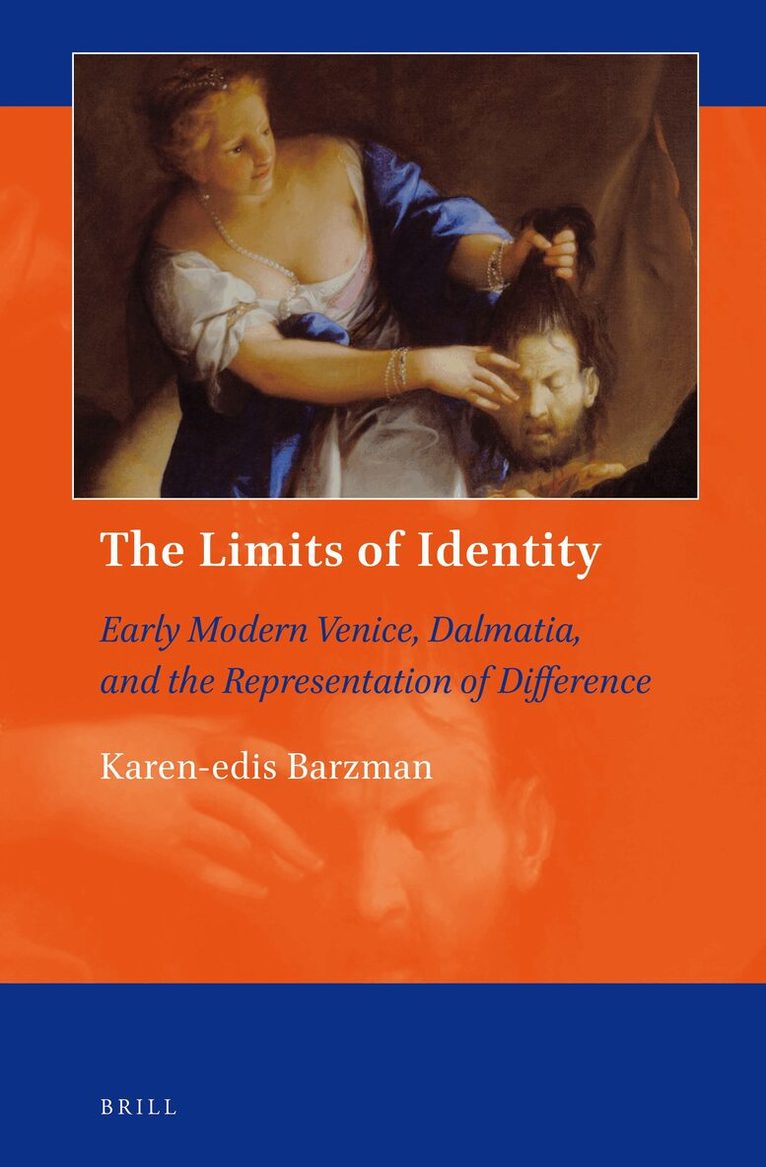
Limits of Identity: Early Modern Venice, Dalmatia, and the Representation of Difference
Inbunden, Engelska, 2017
2 580 kr
Skickas inom 5-8 vardagar
This book considers the production of collective identity in Venice (Christian, civic-minded, anti-tyrannical), which turned on distinctions drawn in various fields of representation from painting, sculpture, print, and performance to classified correspondence. Dismemberment and decapitation bore a heavy burden in this regard, given as indices of an arbitrary violence ascribed to Venice’s long-time adversary, “the infidel Turk.” The book also addresses the recuperation of violence in Venetian discourse about maintaining civic order and waging crusade. Finally, it examines mobile populations operating in the porous limits between Venetian Dalmatia and Ottoman Bosnia and the distinctions they disrupted between “Venetian” and “Turk” until their settlement on farmland of the Venetian state. This occurred in the eighteenth century with the closing of the borderlands, thresholds of difference against which early modern “Venetian-ness” was repeatedly measured and affirmed.