• Fri frakt över 249 kr
  • •
  • Snabba leveranser
  • •
  • Billiga böcker
Kundservice

Du är på sajten för privatpersoner.

Företag, bibliotek eller offentlig verksamhet?

Du handlar på classic.bokus.com, där alla dina funktioner finns intakta.
Till classic.bokus.com
Bokus logotyp. Gå till startsidan.
  • Erbjudanden
  • Nyheter
  • Student
  • Topplistor
  • Barn & ungdom
  • Bokus Play
  • E-böcker
  • Pocketböcker
  • Spel & pussel

10% studentrabatt med kod TERM26

Sidfot

Mina sidor

    Hjälp

    • Kundservice
    • Vanliga frågor och svar
    • Frakt och leverans
    • Retur vid ångerrätt
    • Reklamera vara
    • Betalning
    • Köpvillkor
    • Allmänna villkor
    • Information om webbplatsens tillgänglighet

    Om Bokus

    • Om oss
    • Pressrum
    • För studenter
    • För företag
    • För bibliotek och offentlig verksamhet
    • För leverantörer
    • Hållbarhet

    Populärt

    • Aktuella erbjudanden
    • Presentkort
    • Studentlitteratur
    • Nya böcker
    • Topplistor
    • Signerade böcker
    • Engelska böcker

    Inspiration

    • Boktips
    • BookTok
    • Populära bokserier
    • Barnbokskaraktärer
    • Populära författare
    Logotyp för Bokus
    Följ oss på Facebook (extern länk)Följ oss på Instagram (extern länk)Följ oss på YouTube (extern länk)Följ oss på TikTok (extern länk)
    bokus @ CookiesAnpassa cookiesIntegritetspolicyKöpvillkor
    Till Citymail hemsida (extern länk)Till Budbee hemsida (extern länk)Till Postnord hemsida (extern länk)Till Schenker hemsida (extern länk)Till Early Bird hemsida (extern länk)Till Walleys hemsida (extern länk)
    1. Historia och arkeologi
    2. Historia
    3. Historia: särskilda händelser och ämnen
    4. Socialhistoria och kulturhistoria

    Limits of Identity: Early Modern Venice, Dalmatia, and the Representation of Difference

    AvKaren-edis Barzman

    Inbunden, Engelska, 2017

    Del 7 i serien Art and Material Culture in Medieval and Renaissance Europe

    2 628 kr

    Beställningsvara. Skickas inom 5-8 vardagar. Fri frakt över 249 kr.

    Beskrivning

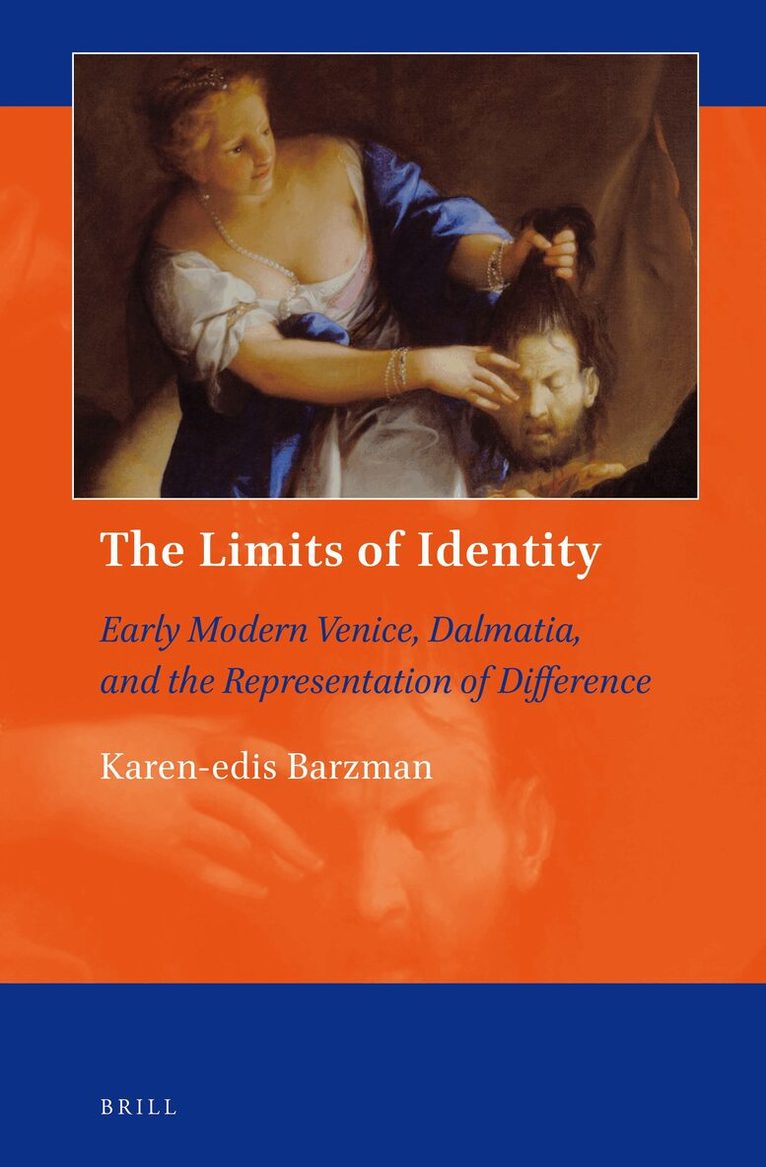
    This book considers the production of collective identity in Venice (Christian, civic-minded, anti-tyrannical), which turned on distinctions drawn in various fields of representation from painting, sculpture, print, and performance to classified correspondence. Dismemberment and decapitation bore a heavy burden in this regard, given as indices of an arbitrary violence ascribed to Venice’s long-time adversary, “the infidel Turk.” The book also addresses the recuperation of violence in Venetian discourse about maintaining civic order and waging crusade. Finally, it examines mobile populations operating in the porous limits between Venetian Dalmatia and Ottoman Bosnia and the distinctions they disrupted between “Venetian” and “Turk” until their settlement on farmland of the Venetian state. This occurred in the eighteenth century with the closing of the borderlands, thresholds of difference against which early modern “Venetian-ness” was repeatedly measured and affirmed.

    Produktinformation

    • Utgivningsdatum:2017-05-15
    • Mått:155 x 235 x 27 mm
    • Vikt:765 g
    • Format:Inbunden
    • Språk:Engelska
    • Serie:Art and Material Culture in Medieval and Renaissance Europe
    • Antal sidor:372
    • Förlag:Brill
    • ISBN:9789004331501

    Utforska kategorier

    • Socialhistoria och kulturhistoria inom Historia och arkeologi
    • Europas historia inom Historia och arkeologi

    Mer om författaren

    Karen-edis Barzman, Ph.D. (Johns Hopkins University, 1986), is Associate Professor of Art History at Binghamton University. Her work addresses the way subjects are caught in fields of linguistic, visual, and spatial culture by the performative aspects of self and community.

    Recensioner i media

    "Inspired by the work of Benedict Anderson, Barzman undertakes an interdiscplinary study of Veneitan identity, venezianita. A central question of the book is "did 'Venetian-ness' extend to the limits of this dispersed, trans-regional state, particularly its limits to the east where it bordered the Ottoman Empire"(2)? Barzman explores this qustion in five chapters [...] All five chapters are meticulously researched and footnoted, and Brill is to be complemented for producing such a wonderfully illustrated volume. Barzman's interdiscplinary work points to the complexity of Venetian identity and the important role of the Adriatic coast and Dalmatian territories in shaping that identity." David D'Andrea, in Sixteenth Century Journal, XLIX (2018).