Karen Fiss - Böcker
Visar alla böcker från författaren Karen Fiss. Handla med fri frakt och snabb leverans.
2 produkter
2 produkter
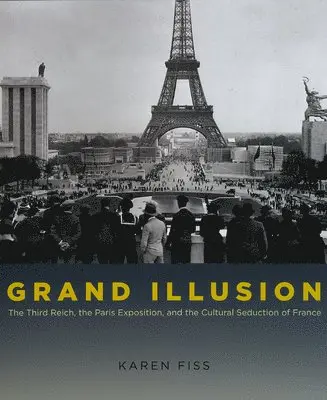
Grand Illusion – The Third Reich, the Paris Exposition, and the Cultural Seduction of France
Häftad, Engelska, 2010
821 kr
Skickas inom 3-6 vardagar
Franco-German cultural exchange reached its height at the 1937 Paris World's Fair, where the Third Reich worked to promote an illusion of friendship between the two countries. Through the prism of this decisive event, "Grand Illusion" examines the overlooked relationships among Nazi elites and French intellectuals. Their interaction, Karen Fiss argues, profoundly influenced cultural production and normalized aspects of fascist ideology in 1930s France, laying the groundwork for the country's eventual collaboration with its German occupiers. Tracing related developments across fine arts, film, architecture, and mass pageantry, Fiss illuminates the role of National Socialist propaganda in the French decision to ignore Hitler's war preparations and pursue an untenable policy of appeasement. France's receptiveness toward Nazi culture, Fiss contends, was rooted in its troubled identity and deep-seated insecurities. With their government in crisis, French intellectuals from both the left and the right demanded a new national culture that could rival those of the totalitarian states.By examining how this cultural exchange shifted toward political collaboration, "Grand Illusion" casts new light on the power of art to influence history.
415 kr
Skickas inom 7-10 vardagar
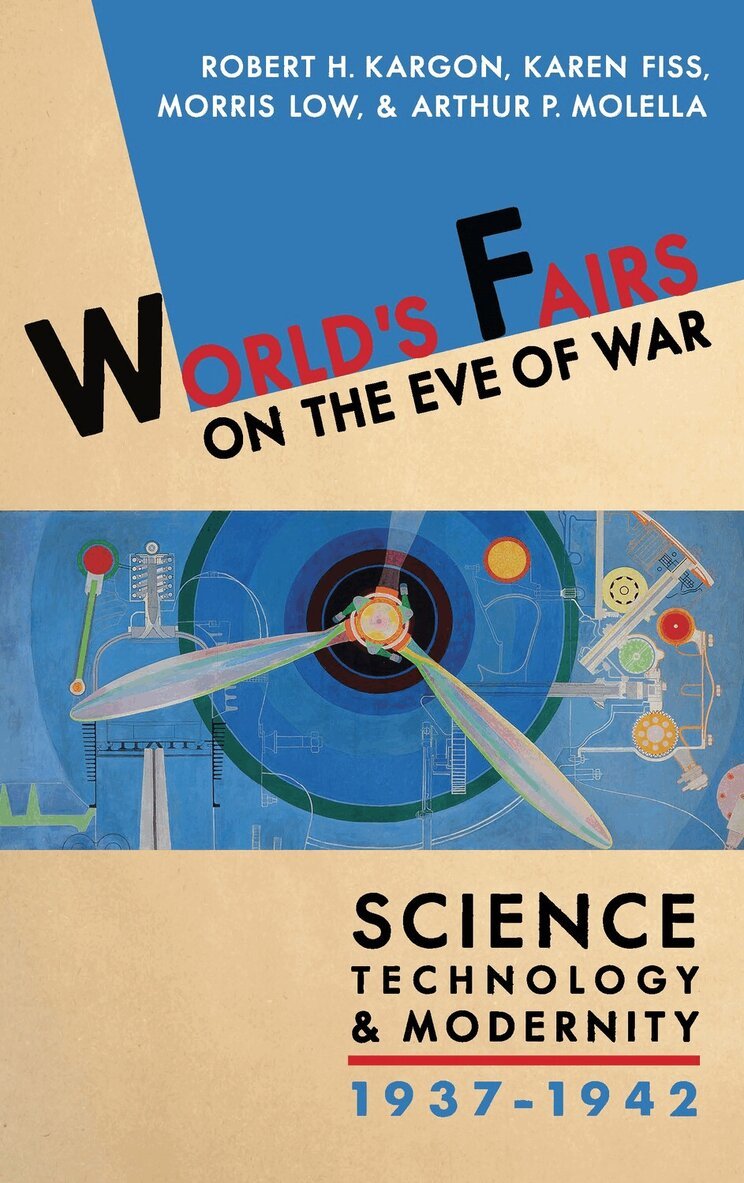
Since the first world’s fair in London in 1851, at the dawn of the era of industrialization, international expositions served as ideal platforms for rival nations to showcase their advancements in design, architecture, science and technology, industry, and politics. Before the outbreak of World War II, countries competing for leadership on the world stage waged a different kind of war—with cultural achievements and propaganda—appealing to their own national strengths and versions of modernity in the struggle for power. World’s Fairs on the Eve of War examines five fairs and expositions from across the globe—including three that were staged (Paris, 1937; Dusseldorf, 1937; and New York, 1939–40) and two that were in development before the war began but never executed (Tokyo, 1940; and Rome, 1942). Collectively, the authors consider representations of science and technology at world’s fairs as influential cultural forces and at a critical moment in history, when tensions and ideological divisions between political regimes would soon lead to war.